Ferret Care Essentials: Complete Guide To Health And Housing
Master the art of ferret ownership with proven tips on housing, nutrition, grooming, and health for a thriving pet.
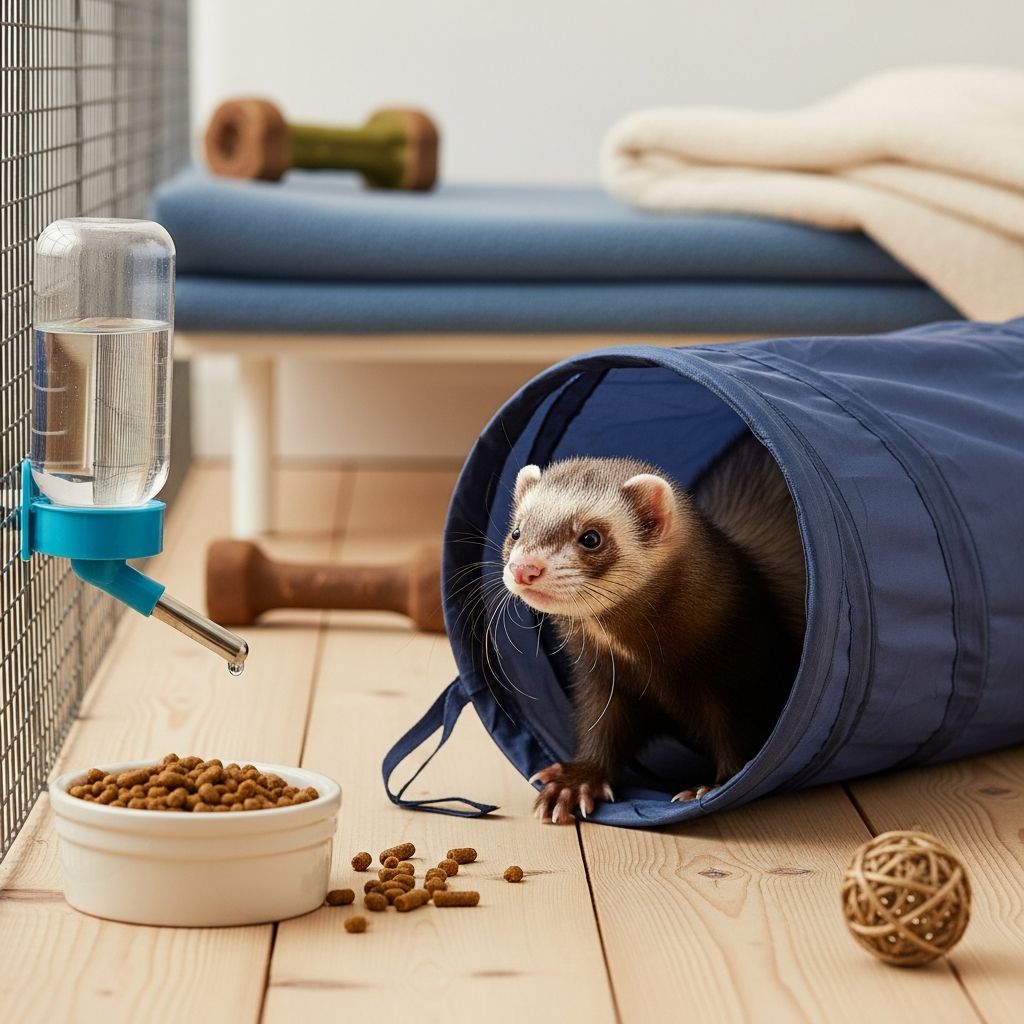
Owning a ferret brings joy through their playful antics and affectionate nature, but it requires dedication to their unique needs. These carnivorous mammals demand specific housing, nutrition, and stimulation to stay healthy and happy.
Understanding Ferret Biology and Behavior
Ferrets belong to the Mustelidae family, sharing traits with weasels and otters, which makes them agile, curious explorers. Adults typically weigh 1.5 to 4 pounds and measure 18 to 24 inches long, including their tail. They possess a fast metabolism, necessitating frequent meals, and are crepuscular, most active at dawn and dusk.
Their inquisitive personality drives them to investigate every nook, often leading to mischief if unsupervised. Ferrets communicate via chirps, dooks (warbles), and body language like the “dance of joy.” Social by nature, they flourish with companionship, either from humans or fellow ferrets.
Creating the Perfect Ferret Habitat
A suitable enclosure mimics their natural burrowing environment while prioritizing safety and space. Opt for multi-level wire cages with narrow bar spacing to prevent escapes, at least 3 feet tall by 2 feet wide by 2 feet deep for one ferret, larger for multiples.
- Bedding: Provide fleece liners, hammocks, or sleep sacks for cozy resting spots; avoid cedar or pine shavings that irritate skin.
- Enrichment: Include tunnels, chew toys, and puzzle feeders to combat boredom and encourage natural foraging.
- Litter Area: Use corner pans with pelleted litter; ferrets instinctively use bathrooms, easing training.
- Climate Control: Maintain 60-75°F with moderate humidity; include hideaways to reduce stress.
Position the cage in a quiet, draft-free room away from direct sun. Spot-clean daily and deep-clean weekly with mild disinfectants, allowing full drying before reintroducing your pet.
Nutrition for Optimal Ferret Health
As obligate carnivores, ferrets require diets rich in animal proteins and fats, low in carbs and fiber. High-quality ferret kibble formulated for their needs—minimum 35-40% protein, 20% fat—is ideal.
| Nutrient | Recommended Level | Sources |
|---|---|---|
| Protein | 35-40% | Ferret kibble, raw meat |
| Fat | 20-25% | Animal fats, fish oil |
| Carbs | <10% | Avoid grains, veggies |
| Treats | <10% diet | Meat, eggs, ferret-specific |
Feed free-choice for adults, dividing into 3-4 meals daily for kits. Fresh water must be available via sipper bottles or heavy bowls, changed twice daily. Prohibit fruits, veggies, dairy, or sugary items, which cause digestive upset. Supplements like taurine or omega-3s may benefit seniors, per vet advice.
Grooming Routines to Keep Ferrets Clean
Ferrets self-groom meticulously, but owners must assist with maintenance. Brush weekly during shedding seasons to minimize hairballs, using a soft ferret brush.
- Nail Trimming: Every 2-3 weeks with guillotine clippers; seek vet help initially to avoid the quick.
- Ear Cleaning: Wipe outer ears bi-weekly with cotton balls and vet-approved solution; never probe deeply.
- Dental Hygiene: Brush teeth 2-3 times weekly with enzymatic paste and finger brush from puppyhood.
- Bathing: Rare—only if soiled—as it strips natural oils; use ferret shampoo if needed.
Administer hairball remedies like malt paste monthly, especially for long-haired kits.
Exercise and Mental Stimulation Daily
Ferrets need 4+ hours of supervised out-of-cage play daily in ferret-proofed areas. Block access to wires, small objects, and toxic plants like lilies.
Encourage digging with safe bins of rice or towels, and provide harness walks for outdoor adventures. Rotate toys weekly—balls, tubes, interactive wands—to sustain interest. Pairing ferrets reduces loneliness but doubles care demands.
Common Health Concerns and Prevention
Ferrets face breed-specific issues; early detection via annual vet exams is crucial. Key conditions include:
- Adrenal Disease: Hormone imbalance causing hair loss, aggression; spay/neuter reduces risk.
- Insulinoma: Pancreatic tumors leading to hypoglycemia; managed with diet/meds.
- Distemper: Vaccinate at 8, 10, 12 weeks, then boosters.
- Ear Mites/Parasites: Monthly preventives essential.
- Cancer/Heart Disease: Monitor for lethargy, weight loss.
Find an exotic vet for rabies/distemper shots, dental cleanings, and bloodwork. Budget for higher costs due to specialization.
Training Your Ferret for Better Behavior
Litter training succeeds 80-90% by placing kits in pans post-meals/naps. Use positive reinforcement—treats, praise—for commands like “come” or harness acceptance. Clicker training enhances bonding.
Address nipping by yelping and redirecting; neutering curbs aggression. Crate training aids travel.
Ferret-Proofing Your Home
Secure cabinets, cover drains, remove latex/rubber items they swallow. Use baby gates for room access; supervise rigorously to prevent blockages.
Choosing and Bringing Home a Ferret
Select kits (6-8 weeks) from reputable breeders or rescues; check for bright eyes, firm stools. Quarantine new arrivals 2-4 weeks. Prepare supplies pre-arrival for smooth transition.
FAQs
Are ferrets good for beginners?
No, they suit committed owners due to high maintenance.
How long do ferrets live?
6-10 years with proper care.
Can ferrets live alone?
Prefer pairs, but one needs ample human interaction.
Do ferrets smell bad?
Manageable with diet, cleaning, descenting.
What vaccines do ferrets need?
Distemper series, rabies per local laws.
References
- Comprehensive Guide to Ferret Care: Essential Tips for 2025 — Flamingo Pet Clinic. 2025. https://flamingopetclinic.com/essential-ferret-care/
- Ferret Care Sheet — PetMD. Accessed 2026. https://www.petmd.com/ferret/ferret-care-sheet
- Ultimate Vet Guide 2025: Ferret Care 101 — AskAVet. 2025. https://askavet.com/blogs/news/ultimate-vet-guide-2025-ferret-care-101-%F0%9F%90%BE%F0%9F%8F%A1-comprehensive-tips-for-healthy-ferrets
- Caring for Your Ferret — Pet Advocacy Network. 2022. https://petadvocacy.org/wp-content/uploads/2022/01/Ferret-Care-Sheet.pdf
- Caring for Your Ferret — Oxbow Animal Health. 2023. https://oxbowanimalhealth.com/wp-content/uploads/2023/10/Ferret-Care-Guide-Jul-2022.pdf
- Ferret Care and Husbandry — PMC – NIH. 2020. https://pmc.ncbi.nlm.nih.gov/articles/PMC7128698/
Similar Articles








Read full bio of medha deb