Ferret Care Essentials: Complete Management Guide
Master ferret ownership with expert guidance on housing, nutrition, health, and behavior.
Introduction to Ferret Ownership Responsibilities
Ferrets are fascinating companion animals that demand considerable attention, specialized knowledge, and dedicated care to thrive in domestic environments. These mustelids possess unique physiological and behavioral characteristics that distinguish them from traditional pets, requiring owners to understand their specific needs across multiple domains including housing, nutrition, health maintenance, and environmental enrichment. Successfully managing ferrets involves recognizing their high metabolic rates, social nature, and instinctive behaviors while providing a safe, stimulating environment that promotes both physical and psychological well-being.
Creating Optimal Living Environments
Enclosure Design and Space Requirements
Establishing an appropriate housing setup forms the foundation of ferret care. Ferrets require multi-level enclosures that accommodate their natural climbing behavior and provide ample space for exploration. The habitat should feature multiple tiers with ramps and shelves, allowing ferrets to navigate vertically and satisfy their instinctive climbing drives. Solid flooring is essential to prevent foot injuries, while wire or mesh construction promotes adequate air circulation—avoiding glass and plastic enclosures that restrict ventilation and can contribute to respiratory issues.
The minimum habitat should be spacious enough to allow ferrets to run, play, and establish separate areas for sleeping, eating, and waste elimination. Larger enclosures accommodate multiple ferrets more comfortably and reduce territorial stress. Well-ventilated designs with escape-proof construction are critical, as ferrets are notorious escape artists capable of squeezing through surprisingly small openings.
Bedding and Substrate Selection
Selecting appropriate bedding materials directly impacts ferret health and comfort. Paper-based bedding, including pelleted or shredded paper products, represents the preferred choice due to its absorbency, digestibility, and respiratory safety. These materials maintain their integrity if accidentally ingested, preventing gastrointestinal obstruction. Conversely, cedar and pine shavings contain aromatic oils that irritate respiratory tissue, potentially causing chronic illness. A depth of one to two inches provides adequate absorbency while maintaining comfort.
Temperature and Environmental Conditions
Ferrets demonstrate significant sensitivity to temperature extremes. Maintaining ambient temperatures between 60-75°F (15-24°C) prevents heat stress and hypothermia. Temperatures exceeding 80°F can rapidly trigger life-threatening heat exhaustion due to ferrets’ limited thermoregulatory capacity. Adequate ventilation, shade, and access to cool surfaces protect against thermal stress. Similarly, cold environments require insulated bedding and heated areas to maintain body temperature during rest periods.
Nutritional Management and Feeding Protocols
Dietary Composition Requirements
Ferrets possess specialized dietary requirements reflecting their carnivorous ancestry and rapid metabolism. High-quality ferret-specific commercial foods formulated with elevated protein content (typically 30-40% crude protein) and minimal carbohydrates provide optimal nutrition. Their rapid digestive transit time necessitates frequent feeding intervals—most ferrets require meals every three to four hours to maintain stable blood glucose levels and energy reserves. A typical daily feeding schedule involves two to four meals, with portions ranging from 12-25 milliliters per feeding session.
Premium-quality canned cat foods formulated for high protein content can supplement commercial ferret pellets. Meat-based baby foods serve as appropriate alternatives for ill or compromised ferrets. Treats should remain minimal and consist of small meat portions rather than carbohydrate-heavy or sugary options that compromise nutritional balance and promote obesity and metabolic disease.
Water Provision and Hydration
Constant access to fresh, clean water is non-negotiable for ferret health. Water bottles with ball-bearing tubes or shallow bowls both serve effectively, though some ferrets prefer bowls. Regularly inspect water delivery systems to ensure functionality and prevent contamination. Dehydration occurs rapidly in ferrets and contributes to serious health complications including kidney dysfunction and urinary obstruction.
Health Maintenance and Preventive Care
Veterinary Assessment and Preventive Medicine
Establishing relationships with veterinarians experienced in exotic animal medicine is essential. Young ferrets require annual comprehensive examinations, while senior ferrets (aged five years and older) benefit from twice-yearly veterinary evaluations to detect age-related conditions early. Veterinary visits should include physical examinations, fecal analysis, and vaccination assessments. Rabies and distemper vaccination schedules depend on local regulations and individual risk factors—consulting with experienced exotic veterinarians ensures appropriate protection protocols.
Dental Health and Oral Care
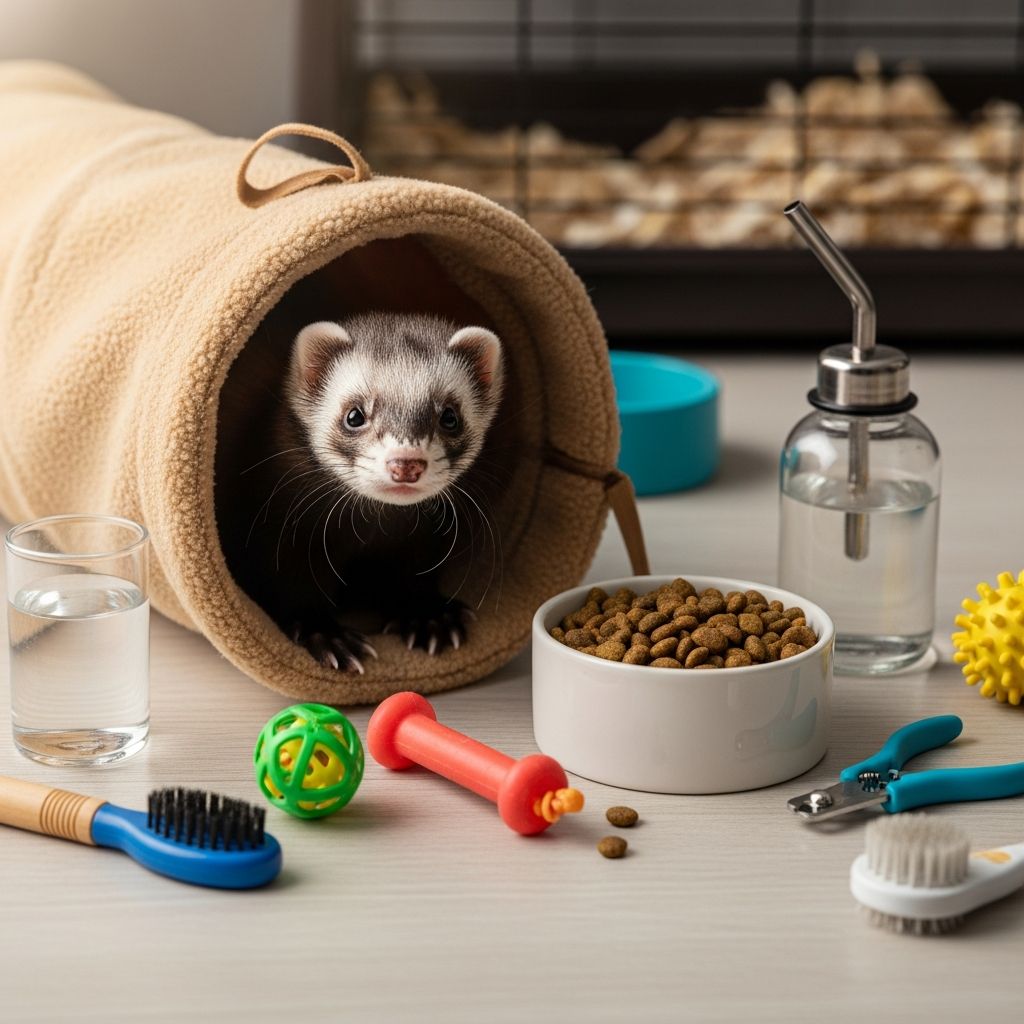
Preventive dental care significantly impacts long-term ferret health. Introducing young ferrets to daily teeth brushing using small finger toothbrushes and meat-flavored toothpaste formulated for ferrets or cats establishes lifelong oral hygiene practices. Providing appropriate chewing materials including raw bones and specialized dental chew toys encourages natural plaque removal while satisfying natural gnawing instincts. Regular dental examinations during veterinary visits identify early signs of periodontal disease, dental fractures, or abnormal tooth wear.
Grooming Maintenance
Ferrets possess a distinctive musky odor originating from scent glands in their skin. Frequent bathing paradoxically intensifies this odor by stimulating increased gland secretion. Monthly bathing at most—or less frequent washing—using ferret-specific or gentle cat shampoos minimizes skin irritation while managing natural odor. Between baths, soft brushing with appropriate grooming tools removes loose fur and distributes natural skin oils.
Nail care requires attention every two to three weeks. Overgrown nails impair mobility, cause discomfort, and can split or break. Professional veterinary trimming prevents accidental injury, though trained owners can manage this task independently using appropriate nail trimmers and styptic powder for controlling minor bleeding.
Ear and Auditory Health
Regular ear inspection and cleaning prevent waxy buildup and infection development. Using cotton balls moistened with veterinarian-recommended ear cleaning solutions gently removes debris from external ear structures. Excessive ear accumulation may indicate parasites, allergies, or chronic inflammation requiring veterinary intervention.
Exercise and Environmental Enrichment
Daily Activity Requirements
Ferrets are highly energetic animals requiring minimum two hours of supervised exercise outside their enclosure daily. This activity period can be consolidated or divided into multiple sessions depending on owner schedules. During these exercise periods, ferrets should access carefully ferret-proofed spaces free from hazards including electrical cords, toxic substances, small objects they can ingest, and access to other pets that might cause injury.
Ferrets are most active during crepuscular hours (dawn and dusk), though they display considerable daytime energy. Providing diverse play experiences maintains physical fitness and mental stimulation while strengthening human-animal bonds through interactive engagement.
Enrichment Strategies and Stimulation
Environmental enrichment encompasses various elements that stimulate natural behaviors and prevent behavioral problems. Tunneling and hiding opportunities satisfy ferrets’ instinctive burrowing drives—installing tubing throughout play areas allows ferrets to crawl, explore, and establish secure refuge spaces. Rotating toy selections maintains novelty and engagement, preventing habituation and boredom.
Ferrets possess powerful foraging instincts; creating opportunities for searching, investigating, and discovering hidden rewards satisfies these drives while providing mental engagement. Boxes filled with paper, blankets, or other safe materials encourage natural digging and nesting behaviors. Hammocks and elevated resting platforms address sleeping preferences, as ferrets spend 18-20 hours daily resting or sleeping and appreciate comfortable, secure sleeping locations positioned away from activity centers.
Social Interaction and Companionship
Ferrets are inherently social animals thriving with regular human interaction and conspecific companionship when compatible. Adopting pairs or small groups of compatible ferrets can reduce loneliness and provide natural social engagement. However, single ferrets receiving substantial daily human attention and handling can adapt well in single-ferret households. Daily handling builds trust, strengthens bonds, and allows owners to monitor physical condition and behavioral changes.
Behavioral Management and Training
Litter Training Systems
Ferrets demonstrate natural tendencies toward corner elimination, facilitating litter training. Strategically positioning multiple litter boxes in cage corners and throughout play areas encourages appropriate waste elimination. Using absorbent, paper-based litter materials in boxes encourages usage. Consistency, positive reinforcement, and patience develop reliable litter training, though occasional accidents remain common even with well-trained individuals.
Bite Inhibition and Play Behavior
Young ferrets naturally engage in play-biting as they develop social skills and establish dominance hierarchies. Nipping during play reflects normal development rather than aggression. Redirecting biting behavior toward appropriate toys rather than human skin, combined with consistent but gentle corrections, teaches bite inhibition. Harsh punishments prove counterproductive and damage human-animal relationships. Over time, ferrets learn appropriate interaction boundaries through positive reinforcement and gentle redirection.
Communication and Body Language Recognition
Understanding ferret vocalizations and body language enables owners to interpret emotional states and respond appropriately. Ferrets produce distinctive sounds including chirping, whimpering, hissing, and screaming that convey different emotional messages. Body postures including arching backs, sideways hopping, and tail fluffing indicate play, excitement, or distress. Recognizing these signals allows owners to adjust interactions, provide comfort when needed, and encourage appropriate play behaviors.
Health Concerns and Disease Recognition
Common Ferret Pathologies
Several conditions occur with relative frequency in ferret populations. Adrenal disease causes hair loss, behavioral changes, and reproductive issues as ferrets age. Insulinoma develops when pancreatic tumors disrupt glucose regulation, causing lethargy, seizures, and behavioral changes. Early recognition and veterinary intervention improve outcomes significantly. Regular monitoring for physical and behavioral changes enables prompt diagnosis and treatment initiation.
Health Monitoring Indicators
Owners should observe ferrets daily for signs of good health including clear eyes and nostrils, clean ears, well-groomed coats, appropriate eating and drinking patterns, and alert, curious demeanor. Any deviation from baseline behavior—including appetite changes, lethargy, respiratory difficulty, or abnormal eliminations—warrants veterinary evaluation. Early intervention prevents disease progression and improves treatment success rates.
Home Preparation and Ferret-Proofing
Hazard Identification and Mitigation
Ferrets’ curious nature and ability to access tiny spaces create numerous hazard exposures in typical homes. Toxic substances including pesticides, medications, cleaning products, and certain houseplants must be secured in ferret-inaccessible locations. Electrical cords pose chewing hazards and electrocution risks—cordless equipment or protected wiring prevents injury. Small objects including beads, foam pieces, and rubber items create choking and intestinal blockage risks.
Space Preparation and Containment
Designating ferret-proofed rooms or enclosed areas provides safe play zones with minimal hazard exposure. Blocking gaps between furniture, securing loose baseboards, and removing escape route hazards prevents ferrets from becoming trapped or lost within walls or inaccessible spaces. Creating a checklist of potential hazards and systematically addressing each one ensures comprehensive preparation before ferrets roam freely in home environments.
Maintenance Protocols and Sanitation
Cage Cleaning and Waste Management
Daily spot-cleaning removes soiled bedding, feces, and uneaten food, maintaining habitat cleanliness and preventing ammonia buildup. Weekly comprehensive cleaning involving complete bedding replacement, habitat disinfection, and accessory cleaning prevents pathogenic organisms from establishing in the environment. Using dilute bleach solutions or commercial small-animal habitat cleaners—left on surfaces for at least ten minutes—effectively disinfects cages and accessories. Multiple ferrets necessitate more frequent cleaning to manage odor and maintain sanitation standards.
Travel and Temporary Care Considerations
When owners travel, securing appropriate temporary care maintains ferret welfare. Transporting ferrets in secure cat carriers with familiar bedding and toys reduces stress during movement. Ensuring temporary caregivers understand ferret-specific needs including feeding schedules, environmental requirements, and health monitoring prevents complications during owner absence. Ferrets adapt better to familiar home environments with temporary in-home care rather than relocation to unfamiliar facilities.
References
- Ferret Care and Husbandry — National Institutes of Health, National Center for Biotechnology Information. https://pmc.ncbi.nlm.nih.gov/articles/PMC7128698/
- Ferret Care Sheet — PetMD. https://www.petmd.com/ferret/ferret-care-sheet
- Guide to Owning a Ferret as a Pet — Oxbow Animal Health. https://oxbowanimalhealth.com/blog/all-about-ferrets/
- How to Create a Good Home For Ferrets — Royal Society for the Prevention of Cruelty to Animals. https://www.rspca.org.uk/adviceandwelfare/pets/ferrets/environment
- The Ultimate Guide to Ferret Pet Care — PAWS Health Partners. https://pawshealthpartners.com/the-ultimate-guide-to-ferret-pet-care/
Similar Articles








Read full bio of Sneha Tete