

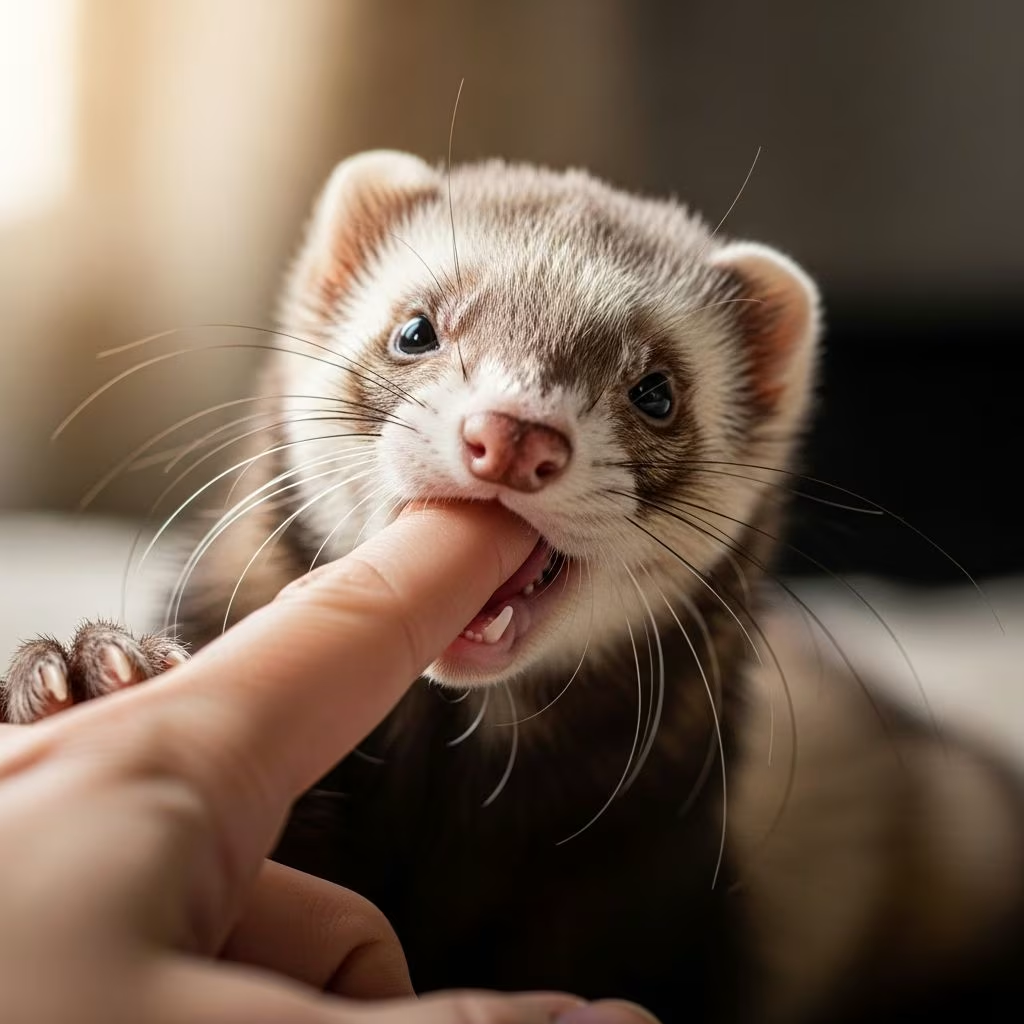
Understanding Ferret Biting Behavior
Ferrets are playful, curious creatures that communicate through various behaviors, including biting. However, ferret biting is often misunderstood by owners who assume it indicates aggression or hatred. In reality, ferrets bite for many reasons, and most nipping is not a sign of aggression. Ferrets engage in fairly rough biting with each other during play and, perceiving humans as playmates, they may not understand that human skin is more sensitive than ferret skin. Understanding the underlying causes of biting is the first step toward addressing the behavior effectively.
Why Ferrets Bite
Ferrets bite for numerous reasons, and identifying the cause is crucial for implementing the right solution. Unlike dogs or cats, ferrets don’t bite because “they hate you”—there is always an underlying reason for the behavior. Common reasons for ferret biting include:
Play Biting: One of the most common types of ferret biting is play biting. A play-biter can be the most frustrating type of nipper, as these playful pranksters don’t realize they’re inflicting pain. They bite because they’re having fun and believe you’re playing with them, just as they would with other ferrets.
Fear-Based Biting: Ferrets that are frightened may bite defensively. A frightened ferret, especially one that is frightened all the time, needs special handling and should be placed in a confined area for a period of time with minimal contact with others. This allows the ferret time to calm down, understand, and accept its new surroundings.
Dominance: Some ferrets bite to establish dominance. A truly dominant ferret uses biting as a way to assert its position within the social hierarchy. These ferrets require consistent, firm corrections to understand that biting is unacceptable.
Overcaging: A very common reason ferrets bite is because they are caged for too many hours. These are intelligent, active animals that need regular interaction and playtime outside their cages. When confined too long, they become frustrated and irritable, leading to increased biting behavior.
Environmental Stress: Environmental changes can also stress a ferret and lead to biting behavior. Moving to a new place, divorce, odd hours, houseguests, and travel can all cause ferret crankiness. Environmental changes both scare a ferret and make it feel insecure, which may manifest as biting.
Sensory Sensitivities: Another reason for biting may be that your ferret thinks your hand lotion or other beauty product smells yummy. Some ferrets are attracted to certain scents and may nip or bite when they encounter them on your skin.
Training Tips for Normal Nipping
Normal nipping is different from aggressive biting and can be managed with patience and consistent training. The key is to teach your ferret that the behavior is unwelcome while maintaining a positive relationship.
The “No” Technique: When your ferret nips, pick it up, loudly say “No!” and set it down immediately. Be sure you always use the exact same words or sounds when you make a correction, so the ferret associates the sounds you make with the actions it did. Consistency is essential for this method to work effectively.
Time-Out Protocol: If your ferret continues the bad behavior after saying “No,” add a five-minute timeout in a travel carrier, often called the “sin bin.” Ferrets won’t understand more than five minutes, so longer punishment is not better and may actually be counterproductive. The timeout should be administered immediately after the biting occurs, so the ferret makes the connection between the behavior and the consequence.
The Avoidance Technique: For toe-biters trying to play, implement an “avoidance” technique. If the ferret comes after your foot, move the foot completely out of the way—not just an inch or two. If you are walking, step completely over the ferret and move quickly. If you are sitting on furniture, pick the foot up and tuck it under your leg. If you are on the floor, scoop the ferret up and point it in another direction and put it back down.
Scruffing and Dragging: For more aggressive or dominant biters, the fastest way to get the point home is to scruff the ferret immediately after it bites and speak firmly to it, always using the same words for corrections. Then rub it along the floor or couch two or three times. This action simulates the dominant behavior of another ferret and shows that you are in charge. A truly dominant ferret will not accept this action the first few times, and may rush you and try to bite again. Consistency is crucial—you must repeat this process every time the ferret bites until it gets the point, which can take a week or two.
Special Handling for Sensory-Impaired Ferrets
Blind and deaf ferrets require special handling techniques to prevent fear-based biting. These ferrets are more prone to biting because they startle easily and cannot see or hear you approaching.
Handling a Blind Ferret: Never grab a blind ferret without first making your presence known through sound. Speak the ferret’s name and blow on its fur gently. Then try picking it up slowly, supporting its whole body and making sure it feels secure. Always speak calmly to the ferret to soothe it during handling.
Handling a Deaf Ferret: A deaf ferret may act similarly to a blind ferret. Never grab it unless it’s looking directly at you, or it will startle and may bite. It is best to stomp your feet to get your deaf ferret’s attention before attempting to pick it up.
Dos and Don’ts for Ferret Bite Training
Following proven dos and don’ts can significantly improve your success with bite training.
| Do | Don’t |
|---|---|
| Use consistent words and sounds for corrections | Use physical punishment or hit your ferret |
| Show your ferret you are the boss through firm corrections | Reward biting by putting the ferret down without reprimand |
| Play more often with your ferret to reduce biting | React in fear around a problem biter |
| Give stressed ferrets extra loving attention | Jump, squeal, or squirm during play |
| Allow daily or more frequent interaction | Cage ferrets for excessive hours |
| Be consistent with all handlers | Punish a fearful ferret more severely |
Managing Play-Biters
Play-biters are among the most challenging ferrets to train. Often, especially with children, attempts to keep from being bitten can send the wrong signals to the ferret. A person who jumps, squeals, and squirms to keep from being bitten seems like a perfect playmate to a ferret, reinforcing the biting behavior rather than discouraging it.
The solution is to play more often with your ferret—more handling leads to fewer tooth marks, not more. Additionally, a ferret that is feeling stressed and insecure needs extra loving attention. Daily or more frequent interaction is crucial, so the ferret learns that human contact is part of normal life. Some experienced trainers recommend allowing a problem ferret to bite on many occasions with no repercussions. This teaches the ferret that it won’t be hit for biting and can reduce anxiety-driven aggression.
Addressing Environmental Stress and Biting
When your ferret bites due to environmental stress, punishment is counterproductive. Instead, focus on reassurance and extra attention. Environmental changes both scare a ferret and make it feel insecure. Changes may also cause additional demands in the human’s life so that not enough attention is paid to the ferret during the stressful time.
To address stress-related biting, provide your ferret with:
– More frequent playtime and handling- A consistent daily routine as much as possible- Quiet, safe spaces where the ferret can retreat- Extra love and reassurance during transitions- Increased cage-free time to reduce frustration
What Not to Do: Common Training Mistakes
Understanding what not to do is as important as knowing what to do when training a ferret to stop biting.
Never Use Physical Punishment: Physical punishment can cause a frightened or excited ferret to become even more frenzied. You should never incorporate physical punishment into your behavioral modification route. Being physically violent with your ferret is only going to serve to make them more anxious, more defensive, and more likely to lash out by biting.
Avoid Rewarding the Biting: If your ferret bites while you hold it, don’t reward it for biting by putting it down without a reprimand—that may be just what it wanted. You must show your ferret you are the boss.
Don’t Increase Caging: You can’t stop a ferret biting because it is overcaged by giving it even more “time-outs” in the cage—you’ll just make the problem worse. Match the method to the reason for the biting.
Consistency is Key: All handlers must use the same methods and follow through consistently. If one person enforces rules while another doesn’t, your ferret will become confused, and training will be ineffective.
The Importance of Consistent Training
Successful ferret bite training requires commitment and consistency from everyone who handles the ferret. A truly dominant ferret will not accept corrective actions the first few times, and may rush and try to bite again. Be consistent and grab it again, holler, then scruff-and-drag it. If you do this enough times and each time it tries to bite, it will eventually get the point. It can take a week or two, but you have to do it every time for it to work.
Everyone who has regular contact with your ferret must punish and reward your ferret equally for biting and good behavior. If you have children, ensure they understand the training protocol and follow it consistently. Mixed messages will confuse your ferret and undermine your training efforts.
Creating a Positive Living Environment
Beyond training techniques, creating a positive living environment is essential for reducing biting behavior. Ferrets need adequate space, mental stimulation, and social interaction. Include your ferret in your daily life so that they can spend more time outside their cage. Look for opportunities to let your ferret participate in your daily activities, such as bringing them to the bathroom while you get ready in the morning.
Regular playtime, access to toys and enrichment activities, and consistent social interaction will help your ferret feel secure and valued. A well-socialized, mentally stimulated ferret is much less likely to develop biting problems.
Frequently Asked Questions (FAQs)
Q: Is ferret biting a sign of aggression?
A: Not necessarily. Most nipping is not a sign of aggression from ferrets. They engage in fairly rough biting with each other during play and perceive humans as playmates. Without understanding that human skin is more sensitive than ferret skin, they may not realize they’re inflicting pain. Biting can indicate play, fear, dominance, stress, or even attraction to scents on your skin.
Q: How long should a timeout last?
A: Ferrets won’t understand more than five minutes, so the ideal timeout is exactly five minutes. Any longer is not more effective and may actually be counterproductive.
Q: What should I do if my ferret latches onto me?
A: If your ferret is holding onto you, you can place your thumb and index finger on either side of their mouth in the corners and apply moderate pressure to make them release. Alternatively, run the back of the ferret’s head under a running tap of cold water—the surprise of the cold water will often make them let go.
Q: Can I train an older ferret not to bite?
A: Yes, ferrets can be trained at any age, though it may take longer with older ferrets. Consistency is key, and patience is required, but behavioral modification is possible.
Q: Why does my ferret bite when I try to pick it up?
A: Your ferret may bite when picked up due to fear, lack of socialization, or a dominance response. Always speak calmly to your ferret, support its whole body, and make it feel secure. Avoid sudden grabbing motions that startle the animal.
Q: How much playtime does my ferret need?
A: Daily or more frequent interaction is crucial. Ferrets are intelligent, active animals that need regular playtime outside their cages. The more handling and playtime your ferret receives, the fewer behavioral issues, including biting, you’ll experience.
References
- Ferret Biting Behavior — Chewy Education. 2025. https://www.chewy.com/education/small-pet/ferret/ferret-biting-behavior
- Ferret Behavior: Biting — Ferret Association of Connecticut. https://ferretassn.org/about-ferrets/behavior/biting/
- No-Bite Training — Holistic Ferret Forum. https://holisticferretforum.com/care-enrichment/common-behavior-problems/no-bite-training/
- Ferret Behavior: Sleeping, Biting and Other Behaviour — Ferret World. https://www.ferret-world.com/ferrets-as-pets/ferret-behavior/



