

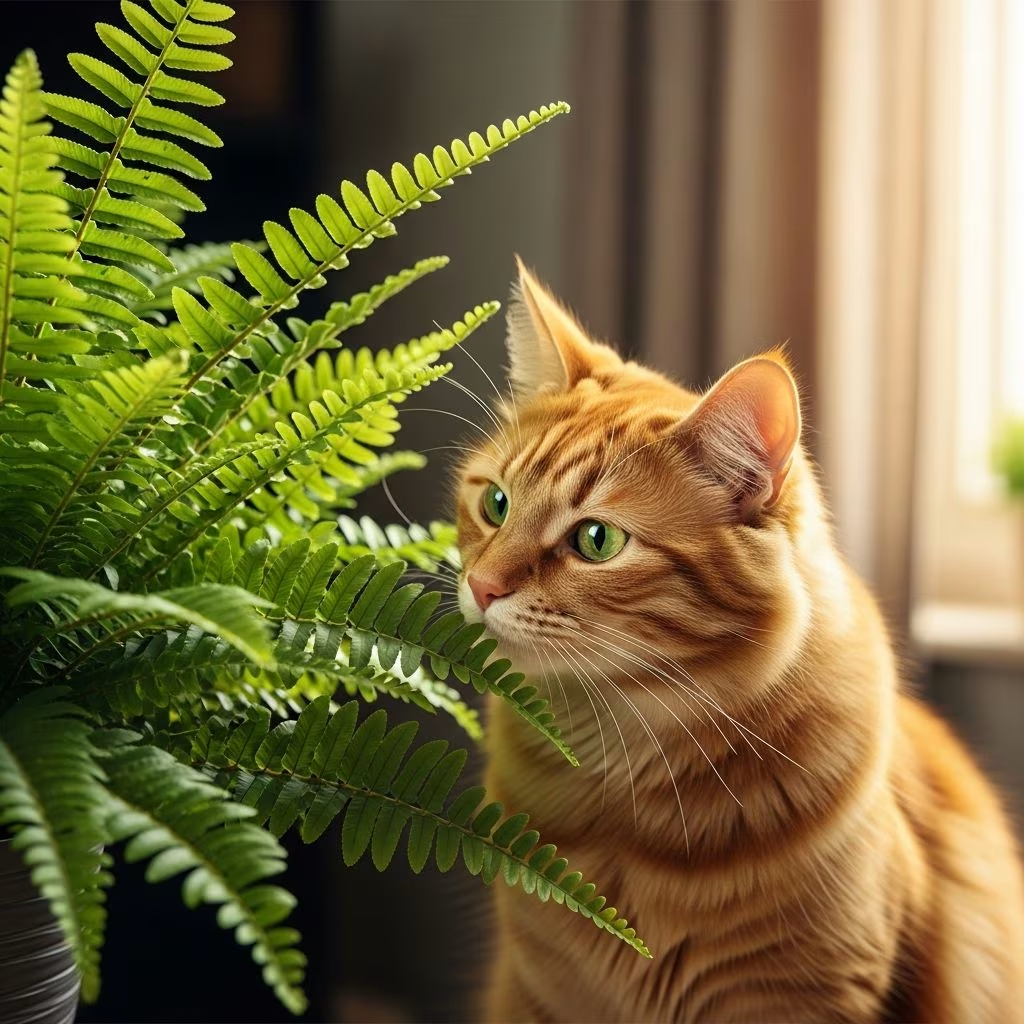
Ferns add lush greenery to homes, but not all are safe around cats. While many true ferns pose little risk, certain fern-like plants can trigger gastrointestinal distress or skin issues in felines.
Understanding Fern Varieties and Cat Safety
Cats often chew on plants out of curiosity or boredom, making it vital to differentiate between harmless and hazardous types. True ferns, belonging to the division Polypodiophyta, generally lack severe toxins for cats. However, plants marketed as “ferns” like asparagus fern contain irritants such as saponins or sapogenins that disrupt digestion.
The confusion arises because common names overlap. For instance, Boston ferns (Nephrolepis exaltata) are widely regarded as safe, though excessive consumption might cause mild stomach upset from plant fiber alone. In contrast, asparagus ferns (Asparagus densiflorus) are frequently misidentified as true ferns but pack a punch with their berry-producing stems.
Hazardous Fern Species to Avoid
Several fern-named plants merit caution due to their potential to harm cats. Here’s a breakdown:
- Asparagus Fern (Asparagus densiflorus): Features feathery fronds and red berries. Contains sapogenins, steroids that irritate the gut lining, leading to vomiting and diarrhea. Berries amplify risks, and repeated contact may cause dermatitis.
- Bird’s Nest Fern (Asplenium nidus): Compact and rosette-shaped, this can provoke mild vomiting or appetite loss, though toxins remain unidentified. Best relocated if cats show interest.
- Autumn Fern (Dryopteris erythrosora): Coppery new growth turns green. Linked to abdominal discomfort and digestive upset in cats.
- Lady Fern (Athyrium filix-femina): Delicate fronds hide potential for nausea and pain upon ingestion.
- Foxtail, Winter, and Hemlock Ferns: These mimic true ferns but carry toxicity risks similar to asparagus varieties, causing stomach pain.
| Fern Type | Toxicity Level | Key Risks |
|---|---|---|
| Asparagus Fern | Mild-Moderate | Vomiting, diarrhea, skin irritation |
| Bird’s Nest Fern | Mild | Gut upset, lethargy |
| Boston Fern | Non-Toxic | Possible mild stomach upset if overeaten |
Recognizing Signs of Fern-Related Distress in Cats
Early detection improves outcomes. Symptoms typically emerge within hours of nibbling. Common indicators include:
- Vomiting or diarrhea, often the first alerts.
- Abdominal tenderness, shown by hunching or sensitivity to touch.
- Excessive drooling from oral irritation.
- Lethargy or weakness, signaling dehydration or pain.
- Skin reactions like redness or swelling from sap contact.
Severe cases might involve tremors or breathing issues, though rare with ferns. Monitor closely; persistent symptoms demand professional intervention.
Immediate Steps if Your Cat Ingests a Suspect Fern
Don’t induce vomiting without vet guidance, as it can worsen some toxicities. Instead:
- Remove plant remnants from mouth if safe.
- Collect a plant sample or photo for identification.
- Contact a vet or pet poison hotline immediately.
- Note ingestion time and symptoms.
Treatment often entails fluids for hydration, anti-nausea meds, or activated charcoal to bind toxins. Skin issues may need rinses or creams. Most cats recover fully with prompt care.
Creating a Cat-Safe Greenery Haven
Prevention trumps cure. Strategies include:
- Elevate Plants: Use high shelves or hanging baskets beyond leap range.
- Opt for Proven Safes: Boston, maidenhair, or button ferns are ideal.
- Deter Curiosity: Citrus sprays or aluminum foil around bases discourage nibbling.
- Enrich Environment: Cat grass or toys redirect chewing instincts.
- Research Thoroughly: Cross-check ASPCA lists before purchases.
For multi-pet homes, prioritize zoning: dedicate cat-free plant zones.
Non-Toxic Fern Alternatives for Feline Households
Enjoy foliage without worry using these vet-approved options:
- Boston Fern: Thrives in humidity, mimics wild undergrowth safely.
- Maidenhair Fern (Adiantum spp.): Delicate and air-purifying.
- Button Fern (Pellaea rotundifolia): Compact, low-maintenance.
- Staghorn Fern (Platycerium spp.): Epiphytic, wall-mounted for drama.
These tolerate indirect light and moist soil, perfect for indoors.
Why Cats Target Plants and How to Curb It
Feline plant interest stems from fiber needs, hunting simulation, or nausea relief. Kittens explore more aggressively. Counter with dedicated greens like wheatgrass, grown hydroponically for safety.
Behavioral fixes: scratching posts, window perches, and puzzle feeders reduce boredom-driven munching.
Long-Term Health Implications of Plant Exposure
Isolated incidents rarely scar, but chronic access to irritants risks ongoing gut sensitivity or allergies. Monitor for patterns; switch to sterile environments if prone.
Nutritional angles: Cats are obligate carnivores; plant matter offers no value and can unbalance diets if habitual.
Frequently Asked Questions
Are all ferns dangerous for cats?
No, true ferns like Boston are safe; avoid asparagus and similar imposters.
What if my cat ate a fern but seems fine?
Watch 24-48 hours for delayed symptoms; call vet if any arise.
Can fern toxicity be fatal?
Rarely with common types; severe dehydration poses main threat.
Are fern spores toxic?
No evidence; risks stem from foliage/berries.
How to identify safe vs. toxic ferns?
Use ASPCA database; true ferns lack berries/flowers.
Expert Insights on Pet Plant Safety
Veterinarians stress education: many poisonings stem from misinformation. Integrate plants thoughtfully, prioritizing pet well-being over aesthetics.
References
- Are Ferns Toxic to Cats? A Guide to Safe and Toxic Fern Species — Hooluxe. 2023. https://hooluxe.com/en-lu/blogs/pet-knowledge-base/are-ferns-toxic-to-cats-a-guide-to-safe-and-toxic-fern-species
- Are Ferns Poisonous To Cats? — Rover.com. 2023. https://www.rover.com/blog/are-ferns-poisonous-to-cats/
- 10 Household Plants That Are Dangerous to Dogs and Cats — Keep ‘Em Healthy Veterinary Clinic. 2023. http://www.keepemhealthy.com/care_guide.html
- 10 Household Plants That Are Dangerous to Dogs and Cats — River Square Animal Hospital. 2023. http://www.riversquareanimalhospital.com/care_guide.html



