

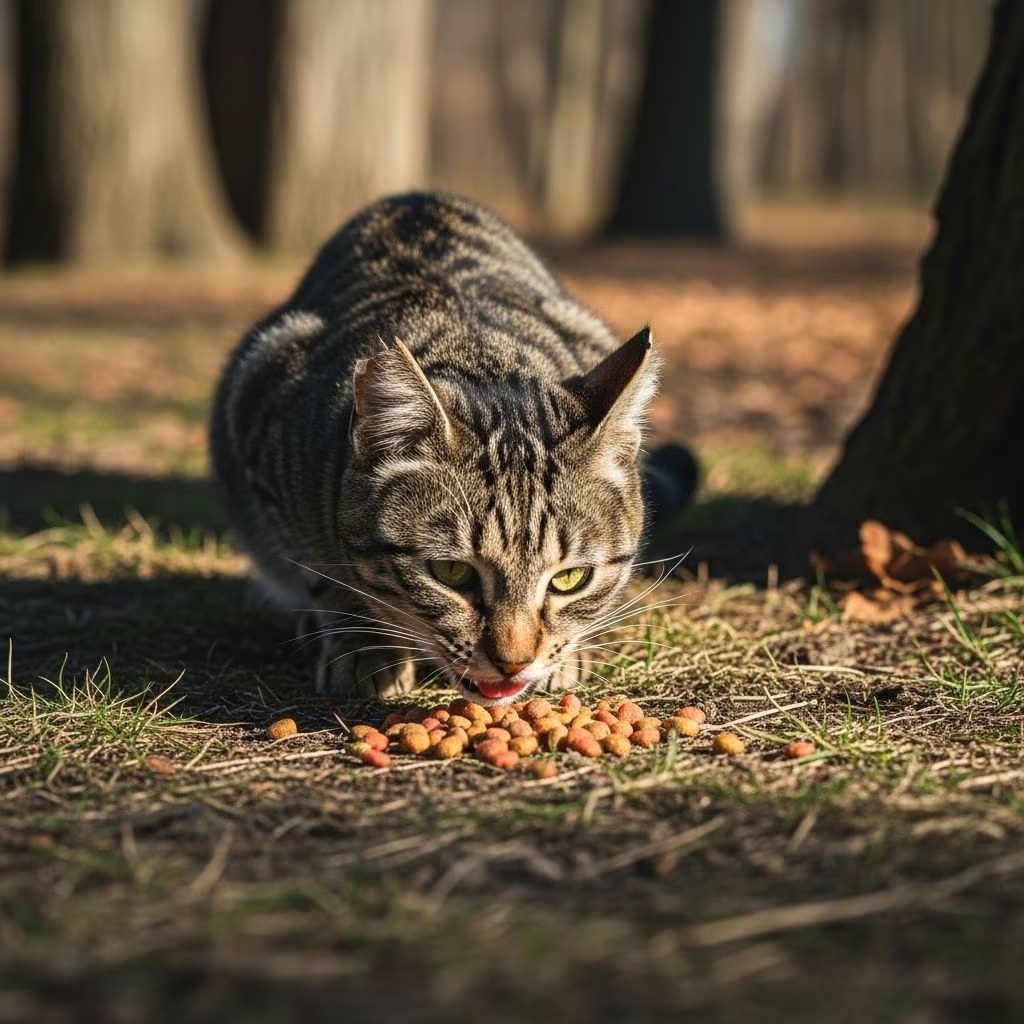
Feral cats represent a significant population of free-roaming felines that have adapted to life in outdoor environments without human care or socialization. Understanding their dietary patterns provides valuable insight into their behavior, ecological impact, and nutritional requirements. Unlike domesticated cats that rely on prepared pet foods, feral cats must actively forage and hunt to meet their energy and nutrient needs. Their diet reflects millions of years of evolutionary adaptation that has shaped them into highly efficient predators.
The Biological Foundation of Feral Cat Feeding
Feral cats are obligate carnivores, meaning their bodies have evolved specifically to process and derive nutrition from animal-based proteins and fats. This fundamental biological characteristic distinguishes them from many other mammals and determines virtually every aspect of their dietary behavior in the wild. Their gastrointestinal systems are optimized for breaking down muscle tissue, organs, and bones rather than plant matter. The metabolic adaptation of feral cats reflects a nutrient profile where approximately 52% of daily energy intake comes from crude protein, 46% from crude fat, and only about 2% from carbohydrates or other non-protein sources.
This carnivorous specialization means that feral cats cannot obtain adequate nutrition from vegetables, fruits, or grain-based foods alone. While they may occasionally consume plant material, doing so represents a dietary necessity rather than a preference. Their digestive enzymes and intestinal structure are calibrated for processing whole prey items, including organs rich in taurine, an essential amino acid that cats cannot synthesize independently. Without sufficient taurine and other amino acids found exclusively in animal tissue, feral cats experience health decline and potential organ dysfunction.
Primary Prey Species in Feral Cat Hunting
Small Mammals as the Preferred Food Source
Among all dietary options available to feral cats, small rodents represent their most reliable and nutritionally complete food source. Mice, rats, voles, shrews, and other rodent species provide feral cats with concentrated packages of essential nutrients in a size they can efficiently hunt and consume. These mammals offer complete amino acid profiles, high fat content for energy, and minerals necessary for bone health and metabolic function. The hunting of rodents also provides significant ecological benefits, as feral cats help regulate pest populations that would otherwise damage agricultural crops and spread diseases to human and domestic animal populations.
Beyond common rodent species, feral cats also pursue tree squirrels and other small climbing mammals when opportunities arise. These prey items require more sophisticated hunting skills and patience, as they offer greater agility and escape routes compared to ground-dwelling rodents. However, the nutritional reward justifies the additional effort required to successfully capture these prey.
Avian Prey and Hunting Strategies
Birds represent another significant dietary component for feral cats, particularly species that nest on or near the ground. Rather than specializing in a single bird species, feral cats employ an opportunistic strategy, targeting whatever bird species proves most abundant and accessible in their immediate environment. Ground-nesting species, young birds learning to fly, and birds visiting the ground for food comprise the most vulnerable populations. Songbirds, sparrows, and pigeons fall regularly to feline predation when habitat proximity provides hunting opportunities.
The seasonal availability of birds influences feral cat dietary patterns. During breeding seasons when nesting birds are numerous and distracted by parental duties, bird predation peaks. Conversely, during migration periods and winter months when local bird populations decline, feral cats shift their hunting focus toward more reliable mammalian prey sources.
Aquatic and Cold-Blooded Prey
Feral cats with access to water sources demonstrate proficiency at hunting fish, amphibians, and reptiles. Cats living near streams, ponds, or coastal areas have adapted fishing techniques that allow them to capture these protein sources. Small fish, frogs, tadpoles, and aquatic insects provide nutritional alternatives that supplement terrestrial hunting when available. Reptilian prey including snakes and lizards also feature in the feral cat diet, though these represent less consistent food sources compared to mammals and birds.
Supplementary and Alternative Protein Sources
Insects and Invertebrates
Feral cats regularly consume insects, worms, crickets, cockroaches, and other invertebrates, particularly when mammalian and avian prey becomes scarce. While insects provide less concentrated nutrition compared to vertebrate prey, they are abundant in most environments and require minimal hunting effort. Cats may consume insects opportunistically during grooming or while foraging in vegetation. In certain seasons or geographic locations where insect populations boom, this food source can contribute meaningfully to overall caloric intake.
Scavenged Foods and Urban Adaptation
In urban and suburban environments, feral cats demonstrate remarkable adaptability by incorporating human food waste into their diet. Garbage and discarded food represent primary protein sources for many feral cat colonies, particularly during winter months when natural prey becomes difficult to locate. Restaurant waste, residential trash, and improperly secured food stores provide concentrated nutrient sources that require no hunting effort. This dietary shift reflects the same evolutionary flexibility that allowed cats to associate with early human settlements approximately 10,000 years ago, when grain storage attracted rodent prey and created predictable food abundance.
Beyond garbage, feral cats consume unattended pet food left outdoors, carrion and roadkill, and other readily available protein sources. This opportunistic feeding strategy means feral cat populations can sustain themselves in close proximity to human activity, though this proximity creates ecological and disease transmission concerns.
Hydration and Water Requirements
While not technically food, water represents an essential dietary component for feral cats. In the wild, feral cats obtain hydration from natural sources including rivers, ponds, lakes, and collected rainwater. They also derive some moisture from prey items, as the bodies of consumed animals contain significant water content. However, contaminated water sources pose substantial health risks to feral colonies, contributing to the spread of parasitic, bacterial, fungal, and viral diseases. This sanitation challenge represents one of the primary health threats facing feral cat populations, particularly in urban areas where water sources may be compromised by pollution or pathogenic contamination.
Plant Matter and Non-Protein Foods
Despite being obligate carnivores, feral cats occasionally consume grasses, plant matter, and small amounts of plant-based foods. These materials provide minimal nutritional benefit and may serve primarily as dietary roughage or fiber sources that aid in digestive transit. Some researchers hypothesize that plant consumption may help cats expel hairballs or parasites, though direct nutritional contribution remains minimal. Vegetables and fruits lack the essential amino acids and fatty acid profiles required for feline health, making them unsuitable as primary or supplementary nutrition sources for wild cats.
Seasonal Dietary Variations
Feral cat diets fluctuate significantly based on seasonal prey availability and environmental conditions. During spring and summer when bird nesting activity peaks and rodent populations surge, feral cats enjoy abundant hunting opportunities and can be highly selective about prey choice. Autumn and early winter bring agricultural harvest seasons that attract larger rodent populations to grain storage areas, providing concentrated feeding zones. Late winter and early spring often present the most challenging feeding periods, when natural prey populations decline and weather conditions limit hunting effectiveness.
During these lean seasons, feral cats shift dietary patterns toward scavenged foods, garbage sources, and less preferred prey items including insects and amphibians. This dietary flexibility, combined with their efficient metabolism, allows feral cat populations to persist through environmental fluctuations that would eliminate species with more specialized nutritional requirements.
Nutritional Profile of Wild Feral Cat Diets
Scientific analysis of feral cat feeding ecology reveals that natural prey-based diets provide comprehensive nutritional profiles aligned with feline metabolic requirements. The dietary nutrient composition consumed by feral cats includes minerals and trace elements in relatively high concentrations compared to recommended allowances for domestic cats. This higher mineral content reflects the complete dietary value of consuming whole prey items, including bones that provide calcium and phosphorus, organs that supply vitamins and minerals, and muscle tissue providing amino acids and fatty acids.
The efficiency of this wild diet suggests that prey-based feeding represents the nutritional standard to which feline metabolism has adapted through evolutionary history. Modern domestic cat nutrition research increasingly recognizes that whole prey feeding patterns provide health and longevity benefits potentially superior to conventional kibble or processed wet foods, though practical domestic feeding rarely replicates complete whole prey consumption.
Ecological Impact of Feral Cat Predation
The hunting effectiveness and dietary preferences of feral cats create substantial ecological consequences in many environments. Large feral cat colonies can impact available prey populations for native predators, potentially affecting the food security and population dynamics of native carnivores including foxes, hawks, and other raptors. The volume of prey consumption across hundreds or thousands of feral cats in urban and rural areas removes significant biomass from local ecosystems, influencing species composition and population stability.
This ecological impact has generated conservation concerns in regions where feral cat populations have become established, particularly on islands and in sensitive habitats where native prey species lack evolutionary adaptations to feline predation. Understanding feral cat dietary patterns and feeding efficiency remains central to developing effective wildlife management and ecological conservation strategies.
Frequently Asked Questions About Feral Cat Nutrition
- Do feral cats need fruits and vegetables to stay healthy? No, feral cats are obligate carnivores and derive minimal nutritional benefit from plant-based foods. Their bodies are optimized for processing animal proteins and fats exclusively.
- How much food does a feral cat require daily? Feral cats typically consume between 150-250 calories daily, equivalent to approximately one small prey animal such as a mouse, depending on prey size and nutritional density.
- Can feral cats survive on garbage alone? While feral cats can survive on garbage and scavenged foods temporarily, these sources rarely provide complete nutritional profiles and may introduce toxins or contaminants affecting long-term health.
- What prey animals do feral cats hunt most frequently? Small rodents including mice, rats, and voles represent the most frequently hunted prey, as they provide optimal nutritional value relative to hunting effort required.
- Are feral cats better hunters than domestic cats? Feral cats develop heightened hunting skills through consistent practice and necessity, making them more efficient predators than domestic cats that rely on provided food sources.
Supporting Feral Cat Populations Through Proper Feeding
For individuals or organizations seeking to support feral cat colonies, understanding their nutritional requirements enables more effective feeding strategies. High-protein wet foods and quality cat kibble provide balanced nutrition superior to garbage or random scavenged foods. When establishing feeding programs, consistency in feeding schedule and location helps feral cats develop routine patterns and reduces stress associated with food insecurity. Regular feeding also enables easier monitoring of colony health and identification of individuals requiring medical intervention.
However, feeding programs must be implemented carefully, as inappropriate feeding can attract excessive wildlife to feeding stations, create disease transmission vectors, and potentially alter wildlife behavior patterns and ecological dynamics. Professional guidance from wildlife specialists and veterinarians helps ensure that feeding initiatives provide genuine benefit without creating secondary environmental problems.
References
- Estimation of the dietary nutrient profile of free-roaming feral cats — National Center for Biotechnology Information (NCBI) / PubMed. 2012. https://pubmed.ncbi.nlm.nih.gov/22005434/
- What Do Feral Cats Eat in The Wild? Vet Reviewed Facts & FAQ — Catster. 2024. https://www.catster.com/nutrition/what-do-feral-cats-eat-in-the-wild/
- Feral Cats | Facts & Identification, Control & Prevention — Orkin Canada. 2024. https://www.orkincanada.ca/pests/wildlife/feral-cats/
- Biology & Behavior of Cats – What they Eat & More — Alley Cat Allies. 2024. https://www.alleycat.org/resources/biology-and-behavior-of-the-cat/
- Feeding the Feral: A Study on Feral Cat’s Environmental Impact — Urban Wildlife Research Project. 2024. https://urbanwildliferesearchproject.org/feeding-the-feral-a-study-on-feral-cats-environmental-impact/



