

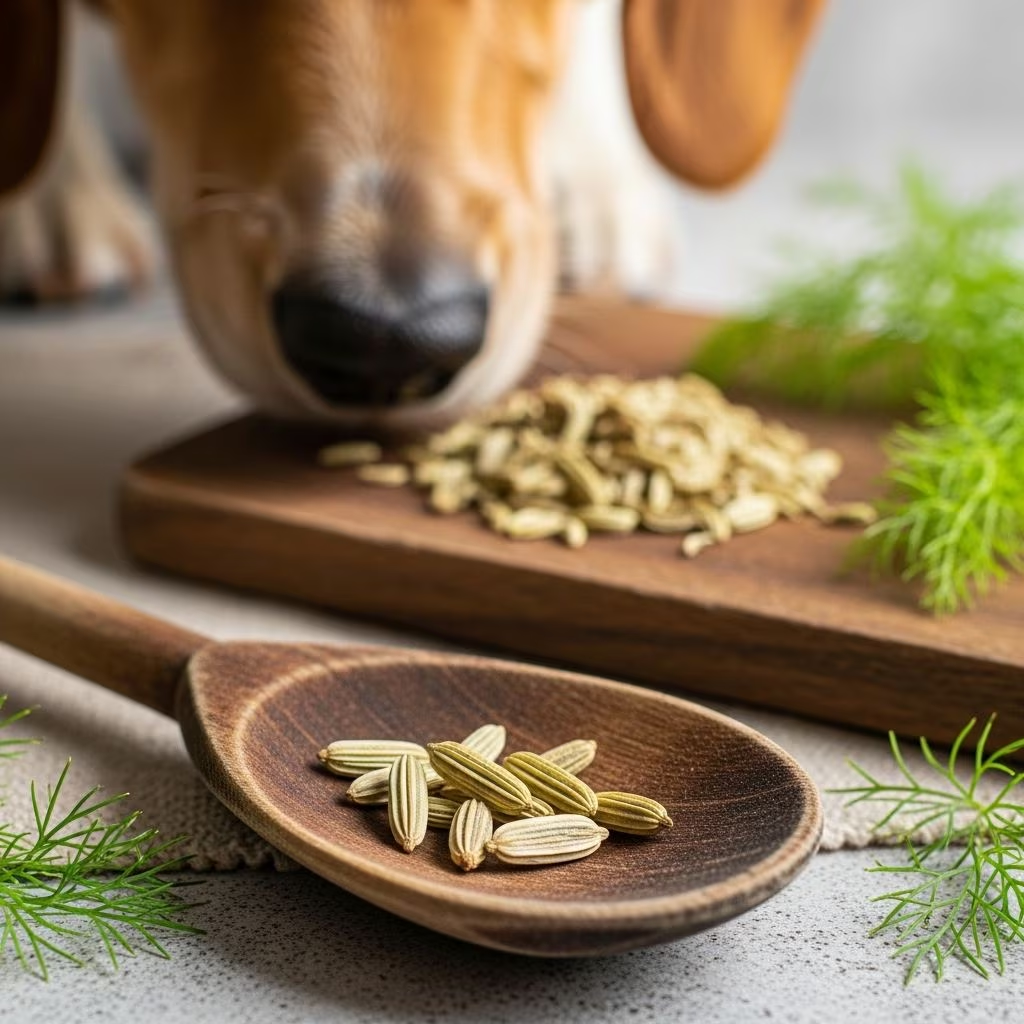
Fennel seeds offer dogs a range of health advantages, primarily centered on improving digestive function, alleviating gastrointestinal discomfort, and providing essential nutrients. Derived from the Foeniculum vulgare plant, these seeds have been utilized in traditional medicine for centuries and show promise in modern veterinary applications for pets.
Understanding Fennel Seeds and Their Role in Dog Nutrition
Fennel seeds are the dried fruits of the fennel plant, a member of the Apiaceae family, known for their licorice-like flavor and aroma. Packed with bioactive compounds like trans-anethole, flavonoids, and phenolic acids, they deliver carminative effects that relax gastrointestinal smooth muscles. For dogs, incorporating these seeds can address common issues like irregular bowel movements and post-meal discomfort, making them a valuable addition to balanced diets.
Nutritionally, fennel seeds provide vitamins A, C, and potassium, alongside dietary fiber and antioxidants. These elements contribute to immune support, vision health, and cellular protection against oxidative stress. Unlike synthetic supplements, their natural profile allows for gentle integration into a dog’s routine, particularly beneficial for seniors or those with sensitive systems.
Key Health Advantages for Your Dog’s Gut
The standout benefit of fennel seeds lies in their ability to promote digestive harmony. Here’s a breakdown of primary effects:
- Enhanced Digestion: Compounds in fennel stimulate enzyme production, aiding food breakdown and nutrient uptake. This is crucial for dogs recovering from dietary changes or bouts of indigestion.
- Gas and Bloat Relief: As a carminative agent, fennel relaxes the gut, facilitating gas expulsion and minimizing bloating after rich meals.
- Bowel Regulation: Fiber content supports consistent stools, preventing constipation or diarrhea in fiber-deficient diets.
Beyond the gut, antioxidants combat free radicals, potentially lowering chronic disease risks, while anti-inflammatory properties soothe irritated tissues.
Nutritional Profile and Broader Wellness Impacts
A closer look at fennel seeds reveals a nutrient-dense profile tailored for canine needs:
| Nutrient | Benefit for Dogs | Source Support |
|---|---|---|
| Vitamin C | Boosts immunity and collagen for skin/coat | |
| Potassium | Regulates heart and muscle function | |
| Fiber | Promotes satiety and gut motility | |
| Antioxidants (e.g., Anethole) | Reduces inflammation, fights pathogens | |
| Iron | Supports oxygen transport in blood |
These nutrients extend to breath freshening via antimicrobial action against oral bacteria and potential joint relief through inflammation reduction. For overweight dogs, their low-calorie, high-fiber nature aids portion control without sacrificing flavor.
Safe Incorporation Methods for Daily Use
Start small to monitor tolerance. General guidelines by dog size:
- Small breeds (<20 lbs): 1/8 tsp ground seeds daily.
- Medium breeds (20-50 lbs): 1/4-1/2 tsp.
- Large breeds (>50 lbs): 1/2-1 tsp, split across meals.
Preparation Ideas:
- Ground Sprinkle: Crush seeds and mix into kibble or wet food for even distribution.
- Herbal Tea: Steep 1/2 tsp seeds in hot water, cool, and offer 1-2 oz as a digestive tonic post-meal.
- Treat Infusion: Blend into homemade biscuits or yogurt freezes for palatability.
- Raw Chews: Offer whole seeds sparingly for breath benefits, ensuring no choking risk.
Always use organic, pesticide-free seeds. Cooked fennel bulb or stalks can complement seeds, enhancing fiber intake when plain and unseasoned.
Scientific Backing and Veterinary Perspectives
Research underscores fennel’s efficacy. Studies in the Journal of Ethnopharmacology highlight its carminative properties for flatulence relief, with enzyme stimulation confirmed in animal models. EFSA evaluations deem fennel oil safe as a dog feed additive at low doses, citing minimal safety concerns.
Veterinary texts like Herbs for Pets by Gregory L. Tilford endorse seeds for gastric relief after dietary indiscretions. Clinical parallels from human IBS trials show fennel reducing pain and bloating, suggesting translatable benefits for canine GI issues. Antimicrobial effects against gut pathogens further support microbiome balance.
Experts recommend moderation, with vet consultation for puppies, pregnant dogs, or those on medications, as high doses may cause mild sedation.
Addressing Common Concerns and Myths
Some worry about toxicity, but fennel is non-toxic across all parts—seeds, bulb, fronds—per veterinary consensus. Myths of overdose risks stem from essential oil concentrates, not culinary seeds. Overfeeding might loosen stools due to fiber, easily rectified by dose reduction.
For sensitive stomachs, fennel’s spasmolytic action strengthens gut barriers via tight junction proteins, per preclinical data. It’s unsuitable as a sole treatment for severe conditions like IBD; pair with professional care.
Real-World Applications and Success Stories
Dogs on high-fiber or raw diets often benefit from fennel’s smoothing effects during transitions. Seniors with slowed digestion report firmer stools and less straining. Owners note fresher breath and enthusiasm for meals laced with seeds.
Combine with probiotics for synergistic gut support, or use post-holiday feasts to counter rich foods.
Frequently Asked Questions
Can all dogs eat fennel seeds?
Yes, in moderation, but consult a vet for those with allergies, epilepsy, or on hormone therapies.
How quickly do effects appear?
Many notice reduced gas within days; consistent use optimizes long-term benefits.
Are fennel seeds better than the bulb?
Seeds concentrate oils for digestion; bulbs add hydration and bulk fiber.
What if my dog dislikes the taste?
Mix into strong-smelling foods or use tea form; palatability improves with habituation.
Is fennel safe during pregnancy?
Avoid high doses due to potential uterine stimulation; stick to food amounts.
Potential Interactions and Precautions
Fennel may enhance sedative effects of certain meds or influence estrogen-sensitive conditions. Monitor for allergies (rare itching/rash). Source quality matters—avoid irradiated products.
For optimal results, integrate into holistic plans with exercise and quality protein sources.
References
- Main Benefits of Fennel Seeds for Dogs — Broono.pet. 2023. https://www.broono.pet/pages/ingredient/fennel-seed
- Is Fennel Safe for Dogs? Debunking Myths — Nooratail.com. 2024. https://www.nooratail.com/blogs/news/is-fennel-safe-for-dogs-debunking-myths-and-ensuring-canine-wellness
- Fennel Seeds for Dogs: Evidence-based Guide — Bonza.dog. 2026-02. https://www.bonza.dog/2026/02/fennel-seeds-for-dogs/
- Can Dogs Eat Fennel? Benefits and Safety — Houndsy.com. 2024. https://www.houndsy.com/blogs/modern-tails/can-dogs-eat-fennel-exploring-the-benefits-and-safety-of-fennel-for-dogs
- Can I Add Fennel to My Pet’s Food? — Wagwalking.com. 2023. https://wagwalking.com/wellness/can-i-add-fennel-to-my-pets-food
- Fennel Seeds: The Spicy Herb for Dogs — Lyka.com.au. 2024. https://lyka.com.au/blog/fennel-seeds-the-spicy-and-mighty-herb-for-your-dog



