
Female Lovebird Behavior: Understanding Aggression & Hormones
Discover why female lovebirds display aggression and learn strategies to manage hormonal and territorial behaviors effectively.
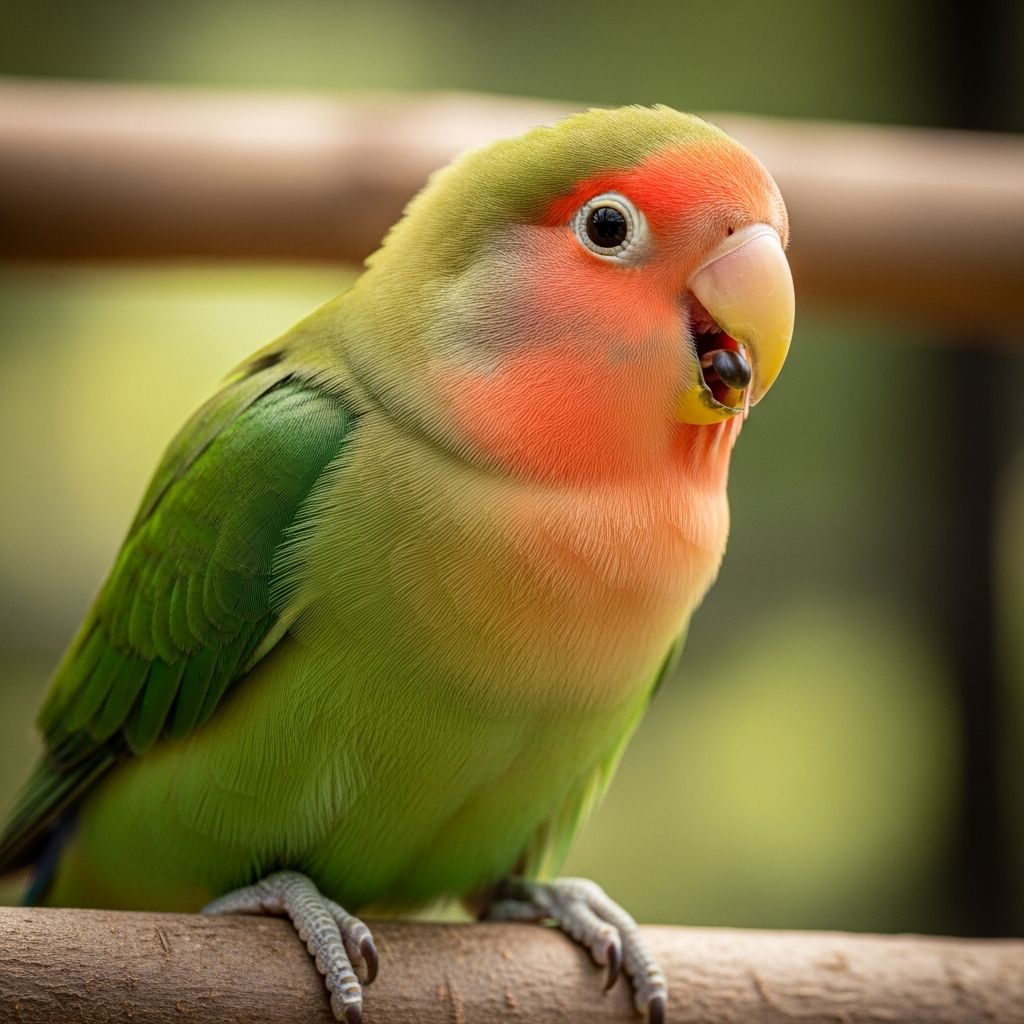
Understanding Female Lovebird Behavior
Female lovebirds are known for their vibrant personalities and deep capacity for affection, but they also display distinct behavioral characteristics that differ significantly from their male counterparts. Many new lovebird owners are surprised when their sweet, gentle baby bird suddenly transforms into an aggressive and territorial creature. This transformation typically occurs as the bird reaches sexual maturity and hormonal changes begin to influence behavior. Understanding these behavioral patterns is essential for anyone considering a female lovebird as a pet and for those already living with one.
Hormonal Changes and Their Impact
Female lovebirds experience hormonal fluctuations that can dramatically alter their personality and behavior. When a female lovebird enters her breeding season, she becomes broody and may exhibit a range of behavioral changes that can startle unprepared owners. These hormonal shifts are natural and biological, driven by the bird’s natural instinct to reproduce and establish a nesting territory.
The transition from a cuddly juvenile to a hormonal adult is one of the most notable changes female lovebird owners experience. What was once an affectionate, hand-tame bird may suddenly become possessive, aggressive, and unwilling to tolerate certain types of handling. Recognizing these hormonal behaviors early allows owners to adjust their interaction style and implement management strategies before behaviors become deeply ingrained.
Territorial Aggression in Female Lovebirds
One of the most distinctive characteristics of female lovebirds is their tendency toward territorial aggression. Unlike males, which are generally considered more calm and tolerant, females are naturally more courageous and protective of what they perceive as their territory. This territorial behavior is particularly pronounced around their cage, nesting areas, and preferred perches.
Female lovebirds will often become aggressive when their human caregivers attempt to reach into the cage or move objects within it. Many owners describe their gentle baby bird suddenly becoming “a little monster,” chirping madly and attempting to bite when fingers enter the cage. This aggressive display is not a sign that the bird no longer likes its owner—rather, it is the bird’s way of defending its perceived territory. Understanding this distinction is crucial for preventing the deterioration of the human-bird relationship.
Factors Contributing to Territorial Behavior
Several factors can intensify territorial aggression in female lovebirds:- Nesting materials and nest sites: The presence of shredded paper, happy huts, or nest boxes can trigger intense territorial behavior- Cage location: A cage placed in a high-traffic area may make the bird feel more defensive- Bonding with a specific person: If the bird has bonded strongly with one household member, she may become aggressive toward others- Seasonal changes: Increasing daylight hours can trigger hormonal responses and increased aggression- Toys and food resources: Favorite toys and food sources may become objects the bird fiercely defends
Mating Displays and Bonding Behaviors
Female lovebirds engage in elaborate courtship displays that reflect their name and natural behavior. When a female lovebird is attracted to a potential mate—whether another bird or a human—she will perform distinctive display behaviors. These displays include spreading her wings, lifting her tail, and spinning in circles while emitting quiet, repetitive sounds. The bird may also puff out her feathers, creating a rounded, ball-like appearance.
In household settings where a female lovebird has bonded strongly with one person, she may direct these mating behaviors toward that individual. The bird becomes exceptionally cuddly and affectionate with her chosen person while simultaneously becoming possessive and potentially aggressive toward other household members. This selective bonding, while flattering, can create challenges if not properly managed.
Excessive Preening and Feather Plucking
Hormonal female lovebirds often engage in excessive preening as a way to manage their sexual frustration. While normal preening is essential for maintaining feather health and flight capability, hormonal birds may spend disproportionate amounts of time grooming themselves. In some cases, this behavior escalates to feather plucking, where the bird actually pulls feathers from its own body.
Feather plucking can occur during nesting periods as part of natural nest-building behavior, but persistent feather plucking outside of breeding season may indicate stress or other health concerns. Bird owners should monitor their female lovebirds closely for signs of excessive feather loss and consult with an avian veterinarian if this behavior becomes problematic. While some feather plucking is normal during hormonal periods, it should not continue indefinitely.
Nesting Behavior and Material Collection
One of the most fascinating behaviors unique to female lovebirds is their extraordinary nesting technique. Female lovebirds will collect nesting material and shred it into remarkably even strips, which they then tuck into their rump feathers and carry to a perceived nest site. This behavior showcases the bird’s intelligence and natural instinct for reproduction. The nest site can be anywhere the bird considers safe: inside a happy hut, a seed cup, a corner of the cage, or even a cardboard box.
Males may attempt to chew nesting material, but they lack the fine motor skills and precision that females display. Only female lovebirds possess the remarkable ability to create uniformly sized strips and transport them in their feathers. Once a female has established a nesting site, she will become even more territorial and protective of that area, adding another layer of complexity to behavioral management.
Increased Appetite During Hormonal Periods
Female lovebirds often exhibit increased appetite when they are broody and hormonal. This increased food consumption is a natural response to their body’s preparation for potential egg-laying and breeding. Owners may notice their female lovebird eating more than usual and becoming more food-possessive during these periods.
Managing food portions becomes important during these times, as overfeeding can lead to obesity and other health complications. Providing a balanced diet of pellets, fresh foods, and limited seeds remains important even during periods of increased appetite. Some owners find that adjusting feeding schedules or offering more frequent, smaller meals helps manage both the bird’s nutritional needs and behavioral issues related to food possessiveness.
Comparing Male and Female Lovebirds
| Characteristic | Male Lovebirds | Female Lovebirds |
|---|---|---|
| Temperament | Generally calmer and more tolerant | More aggressive and territorial |
| Aggression Level | Lower, especially around cage | High, particularly when nesting |
| Bonding Tendency | May bond equally to multiple people | Often bonds intensely with one person |
| Nesting Behavior | May attempt nesting but lack precision | Exceptional nesting and material collection skills |
| Pet Suitability | Generally considered better for first-time owners | Better suited for experienced bird owners |
| Egg Laying | N/A | Can lay excessive eggs, health risk |
Managing Female Lovebird Aggression
Successfully managing a female lovebird’s aggressive and territorial behavior requires patience, consistency, and understanding of the bird’s natural instincts. Rather than viewing aggression as a personal rejection, owners should recognize it as a natural biological response to hormonal changes and environmental triggers.
Environmental Modifications
One effective strategy for reducing aggression is to remove the bird from the cage to different rooms or spaces when possible. This environmental change can help de-escalate territorial behavior since the aggression is typically tied to the cage space and perceived nest sites. By limiting the bird’s access to areas she has marked as her territory, owners can reduce opportunities for aggressive displays.
Additionally, removing or minimizing nesting materials and nest boxes can help reduce hormonal triggers. Without nesting materials to collect and a designated nest site to defend, female lovebirds experience fewer triggers for intense territorial and hormonal behavior. However, this should be balanced with the bird’s welfare needs and natural behaviors.
Handling and Interaction Strategies
During hormonal periods, female lovebirds may not tolerate the same level of handling they enjoyed as juveniles. Owners should adjust their expectations and handling techniques accordingly. Rather than forcing interaction, providing space and allowing the bird to initiate contact on her terms can reduce aggression and frustration.
Teaching the bird to step up and interact outside the cage creates opportunities for positive interaction without triggering territorial aggression. Using perches, stands, or play gyms outside the cage allows the bird to be near her owner while maintaining physical boundaries that prevent cage-related aggression.
Enrichment and Mental Stimulation
Providing adequate enrichment and mental stimulation can help channel hormonal energy into appropriate activities rather than aggression. Rotating toys, providing foraging opportunities, and offering safe chewing materials give the bird productive outlets for her natural behaviors. Destructible toys, wood pieces, and paper-based enrichment allow the bird to engage her nesting and building instincts in acceptable ways.
Frequently Asked Questions About Female Lovebird Behavior
Q: Why did my sweet baby female lovebird suddenly become aggressive?
A: As female lovebirds reach sexual maturity (typically around 6-12 months of age), hormonal changes trigger territorial and aggressive behaviors. This is completely natural and not a reflection of your care or the bird’s affection for you.
Q: Are female lovebirds always more aggressive than males?
A: Yes, females are generally more aggressive and territorial than males. However, individual personality variation exists, and males can also display aggressive behavior. Females are typically considered more challenging for first-time bird owners due to their increased aggression.
Q: How can I prevent my female lovebird from laying excessive eggs?
A: Minimize nesting materials and nest boxes, limit daylight exposure to 10-12 hours daily, avoid excessive petting (especially on the back and wings), and provide a varied diet. Consult your avian veterinarian for additional strategies tailored to your bird’s specific situation.
Q: Why does my female lovebird pull feathers from her body?
A: Excessive preening and feather plucking during hormonal periods is the bird’s way of managing sexual frustration and nesting instincts. While some feather plucking is normal during breeding season, persistent behavior warrants veterinary consultation to rule out other health issues.
Q: Can I train my female lovebird to be less aggressive?
A: Training and consistent handling can help, but hormonal aggression is biological and may not be completely eliminated. Focus on management strategies like environmental modifications, appropriate handling techniques, and rich enrichment rather than trying to eliminate natural behaviors.
Q: Is it better to get a male or female lovebird as a first pet?
A: Most experts recommend males for first-time lovebird owners due to their generally calmer temperament and reduced territorial aggression. However, with proper knowledge and management strategies, female lovebirds can make wonderful pets for prepared owners.
Conclusion
Female lovebirds are remarkable creatures with distinct personalities and natural behaviors that make them challenging but rewarding pets. Their territorial aggression, hormonal displays, and elaborate nesting behaviors are not flaws—they are expressions of their natural instincts and biology. By understanding these behaviors, implementing appropriate management strategies, and adjusting expectations based on the bird’s hormonal cycle, owners can build strong, positive relationships with their female lovebirds. Whether you’re dealing with sudden aggression in a maturing bird or considering adding a female lovebird to your household, knowledge and patience are essential ingredients for success.
References
- Hormonal lovebird – How to recognize? — Lovebirbs. 2025. https://www.lovebirbs.com/recognizing-hormonal-lovebirds/
- Parrot Behavior Problems | Lovebirds — Good Bird Inc. https://www.goodbirdinc.com/parrot-profiles-lovebird.html
- All About Lovebirds — Chewy. 2025. https://www.chewy.com/education/bird/lovebird/all-about-lovebirds
- Our Complete Guide To Lovebirds As Pets — Westfield Vet Hospital. https://westfieldvethospital.com/blog/lovebirds/
- Female lovebird – Lafeber® Pet Birds — Lafeber Company. https://lafeber.com/pet-birds/questions/female-lovebird/
Similar Articles








Read full bio of Sneha Tete


