

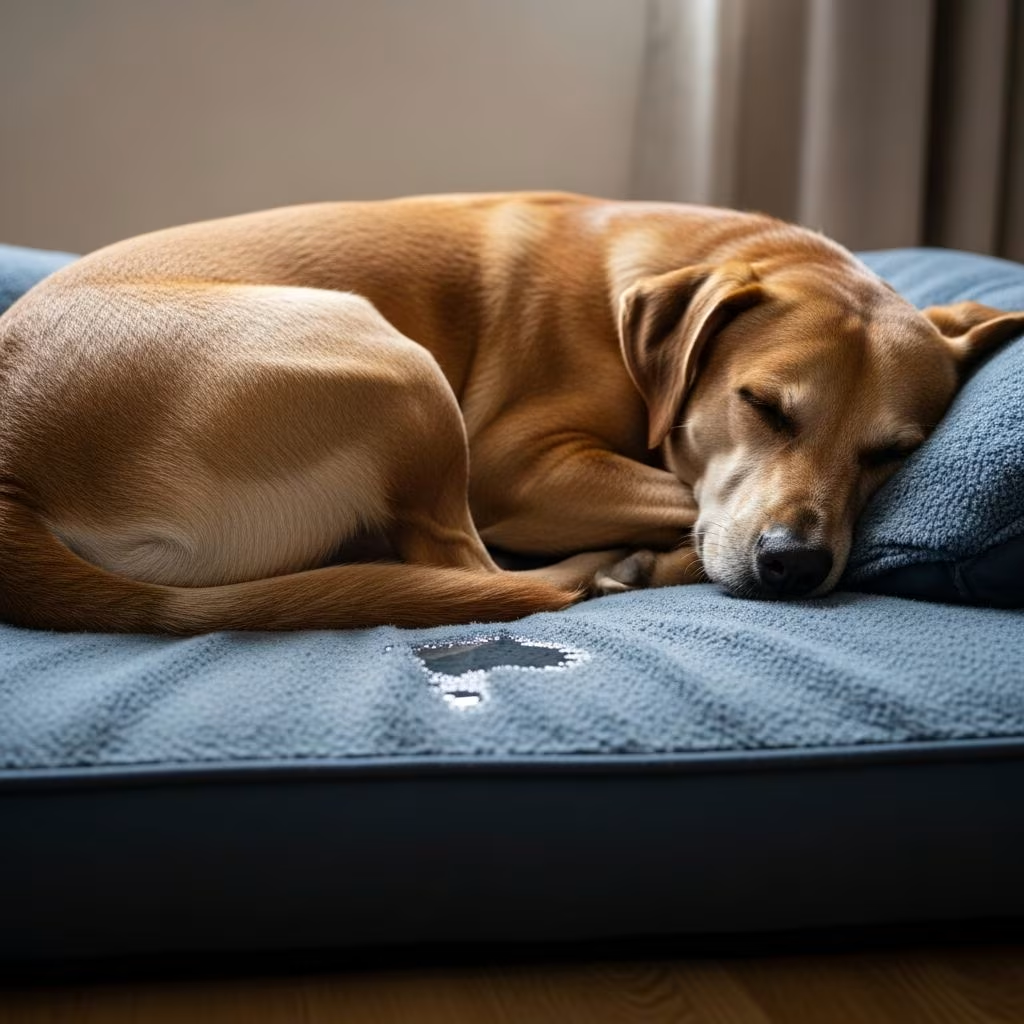
Observing your female dog leaking urine during sleep can be distressing, but it’s a frequent issue rooted in physiological changes or health conditions. This condition, known as urinary incontinence, often stems from relaxed bladder control mechanisms during rest, affecting many spayed or senior females. Understanding the triggers empowers owners to address it promptly through veterinary guidance and home adjustments.
Understanding Urinary Incontinence in Sleeping Female Dogs
Urinary incontinence occurs when a dog involuntarily releases urine, typically during deep sleep when muscles are fully relaxed. In females, this is exacerbated by anatomical differences, such as a shorter urethra, making them more susceptible than males. While occasional dribbles might seem minor, persistent episodes signal underlying problems warranting attention to prevent complications like infections.
Symptoms include damp bedding upon waking, wet fur around the vulva, or small urine puddles near sleeping spots. Unlike purposeful accidents, these leaks happen unconsciously, often leaving the dog unaware. Early detection through routine checks of bedding and hygiene areas is crucial for timely intervention.
Primary Physiological Causes
The most straightforward explanation involves the natural relaxation of the urethral sphincter during sleep. This muscle acts as a valve to retain urine; when it loosens excessively, small amounts escape. Factors amplifying this include advanced age, where muscle tone diminishes naturally, and post-spay hormonal shifts that weaken sphincter responsiveness.
- Age-Related Muscle Weakening: Senior dogs over seven years experience gradual decline in bladder muscle strength, leading to leakage.
- Hormonal Influences: Spaying removes estrogen production, which supports urethral tone; studies indicate 3-20% of spayed females develop this issue.
Common Medical Triggers
Urinary Tract Infections (UTIs)
UTIs rank high among causes, inflaming the bladder and urethra, which impairs closure during sleep. Female dogs’ anatomy predisposes them to bacterial entry. Accompanying signs include frequent urination attempts, discomfort while peeing, cloudy or bloody urine, and genital licking. Prompt antibiotic treatment resolves most cases swiftly.
Bladder Dysfunction
Conditions like overactive bladder (hypercontractility) cause involuntary contractions, expelling urine unexpectedly. Stones or tumors can obstruct flow, building pressure that releases at rest. These demand diagnostic imaging or urinalysis for confirmation.
Neurological Impairments
Disruptions in nerve signals from the brain to the bladder arise from spinal injuries, disk herniations, or degenerative diseases. Trauma or congenital defects damage control pathways, resulting in sleep-specific leaks. Veterinary neurologists may recommend MRI scans for precise diagnosis.
Less Frequent but Serious Contributors
Stress-Induced Retention
Chronic anxiety prevents full voiding before sleep, overfilling the bladder overnight. Environmental changes or separation fears heighten this risk, mimicking incontinence.
Congenital or Structural Defects
Rare anomalies like ectopic ureters—where ureters bypass the bladder—cause lifelong dribbling, worsening at night. Urethral hypoplasia, an underdeveloped tube, similarly hinders retention. Surgical correction is often viable for young dogs.
Systemic Diseases
Diabetes mellitus boosts urine production via elevated blood sugar, overwhelming capacity. Kidney disorders impair concentration, leading to dilute, frequent output. These present with polydipsia (excess thirst) and weight loss, necessitating bloodwork.
Recognizing and Differentiating Symptoms
| Symptom | Possible Cause | Action Needed |
|---|---|---|
| Damp spots on bed, no awareness | Sphincter relaxation or hormones | Monitor, vet visit if persistent |
| Painful urination, blood in urine | UTI or stones | Urgent vet exam, antibiotics |
| Weak hind legs, coordination loss | Neurological issue | Neurology referral |
| Increased thirst, appetite changes | Diabetes/kidney disease | Blood tests |
This table aids quick assessment; consult a vet for tailored evaluation, as overlaps occur.
Effective Management Strategies
Prioritize Professional Diagnosis
Schedule a veterinary exam immediately upon noticing leaks. Expect urine analysis, blood panels, ultrasound, or radiographs to pinpoint causes. Even mild cases merit checking to avert escalations like pyelonephritis (kidney infection).
Daily Routine Adjustments
- Hydration Timing: Restrict water 2-3 hours pre-bedtime, ensuring daytime access to avoid dehydration.
- Pre-Sleep Walks: Final potty break 30 minutes before sleep fully empties the bladder.
- Bladder Training: For puppies or mild cases, extend hold times incrementally during daylight.
Medical and Supplemental Interventions
Vets often prescribe phenylpropanolamine to tighten the sphincter or hormone supplements for spay-related cases. Natural aids like cranberry extracts deter UTIs, though evidence varies. Waterproof bedding protects furniture while training progresses.
Breeds and Risk Factors
Large breeds like Labradors or Golden Retrievers show higher post-spay incidence due to greater estrogen dependency. While no breed-exclusive studies exist, obesity compounds risks across all by pressuring the abdomen. Maintain ideal weight via diet and exercise to mitigate.
Long-Term Prevention and Monitoring
Regular wellness checks catch issues early. Spay timing influences risk—delaying until skeletal maturity in large breeds may help. Home hygiene prevents skin irritation from urine scald; gentle wipes suffice.
Track incidents in a log: date, amount, concurrent symptoms. This data refines treatments and reveals patterns, like post-exercise leaks signaling stones.
Frequently Asked Questions (FAQs)
Is peeing in sleep normal for female dogs?
Occasional dribbles in seniors or spays can be, but consistent episodes require vet review to rule out treatable conditions.
How do I clean my dog after a sleep accident?
Use pet-safe wipes or mild soap-water rinse on affected fur; dry thoroughly to prevent dermatitis.
Can diet influence bladder control?
Low-protein formulas reduce urine volume in some; consult vets before changes.
Will my dog outgrow this if she’s young?
Puppies often do with training, but structural issues persist without surgery.
What if medications don’t help?
Explore advanced options like collagen injections or urodynamic testing.
Prognosis and Owner Support
Most cases respond well to intervention, restoring confidence and comfort. Patience and consistency yield results; many dogs lead normal lives post-treatment. Support groups or vet behaviorists ease emotional strain on owners.
References
- Urinary Incontinence (Urethral Incontinence) in Dogs — VCA Animal Hospitals. 2023. https://vcahospitals.com/know-your-pet/urethral-incontinence-in-dogs
- Urinary Incontinence in dogs — People’s Dispensary for Sick Animals (PDSA). 2024-01-15. https://www.pdsa.org.uk/pet-help-and-advice/pet-health-hub/symptoms/urinary-incontinence-in-dogs
- Why Is My Pet Peeing in His Sleep? Q&A: Urinary Incontinence — Animal Hospital of Bethesda-Chevy Chase. 2022-06-10. https://www.ah-bc.com/why-is-my-pet-peeing-in-his-sleep-qa-urinary-incontinence/
- Why Is My Dog Peeing in Their Sleep? — ElleVet Sciences. 2023-11-20. https://www.ellevetsciences.com/blog/dog-pees-in-sleep/
- Why Is My Female Dog Peeing in Her Sleep? Vet-Reviewed Causes — Dogster (Vet Reviewed). 2024-05-12. https://www.dogster.com/dog-health-care/why-is-my-female-dog-peeing-in-her-sleep



