Female Dog Bed Peeing: Causes and Fixes
Discover why your female dog is urinating on the bed and get proven strategies to stop it, from medical checks to behavior training.
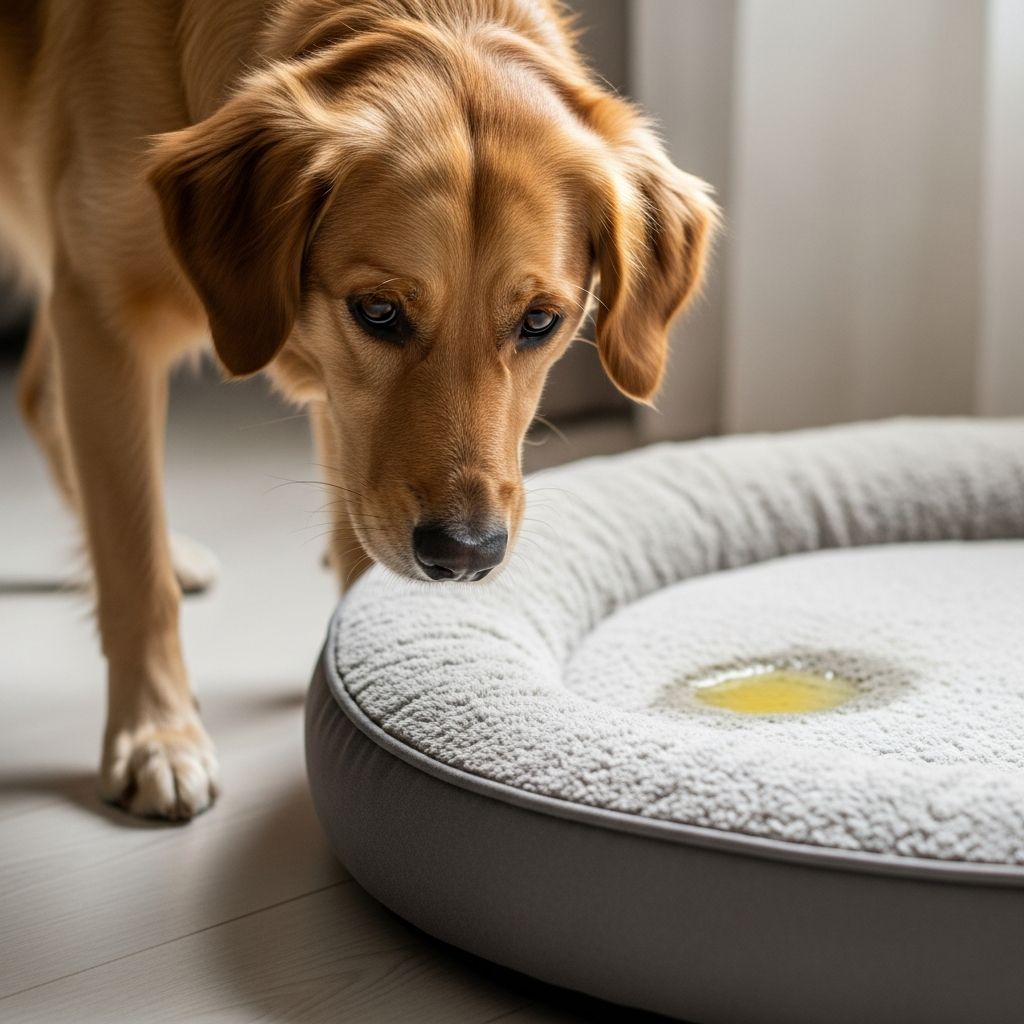
Your female dog choosing your bed as her personal bathroom can turn restful nights into frustrating ordeals. This behavior often signals underlying health problems, hormonal shifts, or emotional distress rather than simple naughtiness. Understanding the distinction between medical necessities and behavioral patterns is crucial for effective resolution.
Primary Medical Contributors to Bed Urination
Health conditions frequently underlie involuntary urination on soft, comfortable surfaces like beds. Female dogs, due to anatomical differences such as shorter urethras, face heightened risks for certain disorders.
- Urinary Tract Infections (UTIs): Bacteria invade the bladder, causing inflammation and urgency. Symptoms include frequent small leaks, straining, or blood-tinged urine. Females are particularly susceptible, leading to accidents during rest.
- Bladder Stones or Crystals: These irritants provoke sudden urges, making it hard to reach outdoors in time. Pain during urination may cause dogs to avoid fully emptying, resulting in dribbles on bedding.
- Kidney Disorders and Diabetes: Increased thirst and urine production overwhelm bladder capacity, especially overnight. Polyuria (excessive urination) manifests as puddles discovered upon waking.
Arthritis in seniors complicates matters; stiff joints prevent proper squatting, leaving residual urine that leaks during sleep. Prompt veterinary exams, including urinalysis, pinpoint these issues early.
Hormonal Imbalances Specific to Females
Spaying alters estrogen levels, weakening the urethral sphincter—the muscle valve controlling urine flow. This leads to Urethral Sphincter Mechanism Incompetence (USMI), or spay incontinence, affecting up to 20% of spayed females, typically emerging in middle age.
Intact females may experience heightened marking during estrus cycles, drawn to familiar scents on beds. Symptoms often involve leaking while sleeping or relaxed, distinguishing it from deliberate acts.
| Condition | Affected Dogs | Key Symptoms | Treatment Options |
|---|---|---|---|
| USMI/Spay Incontinence | Middle-aged/older spayed females | Dribbling in sleep, no awareness | Hormone supplements, meds like PPA |
| UTI | All females, esp. young/seniors | Frequent urges, discomfort | Antibiotics, diet changes |
| Bladder Stones | Any age | Painful urination, blood | Surgery, stone-dissolving diets |
Behavioral and Emotional Triggers
Not all bed peeing stems from physical ailments; stress responses play a significant role. Dogs seek comfort in owner-scented areas during distress, inadvertently urinating there.
- Separation Anxiety: Pups left alone pace, whine, and eliminate on beds for reassurance. Accompanying signs: destruction, vocalizing.
- Territorial Marking: New pets, visitors, or stray scents prompt small squirts to claim space. Beds, high-traffic scent hubs, become targets.
- Submissive or Excitement Urination: Young or timid females leak when greeted enthusiastically or scolded, associating beds with safety.
Environmental shifts—moves, fireworks, routine changes—exacerbate these, turning secure spots into accident zones.
Age-Specific Patterns and Considerations
Puppies and Young Females
Immature bladders hold less volume; excitement overrides control upon jumping onto inviting beds. Inconsistent training reinforces the habit, especially if soft surfaces mimic whelping areas.
Senior Dogs
Cognitive decline (canine dementia) erases house rules, while weakened muscles cause nocturnal leaks. Multi-factorial issues demand holistic assessments.
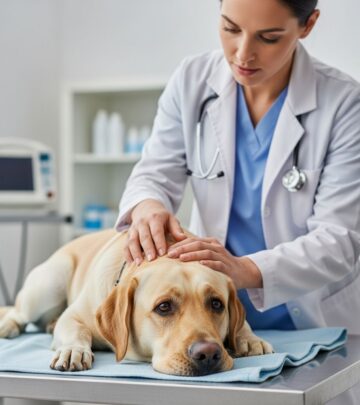
Diagnostic Steps: When to Call the Vet
Rule out medical causes first. Track incidents: timing (sleep vs. awake), volume (puddles vs. dribbles), accompanying behaviors (straining, licking). Collect urine samples mid-stream for analysis.
Expect vet protocols:
- Physical exam and history review.
- Urinalysis/culture for infections.
- Bloodwork for systemic diseases.
- Imaging (ultrasound/X-ray) for stones/tumors.
Early intervention prevents complications like chronic kidney damage.
Effective Management Strategies
Medical Interventions
Treatments target root causes:
- Antibiotics for UTIs (7-14 days).
- Phenylpropanolamine (PPA) or estrogen therapy for USMI, with 80-90% success rates.
- Dietary prescriptions dissolve stones; surgery for stubborn cases.
Behavioral Modifications
Counter-condition anxiety:
- Confine off-bed with crates or baby gates during absences.
- Desensitize departures: short exits with treats, building tolerance.
- Pheromone diffusers (Adaptil) calm nerves.
Reinforce potty training: frequent outdoor breaks, praise successes. Enzyme cleaners erase scent cues.
Home Adjustments for Prevention
Practical tweaks minimize risks:
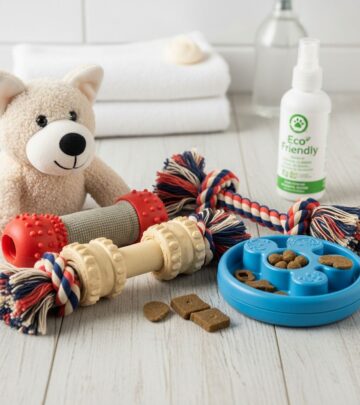
- Water Management: Reduce evening intake; use puzzle feeders to slow consumption.
- Bed Protection: Waterproof mattress covers, elevated crates for seniors.
- Comfort Alternatives: Orthopedic beds with absorbent layers encourage proper resting spots.
- Routine Stability: Predictable schedules reduce stress triggers.
Long-Term Monitoring and Prognosis
Most cases resolve with combined vet care and training. Recheck-ups ensure treatments work; adjust for non-responders. Lifestyle integrations—like daily walks—bolster bladder tone and mental health.
Monitor for red flags: weight loss, lethargy, vomiting signal escalations needing immediate attention.
Frequently Asked Questions (FAQs)
Is bed peeing always a health problem?
No, but start with a vet visit to exclude medical issues before assuming behavior.
How do I know if it’s USMI?
Leaks during sleep in spayed females, without straining or frequency, point to sphincter weakness.
Can diet help prevent this?
Yes, UTI-preventive formulas with cranberries or controlled minerals reduce recurrence.
What if training doesn’t work?
Consult behaviorists for anxiety; meds like Prozac may aid severe cases.
Will my unspayed female do this too?
Less common, but heat cycles or infections can trigger similar accidents.
References
- Why is My Dog Peeing on My Bed? Common Reasons and Solutions — Ezydog. 2023. https://ezydog.com.au/blogs/news/dog-peeing-on-bed
- Why Is My Dog Peeing on My Bed? Causes & Solutions — Petfolk. 2024. https://petfolk.com/petfolklore/why-is-my-dog-peeing-on-my-bed
- Why Is My Female Dog Peeing On My Bed? — Whole Dog Journal. 2023. https://www.whole-dog-journal.com/health/why-is-my-female-dog-peeing-on-my-bed/
- Why Do Dogs Pee on Beds? — American Kennel Club (AKC). 2024. https://www.akc.org/expert-advice/training/dog-pees-on-bed/
- Why is My Dog Peeing in His Sleep? — WagWalking. 2023. https://wagwalking.com/symptom/why-is-my-dog-peeing-in-his-sleep
Similar Articles




Read full bio of medha deb