

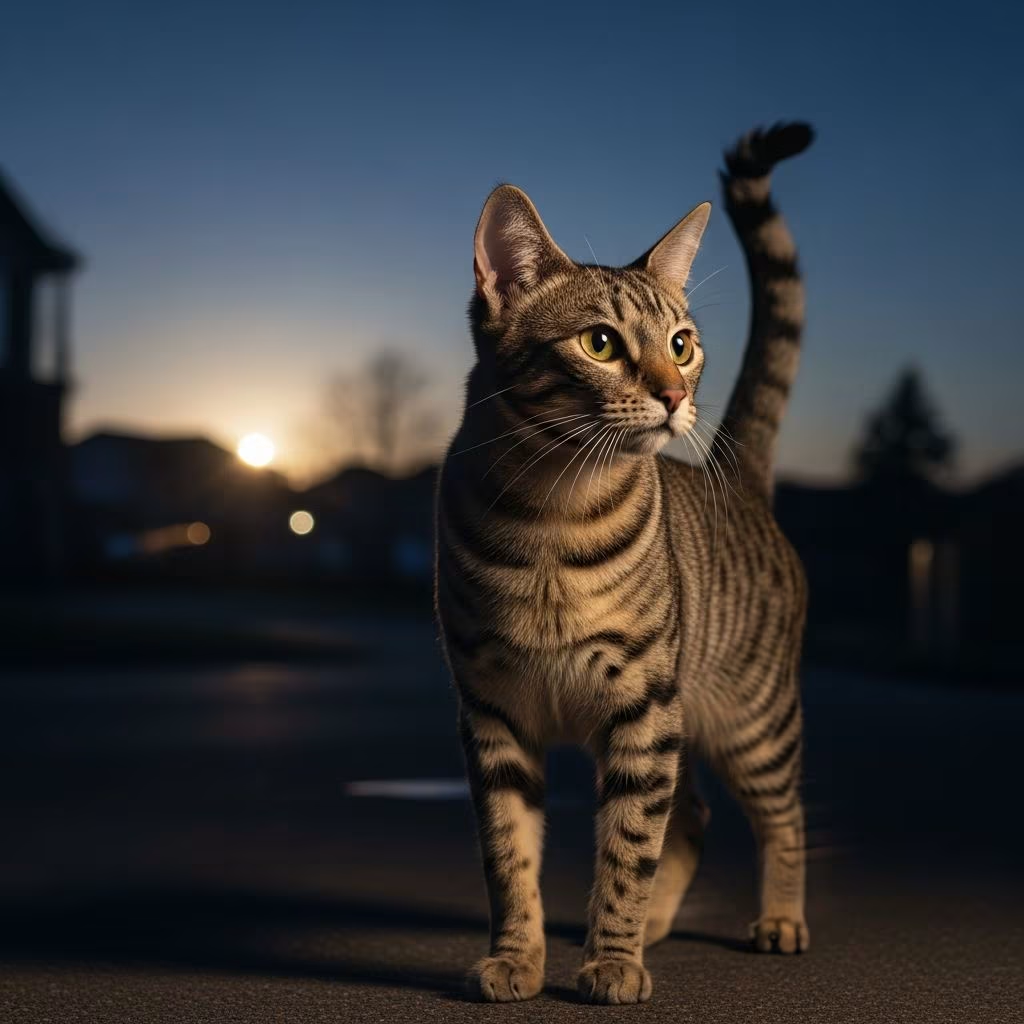
Female cats in heat, driven by instinctual urges, can roam significant distances—often up to a mile or more—to attract mates through pheromone signals detectable by males from afar.
The Biological Drive Behind Feline Roaming
During estrus, the reproductive phase known as being “in heat,” female cats release potent pheromones that males can sense over long ranges. This chemical communication triggers males to travel 1-2 miles or farther, depending on conditions like wind and terrain. Indoor females may attempt escapes, while outdoor ones venture boldly, increasing risks from traffic, fights, or diseases.
The vomeronasal organ in cats amplifies this detection, making scents travel efficiently. Environmental factors such as breeze direction can extend effective range, while urban obstacles might limit it.
Understanding the Feline Heat Cycle Timeline
Female cats experience heat cycles seasonally, typically from late winter to fall in temperate regions. Each estrus lasts 4-10 days on average, recurring every 2-3 weeks without mating or spaying. Indoor cats or those in constant light may cycle year-round.
| Stage | Duration | Key Characteristics |
|---|---|---|
| Proestrus | 1-2 days | Initial hormone surge; subtle behavior shifts. |
| Estrus (Peak Heat) | 4-7 days (up to 21) | Ovulation possible; intense mating calls and roaming. |
| Interestrus | Variable | Rest period before next cycle. |
Breeds vary: short-haired cats mature earlier (5-9 months), entering heat sooner. Continuous exposure to males can prolong cycles.
Behavioral Signals of a Cat in Estrus
Owners notice distinct changes signaling heat. These vocal and physical cues advertise availability widely.
- Loud Vocalizations: Persistent yowling or meowing, especially at night, to lure toms.
- Restlessness and Escaping: Pacing, door-scratching, or bolting outside to roam.
- Affectionate Displays: Rubbing, rolling, and belly exposure for attention.
- Tail and Posture Changes: Elevated hindquarters with side-to-side tail flicking during petting.
- Marking Habits: Frequent urination or spraying on surfaces to spread pheromones.
- Grooming and Appetite Shifts: Excessive licking; reduced eating.
These persist until mating occurs or the cycle ends naturally, often disrupting household peace.
Factors Influencing Roaming Range
Not all cats travel equally far. Several elements modulate distance:
- Wind and Weather: Favorable gusts carry scents miles; calm air restricts them.
- Terrain and Urban Density: Open areas allow farther travel; cities confine via barriers.
- Prior Experience: Cats familiar with scents may navigate quicker.
- Age and Health: Younger, fit cats roam boldly; older ones less so.
- Population Density: High tomcat areas draw females shorter distances.
Males respond aggressively, sometimes fighting en route, heightening dangers for all.
Health and Safety Risks of Uncontrolled Roaming
Roaming exposes cats to perils. Unspayed females risk:
- Traffic Accidents: Distracted by urges, crossing roads heedlessly.
- Feline Conflicts: Injuries from tomcat brawls over access.
- Disease Transmission: FIV, FeLV via bites or mating.
- Unwanted Litters: Multiple paternities per heat, straining resources.
- Predation or Starvation: Exhaustion from long treks.
Annual heats amplify cumulative risks. Spaying eliminates these by halting cycles post-puberty.
Strategies for Managing Heat at Home
Keep females indoors during heat. Additional tips include:
- Environmental Enrichment: Toys, scratching posts to redirect energy.
- Comfort Measures: Quiet spaces, pheromone diffusers mimicking calming scents.
- Veterinary Consultation: Hormone therapies rare; spay recommended.
- Noise Reduction: White noise machines for yowling.
Avoid breeding unless experienced; overpopulation burdens shelters.
Benefits of Spaying Your Female Cat
Spaying (ovariohysterectomy) removes ovaries and uterus, preventing heat entirely. Advantages:
| Benefit | Impact |
|---|---|
| Eliminates Roaming/Heat | No more escapes or behaviors. |
| Cancer Prevention | Reduces mammary/uterine tumors by 90% if early. |
| Longevity Boost | Spayed cats live 1-3 years longer on average. |
| Behavioral Calm | Less aggression, marking. |
Optimal timing: 4-6 months, pre-first heat. Recovery quick; monitor post-op.
When to Consult a Veterinarian
Seek help if:
- Heat exceeds 21 days.
- No cycles by 12 months.
- Associated lethargy, discharge, or appetite loss—possible pyometra.
- Post-spay heat persistence (rare hormone remnants).
Regular check-ups ensure reproductive health.
FAQs
How far can a female cat roam in heat?
Up to 1-2 miles, guided by pheromones males detect similarly.
How long does a single heat last?
Typically 4-10 days, varying by individual.
Can indoor cats go into heat?
Yes, year-round if light-consistent; outdoors seasonally.
Does spaying stop heat immediately?
Yes, cycles cease post-recovery.
Are heat behaviors painful?
Uncomfortable frustration, not acute pain; resolves post-mating or cycle end.
Comparing Heat Cycles: Cats vs. Dogs
| Aspect | Cats | Dogs |
|---|---|---|
| Cycle Frequency | Every 2-3 weeks seasonally | 1-2 times/year |
| Duration | 4-10 days | 2-4 weeks |
| Roaming Tendency | High, miles away | Moderate |
| Spay Timing | Pre-puberty ideal | Similar |
Cats’ induced ovulation requires mating stimulus, prolonging cycles unlike dogs.
References
- How Far Can Cats Sense Females in Heat? Vet-Verified Facts & FAQ — Hepper. 2023. https://articles.hepper.com/how-far-can-cats-sense-females-in-heat/
- How Long Are Female Cats In Heat? — Rover.com. 2023. https://www.rover.com/blog/how-long-are-cats-in-heat/
- What Does The Heat Cycle In A Cat Mean And How Long Does It Last? — Traveling Tails. 2023. https://travelingtails.com/what-does-the-heat-cycle-in-a-cat-mean-and-how-long-does-it-last/
- Cat in heat: signs, duration and useful tips — Oasy. 2023. https://www.oasy.com/en/pet-news/relationship/cat-in-heat-signs-duration-and-useful-tips
- Cat Heat Cycles — Revival Animal Health. 2023. https://www.revivalanimal.com/learning-center/feline-heat-cycle
- All You Need to Know About Breeding Timing in Cats — PetCareRx. 2023. https://www.petcarerx.com/article/all-you-need-to-know-about-breeding-timing-in-cats/5361



