
Female Cat Reproductive Issues: Essential Guide For Owners
Comprehensive guide to understanding and managing breeding challenges in queens from anatomy to disorders.
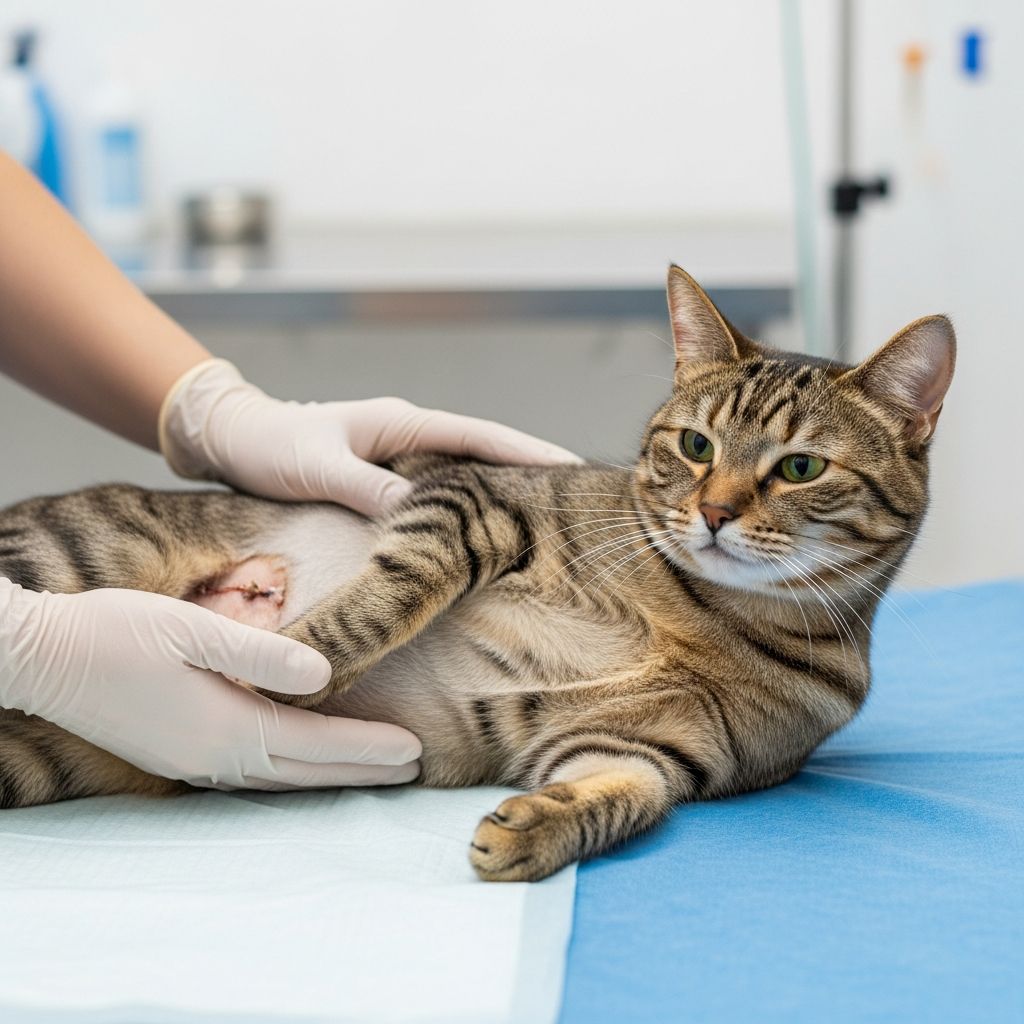
Female cats, known as queens, face a range of reproductive challenges that can impact their health and breeding success. These issues span anatomical abnormalities, hormonal disruptions, infections, and complications during pregnancy or birth. Early detection and veterinary intervention are crucial for managing these conditions effectively.
Understanding the Female Cat Reproductive Anatomy
The reproductive system in queens is finely tuned for induced ovulation and multiple pregnancies. Key components include paired ovaries located near the kidneys, which produce eggs and hormones like estrogen and progesterone. These connect via slender oviducts—also called fallopian tubes—to a distinctive Y-shaped uterus with long horns ideal for litter-bearing. The uterus narrows at the cervix, which guards against ascending infections, leading to the vagina and external vulva.
Mammary glands, numbering eight in pairs along the abdomen, support nursing. During heat cycles, follicles in the ovaries mature under hormone influence, releasing eggs only upon mating stimulation—a unique trait in cats. This setup enables rapid reproduction but predisposes queens to specific disorders if imbalances occur.
Disruptions in Estrous Cycles
Queens typically enter puberty around 6-12 months and cycle seasonally in longer daylight. Failure to exhibit heat signs—such as vocalizing, rolling, or urine marking—signals potential problems. Causes include silent heats, where subtle signs go unnoticed, or true anestrus from short days, malnutrition, or stress.
- Hormonal imbalances: Insufficient follicle-stimulating hormone delays follicle growth.
- Environmental factors: Artificial lighting or poor diet suppresses cycles.
- Pathological issues: Ovarian cysts or remnants post-spay can mimic or block cycles.
Diagnosis involves history, vaginal cytology, and hormone assays. Treatment might include hormone therapy or cycle induction, though breeding suitability must be assessed.
Infections of the Reproductive Tract
Bacterial invasions pose significant threats. Vaginitis, often from poor hygiene or trauma, presents with discharge and licking. More critically, metritis—inflammation of the uterus post-whelping—arises from retained placentas or difficult births, causing fever, lethargy, and foul discharge.
Pyometra, a life-threatening pus accumulation in the uterus, typically strikes unsprayed older queens during diestrus when progesterone thickens the uterine lining, trapping bacteria. Open pyometra shows vaginal discharge; closed cases lead to systemic toxemia. Symptoms include thirst, vomiting, and abdominal swelling. Radiographs and ultrasound confirm diagnosis; emergency ovariohysterectomy is standard, with antibiotics for milder cases.
| Condition | Symptoms | Treatment |
|---|---|---|
| Vaginitis | Discharge, discomfort | Cleaning, antibiotics |
| Metritis | Fever, foul discharge | Antibiotics, fluids |
| Pyometra | Lethargy, PU/PD | Surgery, supportive care |
Benign and Malignant Growths
Tumors affect the tract variably. Benign ovarian cysts cause persistent estrus or anestrus, treated by removal if symptomatic. Uterine stump pyometra occurs post-incomplete spay, mimicking full pyometra.
Malignant tumors like adenocarcinoma arise in ovaries or uterus, more common in intact queens. Leiomyomas, benign uterine smooth muscle tumors, rarely cause issues unless obstructing. Diagnosis relies on ultrasound, biopsy, and staging. Surgery offers the best prognosis, supplemented by chemotherapy for metastases.
Pregnancy and Parturition Complications
Queens carry litters of 3-5 kittens for 63-65 days. Early pregnancy loss links to chromosomal errors or infections like feline leukemia virus. Mid-term absorption shows reduced appetite and vaginal discharge.
Dystocia—difficult birth—affects 5-10% of cases, often from large kittens, malposition, or uterine inertia. Signs include prolonged labor (>4 hours between kittens) or active straining without progress. Interventions range from oxytocin for inertia to cesarean section.
- Maternal factors: Small pelvis, exhaustion.
- Fetal factors: Oversized, dead kittens.
Postpartum issues include eclampsia (milk fever) from calcium depletion, manifesting as tremors and seizures, treated with IV calcium.
Diagnostic Approaches for Reproductive Problems
Vets employ multifaceted tools:
- History and exam: Cycle patterns, breeding records, vulvar inspection.
- Imaging: Ultrasound detects fluid, masses, fetuses; radiographs assess skeletal maturity or litter size.
- Laboratory tests: Progesterone levels confirm ovulation/pregnancy; cytology reveals infection; cultures identify pathogens.
- Endoscopy: Visualizes vagina/cervix for subtle lesions.
These pinpoint issues accurately, guiding targeted therapy.
Preventive Strategies for Optimal Breeding Health
Spaying before first heat slashes pyometra and tumor risks by 90%. For breeders:
- Screen for genetic diseases via pedigrees.
- Maintain nutrition with taurine-rich diets.
- Vaccinate against core diseases.
- Limit litters to 3-4 per queen.
Regular exams catch silent issues early. Post-whelping checks prevent metritis.
Frequently Asked Questions (FAQs)
What causes a queen to not go into heat?
Common culprits are age, season, stress, obesity, or ovarian dysfunction. Consult a vet for hormone evaluation.
Is pyometra fatal?
Yes, if untreated, due to sepsis. Prompt surgery saves most queens.
Can spayed cats develop reproductive issues?
Ovary remnant syndrome or vaginal anomalies occur rarely, causing hormone-like signs.
How do I know if my cat is pregnant?
Ultrasound at 21 days or palpation at 25 days confirms. Weight gain and nipple changes appear later.
Should I breed my cat every cycle?
No—rest cycles prevent exhaustion and complications. Aim for 1-2 litters yearly max.
Emerging Research and Future Directions
Studies explore progesterone receptor modulators for pyometra and genetic markers for dystocia risk. Advances in minimally invasive surgery improve outcomes for tumors. Owners benefit from informed breeding practices.
References
- The Gonads and Genital Tract of Cats — Merck Veterinary Manual. 2023. https://www.merckvetmanual.com/cat-owners/reproductive-disorders-of-cats/the-gonads-and-genital-tract-of-cats
- Structure and Function of the Female Feline Reproductive Tract — PetPlace. 2022-10-15. https://www.petplace.com/article/cats/pet-health/structure-and-function-of-the-female-feline-reproductive-tract
- Female Cats: Normal Reproduction, and Reproductive Diseases — Veterian Key. 2021. https://veteriankey.com/female-cats-normal-reproduction-and-reproductive-diseases-and-conditions-2/
- Normal Reproductive Tract of the Queen/female Cat — Vet Repro Path. 2020. http://vetrepropath.com/female/cat/normal_queen.html
- Normal feline reproduction: The queen — PMC (NCBI). 2024-01-15. https://pmc.ncbi.nlm.nih.gov/articles/PMC10845401/
Similar Articles








Read full bio of Sneha Tete




