
Female Budgie Health: Care Guide & Reproductive Issues
Essential health care tips for female budgies: managing reproductive issues and ensuring optimal wellness.
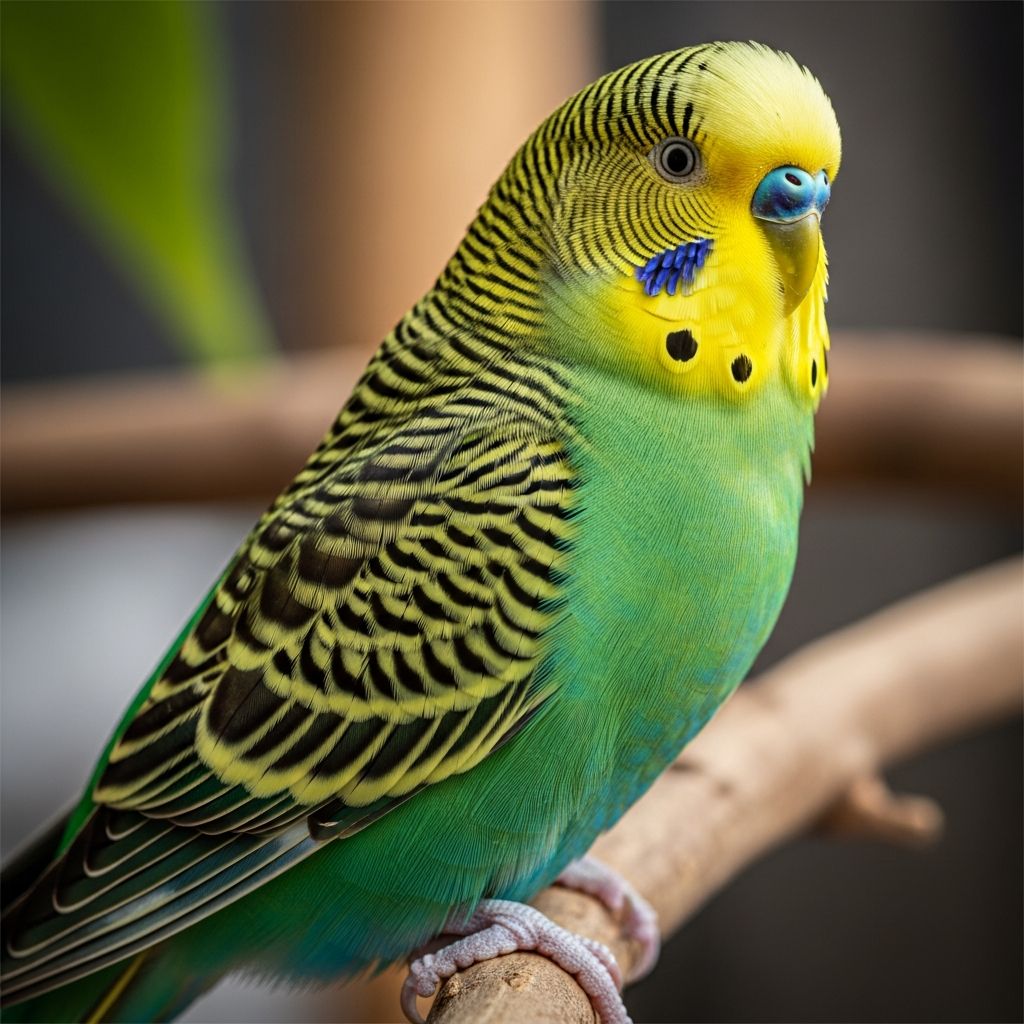
Understanding Female Budgie Health
Female budgies have unique health considerations that differ from their male counterparts. Understanding these differences is essential for providing optimal care and preventing serious health complications. Female budgies are particularly susceptible to reproductive disorders, hormonal imbalances, and behavioral changes that can significantly impact their overall well-being. As a responsible pet owner, recognizing the signs of health problems early can make a tremendous difference in your bird’s quality of life and longevity.
Common Health Issues in Female Budgies
Female budgies are prone to several specific health conditions that require attention and proper management. Understanding these common issues helps you identify problems before they become serious.
Reproductive Health Concerns
One of the most significant health challenges female budgies face involves their reproductive system. Egg-binding, a condition where a female is unable to expel an egg, represents one of the most serious reproductive emergencies in pet budgies. This condition can be life-threatening and requires immediate veterinary attention. Additionally, female budgies can develop ovarian cysts, which may lead to hormonal disruptions and behavioral changes.
Calcium Deficiency and Bone Health
Calcium is particularly important for female budgies, especially those that are breeding or laying eggs. A deficiency in calcium can lead to weakened bones, poor egg quality, and metabolic bone disease. Providing calcium-rich foods such as cuttlebone, mineral blocks, and dark leafy greens is essential for maintaining proper bone health and supporting reproductive function.
Behavioral Changes and Hormonal Fluctuations
Female budgies often exhibit behavioral changes that are directly linked to hormonal fluctuations. These changes may include increased aggression, feather plucking, excessive vocalization, or increased territorial behavior. Understanding that these behaviors are often hormone-driven rather than personality-based is crucial for proper management.
Recognizing Signs of Health Problems
Early detection of health issues is vital for female budgies. Knowing what to look for can help you catch problems before they escalate. Monitor your female budgie for the following warning signs:
- Lethargy or decreased activity levels
- Loss of appetite or changes in eating habits
- Changes in feather condition, including feather plucking or ruffled appearance
- Difficulty breathing or respiratory distress
- Abnormal droppings or changes in waste consistency
- Unusual behavior or personality changes
- Swelling around the abdomen or vent area
- Discharge from eyes, nostrils, or vent
Managing Light Exposure and Reproductive Cycles
One of the most effective ways to manage reproductive health in female budgies is through light cycle management. Natural light cycles play a crucial role in triggering reproductive behavior in birds. For breeding females, veterinarians often recommend limiting light exposure to 8-10 hours per day to help prevent unwanted egg-laying and reduce stress-related behaviors. This adjustment can significantly decrease hormone-driven behaviors and health complications related to excessive egg production.
For non-breeding females, maintaining a consistent 12-hour light and 12-hour darkness cycle helps maintain normal biological rhythms and supports overall health. This consistency is important for regulating sleep patterns, metabolism, and hormonal balance.
Nutritional Requirements for Female Budgies
Balanced Diet Foundation
A proper diet is fundamental to female budgie health. The ideal budgie diet should consist of:
| Diet Component | Percentage | Examples |
|---|---|---|
| Pelleted Diet | 75-100% | Harrison’s, Zupreme, Roudybush, Lafeber |
| Natural Diet | 15-25% | Vegetables, legumes, grains, fruits |
| Treats | 10% | Seeds (limited) |
Protein and Calcium Needs
Female budgies require adequate protein for muscle development and maintenance. High-quality protein sources include boiled eggs and specially formulated bird food. Protein becomes especially important during molting periods when females replace their feathers.
Calcium is critical for female budgies, particularly those that breed or are prone to laying eggs. Calcium deficiency can lead to serious health complications, including poor egg quality and metabolic bone disease. Ensure your female budgie has constant access to calcium sources such as cuttlebone, mineral blocks, or calcium-fortified pellets.
Avoiding Obesity and Fatty Liver Disease
Female budgies are particularly susceptible to obesity and fatty liver disease (hepatic lipidosis). These conditions can severely compromise health and longevity. Monitor food consumption carefully and encourage regular exercise through social interaction and activities. All diet conversions should be made gradually, with careful monitoring of food intake and weight.
Grooming and Hygiene for Female Budgies
Bathing Recommendations
Bathing is essential for maintaining healthy feathers and skin in female budgies. Budgies should be offered bathing opportunities multiple times per week. In warmer weather, daily baths may be enjoyed, while in cooler conditions, 3-5 times weekly is appropriate. You can provide a shallow dish of lukewarm water in the cage or use a light misting with a spray bottle if your budgie is hesitant about direct water contact.
Feather Care and Maintenance
Healthy feathers are crucial for a budgie’s well-being, providing insulation, enabling flight, and regulating body temperature. Female budgies naturally preen their feathers to remove dirt and spread natural oils. Support this process by providing a balanced diet rich in vitamins and minerals that promote strong, healthy plumage. Monitor for changes in grooming habits, as this can indicate underlying health issues.
Nail and Wing Trimming
Regular nail trimming allows for more comfortable handling and prevents snagging on fabrics and cage decorations. Routine wing trimming is encouraged to prevent escape and injury, though this will need to be repeated every few months as flight feathers naturally regrow. Healthy budgies typically maintain their beaks naturally through daily use and do not require routine beak trimming.
Common Female Budgie Health Conditions
Bacterial and Fungal Infections
Female budgies can be susceptible to bacterial and fungal infections, particularly if their environment isn’t kept clean. Common infections include bumblefoot (a bacterial infection of the feet) and candidiasis (a fungal infection affecting the digestive tract). Regularly cleaning your budgie’s cage, providing fresh food and water, and maintaining good hygiene can help prevent these infections. If you notice any swelling, redness, or abnormal droppings, consult your vet for treatment options.
Other Common Health Issues
Female budgies are prone to several other health concerns that require attention:
- Tumors and cancer
- Liver disorders
- Foot disorders
- Scaly mites (affecting skin on face, legs, and eyes)
- Intestinal parasites
- Goiters (from iodine deficiency)
- Psittacosis (parrot fever)
- Respiratory infections
Many of these conditions result from an all-seed diet. To avoid these issues, a balanced diet that includes enough pellets, fresh vegetables, and fruits is recommended.
Veterinary Care for Female Budgies
Annual Examinations
An annual physical examination by a board-certified avian or exotic animal practitioner is essential for maintaining female budgie health. During the exam, the veterinarian may perform a fecal test to look for intestinal parasites and bacteria. These annual check-ups establish a relationship with an avian vet that can be invaluable during emergencies and for long-term geriatric care.
Initial Health Assessment
When introducing a new female budgie to your home, schedule an initial veterinary visit for a thorough checkup. A veterinarian can diagnose any existing issues and provide treatment plans tailored to your bird’s specific needs. If the vet prescribes medication, ensure you follow their instructions carefully, administering the correct dosage at the right times.
Infectious Disease Testing
Testing for infectious diseases such as Psittacosis (which can be contracted by humans), Avian Borna Virus (ABV), and Psittacine Beak and Feather Disease (PBFD) is important when introducing new birds to your home or flock.
Signs of a Healthy Female Budgie
Knowing what a healthy female budgie looks like helps you identify problems early. Healthy budgies should display:
- Ideal body condition (as recommended by your veterinarian)
- Smooth, brightly colored feathers
- Clear, bright eyes
- No nasal discharge or discoloration above the nares
- Smooth skin without cracked, swollen, or thickened areas
- No sticky material or discoloration around the vent
- No visible swellings
- Formed droppings of green-brown color with a small amount of white and minimal wetness
Water and Hydration
Fresh, clean water should always be available to your female budgie. Change their water daily to prevent contamination, and regularly clean the water dish to avoid bacterial growth. Hydration is especially important for budgies, as they can become dehydrated quickly. Provide fresh water daily and ensure it’s easily accessible in the cage.
Environmental Considerations
Creating an appropriate environment is essential for female budgie health. Maintain proper temperature ranges, provide adequate space for flight and movement, and ensure the cage is cleaned regularly. The living space should be free from toxic fumes, drafts, and excessive noise that could stress your bird.
Frequently Asked Questions
Q: What behavioral changes should I expect from my female budgie?
A: Hormonal changes can cause behavioral shifts including increased aggression, feather plucking, excessive vocalization, and territorial behavior. Adjusting light cycles and providing environmental enrichment can help manage these behaviors.
Q: How can I prevent egg-binding in my female budgie?
A: Ensure adequate calcium intake, maintain proper nutrition, provide appropriate light cycles (8-10 hours for breeding females), and monitor for signs of reproductive distress. Consult with an avian veterinarian about prevention strategies tailored to your bird.
Q: What is the best diet for a female budgie?
A: The ideal diet consists of 75-100% high-quality pellets, 15-25% natural foods (vegetables, legumes, grains, fruits), and 10% treats. Ensure adequate calcium and protein, especially if your female is breeding.
Q: How often should I take my female budgie to the veterinarian?
A: Annual check-ups are essential for all female budgies. Additionally, seek veterinary care immediately if you notice any signs of illness, reproductive distress, or behavioral changes.
Q: What does light cycle management accomplish?
A: Limiting light to 8-10 hours daily for breeding females helps reduce reproductive hormone production, decreasing egg-laying frequency and hormone-driven behaviors like aggression and feather plucking.
Q: How can I tell if my female budgie is sick?
A: Monitor for lethargy, loss of appetite, feather plucking, respiratory distress, abnormal droppings, behavioral changes, swelling, or discharge. Any of these signs warrant a veterinary visit.
References
- Budgie Care Guide — Long Island Bird & Exotics Veterinary Clinic. 2024. https://www.birdexoticsvet.com/budgie-care-guide
- The Vet’s Guide to Budgies: Facts, Care, and Habitat Tips — VetsLovePets. 2024. https://vetslovepets.com.au/blogs/bird/budgies-breed-guide
- Budgie Care — Chicago Exotics Animal Hospital. 2024. https://www.exoticpetvet.com/budgie-care.html
- Budgie Care Sheet — PetMD. 2024. https://www.petmd.com/bird/budgie-care-sheet
- Budgie Care 101 – Diet, Enrichment, and Health — ZuPreem Pet. 2024. https://zupreem.com/budgie-care-101-diet-enrichment-and-health/
- BUDGIE CARE: The Complete Guide to Happy & Healthy Parakeets — Educational Video Resource. 2024. https://www.youtube.com/watch?v=Wf9zc9v6wUI
Similar Articles








Read full bio of Sneha Tete


