

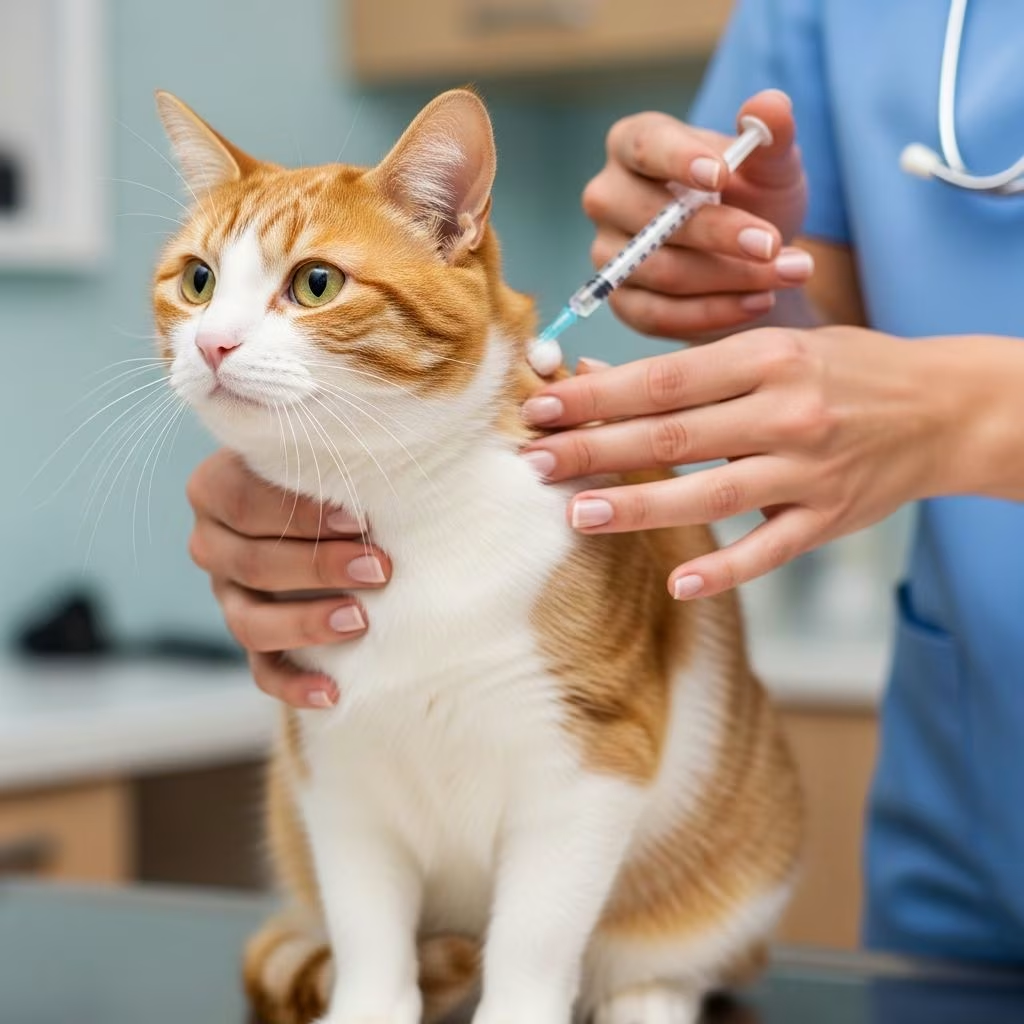
Feline Leukemia Virus (FeLV) poses a significant threat to cats, compromising their immune systems and leading to severe health complications. Vaccines offer a crucial line of defense, particularly for cats at risk of exposure. This article delves into the nature of FeLV, its impacts, prevention strategies, and the pivotal role of vaccination in maintaining cat health.
The Nature and Impact of Feline Leukemia Virus
FeLV targets a cat’s blood cells by infiltrating bone marrow and lymph tissues, disrupting red blood cells, white blood cells, and platelets essential for oxygen transport, infection fighting, and waste removal. This invasion weakens the immune response, making cats susceptible to secondary infections in skin, respiratory, and urinary systems, while also promoting cancers like lymphoma.
Unlike more resilient viruses, FeLV survives only briefly outside the body, emphasizing direct cat-to-cat contact as the primary transmission route. It progresses through stages: initial replication in the tonsils, potential clearance by a strong immune system in about one-third of cases, or spread to lymph nodes and intestines in others, leading to viral shedding via saliva and feces.
Recognizing FeLV Symptoms in Cats
Early FeLV infection often shows no overt signs, allowing the virus to establish before symptoms emerge. As it advances, cats display a range of indicators stemming from anemia, immune suppression, and organ involvement.
- Pale gums signal anemia from reduced red blood cell production.
- Weight loss and decreased appetite reflect systemic illness and metabolic disruption.
- Poor coat condition, such as dry, brittle fur, results from neglect due to lethargy.
- Enlarged lymph nodes indicate viral proliferation in immune tissues.
- Recurrent infections in respiratory, urinary, or skin areas due to weakened defenses.
- Fever, diarrhea, and oral inflammation like gingivitis further compromise health.
These symptoms overlap with other conditions, necessitating veterinary diagnosis. Young cats and kittens face higher risks, with infected mothers transmitting the virus in utero or via milk. Without intervention, progressive infections shorten lifespan dramatically, with 85% of persistently infected cats succumbing within three years.
How FeLV Spreads Among Cats
Transmission occurs mainly through saliva during mutual grooming, shared bowls, or bite wounds from fights. Close household contact amplifies risk, as does introducing untested cats. Environmental persistence is limited to hours, reducing indirect spread.
Maternal transmission heightens vulnerability in litters, while outdoor roaming exposes unvaccinated cats to infected strays. Importantly, FeLV affects only cats and poses no risk to humans, dogs, or other pets. About 70% of exposed cats resist or eliminate the virus, but the rest develop persistent or regressive infections with varying survival outcomes.
| Stage | Description | Prevalence/Outcome |
|---|---|---|
| Initial | Virus replicates in tonsils; minimal symptoms | ~1/3 cats clear it |
| Spread | Moves to lymph/intestines; shedding begins | 2/3 progress further |
| Regressive | Virus latent; longer survival | Carrier state, low shedding |
| Progressive | Virus in blood; symptoms evident | High mortality |
Diagnosing FeLV: Testing Essentials
Veterinarians use ELISA tests to detect viral antigens in blood, yielding results within weeks of exposure. Positive results indicate active circulation, but retesting confirms persistence, as some cats clear the virus. For positives, staging via PCR distinguishes regressive from progressive cases, guiding management.
Screen new cats before integration, especially multi-cat homes. Kittens from at-risk mothers require early and repeat testing. False negatives are rare after 28 days, but initial positives warrant confirmation.
Vaccination: The Cornerstone of FeLV Prevention
FeLV vaccines stimulate immunity against the virus, recommended for at-risk cats like outdoor roamers or those in multi-cat environments. Administered from 8-9 weeks, with boosters at 3-4 week intervals and annually thereafter, they reduce infection risk significantly.
Not core for all indoor cats, but lifestyle assessments determine need. Vaccines don’t treat existing infections but prevent initial establishment, complementing testing and isolation. Efficacy varies, yet they markedly lower disease incidence in vaccinated populations.
Caring for FeLV-Positive Cats
Positive cats thrive indoors, isolated from negatives to curb spread. Prompt antibiotic treatment for secondary infections is vital, given immune compromise. Nutritional support combats weight loss, while regular vet checkups monitor lymph nodes, anemia, and cancers.
Some live years with diligent care, prioritizing quality of life. Avoid raw diets to minimize bacterial risks, and spay/neuter to prevent maternal transmission.
FeLV vs. FIV: Key Distinctions
| Aspect | FeLV | FIV |
|---|---|---|
| Transmission | Saliva, grooming, milk | Bite wounds mainly |
| Immune Effect | Blood cells, cancer risk | Gradual immune decline |
| Vaccine | Available | None |
| Human Risk | None | None |
While both weaken immunity, FeLV spreads more readily and has a vaccine, unlike FIV.
FAQs on FeLV and Vaccines
Is FeLV curable?
No cure exists; management focuses on supportive care.
Should all cats get FeLV vaccine?
Recommended for high-risk cats; consult vets for low-risk indoor ones.
Can vaccinated cats still get FeLV?
Vaccines reduce but don’t eliminate risk; combine with lifestyle precautions.
How often test for FeLV?
New cats initially, then annually if at risk; kittens multiple times.
Does FeLV affect lifespan?
Yes, progressive cases often fatal within 3 years.
Preventive Strategies Beyond Vaccination
- Keep cats indoors to avoid exposure.
- Test and quarantine new additions.
- Spay/neuter to limit breeding transmission.
- Maintain hygiene in shared spaces.
- Monitor health closely for early intervention.
Integrating these reduces FeLV prevalence, enhancing feline longevity.
References
- Feline Leukemia Virus (FeLV) – PetMD — PetMD. 2023. https://www.petmd.com/cat/conditions/infectious-parasitic/feline-leukemia-virus-felv
- Understanding Feline Leukemia Virus (FeLV) – Charlotte — Charlotte Emergency Vet. 2024-08-15. https://www.charlotte.carolinavet.com/site/charlotte-emergency-vet-blog/2024/08/15/felv-feline-leukemia
- Facts About Feline Leukemia Virus – Healthy Cats – WebMD — WebMD. 2023. https://www.webmd.com/pets/cats/facts-about-feline-leukemia-virus
- Feline Leukemia and Feline Immunodeficiency Virus — Timberview Vet. 2023. https://www.timberviewvet.com/feline-leukemia-and-feline-immunodeficiency-virus/
- Feline Leukemia in Cats | Causes, Symptoms & Prevention — Cityline Vet. 2023. https://citylinevet.com/veterinary-blog/feline-leukemia-moline-il/
- Feline Leukemia Virus (FeLV): Signs, Prevention, Prognosis — Best Friends. 2023. https://bestfriends.org/pet-care-resources/feline-leukemia-virus-felv-signs-prevention-prognosis



