

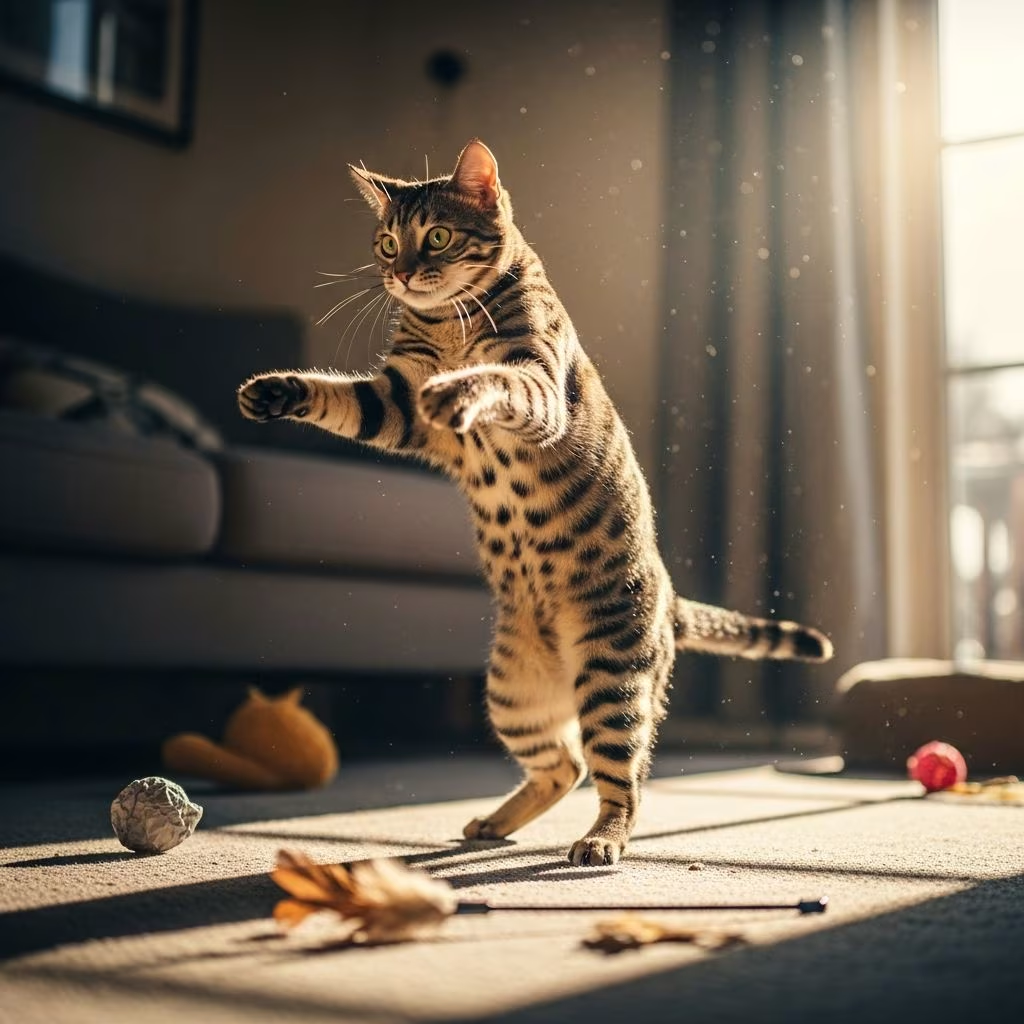
If you’ve ever witnessed your cat suddenly transform into a blur of fur, racing from room to room at seemingly impossible speeds, you’ve observed one of the most entertaining and puzzling feline behaviors. These spontaneous, energetic episodes have become known colloquially as “the zoomies,” though veterinarians and animal behaviorists use the more technical term Frenetic Random Activity Periods, or FRAPs. Understanding what triggers these wild bursts of energy can help cat owners better appreciate their pets’ natural instincts and determine whether these episodes indicate normal behavior or potential health concerns.
Decoding the Science Behind the Zoomies
The zoomies represent far more than random chaos. These episodes showcase your cat’s innate curiosity, exceptional agility, and enthusiasm for life. When cats experience FRAPs, they engage in what appears to be frantic running, pouncing, and climbing behaviors that seem purposeless to observers. However, these bursts of activity serve specific biological and psychological functions rooted in feline physiology and evolutionary history.
The primary driver behind most zoomie episodes relates directly to how cats manage their energy levels throughout the day. Domestic cats typically sleep between 12 to 16 hours daily, a holdover from their wild ancestors who needed to conserve energy for hunting. This extended rest means that when cats awaken, they’re truly energized. Rather than gradually building activity levels, cats transition sharply from deep sleep to high alert, creating the explosive energy release we recognize as zoomies.
The Daily Rhythm: Why Timing Matters
One of the most consistent patterns associated with cat zoomies involves their timing throughout the day. Many owners assume cats are nocturnal creatures, yet this is a common misconception. Instead, cats are crepuscular animals, meaning they reach peak activity levels during twilight hours—specifically at dawn and dusk. This biological preference stems from their evolutionary need to hunt during cooler temperatures when prey is most active and visibility remains adequate for successful predation.
Understanding this natural rhythm explains why your cat may seem possessed by a sudden energy surge just as you’re settling into bed or right after sunrise. These aren’t random timing events; they align with your cat’s deep biological programming. Interestingly, owners can influence when zoomies occur by adjusting feeding schedules. Since feeding typically precedes hunting activity in feline behavior, offering meals at different times than traditional dawn and dusk hours can shift when your cat experiences FRAP episodes.
Age-Related Activity Patterns
While cats of any age can experience zoomies, kittens and younger cats demonstrate significantly higher frequency and intensity. Young felines possess abundant energy reserves and haven’t yet developed the sedentary habits of older cats. This makes zoomies particularly pronounced in juvenile cats still navigating the world and burning off developmental energy. As cats mature into their senior years, FRAP episodes typically decrease in frequency, though they never completely disappear in healthy cats.
Exploring Multiple Triggers and Causes
While sleep cycles and crepuscular patterns explain many zoomie episodes, several other distinct triggers can initiate these bursts of activity. Recognizing these various causes provides insight into your individual cat’s behavior patterns and personality.
Hunting Instincts and Predatory Play
Even though domestic cats no longer depend on hunting for survival, their predatory instincts remain deeply embedded in their genetics. The zoomies often represent an outlet for these hunting urges. During FRAP episodes, cats may chase invisible prey, pounce on imaginary rivals, or stalk household objects as though conducting an actual hunt. This behavior allows them to engage with primal instincts in a safe, domesticated environment. Some owners notice their cats seem particularly prone to zoomies when they haven’t received adequate interactive play or mental stimulation.
Mental Stimulation and Boredom Relief
Cats require mental engagement to maintain behavioral balance. When felines lack sufficient cognitive stimulation, energy can accumulate with no productive outlet. The resulting buildup manifests as zoomies—a self-generated form of entertainment and exercise. Cats living in unstimulating environments or those spending extended periods without interactive play often experience more frequent and intense FRAP episodes.
Emotional Expression and Excitement
Beyond physical factors, zoomies frequently represent emotional responses. Cats experiencing happiness, excitement, or positive anticipation may express these feelings through energetic activity. When owners introduce novel stimuli—such as new toys, the arrival of visitors, or the appearance of prey outside a window—many cats respond with enthusiastic zoomie sessions. These episodes typically indicate contentment rather than distress.
Post-Digestive Activity and Gastrointestinal Relief
One of the most intriguing triggers involves litter box usage. Many cat owners observe their pets engaging in frantic activity immediately after using the litter box, leading some to nickname this behavior “poo-phoria” or “crapnfrap”. The phenomenon has a physiological basis: passing a large stool can stimulate the vagus nerve, which runs from the brainstem to the colon. This nerve stimulation causes a temporary drop in heart rate and blood pressure, reducing blood flow to the brain and creating mild lightheadedness. The resulting sensation apparently translates into the burst of energetic activity owners observe.
Additionally, cats maintain strong cleanliness instincts. Some theorize that zoomies following litter box use represent the cat’s desire to distance themselves from waste as quickly as possible. This connects to ancestral survival behaviors; in the wild, lingering near feces could attract predators. Even domesticated cats retain this instinctive response.
Nutritional and Hunger-Related Triggers
Hunger or anticipation of meals can trigger zoomie episodes. Some cats experience restlessness when their feeding schedule approaches, responding with bursts of activity. Additionally, some owners report that introducing special foods—particularly wet food when cats typically receive dry food—can spark excitement-driven zoomies.
Distinguishing Normal Behavior from Health Concerns
While zoomies are typically normal and harmless expressions of feline energy and instinct, excessive episodes can occasionally indicate underlying health issues requiring veterinary attention. The key distinction lies in whether the zoomie activity represents a departure from your cat’s baseline behavior.
When Zoomies Warrant Veterinary Investigation
Several medical conditions can manifest as abnormally elevated activity levels. Hyperthyroidism represents one of the most common culprits, particularly in older cats. Cats with this condition experience increased metabolism and may display constant restlessness, excessive vocalization, and hyperactivity beyond typical zoomie episodes. If your senior cat suddenly begins exhibiting dramatically elevated activity levels accompanied by weight loss despite eating normally, thyroid dysfunction warrants investigation.
Dermatological issues also influence zoomie frequency. Cats suffering from flea infestations or allergic reactions may race around attempting to escape the discomfort of itching. In these cases, the activity represents a stress response rather than playful energy release. Environmental allergies, food sensitivities, or parasitic infections should be ruled out if zoomie behavior coincides with scratching, hair loss, or other signs of skin irritation.
Behavioral Indicators of Overstimulation
Excessive zoomies can sometimes signal anxiety or overstimulation. Cats subjected to stressful events—such as loud noises, household changes, or forced interaction—may respond with heightened activity as a coping mechanism. Additionally, cats lacking adequate physical and mental enrichment may develop compulsive activity patterns that differ from normal, spontaneous zoomies. These cases typically benefit from environmental modifications and increased interactive play rather than medical intervention.
Comparison of Common Zoomie Triggers
| Trigger Category | Typical Timing | Associated Behaviors | Concern Level |
|---|---|---|---|
| Sleep-Wake Cycle | After napping | Running, climbing, pouncing on objects | Normal |
| Crepuscular Activity | Dawn and dusk | House-wide racing, vertical climbing | Normal |
| Hunting Instincts | Throughout day | Stalking, chasing imaginary prey | Normal |
| Post-Litter Box | Immediately after use | Brief frantic activity | Normal |
| Excitement/Happiness | After positive stimulus | Jumping, running, tail fluffing | Normal |
| Hyperthyroidism | Constant | Excessive activity, weight loss, vocalization | Consult Vet |
| Anxiety/Stress | Following stressful events | Frantic activity, poor focus | Assess Environment |
| Parasitic Infection | Throughout day | Racing combined with scratching | Consult Vet |
Frequently Asked Questions About Cat Zoomies
Are zoomies a sign that my cat is unhappy?
No, zoomies generally indicate positive emotions and playful energy. Most typically, they represent a healthy outlet for accumulated energy and enthusiasm rather than distress. However, if zoomies occur alongside other behavioral changes or symptoms, veterinary consultation may be warranted.
How can I encourage appropriate zoomie outlets?
Providing interactive toys, climbing structures, and regular play sessions helps channel your cat’s energy constructively. Enrichment activities prevent excessive buildup of restless energy while satisfying hunting instincts in safe ways.
Should I worry if my older cat suddenly starts having frequent zoomies?
Sudden changes in activity levels warrant attention, particularly in senior cats. While zoomies themselves are normal, a dramatic departure from your older cat’s typical activity pattern could indicate hyperthyroidism or other medical conditions requiring evaluation.
Do all cats experience zoomies?
While most cats experience some form of FRAPs during their lifetime, frequency and intensity vary considerably among individuals. Some cats display more pronounced zoomie episodes, while others engage in these behaviors less noticeably.
Optimizing Your Cat’s Environment for Healthy Energy Expression
Understanding zoomies allows owners to create environments supporting natural feline behaviors while managing energy levels effectively. Providing vertical spaces through cat trees and wall-mounted shelves enables cats to exercise their climbing instincts. Interactive toys that simulate prey movement satisfy hunting urges without harming household furnishings. Scheduled play sessions at times when your cat naturally experiences heightened energy—particularly dawn and dusk for crepuscular cats—helps channel FRAP episodes productively.
Additionally, maintaining consistent feeding schedules aligned with your cat’s natural activity patterns can influence when zoomies occur, allowing you to anticipate and accommodate these episodes more effectively.
Conclusion: Embracing Your Cat’s Natural Exuberance
The zoomies represent one of feline behavior’s most delightful and instructive phenomena. These bursts of frantic energy showcase your cat’s connection to ancient predatory instincts, their efficient energy management strategies, and their capacity for joy and excitement. By understanding the physiological and psychological factors driving FRAPs, recognizing typical timing patterns, and distinguishing normal episodes from potential health concerns, cat owners can better appreciate and support their pets’ behavioral needs. Most often, zoomies deserve celebration as evidence of a healthy, engaged, and spirited feline companion enjoying life to its fullest.
References
- Cat Zoomies, Explained — Chicago Pet Sitters. Accessed January 2026. https://chicagopetsitters.com/cats/cat-zoomies-explained/
- Cat Zoomies: Why Your Cat Gets Them & When to Call the Vet — Hills Pet Nutrition. Accessed January 2026. https://www.hillspet.co.id/cat-care/behavior-appearance/what-are-cat-zoomies
- The (Very Adorable) Reasons Cats Get the Zoomies After Pooping — BBC Science Focus. Accessed January 2026. https://www.sciencefocus.com/nature/cat-zoomies-pooping
- Learning Why and How Cats Get the Zoomies — Bayshore Loves Pets. Accessed January 2026. https://www.bayshorelovespets.com/Learning-Why-and-How-Cats-Get-the-Zoomies-1-8640.html
- Cat Zoomies Explained: What’s Really Going On? — Optimum Veterinary Referral Services. Accessed January 2026. https://www.ovrs.com/blog/cat-zoomies-explained-whats-really-going-on/
- Why Do Pets Get The Zoomies? — Patton Veterinary Hospital. Accessed January 2026. https://pattonvethospital.com/blog/904804-why-do-pets-get-the-zoomies
- Why Do Dogs and Cats Get the Zoomies? — Live Science. Accessed January 2026. https://www.livescience.com/why-pet-dogs-cats-race-around.html
- Cat Zoomies: Understanding These Crazy Bursts of Energy — VCA Animal Hospitals. Accessed January 2026. https://vcahospitals.com/resources/behavior-cat/cat-zoomies-explained



