

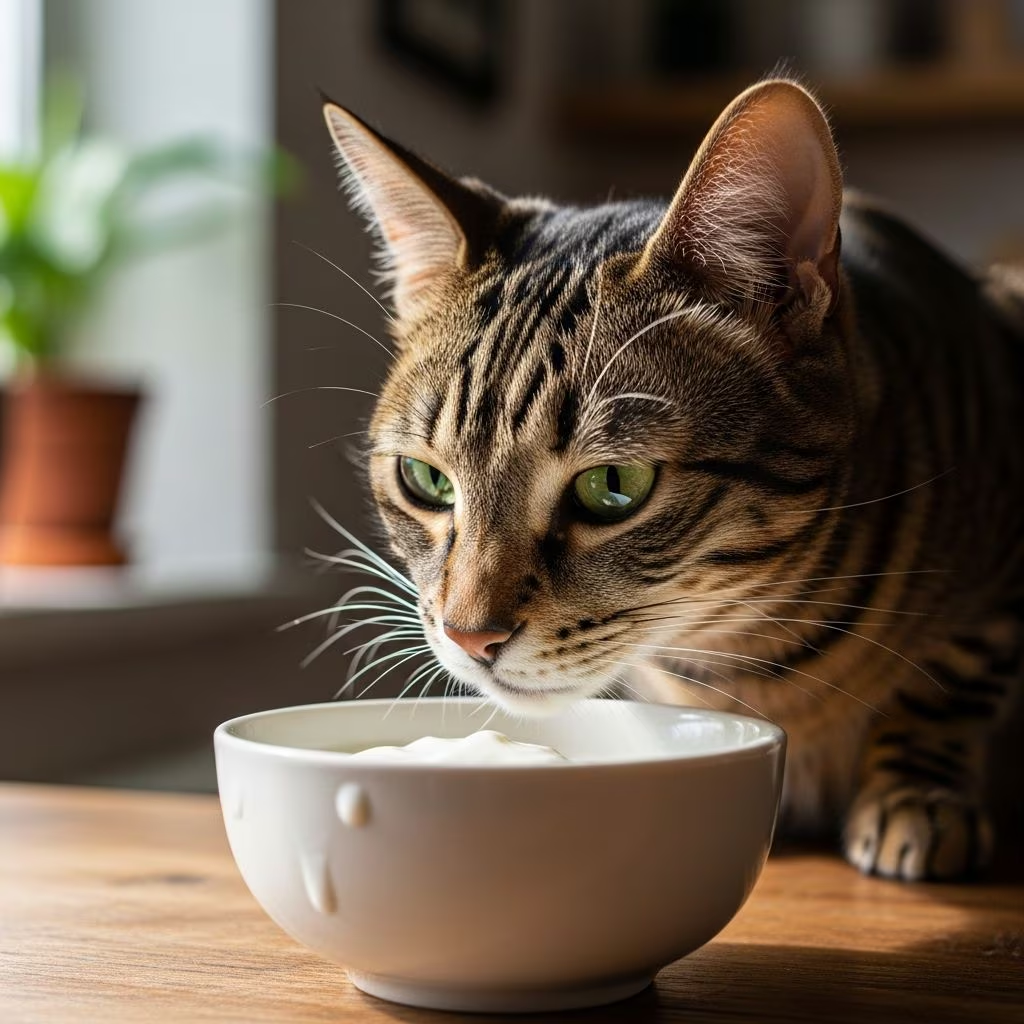
Can Your Cat Safely Consume Yogurt?
Many cat owners wonder whether yogurt makes a suitable treat for their feline companions. The answer is nuanced: plain, unsweetened yogurt in small quantities can be safe for most adult cats, though it should never become a dietary staple. Unlike many human foods, yogurt occupies a gray area in feline nutrition—it’s not inherently toxic, yet it presents specific challenges related to your cat’s unique digestive system.
The key to determining whether yogurt is appropriate for your specific cat depends on several factors, including individual lactose tolerance, overall health status, and current dietary composition. Understanding these variables helps you make informed decisions about supplementary treats for your feline friend.
The Digestive Challenge: Why Most Cats Struggle With Dairy
The primary concern with yogurt and other dairy products stems from lactose intolerance. After weaning, most adult cats experience a natural decline in lactase production—the enzyme responsible for breaking down lactose in dairy. This biological shift means that while kittens can initially tolerate milk and dairy products, adult cats cannot efficiently process lactose despite being exposed to it.
Yogurt presents a slightly different scenario than standard milk, however. Through fermentation, the beneficial bacteria cultures in yogurt partially break down the lactose content, making it theoretically easier for some cats to tolerate. Despite this advantage, many cats still experience digestive upset when consuming yogurt because the residual lactose can trigger symptoms.
Signs of lactose intolerance in cats include vomiting, diarrhea, gas, bloating, abdominal discomfort, and loss of appetite. Some cats may also display behavioral changes such as increased lethargy or scratching. These symptoms typically appear within hours of yogurt consumption and can persist for several hours.
Identifying the Optimal Type of Yogurt
Not all yogurts are created equal when it comes to feline safety. The yogurt variety you select makes a substantial difference in whether it poses risks to your cat.
Plain Yogurt: The Only Acceptable Option
Plain, unsweetened yogurt is the only type recommended for cats. This variety contains no added sugars, artificial sweeteners, flavorings, or problematic ingredients. Even this safest option should be offered sparingly—typically no more than a teaspoon once or twice weekly for a healthy adult cat.
Flavored Varieties and Their Hidden Dangers
Flavored yogurts represent a significant health risk for feline companions. These products often contain excessive sugar, artificial sweetening agents, and fruit components that may be toxic to cats. Many commercial fruit yogurts include artificial sweeteners like xylitol, which is extremely dangerous for cats.
Additionally, certain fruits commonly found in yogurt formulations—including grapes, raisins, and citrus varieties—are toxic to cats and should never be consumed. Some berry varieties also pose risks, making any fruit-containing yogurt unsuitable for feline consumption.
Greek Yogurt Considerations
Greek yogurt, which undergoes additional straining and contains higher protein concentration, requires special consideration. While the increased protein content might seem beneficial, Greek yogurt’s thicker consistency and concentrated nutrients mean even smaller portions are appropriate. If offering Greek yogurt, limit quantities to minimal amounts—less than a teaspoon.
Nutritional Benefits: What Yogurt Can Offer Cats
Despite the challenges, plain yogurt does contain several nutrients that theoretically benefit feline health when consumed in appropriate amounts.
- Probiotics: Live bacterial cultures help support digestive function and may improve gut health for cats with sensitive stomachs
- Protein: Yogurt contains protein, which aligns with cats’ carnivorous nutritional requirements
- Calcium and Minerals: These nutrients support bone health and metabolic function
- Vitamins: Various B vitamins and other micronutrients present in yogurt may provide supplementary nutrition
For cats with compromised digestive systems, the probiotic bacteria in yogurt may help reduce susceptibility to allergies and strengthen immune function. However, it’s important to note that most evidence supporting these benefits remains largely anecdotal rather than rigorously scientifically verified.
Health Risks and Complications Associated With Yogurt Consumption
While modest benefits exist, the potential risks of feeding yogurt to cats substantially outweigh these advantages for most feline companions.
Gastrointestinal Distress
The most immediate risk involves digestive upset. Even though yogurt contains less lactose than milk, some cats cannot tolerate any amount of dairy. Consuming yogurt can trigger vomiting, severe gas, bloating, and diarrhea. These symptoms indicate your cat’s digestive system cannot adequately process the remaining lactose and dairy components.
Weight Management Concerns
Yogurt contains concentrated calories and fat that quickly accumulate in a cat’s daily dietary intake. Since cats are significantly smaller than humans, even a single teaspoon of yogurt represents a substantial portion of their recommended caloric intake. Regular yogurt consumption, even in small amounts, can rapidly lead to unhealthy weight gain and obesity-related complications.
Many commercial yogurts compound this problem by containing excessive sugar or artificial sweeteners. Sugar, being a simple carbohydrate, provides quick-burning energy. When your cat doesn’t immediately utilize this energy through activity, excess carbohydrates convert to fat cells, contributing to obesity.
Toxicity From Added Ingredients
Flavored yogurts and those containing fruits introduce significant toxicity risks. Xylitol, an artificial sweetener found in some yogurt products, is highly toxic to cats. Additionally, raisins and grapes—common yogurt inclusions—are poisonous to felines and can cause serious health complications.
Developmental Considerations: Age-Related Guidelines
A cat’s age significantly influences yogurt safety and appropriateness.
Kittens Under Six Months
Young kittens should not be offered yogurt. During this developmental stage, kittens receive optimal nutrition from their mother’s milk or specially formulated kitten milk replacers. Introducing yogurt at this age can disrupt digestive development and create unnecessary complications.
Adult Cats
Healthy adult cats may tolerate small amounts of plain yogurt if they demonstrate no signs of lactose intolerance. Even for these cats, yogurt should remain an occasional treat rather than a regular dietary component.
Senior Cats
Older cats, particularly those with existing health complications or digestive sensitivities, should avoid yogurt unless specifically recommended by a veterinarian.
Determining Your Individual Cat’s Tolerance
Since cats vary in their ability to tolerate dairy products, introducing yogurt requires a careful, gradual approach.
Initial Introduction: If you decide to offer yogurt, start with an extremely small amount—approximately one-quarter teaspoon of plain, unsweetened yogurt. Observe your cat carefully over the next 24 hours for any signs of digestive distress, behavioral changes, or physical symptoms.
Gradual Progression: If your cat shows no adverse reactions, you may gradually increase to one full teaspoon, offered no more than once or twice weekly. Never exceed this amount, and discontinue immediately if any negative symptoms appear.
Discontinuation Triggers: Stop offering yogurt if your cat develops upset stomach, vomiting, diarrhea, gas, or any other signs of digestive upset. Additionally, if your cat has a history of food allergies or chronic digestive issues, avoid yogurt entirely without veterinary consultation.
Practical Serving Recommendations and Best Practices
If your cat tolerates plain yogurt well, follow these guidelines for safe serving:
- Always use plain, unsweetened yogurt with no added ingredients
- Limit portions to one teaspoon, offered no more than twice weekly
- Serve yogurt at room temperature to aid digestion
- Never mix yogurt with other foods or toppings
- Store yogurt properly and use fresh products
- Monitor your cat for any adverse reactions for 24 hours after consumption
Frequently Asked Questions
Can cats eat yogurt every day?
No. Daily yogurt consumption is inappropriate for cats. Most adult cats are lactose intolerant, and daily intake can cause diarrhea, gas, and stomach upset. Yogurt should only be offered as an occasional treat in minimal quantities, with a balanced commercial cat diet remaining your cat’s primary nutrition source.
Is Greek yogurt safer than regular yogurt for cats?
Greek yogurt is not necessarily safer; it’s simply more concentrated. The higher protein content and thicker consistency mean even tinier portions are appropriate. If offering Greek yogurt, limit amounts to less than a teaspoon.
Do probiotics in yogurt benefit cats?
While yogurt contains beneficial bacteria that may support digestion, evidence supporting probiotic benefits for cats remains largely anecdotal. Cats with sensitive digestive systems might experience improved digestion from these probiotics, but this benefit must be weighed against lactose-related risks.
What should I do if my cat accidentally ate flavored yogurt?
If your cat consumed a small amount of flavored yogurt, monitor carefully for symptoms including vomiting, diarrhea, lethargy, or loss of appetite. If your cat consumed yogurt containing xylitol, grapes, or raisins, contact your veterinarian immediately, as these ingredients are toxic.
Are there better treat alternatives to yogurt for cats?
Yes. High-quality commercial cat treats, small portions of cooked chicken, or specially formulated feline treats provide better nutritional alignment with cats’ carnivorous dietary requirements. These alternatives avoid the digestive complications associated with dairy products.
The Bottom Line: Making Informed Decisions
While cats can technically consume plain, unsweetened yogurt in minimal amounts, doing so offers questionable benefits relative to the potential risks. The challenges of lactose intolerance, caloric density, weight management concerns, and potential toxicity from additives make yogurt a suboptimal treat choice for most feline companions.
Rather than viewing yogurt as a nutritional supplement for your cat, consider it a rare, experimental treat appropriate only for cats who demonstrate clear tolerance to dairy products. Always consult your veterinarian before introducing any new food to your cat’s diet, particularly if your cat has existing health conditions, digestive sensitivities, or food allergies.
Your cat’s optimal nutrition comes from species-appropriate commercial cat food formulated to meet feline nutritional requirements. Any supplementary treats, including yogurt, should enhance rather than complicate your cat’s dietary routine.
References
- Can Cats Have Yogurt? A Guide on This Nutritious Probiotic — Noble Vet Clinic. 2024. https://noblevetclinic.com/blog/can-cats-have-yogurt
- Can Cats Eat Yogurt? A Delicious But Controversial Snack — Genius Litter. 2024. https://geniuslitter.com/blogs/cat-nutrition/can-cats-eat-yogurt-a-delicious-but-controversial-snack
- Can Cats Eat Yogurt? What Owners Should Know — Pet Pulse Dubai. 2024. https://petpulsedubai.com/blog/can-cats-eat-yogurt/
- Can Cats Eat Yoghurt, and Are There Any Risks Involved? — Untamed. 2024. https://untamed.com/blogs/nutrition/can-cats-eat-yoghurt
- Can Cats Eat Yogurt? — Wag! Walking. 2024. https://wagwalking.com/wellness/can-cats-eat-yogurt
- Can Cats Eat Yogurt? — Rover.com. 2024. https://www.rover.com/blog/can-cats-eat-yogurt/
- Cats Can Eat What?! Surprising Foods That Are Safe for Your Feline Friend — Point Vicente Veterinary Medical Center. 2024. https://www.pointvicentevet.com/services/cats/blog/cats-can-eat-what-surprising-foods-are-safe-your-feline-friend



