

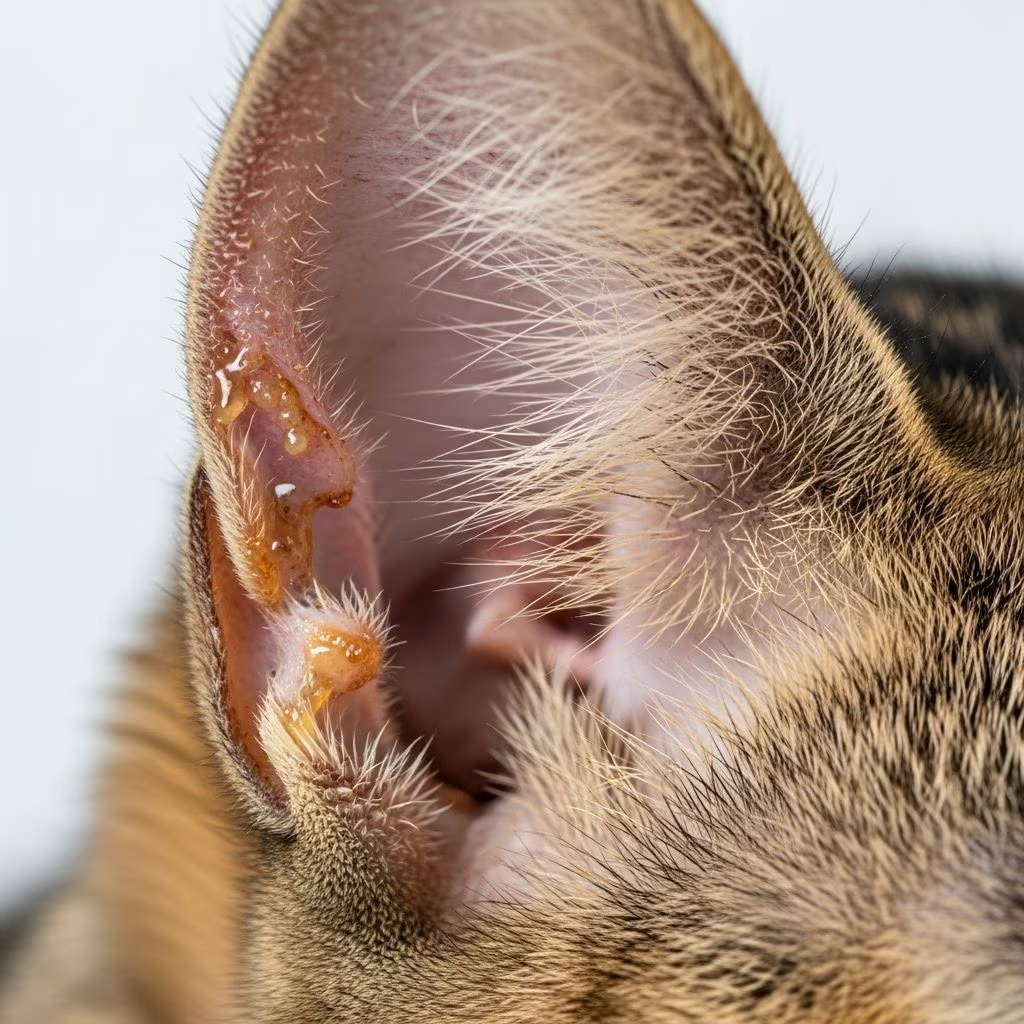
Yeast infections represent a frequent yet manageable health challenge for cats, primarily involving overgrowth of fungi like Malassezia or Candida on the skin, ears, or other areas. These conditions arise when normal microbial balances disrupt, leading to discomfort that demands prompt attention from pet owners and veterinarians.
Understanding the Nature of Yeast Overgrowth in Cats
Yeast organisms naturally reside on a cat’s skin and in moist body areas without harm under healthy conditions. However, factors such as humidity, weakened immunity, or skin trauma allow proliferation, transforming benign presence into problematic dermatitis or infections. Common culprits include Malassezia, thriving in oily skin folds, and Candida, more invasive in immunocompromised felines.
This overgrowth triggers inflammation, altering skin texture and odor, often mimicking allergies but unresponsive to standard treatments. Early recognition proves vital, as untreated cases exacerbate, potentially leading to secondary bacterial invasions or chronic issues.
Common Manifestations Across Body Regions
Symptoms vary by infection site but consistently feature irritation and visible changes. On the skin, expect persistent itching prompting excessive grooming, resulting in red, flaky patches or greasy coats with a distinctive musty smell.
- Skin indicators: inflamed rashes, crusty scales, discolored fur, and foul odors from affected zones.
- Ear-specific signs: head shaking, thick yellow or black discharge, redness, and swelling inside ear canals.
- Paw troubles: red itchy pads, waxy brown buildup in claw folds, nail discoloration, and frequent licking or shaking.
- Oral thrush: white plaques on tongue or gums, drooling, and reluctance to eat.
- Less common urinary signs: frequent urination attempts with discomfort.
Cats may exhibit behavioral shifts like lethargy or aggression when touched, underscoring the need for observant daily checks.
Root Causes Behind Fungal Proliferation
Yeast thrives opportunistically, exploiting vulnerabilities rather than invading de novo. Primary triggers encompass:
| Category | Examples | Impact |
|---|---|---|
| Immune Compromise | FIV, FeLV, diabetes, cancer, steroid use | Reduces defenses, allowing unchecked growth |
| Allergies & Trauma | Food/environmental allergens, flea bites, wounds | Breaks skin barrier, creates moist havens |
| Dietary Factors | High-carb processed foods | Feeds yeast via gut-skin axis imbalances |
| Medications | Antibiotics disrupting flora | Shifts microbial equilibrium |
Any breed or age faces risk, though long-haired or fold-skinned cats encounter higher susceptibility due to trapped moisture.
Diagnostic Approaches for Accurate Identification
Veterinarians employ cytology—scraping skin or ear wax onto slides for microscopic yeast visualization—as the gold standard. Additional tests like fungal cultures, biopsies, or bloodwork uncover underlying diseases such as hyperthyroidism or allergies. Differentiating from mites, bacteria, or ringworm remains crucial, as misdiagnosis prolongs suffering.
Comprehensive Treatment Protocols
Resolving yeast demands multifaceted strategies targeting fungus and predispositions. Core elements include:
- Antifungals: Topical creams/ointments (e.g., miconazole, clotrimazole) for localized issues; oral options like fluconazole or itraconazole for systemic spread.
- Cleansers: Medicated shampoos with chlorhexidine or ketoconazole, applied weekly to degrease and kill yeast.
- Supportive care: Anti-itch meds, ear cleaners, or cone collars to halt self-trauma.
- Addressing roots: Allergy diets, flea control, diabetes management, or med adjustments.
Treatment durations span 7-10 days for ears/bladder to 4-6 weeks for skin, with full courses essential to avert relapses. Home administration requires vet demos for safety.
Steps for Long-Term Prevention
Proactive measures fortify resilience:
- Maintain dry, clean environments; dry post-baths promptly.
- Feed balanced, low-carb diets rich in quality proteins.
- Control parasites and allergies via regular vet checkups.
- Supplement probiotics/digestive enzymes if vet-recommended.
- Monitor for early signs during grooming routines.
Consistent care minimizes recurrence risks significantly.
Potential Complications and Prognosis
Neglect invites chronic dermatitis, hair loss, or sepsis in severe cases. Conversely, compliant treatment yields high success, with most cats recovering fully sans scars. Immunosuppressed patients may need ongoing vigilance.
Frequently Asked Questions
Can yeast infections resolve without vet intervention?
No, professional antifungals are required; home remedies risk worsening.
Why does my cat’s skin smell yeasty?
This odor signals Malassezia overgrowth in greasy areas.
Are yeast infections contagious to humans or other pets?
Rarely, mainly if hosts share immunity deficits.
How long until symptoms improve post-treatment?
Visible relief in days, full clearance in weeks with adherence.
Can diet alone cure yeast issues?
Diet supports but never substitutes meds; consult vets.
This guide empowers cat guardians with knowledge for swift action. Always prioritize veterinary consultation for tailored plans ensuring your feline’s vitality.
References
- How to prevent and treat yeast skin infections in cats — Vetster. 2023. https://vetster.com/en/wellness/how-to-prevent-and-treat-yeast-skin-infections-in-cats
- Yeast Infections in Cats: Symptoms, Causes, and More — PetMD. 2024. https://www.petmd.com/cat/conditions/infectious-parasitic/yeast-infections-cats-symptoms-causes-and-more
- Yeast Infections in Cats: Common Causes, Symptoms & Treatments — Purina. 2023. https://www.purina.com/articles/cat/health/skin-fur-ears/yeast-infection-in-cats
- Yeast Infections in Cats – Symptoms, Causes & Natural Remedies — Two Crazy Cat Ladies. 2024. https://twocrazycatladies.com/yeast-infections-in-cats/
- Yeast Infections in Dogs and Cats — Paoli Vetcare. 2023. https://www.paolivet.com/health/yeast-infections-in-dogs-and-cats/



