

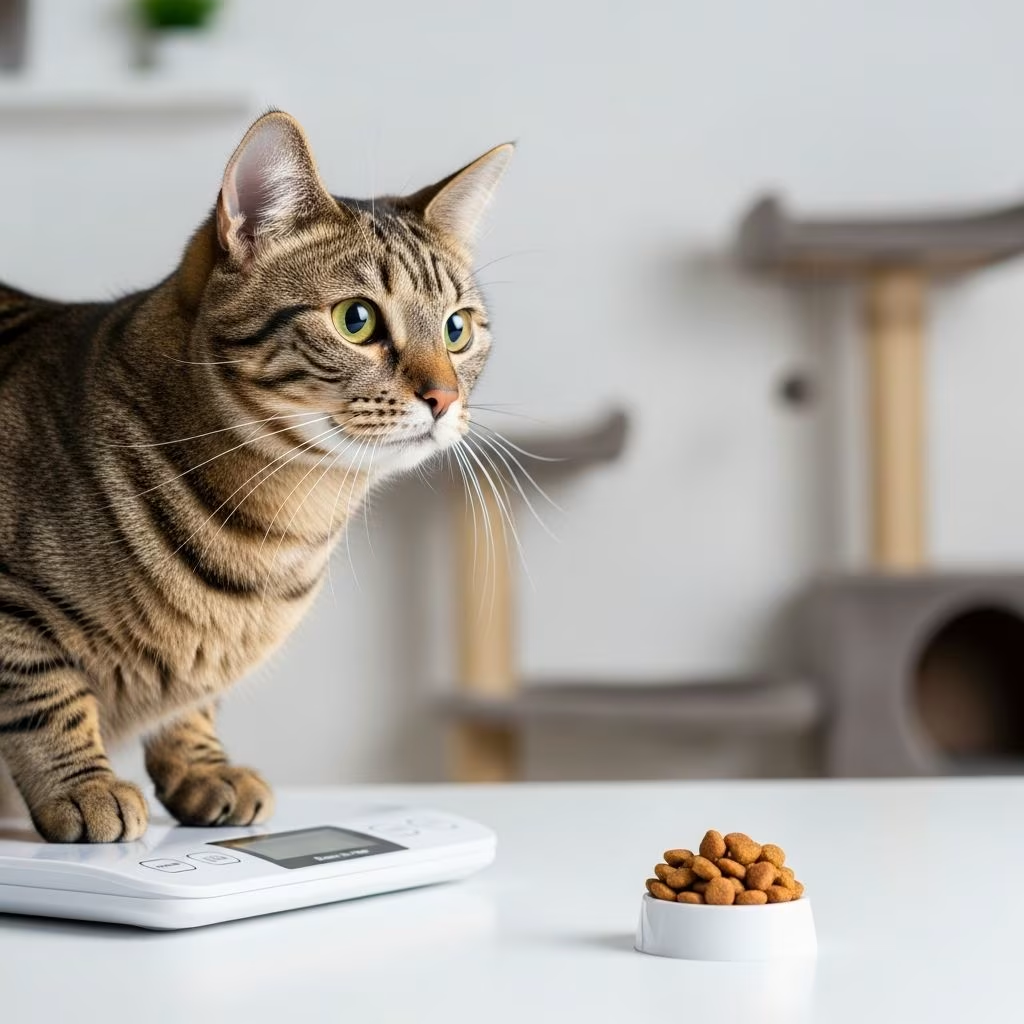
Overweight cats face heightened risks of serious conditions like diabetes, arthritis, and heart problems, but targeted strategies can restore their ideal body condition through nutrition, activity, and routine checks.
Recognizing Excess Weight in Cats
Assessing your cat’s body condition is the first step in addressing weight issues. Feel along the ribs; they should be palpable without a thick fat layer covering them. From above, a healthy cat shows an hourglass figure with a visible waist, and from the side, a slight abdominal tuck is evident. Veterinary body condition scores (BCS) rate cats from 1 to 9, with 4-5 indicating ideal weight. Cats scoring 7 or higher are overweight, carrying excess fat that strains joints and organs.
Common signs include difficulty jumping, reluctance to groom, or a round belly. Indoor lifestyles, neutering, and free-feeding contribute to 60% of cats being overweight. Early detection prevents progression to obesity, defined as BCS 8-9.
Health Risks of Feline Overweight
Excess pounds shorten lifespan and quality of life. Obesity triples diabetes risk, inflames joints causing arthritis pain, and promotes fatty liver disease (hepatic lipidosis), a life-threatening condition from rapid fat mobilization during fasting. Heart enlargement, hypertension, and lower urinary tract issues also rise. Studies show obese cats live 2-3 years less on average. Maintaining ideal weight supports mobility, grooming, and playfulness into senior years.
Consulting Your Veterinarian First
Before any changes, schedule a vet exam to rule out thyroid issues, kidney disease, or medications causing gain. The vet calculates current weight, ideal target, and daily energy requirements (DER) based on age, breed, and activity. They recommend prescription diets if needed and set a safe loss goal of 1-2% body weight monthly to avoid hepatic lipidosis.
Regular weigh-ins every 4-12 weeks track progress. Home scales like baby scales work well for consistency. Vets provide tailored plans, ensuring nutrient balance during calorie cuts.
Selecting Optimal Nutrition for Weight Reduction
Switch to high-protein, low-carb, moderate-fiber formulas designed for weight management. These preserve muscle, promote satiety, and control calories without nutrient gaps. Look for AAFCO-approved options with 40-50% protein on dry matter basis. Wet foods often have lower calorie density per gram than kibble.
Avoid generic reductions of current food; use therapeutic diets like those clinically tested for feline loss. Gradually transition over 7-10 days to prevent digestive upset. Add low-cal veggies like steamed zucchini to bulk meals without extra calories.
| Diet Type | Key Benefits | Calorie Range (per 100g) |
|---|---|---|
| High-Protein Dry | Muscle retention, satiety | 300-350 kcal |
| Wet Weight Loss | Hydration, low density | 70-90 kcal |
| High-Fiber Formula | Fullness, gut health | 320-360 kcal |
Mastering Portion Control Techniques
Free-feeding leads to overconsumption; eliminate it. Weigh food precisely with a kitchen scale—tablespoons vary. Divide daily allowance into 2-4 scheduled meals, removing uneaten portions after 15-30 minutes. For multi-cat homes, feed separately to prevent theft.
- Use puzzle feeders or slow bowls to extend eating time and burn calories.
- Track intake in a journal, noting treats as 10% max of calories.
- Substitute affection or play for begging; many cats redirect hunger to interaction.
Calculate DER: Resting Energy Requirement (RER) = 70 x (body weight in kg)^0.67, then multiply by 0.8 for weight loss. Adjust as weight drops.
Incorporating Exercise into Daily Routine
Cats need 5-15 minute play sessions twice daily using toys like feather wands, lasers, or balls. Vertical spaces like cat trees encourage climbing. Food-motivated cats benefit from puzzle toys dispensing kibble, turning meals into activity.
Aim for 20-30 minutes total movement daily. Swimming or gentle walks in harnesses suit some. Consistency builds habits; involve family for uniform engagement.
Tracking and Adjusting the Weight Loss Journey
Weigh biweekly initially, then monthly. Plateaus after 90 days warrant DER recalculation, diet switch, or increased play. If loss stalls, check for stress or health changes. Celebrate non-food milestones like agility gains.
Target 0.5-1% weekly loss max. Recheck BCS quarterly. Long-term, transition to maintenance diet once ideal reached.
Preventing Weight Regain After Success
Sustain progress with lifelong measured feeding, annual exams, and routine exercise. Monitor for age-related metabolism drops in seniors; adjust calories accordingly. Educate all household members on rules.
Spay/neuter effects linger, so proactive management is key. Healthy weight cats show vigor, better grooming, and fewer vet visits.
Frequently Asked Questions
How fast should my cat lose weight?
Safe rate is 1-2% body weight monthly, e.g., 0.3 lbs for a 15-lb cat, to prevent liver issues.
Can treats fit into a weight loss plan?
Limit to 10% daily calories; use veggie pieces or vet-approved low-cal options.
What if my cat refuses the new diet?
Mix gradually, warm food, or top with broth. Consult vet for palatability tweaks.
Is wet food better for weight control?
Often yes, due to higher water content lowering calorie density.
How do I handle multiple cats, one overweight?
Feed in separate rooms, use microchip feeders if possible.
References
- Cat Weight Loss Information | Start Healthy Weight Loss Today — Association for Pet Obesity Prevention. 2023. https://www.petobesityprevention.org/weight-loss-cats
- Helping Your Cat Slim Down: Weight Management Through Proper Feline Nutrition — Yankee Hill Veterinary Clinic. 2024. https://yankeehillvet.com/feline-nutrition-and-exercise/helping-your-cat-slim-down-weight-management-through-proper-feline-nutrition/
- A Guide to Feline Weight Management — Melbourne Cat Vets. 2024. https://www.melbournecatvets.com.au/post/helping-your-cat-shed-those-extra-pounds-a-guide-to-feline-weight-management
- Creating a Weight Reduction Plan for Cats — VCA Animal Hospitals. 2023. https://vcahospitals.com/know-your-pet/creating-a-weight-reduction-plan-for-cats
- Maintaining a healthy weight for your cat — FEDIAF (European Pet Food Industry Federation). 2024. https://europeanpetfood.org/pet-food-facts/fact-sheets/nutrition/healthy-weight-for-cats/
- 2014 AAHA Weight Management Guidelines for Dogs and Cats — American Animal Hospital Association (AAHA). 2014. https://www.aaha.org/wp-content/uploads/globalassets/02-guidelines/weight-management/2014-AAHA-Weight-Management-Guidelines-for-Dogs-and-Cats



