

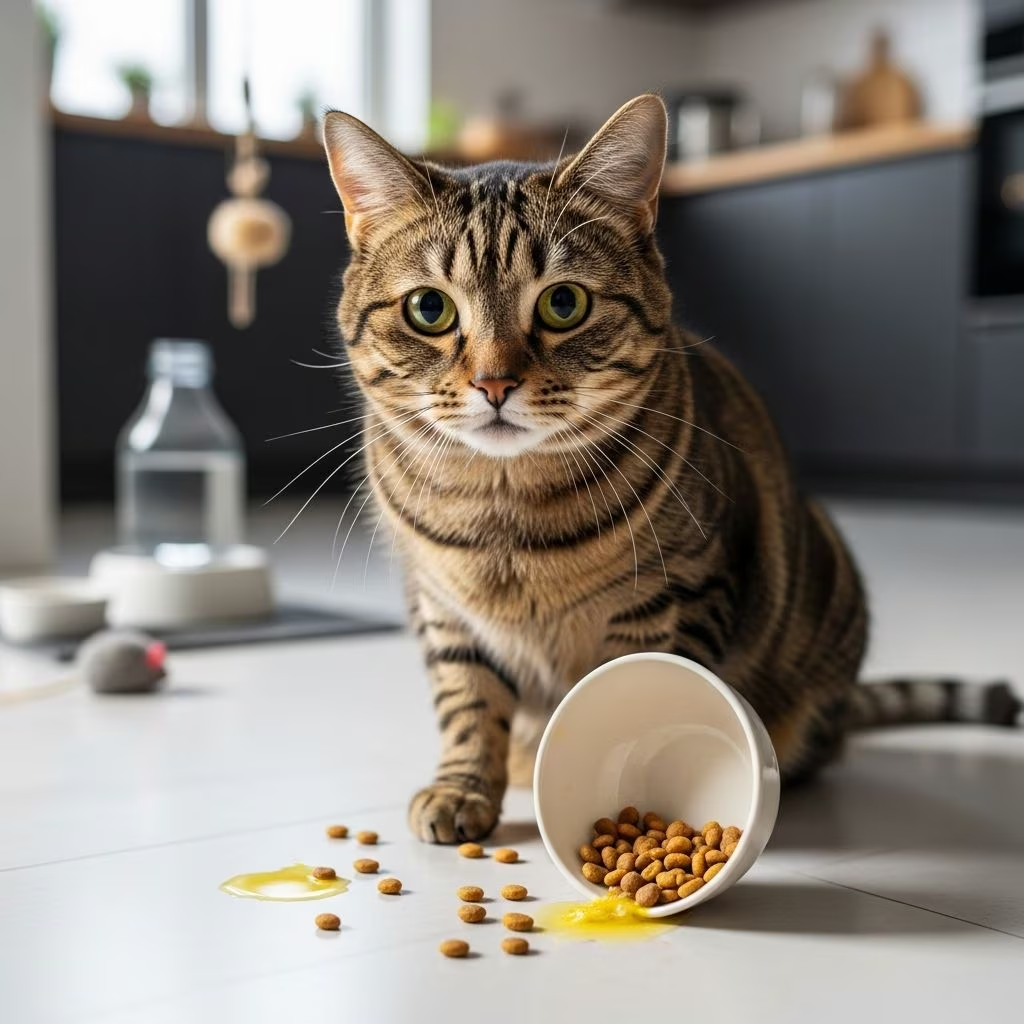
Witnessing your cat expel food shortly after eating can be alarming and confusing for pet owners. The act of vomiting involves forceful muscular contractions of the stomach and esophagus, often accompanied by visible neck extension and gagging sounds. While occasional vomiting might indicate a minor digestive upset, frequent episodes warrant closer examination. Understanding the mechanisms behind post-meal vomiting, recognizing the distinction between true vomiting and regurgitation, and knowing when professional intervention is necessary are essential components of responsible cat ownership.
The Mechanics of Digestive Expulsion in Cats
When a cat vomits, the body initiates a complex physiological response designed to eliminate potentially harmful substances from the stomach. This process involves the coordinated contraction of abdominal muscles and the stomach itself, forcing contents upward through the esophagus and out of the mouth. Unlike regurgitation, which occurs passively without muscular effort, vomiting represents an active defensive mechanism.
The appearance and timing of expulsion provide valuable diagnostic clues. Vomit occurring immediately after consumption typically contains undigested or partially digested food. However, vomit appearing hours later may contain more fully digested material or gastric secretions. The color, consistency, and presence of blood or other substances can indicate the severity and nature of the underlying problem.
Rapid Consumption and Gastric Overload
One of the most straightforward causes of post-meal vomiting stems from eating too quickly or consuming excessive quantities. Cats with competitive feeding environments, those recovering from periods of food restriction, or particularly food-motivated individuals may consume meals at rates that overwhelm their digestive capacity. When food enters the stomach faster than the organ can process it, reflex vomiting serves as a pressure-relief mechanism.
Kittens engaged in vigorous play immediately after meals represent a particularly vulnerable population. The combination of rapid eating and physical exertion can trigger vomiting episodes. Separate feeding areas for multi-cat households and smaller, more frequent meal portions often resolve these issues.
Practical strategies to reduce rapid consumption include:
- Utilizing specialized slow-feeding bowls designed with obstacles that require cats to eat around barriers
- Dividing daily food portions into three to four smaller meals rather than one or two large feedings
- Feeding cats in separate, quiet locations away from environmental stressors
- Allowing 30-45 minutes of rest following meals before active play sessions
Distinguishing Vomiting from Regurgitation
A critical distinction exists between vomiting and regurgitation, yet many pet owners and even some healthcare providers use these terms interchangeably. Regurgitation involves passive return of food, liquids, or mucus from the esophagus without the forceful muscular contractions characteristic of true vomiting. This distinction carries significant diagnostic implications, as regurgitation typically results from esophageal dysfunction rather than gastric problems.
Regurgitation typically occurs within minutes to hours after eating, and the expelled material often appears undigested and tubular in shape, resembling the food’s original form. Underlying causes include esophageal inflammation, strictures (narrowing), foreign body obstruction, megaesophagus (abnormal enlargement), and gastric sphincter dysfunction. Some cases involve hiatal hernias or neurological conditions affecting swallowing mechanics.
Dietary Factors Contributing to Post-Meal Vomiting
Beyond consumption rate, numerous dietary elements can precipitate vomiting episodes. Temperature-related issues, food quality deterioration, and sensitivity reactions all represent modifiable risk factors that responsible cat owners can address.
Temperature Sensitivity: Cats evolved consuming prey at ambient or body temperature. Serving refrigerated wet food directly from the refrigerator can trigger gastric irritation. Allowing canned food to reach room temperature before serving prevents this unnecessary stimulus.
Food Spoilage: Refrigerated wet food remains safe for only 24 hours after opening, beyond which bacterial proliferation and nutrient degradation compromise safety. Feeding cats spoiled food introduces gastric irritants and potential pathogens.
Dietary Intolerances and Allergies: Some cats develop adverse reactions to specific food ingredients, displaying vomiting shortly after meals. These reactions differ from true allergies but produce similar clinical signs. Identifying problematic ingredients typically requires dietary trials under veterinary supervision, often involving limited-ingredient prescription diets.
Sudden Diet Transitions: Abrupt dietary changes overwhelm the digestive system’s ability to adapt to new food compositions. Gradual transitions over 7-10 days, slowly increasing the proportion of new food while decreasing familiar food, minimize digestive upset.
Non-Food Ingestion: Cats’ curious nature sometimes leads them to consume inappropriate items. Grass ingestion, while seemingly harmless, can irritate the stomach lining and trigger vomiting. More concerning ingestions include toxic plants like lilies, medications, chemical substances, and physical foreign objects.
Hairball Accumulation and Gastrointestinal Blockage
Hairballs represent one of the most common vomiting triggers, particularly in long-haired breeds and cats that groom excessively. During grooming, cats swallow loose fur that accumulates within the stomach and intestines. This accumulation irritates the digestive tract lining, prompting vomiting as the body attempts to expel the blockage.
While occasional hairball vomiting is relatively normal, frequent episodes may indicate insufficient fiber intake, inadequate hydration, or compromised gastrointestinal motility. Regular brushing reduces the quantity of loose fur available for ingestion, while specialized hairball-control diets containing enhanced fiber may improve outcomes.
More severe situations involve actual intestinal obstructions from ingested materials like string, ribbons, rubber bands, or small toys. These foreign bodies create complete blockages that prevent normal food passage and require immediate emergency veterinary intervention, potentially including surgical removal.
Medication and Toxin-Related Vomiting
Certain medications commonly prescribed for feline health conditions can produce nausea and vomiting as side effects. Antibiotics, anti-inflammatory medications, and chemotherapy agents represent particular culprits. Similarly, exposure to toxins—whether environmental, pharmaceutical, or botanical—can trigger immediate or delayed vomiting responses.
Cats’ sensitivity to toxic substances exceeds that of many other species. Substances considered harmless to humans or dogs can prove dangerous to felines. Lily exposure, antifreeze ingestion, and pesticide contact represent serious toxicological emergencies.
Chronic Medical Conditions Manifesting as Vomiting
While benign causes account for many acute vomiting episodes, persistent or frequent vomiting warrants investigation for underlying systemic diseases. Several chronic conditions commonly present with vomiting as an early or prominent symptom.
Kidney Disease: Progressive renal dysfunction, particularly common in older cats, disrupts fluid balance and electrolyte metabolism. Uremia (accumulation of waste products) directly irritates the digestive tract, causing chronic vomiting.
Endocrine Disorders: Hyperthyroidism and diabetes mellitus alter metabolism significantly, with vomiting representing frequent manifestations. Hyperthyroidism increases metabolic rate dramatically, while diabetes affects blood glucose regulation and electrolyte balance.
Inflammatory Gastrointestinal Diseases: Inflammatory bowel disease (IBD) and gastritis cause chronic inflammation of the digestive tract lining, producing persistent vomiting along with diarrhea, weight loss, and lethargy.
Parasitic Infections: Intestinal parasites directly irritate the digestive tract and can compromise nutrient absorption. Kittens and outdoor cats face elevated parasitic exposure risks.
Pancreatitis: Pancreatic inflammation produces bile in vomit (indicated by yellow coloration) and represents a painful, potentially serious condition requiring aggressive management.
Neoplastic Disease: Cancers affecting the gastrointestinal tract or other organs can produce vomiting through various mechanisms, from direct obstruction to systemic effects of tumor burden.
Interpreting Vomit Characteristics as Diagnostic Indicators
The appearance of expelled material provides veterinarians with valuable diagnostic information that helps narrow potential causes.
| Vomit Appearance | Potential Significance | Associated Conditions |
|---|---|---|
| Undigested food | Food never left the stomach normally | Obstruction, motility disorders, intolerances, allergies |
| Yellow/bile-colored | Bile present indicates stomach emptying issues | Liver disease, empty stomach, possible pancreatitis |
| Clear or white, foamy | Typically regurgitation or empty stomach | Esophageal dysfunction, prolonged fasting |
| Bright red blood | Bleeding from stomach or esophagus | Ulcers, severe gastritis, erosions |
| Coffee-ground appearance | Older blood from gastric bleeding | Ulcers, chronic bleeding |
| Excessive mucus | Intestinal inflammation | Inflamed intestines, chronic gastroenteritis |
| Strong odor | May indicate intestinal obstruction | Foreign body obstruction, obstruction complications |
Dehydration and Systemic Consequences
Repeated vomiting episodes create secondary complications beyond simple food loss. Fluid and electrolyte depletion develops rapidly, particularly in kittens and senior cats with diminished physiological reserves. Dehydration impairs organ function, exacerbates existing conditions, and can trigger additional vomiting through reduced blood flow to the gastrointestinal tract.
Chronic vomiting may require professional fluid therapy or subcutaneous fluid administration to restore and maintain hydration status while underlying causes are identified and treated.
When to Seek Veterinary Evaluation
While occasional vomiting might resolve spontaneously, certain presentations demand immediate professional assessment. Cats displaying the following characteristics require urgent veterinary attention:
- Vomiting frequency exceeding one or two episodes per week over extended periods
- Suspected foreign body ingestion or toxin exposure
- Vomit containing blood or coffee-ground material
- Concurrent symptoms including diarrhea, weight loss, lethargy, or behavioral changes
- Vomiting in senior cats (age seven and older)
- Signs of abdominal pain, distension, or apparent discomfort
- Inability to retain any food or water
- Acute onset vomiting in previously healthy cats
Diagnostic Approaches and Professional Management
Veterinary evaluation typically begins with comprehensive history taking and physical examination. Detailed information about onset, frequency, timing relative to meals, associated symptoms, dietary changes, and environmental factors guides subsequent diagnostic decisions.
Advanced diagnostics may include blood work, urinalysis, fecal examination for parasites, abdominal imaging (radiographs or ultrasound), and specialized testing depending on clinical suspicion. Dietary trials using prescription limited-ingredient diets often help identify food-related triggers in chronic cases.
Treatment strategies depend entirely on underlying causes. Simple dietary management addresses many acute cases, while chronic conditions require targeted therapies ranging from medications to specialized diets to supportive care protocols.
Preventive Strategies for Multi-Cat Households
Cats living in multi-cat environments face unique challenges contributing to post-meal vomiting. Competitive feeding dynamics drive rapid consumption and excessive food intake. Individual feeding stations, scheduled meal times rather than free-feeding, and monitoring of each cat’s consumption patterns help prevent these issues.
Frequently Asked Questions
Is vomiting immediately after eating always a sign of serious illness?
Not necessarily. While immediate vomiting can indicate serious conditions like obstruction, it frequently results from simple overconsumption or rapid eating. However, if the pattern continues despite dietary modifications, veterinary evaluation becomes important.
Can food temperature really cause vomiting?
Yes, serving refrigerated food directly from cold storage can trigger gastric irritation in some cats. Room-temperature food prevents this unnecessary stimulus and may resolve temperature-related vomiting episodes.
How long should dietary trials last when investigating food sensitivities?
Dietary trials require several weeks on the new diet to demonstrate effectiveness. Patience during this period allows the digestive system adequate time to adapt and for symptoms to resolve if the food change addresses the underlying cause.
When does hairball vomiting require intervention?
Occasional hairball vomiting occurs normally in cats. However, frequent episodes warrant intervention through increased brushing, fiber-enhanced diets, or evaluation for gastrointestinal dysmotility.
Are all cases of post-meal vomiting treatable?
Most causes have effective treatments once properly identified. Early veterinary intervention increases the likelihood of successful management and prevents progression to more serious complications.
Conclusion and Moving Forward
Post-meal vomiting in cats stems from diverse causes ranging from benign dietary issues to serious medical emergencies. Pet owners who understand the distinction between normal occasional episodes and concerning patterns, recognize warning signs, and maintain awareness of their cat’s typical digestive patterns position themselves to provide optimal care. Simple preventive measures address many cases, while persistent vomiting always warrants professional evaluation. Working collaboratively with veterinary professionals ensures accurate diagnosis and appropriate management, ultimately supporting your cat’s long-term health and digestive wellness.
References
- Why is My Cat Vomiting? Common Causes and When to Worry — Purina US. 2024. https://www.purina.com/articles/cat/health/digestion/why-is-my-cat-throwing-up
- Vomiting in Cats: When to Worry and What to Do — Sunset Animal Hospital. https://sunsetanytime.com/blog/cat-vomiting/
- My Cat Won’t Stop Vomiting: What to Do & When to Worry — Woburn Animal Hospital. 2024. https://www.woburnanimalhospital.com/site/blog/2024/04/30/cat-wont-stop-vomiting
- Why Is My Cat Vomiting? Common Causes and When to Worry — Gardens Animal Hospital. https://www.gardensanimalhospital.com/why-is-my-cat-vomiting/
- Is Your Cat Vomiting? A Complete Guide to Causes and Care — Best Friends Animal Society. https://bestfriends.org/pet-care-resources/cat-throwing-causes-when-see-vet-treatment
- Cat Vomiting: What to Do and When It Requires Emergency Care — Greater Sacramento Veterinary Surgical Services. https://gsvs.org/blog/cat-vomiting-emergency-care/



