
Feline Viral Infections: FeLV, FIV, and FIP Explained
Understanding three serious feline viruses and management strategies for infected cats
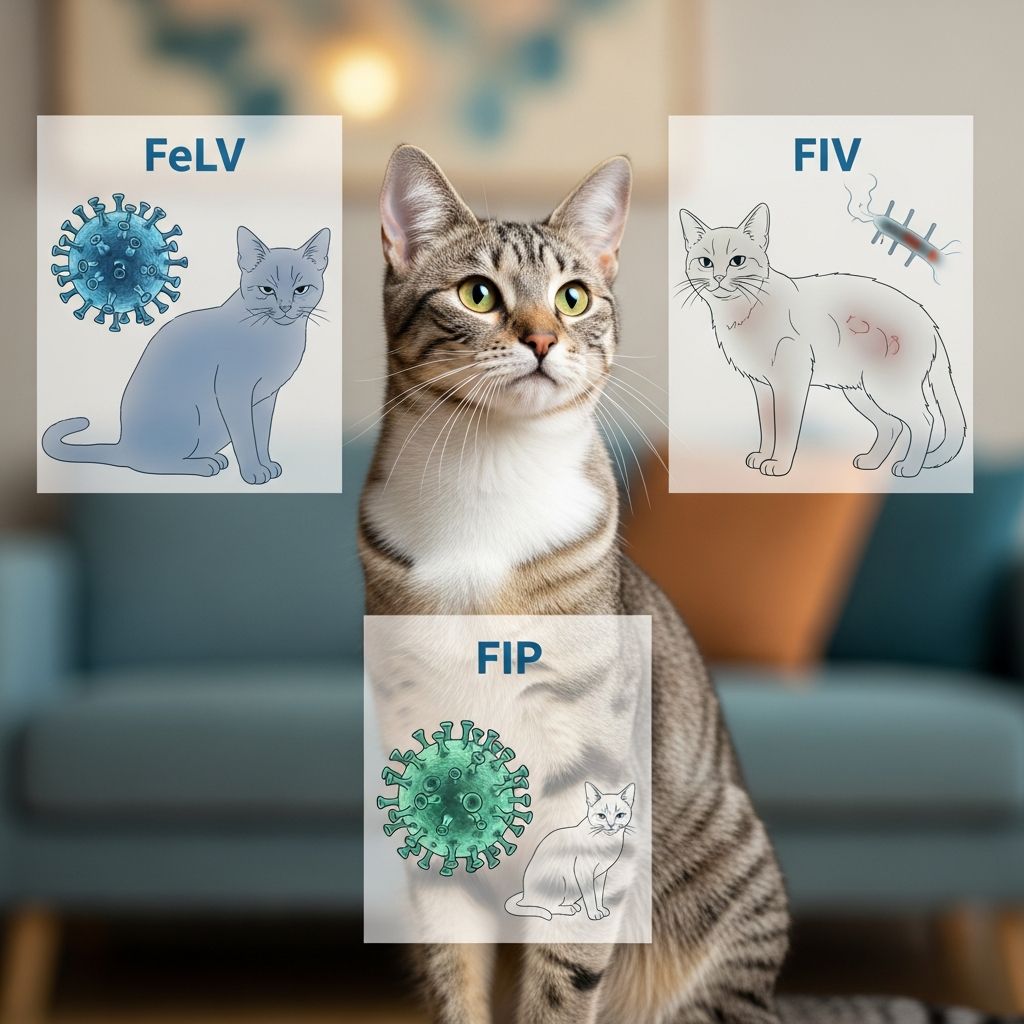
Cats face several serious viral threats that can significantly impact their health and longevity. Three of the most consequential are feline leukemia virus (FeLV), feline immunodeficiency virus (FIV), and feline infectious peritonitis (FIP). These infections present unique challenges for veterinarians and cat owners alike, as each virus behaves differently, produces distinct symptoms, and requires tailored management approaches. Understanding these conditions is essential for protecting your feline companion and making informed decisions about their care.
The Three Major Feline Viruses: An Overview
These three viral infections represent some of the most significant health threats in the feline population. While they can occur independently, cats may test positive for multiple viruses simultaneously, complicating their clinical presentation and treatment strategies. Each virus attacks the immune system or causes systemic disease through different mechanisms, yet all share the common characteristic of being difficult to cure once established.
Feline Leukemia Virus (FeLV): Nature and Prevalence
Feline leukemia virus represents one of the leading infectious causes of death in domestic cats worldwide. Unlike human leukemia, which originates from the cat’s own cells, FeLV is a retrovirus that integrates into feline cells and causes profound immunosuppression. The virus can exist in different forms within an infected cat’s body, leading to varying outcomes and prognoses.
FeLV infection occurs through direct contact with infected saliva, urine, feces, or blood. Cats living in multi-cat households, outdoor environments, or shelters face significantly higher infection risks. Mother cats can transmit the virus to kittens before birth or through nursing.
FeLV Disease Progression and Forms
FeLV infection can progress through several distinct forms:
- Progressive infection: The virus replicates continuously throughout the body, causing severe immunosuppression and disease development
- Regressive infection: The cat’s immune system partially contains the virus, though viral DNA may persist in bone marrow or other tissues
- Latent infection: The virus remains dormant, typically without clinical symptoms, though reactivation is possible under stress or immunosuppressive conditions
Recognizing Feline Leukemia Symptoms
Infected cats may display no symptoms initially, but clinical signs typically emerge as disease progresses. Common manifestations include:
- Persistent weight loss and reduced appetite
- Poor coat quality and appearance
- Chronic fever
- Pale gums and mucous membranes indicating anemia
- Enlarged lymph nodes throughout the body
- Mouth inflammation (gingivitis and stomatitis)
- Recurrent infections of the skin, urinary tract, and respiratory system
- Chronic diarrhea and digestive upset
One particularly concerning complication is FeLV-associated lymphoma. Approximately 25% of progressively infected cats develop this cancer, making them about 60 times more likely to develop lymphoma compared to non-infected cats. These lymphomas tend to be aggressive, with higher mitotic activity and poorer treatment outcomes.
Feline Immunodeficiency Virus (FIV): The Silent Threat
Feline immunodeficiency virus operates similarly to HIV in humans, gradually destroying the immune system and leaving cats vulnerable to opportunistic infections. Unlike FeLV, FIV spreads primarily through deep bite wounds, making outdoor cats and those in conflict-prone environments at higher risk. FIV transmission through casual contact or shared food bowls is extremely rare.
FIV Infection Stages
FIV infection typically progresses through recognizable stages:
- Acute phase: Brief illness with fever and lymph node enlargement, often overlooked by owners
- Chronic asymptomatic phase: Can last months or years with few visible symptoms while viral replication continues
- AIDS phase: Severe immunosuppression leads to opportunistic infections, cancers, and severe clinical disease
Many FIV-positive cats live seemingly normal lives for extended periods, though their immune capacity diminishes gradually. The timeline from infection to AIDS varies significantly among individual cats, ranging from months to several years.
Feline Infectious Peritonitis (FIP): The Variable Presentation
Feline infectious peritonitis results from a coronavirus mutation that escapes immune control. This condition presents in two primary forms with vastly different clinical pictures:
- Wet (effusive) FIP: Characterized by fluid accumulation in the abdomen or chest cavity, causing visible swelling, breathing difficulty, and rapid clinical decline
- Dry (non-effusive) FIP: More chronic presentation with fever, weight loss, lethargy, and potential neurological or ocular signs
FIP emerged from the recognition that some cats infected with feline coronavirus developed fatal disease when the virus mutated. Not all coronavirus-infected cats progress to FIP, making prediction challenging for veterinarians.
Diagnostic Approaches for Viral Detection
Accurate diagnosis is fundamental to managing these infections appropriately. Veterinarians employ several diagnostic methods depending on the suspected virus:
| Virus | Primary Diagnostic Method | Confirmatory Testing |
|---|---|---|
| FeLV | ELISA antigen test (detects virus in blood) | IFA immunofluorescence test for confirmation |
| FIV | ELISA antibody test (detects immune response) | Western blot or PCR for confirmation |
| FIP | Coronavirus antibody titer (not definitive) | PCR testing, clinical signs, and fluid analysis |
FIP diagnosis remains particularly challenging because the coronavirus antibody test indicates exposure to feline coronavirus but not necessarily FIP disease. Veterinarians must consider clinical signs, imaging findings, and laboratory patterns to reach a FIP diagnosis.
Understanding Treatment Realities
A critical fact that cat owners must understand: there is currently no cure for FeLV, FIV, or FIP. Once a cat is infected with any of these viruses, the virus persists for life, though management strategies can significantly improve quality of life.
Supportive Care Strategies for FeLV and FIV
While curative treatment remains unavailable, supportive care can extend comfortable survival periods. Management focuses on:
- Regular veterinary monitoring through bloodwork and physical examinations to detect early complications
- Aggressive prevention and treatment of secondary infections through appropriate antibiotics when necessary
- Nutritional optimization with high-quality diets supporting immune function
- Parasite control including flea, tick, and intestinal parasite prevention
- Stress minimization through stable home environments and appropriate enrichment
- Vaccination reassessment, as infected cats may require modified or more frequent vaccination protocols
Most FeLV-infected cats survive approximately three years post-diagnosis when provided with appropriate care and early intervention for complications. FIV-positive cats often enjoy longer survival periods, with many living 5-10 years or more after diagnosis.
Managing Specific Complications
As these infections progress, specific complications may require targeted intervention:
- Anemia: Blood transfusions provide temporary relief for severe anemia caused by bone marrow suppression
- Cancer: Chemotherapy may be considered for FeLV-associated lymphoma, though prognosis remains guarded due to compromised immune function
- Chronic gingivitis and stomatitis: Severe cases may require tooth extraction to eliminate sources of pain and infection
- Secondary infections: Prompt antibiotic or antifungal treatment addresses opportunistic pathogens
- Immune complications: Immunosuppressant medications may occasionally help manage specific immune-mediated conditions
Palliative Care and Quality of Life Considerations
As disease progresses, palliative care becomes increasingly important. This approach prioritizes comfort and quality of life over aggressive treatment:
- Pain management using appropriate analgesics such as buprenorphine
- Appetite stimulation through medication or highly palatable foods
- Anti-nausea medication to maintain nutritional intake
- Fluid therapy addressing dehydration from chronic illness
- Environmental modifications creating safe, low-stress spaces for rest and recovery
- Monitoring and addressing behavioral changes indicating discomfort or decline
Many infected cats experience fluctuating health with both good and challenging days. Palliative care aims to maximize comfort during difficult periods while allowing continued engagement during better times.
Prevention: The Most Effective Strategy
Given the serious nature of these infections and lack of curative treatment, prevention remains paramount:
- FeLV vaccination: Provides protection against progressive infection for most cats, though effectiveness varies. Indoor cats have lower risk but still benefit from vaccination
- FIV prevention: Vaccinations exist but offer incomplete protection; maintaining indoor status and preventing bite wounds represents primary prevention
- FIP prevention: No effective vaccine currently exists; prevention focuses on minimizing feline coronavirus exposure in multi-cat households
- Indoor housing: Eliminates exposure to infected cats and reduces disease transmission risks
- Regular testing: Early detection allows for informed decisions and appropriate management strategies
Living with Infected Cats: Practical Guidance
FeLV and FIV-positive cats can live safely in homes with other cats when appropriate precautions are implemented. FeLV spreads through direct contact, so separating infected cats from uninfected ones prevents transmission. FIV, spreading primarily through deep bite wounds, allows cohabitation with compatible cats when aggression is minimized. FIP presents greater isolation challenges due to its transmission route through feces and respiratory secretions.
Owners should discuss specific environmental management strategies with their veterinarians based on their cat’s infection status and household composition.
Prognosis and Expectations
While these diagnoses are serious, they are not automatically death sentences. Many infected cats live months or years with appropriate management. Factors influencing prognosis include:
- Age at diagnosis (kittens typically have poorer outcomes)
- Presence of concurrent infections or complications
- Owner commitment to regular veterinary care and management
- Household environment and stress levels
- Manifestation of specific complications like lymphoma
Moving Forward with Confidence
A diagnosis of FeLV, FIV, or FIP represents a significant health challenge for your feline companion, yet modern veterinary medicine offers tools to extend comfortable survival and maintain quality of life. Regular communication with your veterinarian, vigilant symptom monitoring, and commitment to supportive care create the foundation for optimal outcomes. While these infections cannot be cured, they can be managed compassionately, allowing your cat to enjoy additional years with their family.
References
- Feline Leukemia Virus Disease Complex — VCA Animal Hospitals. https://vcahospitals.com/know-your-pet/feline-leukemia-virus-disease-complex
- GUIDELINE for Feline Leukaemia Virus Infection — ABCD Cats and Vets. https://www.abcdcatsvets.org/guideline-for-feline-leukaemia-virus-infection/
- Understanding Feline Leukemia Virus (FeLV) — Charlotte Carolina Veterinary Specialists. 2024. https://www.charlotte.carolinavet.com/site/charlotte-emergency-vet-blog/2024/08/15/felv-feline-leukemia
- Feline Leukemia Virus — Cornell University College of Veterinary Medicine. https://www.vet.cornell.edu/departments/cornell-feline-health-center/health-information/feline-health-topics/feline-leukemia-virus
- Feline Leukemia in Cats: Treatment, Palliative Care & When to Consider End-of-Life Options — Paws at Peace. https://pawsatpeace.com/feline-leukemia-virus/
- Feline Leukemia: What Cat Owners Need to Know — Healthy Habits for Pets. https://healthyhabitsforpets.com/cat/feline-leukemia-what-cat-owners-need-know
- How to Stage and Treat FeLV and FIV—and How to Explain It to Clients — The Vetiverse. https://www.thevetiverse.com/en-gb/latest/how-to-stage-and-treat-felv-and-fiv-and-how-to-explain-it-to-clients/
Similar Articles








Read full bio of Sneha Tete




