

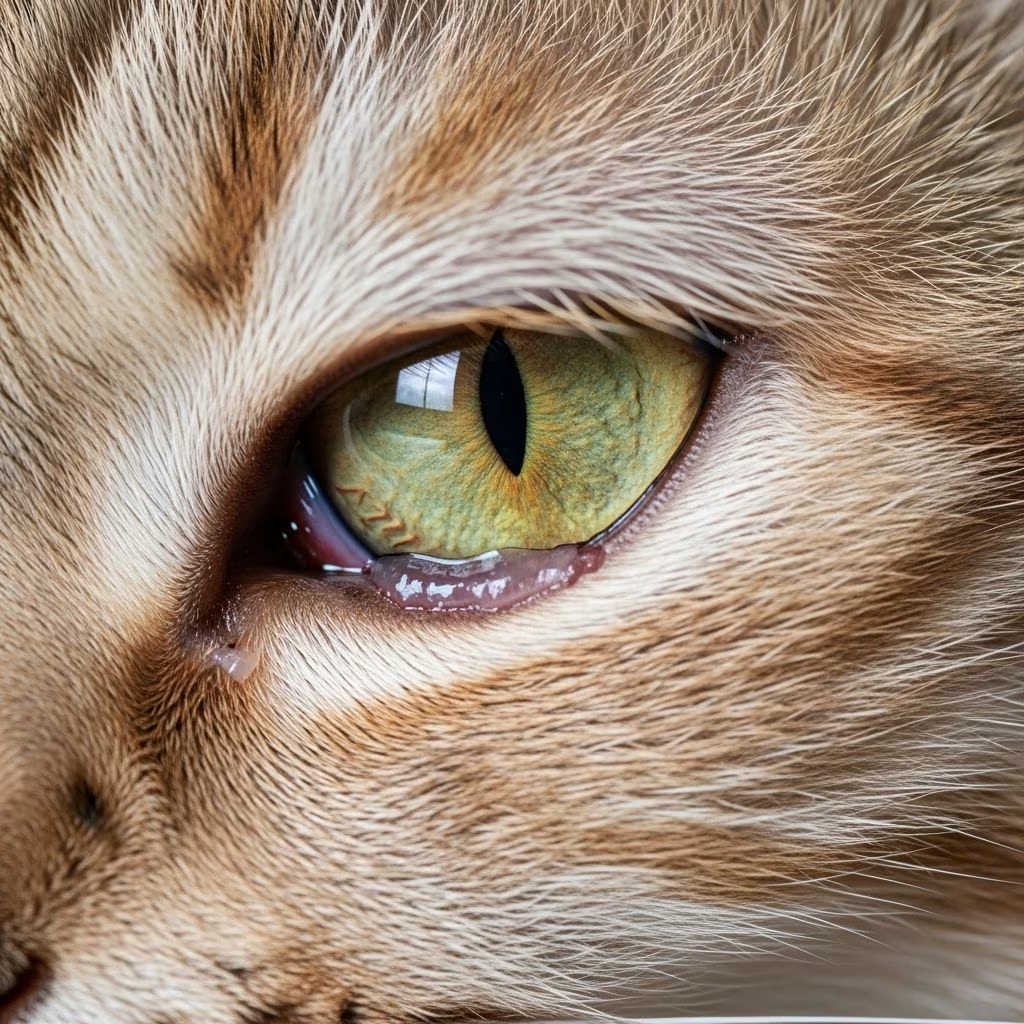
Conjunctivitis, commonly referred to as pink eye, represents one of the most frequently encountered eye conditions affecting domestic cats. This inflammatory condition targets the conjunctiva—the delicate membrane lining the inner surface of the eyelids and covering the white portion of the eye. When viral pathogens infect this sensitive tissue, cats experience discomfort, irritation, and potentially serious complications if left untreated. Recognizing the signs of viral conjunctivitis and understanding its causes empowers cat owners to seek prompt veterinary intervention and provide appropriate care.
What Triggers Viral Conjunctivitis in Cats
Viral conjunctivitis in cats stems from specific infectious agents that target the ocular tissues with particular effectiveness. The primary viral culprits responsible for conjunctival inflammation in feline populations include feline herpesvirus type 1 (FHV-1) and feline calicivirus (FCV). These two viral pathogens account for the majority of infectious conjunctivitis cases observed in veterinary practice.
Feline herpesvirus emerges as the predominant viral cause, responsible for a condition historically known as feline viral rhinotracheitis (FVR). This highly contagious virus damages epithelial cells lining the eye’s surface, initiating the inflammatory cascade characteristic of conjunctivitis. FHV-1 typically causes acute ocular surface disease manifesting as conjunctival inflammation, and in more severe presentations, corneal epithelial ulceration and keratitis.
Feline calicivirus represents the second major viral contributor to conjunctival inflammation in cats. While calicivirus frequently causes upper respiratory tract disease accompanied by oral mucosal ulceration, it can simultaneously trigger ocular surface disease. The severity of calicivirus-induced conjunctivitis varies considerably between individual cats, influenced by viral strain virulence and the host’s immune response.
Transmission of these viral agents occurs through direct contact with infected cats, respiratory secretions, or contaminated environmental surfaces. Cats housed in multi-cat environments, shelters, or catteries face elevated exposure risks. Kittens represent particularly vulnerable populations due to their developing immune systems and increased susceptibility to severe disease manifestations.
Distinguishing Viral from Bacterial and Non-Infectious Conjunctivitis
While viral infections predominate in feline conjunctivitis cases, other etiological agents can produce similar clinical presentations. Bacterial organisms including Chlamydophila felis and Mycoplasma species can initiate primary bacterial conjunctivitis, though they frequently develop as secondary infections following viral compromise of ocular surface defenses. Environmental irritants, allergens, foreign bodies, and underlying systemic conditions also precipitate conjunctival inflammation.
Differentiating viral from bacterial conjunctivitis based on clinical presentation alone proves challenging, as both conditions produce overlapping signs. Secondary bacterial superinfection commonly complicates viral conjunctivitis, further muddling the clinical picture and potentially delaying appropriate treatment. This overlap underscores the importance of veterinary examination for accurate diagnosis and targeted therapy.
Recognizing the Clinical Manifestations
Cats affected by viral conjunctivitis display characteristic signs that warrant immediate attention. Understanding these clinical indicators enables prompt recognition and veterinary consultation.
- Ocular discharge ranging from clear to purulent (yellow or green) material accumulating around the eye and on the face
- Conjunctival and episcleral redness indicating active inflammation of the membranous tissues
- Eyelid and periocular swelling causing the tissues surrounding the eye to appear puffy and enlarged
- Squinting and blepharospasm as the cat attempts to minimize light exposure and pain
- Frequent eye closure and reluctance to open the affected eye fully
- Excessive ocular tearing producing a wet appearance around the eye area
- Pawing or rubbing at the eye, sometimes with such vigor that secondary trauma occurs
- Photophobia (light sensitivity) causing the cat to prefer dimly lit areas
- Upper respiratory symptoms including sneezing, nasal discharge, and coughing, often accompanying viral conjunctivitis
These clinical signs frequently appear suddenly, particularly following stressful events such as travel, boarding, surgical procedures, or environmental changes. The acute onset distinguishes primary viral conjunctivitis from chronic or gradually progressive conditions.
Factors Predisposing Cats to Viral Conjunctivitis Recurrence
An important characteristic of feline herpesvirus involves its propensity to establish latent infection within nervous tissue. Following primary infection, the virus may remain dormant but can reactivate under specific triggering circumstances. Understanding these recrudescence factors proves essential for cats with known herpes history.
| Recrudescence Trigger | Mechanism |
|---|---|
| Systemic corticosteroid use | Immunosuppression from systemic glucocorticoid therapy |
| Ocular corticosteroid application | Local immunosuppression affecting ocular immune defenses |
| Psychological stress | Stress-induced immune dysregulation |
| Physiological stress | Disease, surgery, or metabolic challenges |
| Pregnancy and lactation | Immune system alterations during reproductive states |
| Modified live vaccine administration | Vaccine-induced immune challenge |
Recognizing these predisposing factors allows cat owners and veterinarians to minimize viral recrudescence in susceptible felines. For cats with documented herpes conjunctivitis history, careful medication selection and stress management become important preventive strategies.
The Diagnostic Process
Accurate diagnosis of viral conjunctivitis requires careful clinical evaluation by a veterinary professional. The diagnostic approach typically combines physical examination findings with selective laboratory testing when necessary.
During examination, veterinarians assess the character and quantity of ocular discharge, evaluate conjunctival appearance and chemosis (fluid accumulation within conjunctival membranes), and examine the cornea for ulceration or keratitis using specialized lighting and magnification. Fluorescein staining helps identify corneal erosions or ulcers, which appear more commonly with FHV-1 infection.
Viral culture, polymerase chain reaction (PCR) testing, or immunofluorescence techniques can confirm specific viral identification when necessary. However, most cases are diagnosed presumptively based on clinical presentation, particularly when characteristic signs accompany upper respiratory symptoms. The presence of conjunctivitis combined with sneezing, nasal discharge, and oral ulceration strongly suggests viral etiology, particularly FCV infection.
Treatment Approaches and Management Strategies
Management of viral conjunctivitis in cats involves both specific antiviral therapy and supportive care addressing secondary complications.
Antiviral Medications
Feline herpesvirus conjunctivitis responds to topical or systemic antiviral therapy, most notably with idoxuridine or acyclovir preparations. These medications inhibit viral replication within infected epithelial cells, potentially shortening disease duration and reducing severity. FHV-1 represents the only feline viral pathogen for which specific antiviral drug therapy proves effective.
Calicivirus conjunctivitis lacks specific antiviral treatments, necessitating purely supportive care approaches. The condition typically remains self-limiting, with improvement expected within one to three weeks as the immune system controls viral replication.
Supportive and Adjunctive Therapies
Regardless of specific viral etiology, supportive care measures enhance comfort and prevent complications:
- Topical lubricating eye drops maintain corneal hydration and remove irritating discharge
- Gentle cleansing of periocular area with warm water or saline solution removes accumulated discharge and reduces bacterial overgrowth risk
- Topical antibiotics address secondary bacterial infections, particularly when discharge appears purulent
- Non-steroidal anti-inflammatory drops reduce pain and inflammation, though careful application avoids corneal complications
- Environmental modifications including reduced lighting and quiet resting areas minimize photophobic discomfort
- Nutritional support and stress reduction facilitate immune function and recovery
Corticosteroid medications require cautious use in herpesviral conjunctivitis, as they may exacerbate corneal ulceration and extend recovery duration. Topical corticosteroids should generally be avoided unless specifically indicated and carefully monitored by an ophthalmologist.
Complications and When Urgent Care Becomes Necessary
While most cases of viral conjunctivitis resolve with appropriate management, certain complications warrant more aggressive intervention or specialist referral.
Corneal ulceration represents a significant complication, particularly with herpesviral infection. Deep or extensive ulcers risk perforation, potentially causing permanent vision loss. Cats displaying signs of severe pain, cloudiness in the cornea, or discharge with blood content require immediate veterinary attention. Corneal ulcers may necessitate more intensive topical therapy, protective contact lenses, or surgical intervention in severe cases.
Secondary bacterial infection with aggressive organisms can complicate primarily viral conjunctivitis, particularly when purulent discharge develops or clinical signs worsen despite initial treatment. Bacterial culture and sensitivity testing guide antibiotic selection in refractory cases.
Chronic dry eye (keratoconjunctivitis sicca) can develop as a long-term consequence of severe herpesviral infection, permanently affecting tear production and requiring lifelong management with artificial tears and other supportive therapies.
Prognosis and Long-Term Outlook
The prognosis for cats with viral conjunctivitis generally remains favorable with appropriate veterinary care. Most cases resolve completely within two to four weeks, with FHV-1 conjunctivitis typically following a self-limiting course. Early intervention produces optimal outcomes, as delayed treatment increases the risk of complications including corneal damage.
Cats with FHV-1 infection should anticipate potential recrudescence episodes throughout their lives, particularly during stressful circumstances. Long-term management involves recognizing prodromal signs and minimizing triggering factors when possible. Some cats experience recurrent conjunctivitis episodes separated by periods of clinical health, while others may develop chronic low-grade inflammation.
Frequently Asked Questions
Can viral conjunctivitis spread between cats?
Yes, both FHV-1 and FCV spread readily through respiratory secretions, direct contact, and contaminated surfaces. Infected cats shed virus for varying periods during and sometimes after apparent recovery. Multi-cat households should implement isolation protocols to prevent transmission to uninfected felines.
Is viral conjunctivitis contagious to humans?
Feline viral conjunctivitis pathogens do not infect humans. These viruses maintain species-specific host ranges, affecting only cats and not posing zoonotic transmission risks.
How long does recovery typically require?
Most cases resolve within two to four weeks with appropriate treatment. Calicivirus conjunctivitis tends toward the shorter end of this range, while herpesviral cases may require extended management.
What preventive measures reduce conjunctivitis risk?
Vaccination against feline herpesvirus and calicivirus provides strong protection against these pathogens. Minimizing stress, maintaining environmental sanitation, and limiting exposure to unknown cats also reduce infection risk.
Can recurrent conjunctivitis be prevented?
In herpesvirus-positive cats, minimizing stress through environmental enrichment and careful medication selection helps prevent recrudescence. However, preventing all recurrence episodes proves impossible once latent infection establishes.
References
- Ocular manifestations of feline viral diseases — PubMed Central, National Institutes of Health. 2020. https://pmc.ncbi.nlm.nih.gov/articles/PMC7110540/
- Feline Herpes Viral Conjunctivitis — VCA Animal Hospitals. https://vcahospitals.com/know-your-pet/conjunctivitis-feline-herpes-viral
- Conjunctivitis in Cats — VCA Animal Hospitals. https://vcahospitals.com/know-your-pet/conjunctivitis-in-cats
- Conjunctivitis in Cats: A Comprehensive Guide for Pet Owners — MedVet. https://www.medvet.com/conjunctivitis-in-cats/
- Conjunctivitis — Cornell University College of Veterinary Medicine. https://www.vet.cornell.edu/departments-centers-and-institutes/cornell-feline-health-center/health-information/feline-health-topics/conjunctivitis
- Kitten & Cat Conjunctivitis — Animerge Veterinary Emergency Clinic. 2023. https://www.animergevets.com/site/blog/2023/02/28/conjunctivitis-in-cats



