

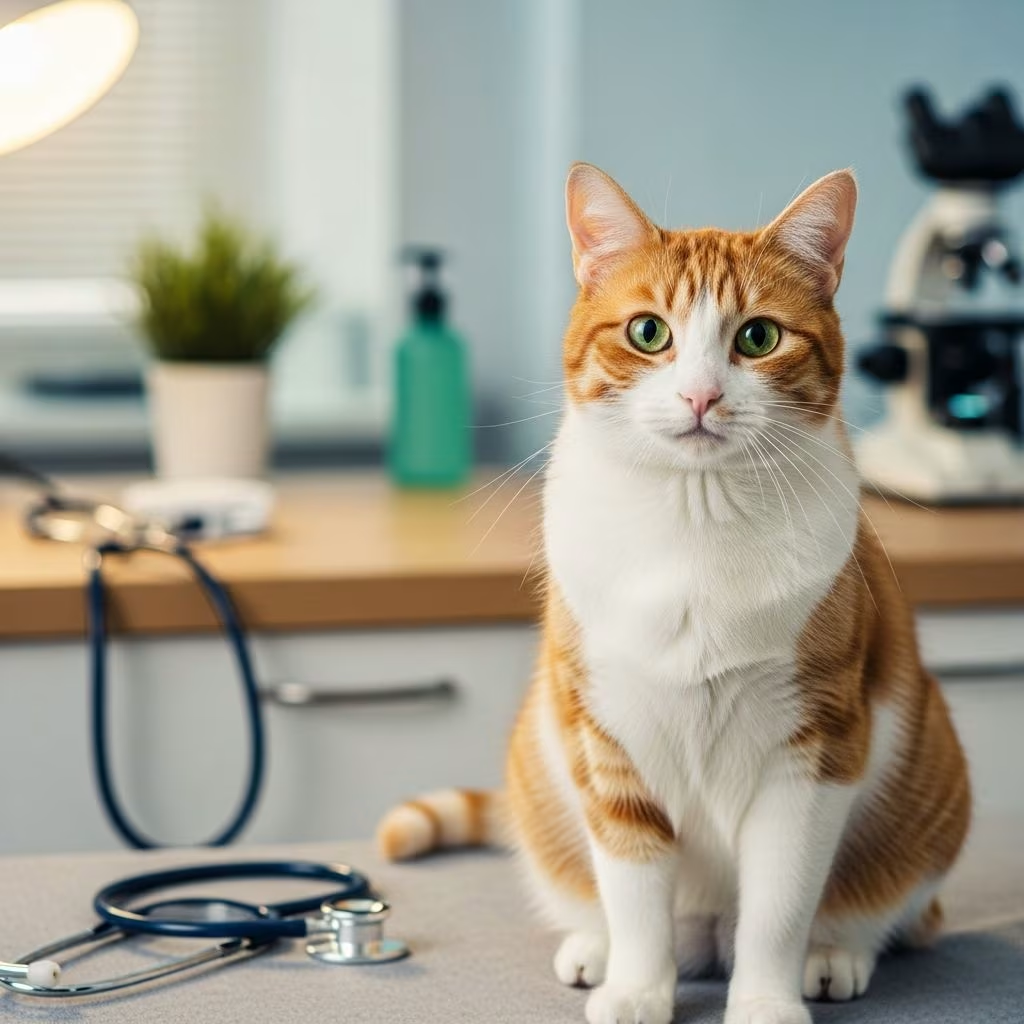
Establishing a consistent veterinary care schedule is one of the most important responsibilities of cat ownership. Unlike dogs, cats are naturally skilled at concealing signs of illness, making regular professional examinations essential for detecting health problems before they become serious. Understanding the appropriate frequency of veterinary visits based on your cat’s age and health status can help you maintain your feline companion’s wellbeing throughout their lifetime.
Why Regular Veterinary Examinations Matter for Cats
Cats possess an instinctive ability to mask discomfort and illness, a behavioral trait inherited from their wild ancestors. This survival mechanism means that by the time a cat exhibits obvious symptoms of disease at home, the underlying condition may already be advanced. Professional veterinarians are trained to identify subtle changes during physical examinations that cat owners might easily overlook.
Routine veterinary visits serve multiple critical functions beyond treating acute illness. During these appointments, veterinarians perform comprehensive physical examinations that can reveal enlarged lymph nodes, abnormal heart rhythms, skin abnormalities, and abdominal masses—conditions that might otherwise go undetected for months or years. Additionally, diagnostic blood work performed during wellness visits can identify metabolic disorders such as diabetes and chronic kidney disease before clinical signs appear in your home environment.
Early detection of health problems fundamentally changes treatment outcomes. When diseases are identified in their initial stages, intervention options expand considerably, often resulting in better prognoses and improved quality of life for your cat. This proactive approach to feline healthcare is significantly more effective and typically more affordable than treating advanced disease.
The Kitten Stage: Frequent Veterinary Monitoring
Kittens require the most frequent veterinary attention of any feline life stage. During their first year of life, kittens should visit their veterinarian every three to four weeks until approximately six months of age. This intensive schedule ensures proper administration of core vaccinations and allows veterinarians to monitor normal growth and development.
Initial Kitten Appointments and Vaccinations
The first veterinary visit typically occurs within the first few weeks after adoption or birth. During these early appointments, your veterinarian will establish baseline health information and initiate a vaccination protocol. Core vaccines for kittens generally include protection against:
- Feline herpesvirus and calicivirus (upper respiratory complex)
- Feline panleukopenia (distemper)
- Rabies (required by law in many jurisdictions)
Rabies vaccination is particularly important as it is legally mandated in most regions and is essential for protecting both your cat and your household members from this fatal disease. Initial rabies vaccination typically occurs at 12 weeks of age, with boosters following the manufacturer’s recommendations.
Spaying and Neutering Considerations
Between five and six months of age, most veterinarians recommend scheduling spaying or neutering procedures if your kitten has not already been sterilized. Many kittens adopted from animal shelters have already undergone these procedures, but if your kitten has not, this timeline represents the standard recommendation. Spaying and neutering prevent unwanted reproduction, reduce behavioral problems, and decrease the risk of certain cancers and reproductive diseases.
Transition to Annual Wellness Exams
Once your kitten reaches approximately one year of age, veterinary visit frequency transitions from the intensive kitten schedule to annual wellness examinations. This change reflects the shift from growth and developmental monitoring to established adult healthcare maintenance.
Adult Cats: Annual Wellness Examination Protocol
Healthy adult cats aged one through ten years should visit their veterinarian at least once annually for comprehensive wellness examinations. This single annual visit represents the minimum recommended frequency and should not be viewed as optional even if your cat appears healthy.
Components of Adult Cat Wellness Visits
During annual wellness appointments for adult cats, veterinarians typically perform the following assessments:
| Examination Component | Purpose |
|---|---|
| Physical Examination | Detection of abnormalities in body condition, coat quality, and internal structures through palpation |
| Dental Assessment | Evaluation of tooth health and identification of gum disease or tooth decay |
| Weight Monitoring | Tracking weight changes and discussing appropriate nutrition and diet |
| Vaccine Booster Administration | Maintenance of immunity to infectious diseases through periodic vaccination |
| Parasite Prevention | Application or prescription of medications to prevent fleas, ticks, and internal parasites |
| Behavioral Discussion | Review of any changes in behavior, appetite, or elimination patterns |
Even for indoor-only cats, annual veterinary examination should not be skipped. Many cat owners mistakenly believe that cats confined exclusively indoors have no need for regular veterinary care, but indoor cats remain susceptible to various health conditions and infectious diseases that can develop regardless of lifestyle.
Life Stage Considerations Within Adulthood
While annual visits represent the standard for adult cats, veterinarians often distinguish between two adult life stages with slightly different monitoring approaches:
Young Adult Cats (Ages 1-6 years): These cats are typically in their healthiest phase. Wellness visits focus on maintaining vaccine status, ensuring parasite prevention, monitoring weight, and establishing baseline health information for future comparison. During this period, blood work may be performed to establish normal baseline values specific to your individual cat.
Mature Adult Cats (Ages 7-10 years): As cats approach their senior years, veterinarians often recommend beginning more detailed health monitoring. While annual visits remain the standard, some practitioners suggest increasing frequency to twice yearly during this transition phase. Blood work and other diagnostic tests may become part of the regular wellness protocol to detect early signs of age-related diseases.
Senior Cats: Increased Monitoring and Preventive Focus
Cats are typically classified as seniors at ten to eleven years of age, though some cats may not show obvious signs of aging until later. Senior cats experience significant physiological changes and develop age-related health conditions at much higher rates than younger cats. Consequently, veterinary care recommendations change substantially for this population.
Recommended Visit Frequency for Senior Cats
Once your cat reaches senior status, veterinary visits should increase to at least twice yearly—ideally every six months. For cats over fifteen years of age, some veterinarians recommend visits as frequently as every four months to closely monitor rapidly changing health status. This increased frequency allows veterinarians to detect subtle changes in health status before they progress to advanced disease.
Diagnostic Protocols for Senior Cats
Senior cat wellness visits typically include more extensive diagnostic testing than younger adult cats receive. Senior blood chemistry panels become standard components of wellness visits, providing detailed information about organ function and metabolic status. These baseline measurements allow veterinarians to identify changes over time and detect developing conditions such as:
- Chronic kidney disease (extremely common in senior cats)
- Diabetes mellitus
- Thyroid dysfunction
- Liver disease
- Cancer and malignancy
Regular blood testing in senior cats serves as an early warning system for many conditions that, when detected early, can be managed more effectively and may improve both quantity and quality of remaining lifespan.
Managing Cats With Chronic Health Conditions
Cats diagnosed with chronic illnesses or pre-existing health conditions require veterinary visit frequencies tailored to their specific circumstances. The presence of conditions such as diabetes, chronic kidney disease, hyperthyroidism, or cancer necessitates more frequent monitoring than healthy cats of the same age.
Your veterinarian will establish an appropriate visit schedule based on the specific condition, its stage, current treatment protocols, and your cat’s response to therapy. Some chronically ill cats may require monthly visits initially, while others might stabilize with quarterly appointments. Regardless of the schedule, cats with diagnosed health conditions should never be left without veterinary oversight for extended periods.
Emergency Situations: When to Seek Immediate Care
Beyond the scheduled wellness visits outlined above, cat owners should seek immediate veterinary attention whenever their cat exhibits signs of acute illness or injury. Signs requiring urgent veterinary evaluation include:
- Difficulty breathing or labored respiration
- Sudden loss of appetite lasting more than one day
- Vomiting or diarrhea
- Inability to urinate or defecate
- Lethargy or unusual unresponsiveness
- Trauma from falls or accidents
- Seizures or loss of consciousness
- Excessive drooling or difficulty swallowing
Do not delay seeking emergency care while waiting for a scheduled appointment. Acute conditions can deteriorate rapidly, and prompt veterinary intervention is essential.
Creating an Effective Veterinary Care Schedule
To ensure your cat receives appropriate veterinary attention, consider implementing these practical strategies:
- Schedule wellness appointments at the same time each year (or twice yearly for seniors) and set calendar reminders
- Discuss your cat’s individual risk factors with your veterinarian to determine optimal visit frequency
- Keep detailed records of all veterinary visits, test results, vaccinations, and medications
- Prepare a list of behavioral or health observations to discuss during appointments
- Establish a relationship with a trusted veterinarian who knows your cat’s individual health history
- Consider pet insurance to help manage veterinary costs and remove financial barriers to necessary care
The Long-Term Benefits of Consistent Veterinary Care
Maintaining a consistent veterinary care schedule throughout your cat’s lifetime provides substantial health benefits. Cats that receive regular preventive care experience earlier detection of diseases, more treatment options when problems are identified, and generally better health outcomes than cats with sporadic veterinary attention. The investment in preventive care typically proves more cost-effective than managing advanced disease, as early interventions often require less extensive (and therefore less expensive) treatment.
Beyond the physical health benefits, consistent veterinary relationships provide peace of mind for cat owners. Knowing that your cat receives regular professional monitoring allows you to feel confident that potential health problems will be identified before they become life-threatening emergencies.
References
- Routine Health Care of Cats — Merck Veterinary Manual. Accessed January 2026. https://www.merckvetmanual.com/cat-owners/caring-for-cats/routine-health-care-of-cats
- How Often Should You Take Your Cat to the Vet? — GoodRx. Accessed January 2026. https://www.goodrx.com/pet-health/cat/how-often-take-vet
- How Often Do You Take Your Cat to The Veterinarian? — PetMD. Accessed January 2026. https://www.petmd.com/cat/general-health/how-often-to-take-cat-to-veterinarian
- Preventive Health Care Guidelines for Cats — VCA Animal Hospitals. Accessed January 2026. https://vcahospitals.com/know-your-pet/preventive-health-care-guidelines-for-cats
- How often should a cat go to the veterinarian? — Merck Animal Health. Accessed January 2026. https://www.merck-animal-health-usa.com/pet-owners/veterinary-visits/how-often-should-a-cat-go-to-the-veterinarian/
- How often do you take a cat to the vet? — Carolina Veterinary Specialists – Charlotte. Accessed January 2026. https://www.charlotte.carolinavet.com/site/charlotte-emergency-vet-blog/2024/05/15/cat-vet-appointments
- Frequency of veterinary visits — American Animal Hospital Association (AAHA). Accessed January 2026. https://www.aaha.org/frequency-of-veterinary-visits/



