

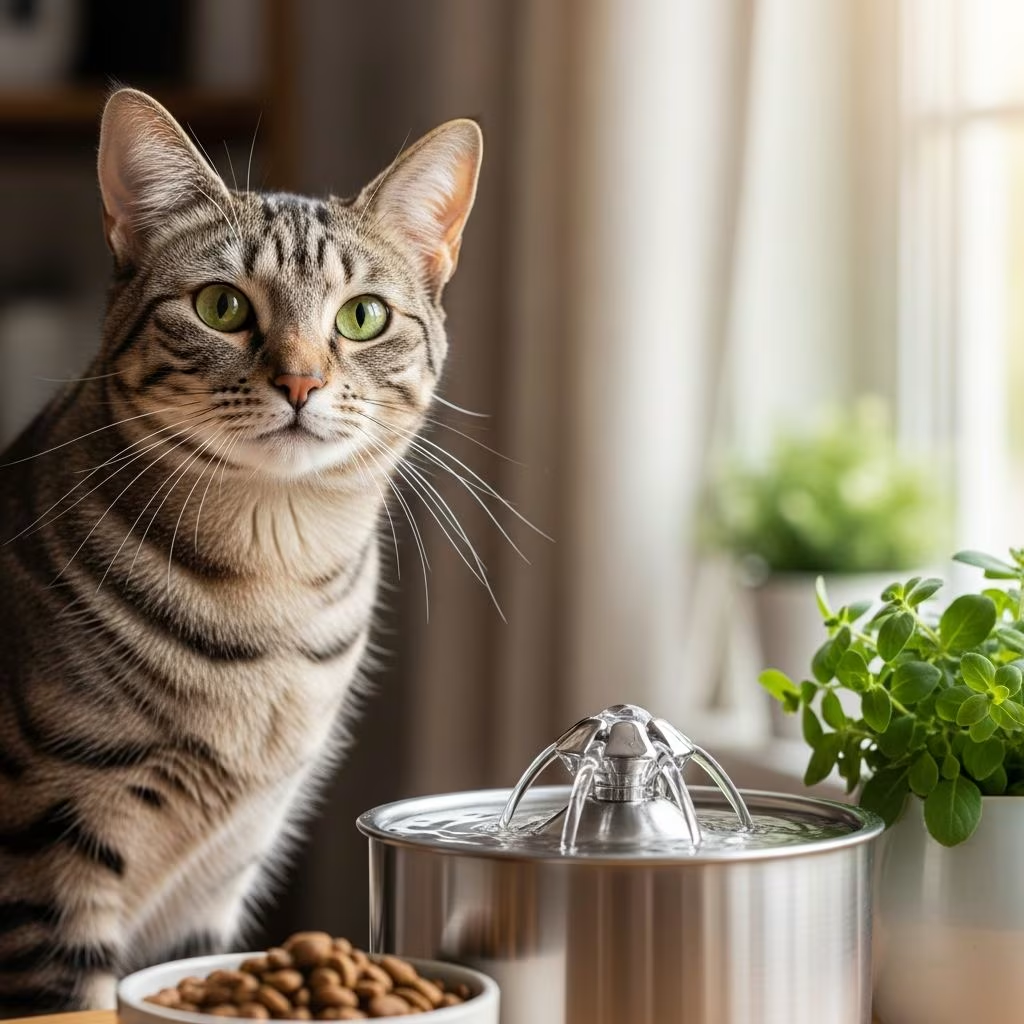
What You Should Know About Feline Urinary and Kidney Health
Kidney and urinary tract health is fundamental to your cat’s overall wellbeing. These vital systems work together to eliminate waste, maintain proper hydration, regulate electrolytes, and produce essential hormones. Understanding how these systems function and recognizing potential problems early can significantly impact your cat’s quality of life and longevity. Many cat owners are unaware that kidney disease affects up to 40% of cats over the age of 10 and as many as 80% of cats over 15 years old, making this one of the most prevalent health concerns in senior felines.
Understanding Your Cat’s Kidney and Urinary Systems
The kidney and urinary systems work in tandem to maintain your cat’s health. The kidneys filter waste products from the bloodstream, regulate blood pressure, maintain electrolyte balance, control hydration levels, and produce erythropoietin, a hormone essential for red blood cell production. The urinary system, comprising the kidneys, ureters, bladder, and urethra, removes these waste products and excess fluids from the body.
When functioning properly, this system ensures that harmful substances are filtered out while essential nutrients are retained. However, when kidney or urinary function becomes compromised, the consequences can be serious. A buildup of toxins in the circulatory system can develop, electrolytes and fluids can become imbalanced, and hypertension may develop, further damaging kidney tissue.
Common Feline Kidney and Urinary Diseases
Several conditions can affect your cat’s kidney and urinary health. Understanding these diseases helps you recognize symptoms and seek timely veterinary care.
Chronic Kidney Disease (CKD)
Chronic kidney disease represents a gradual decline in kidney function over time and is significantly more prevalent in older cats. CKD is marked by a persistent loss of kidney function that develops slowly, often without obvious clinical signs in the early stages. Symptoms can include lethargy, weight loss, decreased appetite, increased thirst, increased urination, and gastrointestinal issues. Many cats show no obvious clinical signs in the early stages of CKD, which underscores the importance of regular veterinary exams and monitoring bloodwork for all senior and geriatric cats. Early diagnosis gives the best chance for a longer and healthier life.
Cats diagnosed with chronic kidney disease typically exhibit raised Blood Urea Nitrogen (BUN) and Creatinine levels, elevated SDMA levels, and non-regenerative anemia. High phosphorus levels may also be present, and the cat’s urine will typically be dilute.
Kidney Stones
Kidney stones, also known as uroliths, are mineral-based formations that develop within the kidneys or the urinary tract. These stones vary in size and composition and may form due to diet, changes in urinary pH, and hydration levels. Symptoms of kidney stones include difficulty urinating, a frequent need to urinate, and blood in the urine. If left untreated, kidney stones can cause serious complications and may require veterinary intervention.
Urinary Tract Infections (UTIs)
Urinary tract infections are bacterial infections that can impair kidney function if left untreated. Red flags of a UTI include straining to urinate, blood in the urine, frequent licking or grooming of the genital area, changes to litter box visits or accidents around the house, and strong or foul-smelling urine odor. Prompt treatment is essential to prevent the infection from ascending to the kidneys.
Feline Idiopathic Cystitis
Feline idiopathic cystitis (FIC) is inflammation of the bladder with no identifiable cause. This condition can result in dysuria (painful urination), hematuria (blood in urine), periuria (urinating outside the litter box), and pollakiuria (frequent urination). FIC is often chronic and recurrent in nature.
Urethral Obstruction
Urethral obstruction occurs almost exclusively in male cats and represents a manifestation of lower urinary tract disease with life-threatening complications. This condition requires immediate veterinary attention as it can lead to complete urinary blockage, causing a medical emergency.
Recognizing Signs of Kidney and Urinary Disease
Early detection of kidney and urinary diseases is crucial for effective management. Cat owners should familiarize themselves with the following warning signs:
Key Symptoms to Monitor
Changes in Water Consumption and Urination: Cats may drink more and subsequently urinate larger volumes, which can be an early indicator of kidney issues. Increased thirst and increased urination are classic signs of kidney disease progression.
Weight Loss: Unexplained weight loss is often accompanied by a deterioration in the cat’s overall appearance and coat quality. This symptom frequently indicates declining kidney function.
Litter Box Changes: One of the most effective ways to detect early signs of kidney and urinary diseases is through vigilant litter box monitoring. More urine than usual can indicate kidney disease, while straining, small frequent urinations, or accidents outside the litter box may indicate urinary tract problems.
Appetite and Behavior Changes: Loss of appetite, lethargy, oral problems, digestive issues, and general behavioral changes can all indicate kidney or urinary problems. Some cats may experience temperature changes or edema (swelling).
Urine Characteristics: Blood in the urine, unusual urine color, or strong-smelling urine are all red flags requiring veterinary evaluation.
Diagnostic Process
When you suspect kidney or urinary issues, your veterinarian will conduct a thorough evaluation. The diagnostic process typically includes:
Blood Tests
Essential for assessing kidney function and overall health. Blood work reveals BUN, creatinine, SDMA levels, phosphorus concentrations, and red blood cell counts. These values provide crucial information about how well the kidneys are filtering waste and maintaining electrolyte balance.
Urine Tests
A urinalysis helps evaluate kidney performance and detects urinary tract infections. Your veterinarian will consider the concentration of the urine (urine specific gravity), its pH, and the presence of blood cells, bacteria, and other cells that generally should not be found in feline urine. These results provide important information regarding kidney health.
Imaging Studies
Ultrasound provides a visual assessment of the kidney and bladder structure, and examination of the kidneys, ureters, and other abdominal organs may reveal abnormalities. Abdominal radiography (including the caudal abdomen) is recommended to exclude small stones, particularly in regions where pathology is commonly found. Both imaging modalities are ideally recommended to fully assess the urinary system.
Blood Pressure Measurement
High blood pressure can be a consequence of kidney disease and may also contribute to further kidney damage. Regular blood pressure monitoring is part of comprehensive kidney disease management.
Additional Procedures
Cystoscopy, a camera examination of the urethra and bladder, may be performed for cats with persistent urinary tract issues. CT scanning may also be recommended in certain cases.
Prevention Strategies for Optimal Urinary and Kidney Health
While some kidney and urinary conditions cannot be entirely prevented, several strategies can significantly reduce risk and support long-term health:
Hydration and Water Management
Ensuring adequate hydration is one of the most important preventive measures. Always provide your cat with access to clean, fresh water. The FDA recommends cleaning your pet’s water bowl daily with pet-safe soap to remove bacteria and biofilm buildup. Keep track of your pet’s water intake and ensure they are actively hydrating throughout the day. Proper hydration helps flush the kidneys and urinary tract, preventing the buildup of toxins and crystals.
Balanced Diet
A balanced diet plays a crucial role in the health of a cat’s kidney and urinary systems. Feed a high-quality diet appropriate for your cat’s age and health status. Once renal disease is diagnosed, a renal-specific food is recommended to support kidney function. Diets specifically formulated for urinary support can help prevent the formation of urinary stones and crystals. A urinary support diet ensures adequate water intake alongside proper nutrition to maintain urine dilution and optimal pH levels, reducing the risk of stress cystitis. Diets higher in phosphorus, sodium, and protein may lead to kidney disease or exacerbate existing conditions.
Regular Exercise
Provide your cat with regular exercise to help support kidney function and maintain overall health. Physical activity supports cardiovascular health, which in turn supports kidney function.
Regular Veterinary Care
Regular visits to the veterinarian are crucial for early diagnosis and ongoing management of kidney and urinary diseases. Make regular veterinary visits a priority, especially as your cat gets older, to keep track of their blood work, urine tests, and blood pressure. These practices are your best tools for catching potential problems early and keeping your cat healthy and happy.
Treatment and Management Options
Treatment for kidney and urinary diseases varies depending on the specific condition and its severity. A comprehensive management plan typically includes:
Medication Management
Various medications may be prescribed to manage specific conditions. These can include antibiotics for infections, medications to control hypertension, and drugs to reduce inflammation within the urinary tract. Your veterinarian will determine the most appropriate medications based on your cat’s specific diagnosis.
Blood Pressure Control
High blood pressure can be damaging to the kidneys, so maintaining normal pressure is crucial. Blood pressure management is an important component of CKD care and helps slow disease progression.
Nutritional Support
B-complex vitamins are essential for general health and can help support kidney function. Therapeutic diets specifically formulated for kidney or urinary support are often recommended as part of long-term management.
Infection Control
Using medications to manage infections and reduce inflammation within the urinary tract is essential for preventing complications and improving quality of life.
Fluid Therapy
In some cases, subcutaneous or intravenous fluid therapy may be recommended to support kidney function and help flush the system. Your veterinarian will determine if this is appropriate for your cat’s condition.
Frequently Asked Questions
Q: What is the difference between kidney disease and urinary tract disease in cats?
A: Kidney disease involves a decline in kidney function and the kidneys’ ability to filter waste and regulate fluids. Urinary tract disease involves the structures that collect and eliminate urine (ureters, bladder, and urethra). Both can occur independently or together, and both require veterinary evaluation and treatment.
Q: How often should my senior cat visit the veterinarian?
A: Senior cats (typically over 7 years old) should visit the veterinarian at least twice yearly for wellness exams and bloodwork. For geriatric cats (over 15 years old) or those with existing health conditions, more frequent visits may be recommended.
Q: Can kidney disease in cats be cured?
A: Unfortunately, chronic kidney disease cannot be cured, but it can be managed effectively with proper diet, medication, hydration support, and regular monitoring. Early detection and intervention can significantly slow disease progression and extend your cat’s quality life.
Q: What should I do if I notice my cat straining to urinate?
A: Straining to urinate is a medical concern that requires immediate veterinary attention, especially in male cats where urethral obstruction can become life-threatening. Contact your veterinarian as soon as possible for evaluation and diagnosis.
Q: Are certain cat breeds more prone to kidney disease?
A: While kidney disease can affect any cat, it is more common in older cats regardless of breed. However, some breeds may have genetic predispositions to certain urinary conditions. Discuss breed-specific concerns with your veterinarian.
Q: How can I encourage my cat to drink more water?
A: Many cats prefer moving water, so consider a cat water fountain. Place multiple water bowls throughout your home, use shallow bowls (as cats prefer), keep water away from food and litter boxes, and ensure water is fresh and clean. Some cats may also increase water intake through wet food or broths.
Q: What does dilute urine mean in cats?
A: Dilute urine indicates that the urine is more watered down than normal, which can be a sign of kidney disease or excessive water intake. While some dilution is normal in well-hydrated cats, abnormally dilute urine (low specific gravity) may indicate kidney disease and should be evaluated by a veterinarian.
References
- Chronic Kidney Disease — Cornell University College of Veterinary Medicine. January 2025. https://www.vet.cornell.edu/departments-centers-and-institutes/cornell-feline-health-center/health-information/feline-health-topics/chronic-kidney-disease
- ISFM Consensus Guidelines on the Diagnosis and Management of Feline Chronic Kidney Disease — International Society of Feline Medicine. PubMed Central. https://pmc.ncbi.nlm.nih.gov/articles/PMC11148907/
- 2025 iCatCare consensus guidelines on the diagnosis and management of feline lower urinary tract diseases — International Cat Care. SAGE Journals. https://journals.sagepub.com/doi/10.1177/1098612X241309176
- The Urinary System of Cats — MSD Veterinary Manual. https://www.msdvetmanual.com/cat-owners/kidney-and-urinary-tract-disorders-of-cats/the-urinary-system-of-cats
- Feline & Canine Kidneys: A Guide to Managing Renal Health — Veterinary Society of Surgical Oncology. https://vssoc-avsg.com/blog/managing-renal-health/



