

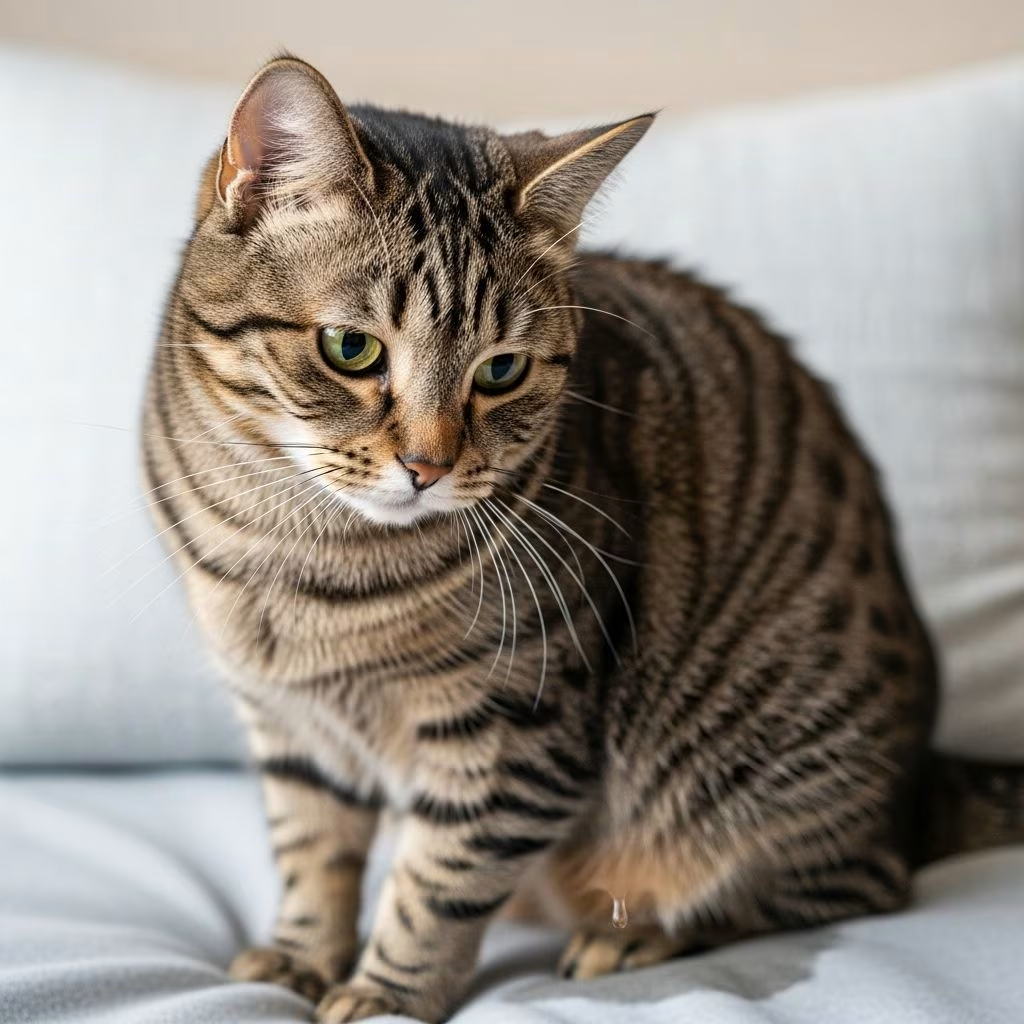
Understanding Feline Urinary Incontinence
Urinary incontinence in cats is a condition characterized by the involuntary leakage or loss of bladder control, resulting in unintended urination. Unlike inappropriate elimination, where cats deliberately urinate outside the litter box, incontinence involves the cat being unable to control the release of urine, often without their awareness. This condition can range from minor dribbling to complete loss of bladder control and significantly impacts both the cat’s quality of life and the household environment. Understanding this condition is crucial for cat owners, as early detection and intervention can help manage symptoms and improve outcomes.
Common Symptoms of Urinary Incontinence in Cats
Recognizing the signs of urinary incontinence is essential for early detection and treatment. Symptoms of feline urinary incontinence can vary depending on the severity and underlying cause.
– Involuntary urine leakage during sleep or rest- Wet spots or puddles in the cat’s sleeping areas or bedding- Wet fur on the lower abdominal area or between the rear legs- Constant licking of the genital area or surrounding skin- Trails of urine around the house as the cat moves- Urine staining or discoloration on the cat’s fur- Ammonia smell from dried urine on the cat’s body or bedding- Skin inflammation or irritation around the genital area- Wet spots left behind when the cat stands or rises- Increased frequency of urination attempts
If you notice any of these symptoms in your cat, it’s important to consult with your veterinarian promptly. Some symptoms, such as wet spots in bedding or trails of urine, may be more noticeable than others, particularly if your cat spends significant time sleeping or resting in specific locations.
Primary Causes of Feline Urinary Incontinence
Urinary Tract Infections (UTIs)
Urinary tract infections represent one of the most common causes of incontinence in cats. Infections in the bladder or urethra irritate the bladder lining, creating an urgent need to urinate. This inflammation can cause involuntary urination and difficulty controlling bladder function. Prolonged or chronic bladder infections can even scar the bladder tissue, affecting its ability to hold urine normally. UTIs are typically treatable with antibiotics, making prompt diagnosis and treatment essential.
Spinal Cord Injury or Disease
Spinal cord problems represent a significant cause of urinary incontinence in cats. Cats’ exploratory nature puts them at risk for injuries from falls, vehicle accidents, or trauma. Spinal cord lesions, vertebral misalignment, or disc issues can interfere with the neural pathways that control urination. The spinal cord contains crucial nerve connections that regulate bladder function, and any disruption to these pathways can result in loss of bladder control. Upper motor neuron lesions and lower motor neuron lesions produce different presentations of incontinence, affecting how the condition manifests.
Hormonal Imbalances
Hormonal imbalances, particularly estrogen deficiency in spayed females and testosterone deficiency in neutered males, can cause incontinence. These hormones play a crucial role in maintaining the muscle tone of the urethral sphincter, the valve-like mechanism that controls urine flow. Hormone-responsive incontinence typically develops in middle-aged to older spayed females, often appearing several years after the spaying procedure. This type of incontinence is often treatable with hormone replacement therapy or other medications.
Age-Related Factors
As cats age, they become more susceptible to incontinence for multiple reasons. Aging can weaken the urethral sphincter, reducing its ability to maintain a tight seal and control urine flow. Additionally, senior cats may experience cognitive decline, affecting their awareness of bladder fullness. Combined with potential development of age-related diseases, incontinence becomes increasingly common in older cats.
Obesity
Excess weight significantly increases the risk of urinary incontinence in cats through multiple mechanisms. Obesity increases the likelihood of developing conditions like diabetes, kidney disease, and urinary stones, all of which can contribute to incontinence. Additionally, excess weight can disrupt hormone levels that normally signal bladder fullness and the need to urinate. Obesity is also associated with increased susceptibility to urinary tract infections, which directly cause incontinence.
Underlying Medical Conditions
Various diseases that cause excessive water consumption can lead to incontinence, including diabetes, kidney disease, and hyperadrenocorticism. Cancer of the bladder or surrounding tissue may prevent the sphincter from closing properly, allowing urine to leak. Partial urinary obstructions, often caused by urinary stones or other blockages, can result in overflow incontinence as urine accumulates in an overfilled bladder.
Anatomical Abnormalities
Some cats are born with congenital anatomic abnormalities affecting the urinary system. Ectopic ureters, where the tubing connecting the kidney to the bladder opens in an abnormal location, bypass the bladder entirely and allow constant urine leakage. These structural defects present from birth and typically require surgical correction for management.
Urethral Sphincter Mechanism Incompetence (USMI)
Urethral sphincter mechanism incompetence represents a failure of the valve-like sphincter to maintain adequate pressure to retain urine in the bladder. This condition results in stress incontinence, where urine leaks during physical activity, coughing, or when intra-abdominal pressure increases. USMI is often related to hormonal insufficiency or idiopathic weakness of the sphincter.
Diagnosis of Feline Urinary Incontinence
Proper diagnosis is essential for determining the underlying cause and developing an effective treatment plan. Your veterinarian will employ several diagnostic approaches:
Medical History and Physical Examination
Your veterinarian will begin by gathering detailed information about your cat’s symptoms, including when incontinence started, frequency, and any triggering factors. A thorough physical examination will assess your cat’s overall health, including abdominal palpation to evaluate the bladder, spine, and neurological function.
Urinalysis and Urine Culture
These tests analyze urine samples to detect infections, crystals, blood, or other abnormalities indicating urinary tract disease. A urine culture identifies specific bacteria present in UTIs, guiding appropriate antibiotic selection.
Blood Work
Blood tests evaluate kidney function, glucose levels, and other parameters to identify underlying systemic diseases like diabetes or kidney disease that may contribute to incontinence.
Imaging Studies
X-rays and ultrasound may be recommended to visualize the bladder, urethra, and surrounding structures, identifying stones, tumors, or structural abnormalities. Advanced imaging like CT or MRI may be necessary to evaluate spinal cord conditions.
Neurological Assessment
If spinal cord disease is suspected, your veterinarian may perform detailed neurological testing to assess nerve function and determine the location and severity of spinal involvement.
Treatment Options for Feline Urinary Incontinence
Medication
Pharmacological treatment depends on the underlying cause. Antibiotics treat bacterial urinary tract infections. Hormone replacement therapy, including estrogen or testosterone supplementation, addresses hormone-responsive incontinence. Alpha-adrenergic agonists enhance urethral sphincter tone and may help manage USMI. Your veterinarian will select appropriate medications based on the specific diagnosis.
Dietary Management
Specialized diets may help manage conditions contributing to incontinence. Prescription diets formulated to dissolve or prevent urinary stones, or to support kidney function in cats with kidney disease, can reduce incontinence episodes. Weight management diets help obese cats achieve healthy body weight, reducing incontinence risk.
Weight Management
For overweight cats, gradual weight loss through controlled diet and appropriate exercise significantly improves incontinence. Weight reduction decreases risk factors like diabetes and reduces abdominal fat pressure on the bladder.
Surgical Intervention
Surgical correction may be necessary for structural abnormalities like ectopic ureters or urethral strictures. Surgical options depend on the specific anatomical problem and the cat’s overall health status.
Environmental Modifications
While not a direct treatment, environmental adjustments improve quality of life for incontinent cats. Washable, absorbent bedding in sleeping areas contains urine and simplifies cleaning. Litter boxes with lower sides accommodate cats that may have difficulty with mobility or positioning. Frequent litter box cleaning prevents odor and discomfort.
Management Strategies for Living with an Incontinent Cat
Litter Box Optimization
Provide multiple large litter boxes with low sides for easy entry and exit. Place boxes in easily accessible locations throughout the home, including areas where your cat spends most time. Clean boxes frequently to maintain hygiene and encourage use.
Protective Bedding
Use washable, waterproof pads or specialized pet incontinence bedding in favorite resting areas. Washable furniture covers protect upholstery and simplify cleaning. Regular laundering maintains cleanliness and hygiene.
Veterinary Monitoring
Regular veterinary check-ups help monitor incontinence progression and treatment effectiveness. Periodic urinalysis and urine cultures screen for recurrent infections. Adjustments to treatment plans based on response to therapy optimize outcomes.
Hygiene and Skin Care
Regular bathing or gentle cleaning of urine-exposed areas prevents skin irritation and infection. Pat skin dry thoroughly after cleaning. Monitor for signs of skin breakdown or infection requiring veterinary attention.
Frequently Asked Questions About Feline Urinary Incontinence
Q: Is urinary incontinence the same as inappropriate elimination or litter box avoidance?
A: No. Incontinence is involuntary urine loss where the cat lacks awareness and control. Inappropriate elimination is behavioral, where the cat consciously chooses to urinate outside the litter box. These conditions have different causes and require different treatment approaches.
Q: Can urinary incontinence be cured?
A: Cure depends on the underlying cause. Incontinence from UTIs may resolve completely with antibiotic treatment. Hormone-responsive incontinence often responds well to hormone replacement therapy. Incontinence from permanent spinal cord damage or severe anatomical defects may be manageable but not curable, requiring long-term management strategies.
Q: What should I do if my cat suddenly develops incontinence?
A: Schedule a veterinary appointment promptly. Sudden onset incontinence often indicates acute problems like UTIs or spinal trauma that require timely intervention. Early diagnosis and treatment improve outcomes and prevent complications.
Q: Are certain cat breeds more prone to urinary incontinence?
A: While incontinence can affect any cat, certain congenital conditions like ectopic ureters may occur more frequently in specific breeds. Age, sex, and weight status are more significant risk factors than breed for most causes of incontinence.
Q: Can incontinence be prevented?
A: While not all incontinence can be prevented, maintaining your cat’s ideal body weight, providing prompt treatment for UTIs, preventing spinal injuries through safe home environments, and managing underlying diseases like diabetes help reduce incontinence risk.
Q: How much does treatment for feline urinary incontinence cost?
A: Costs vary widely depending on the underlying cause and treatment required. Diagnostic testing ranges from $200-$800. Medication costs vary monthly. Surgical interventions may cost $1,500-$4,000 or more. Discuss costs with your veterinarian to plan appropriately.
Q: Is my incontinent cat in pain?
A: This depends on the cause. Urinary tract infections cause discomfort and pain. Spinal cord injuries may or may not cause pain depending on severity and nature of the injury. Incontinence itself is not painful, but underlying conditions may be. Your veterinarian can assess your cat’s comfort and recommend pain management if needed.
When to Seek Veterinary Care
Contact your veterinarian if your cat experiences sudden onset incontinence, progressive worsening of symptoms, signs of pain during urination, blood in urine, or fever accompanying incontinence. These symptoms may indicate serious conditions requiring prompt medical attention. Additionally, if your cat previously had normal bladder control and now exhibits incontinence, professional evaluation is essential to identify the underlying cause and initiate appropriate treatment.
References
- Urinary Incontinence in Cats (Felis) — Vetlexicon. Accessed 2025-11-28. https://www.vetlexicon.com/felis/internal-medicine/articles/urinary-incontinence/
- Disorders of Micturition in Dogs and Cats — MSD Veterinary Manual. Accessed 2025-11-28. https://www.msdvetmanual.com/urinary-system/noninfectious-diseases-of-the-urinary-system-in-small-animals/disorders-of-micturition-in-dogs-and-cats
- Urinary Incontinence in Dogs & Cats — SASH Vets. Accessed 2025-11-28. https://sashvets.com/diseases/urinary-incontinence-dogs-cats/
- Urinary Incontinence in Cats – Causes, Treatment and Associated Symptoms — Vetster. Accessed 2025-11-28. https://vetster.com/en/symptoms/cat/urinary-incontinence



