

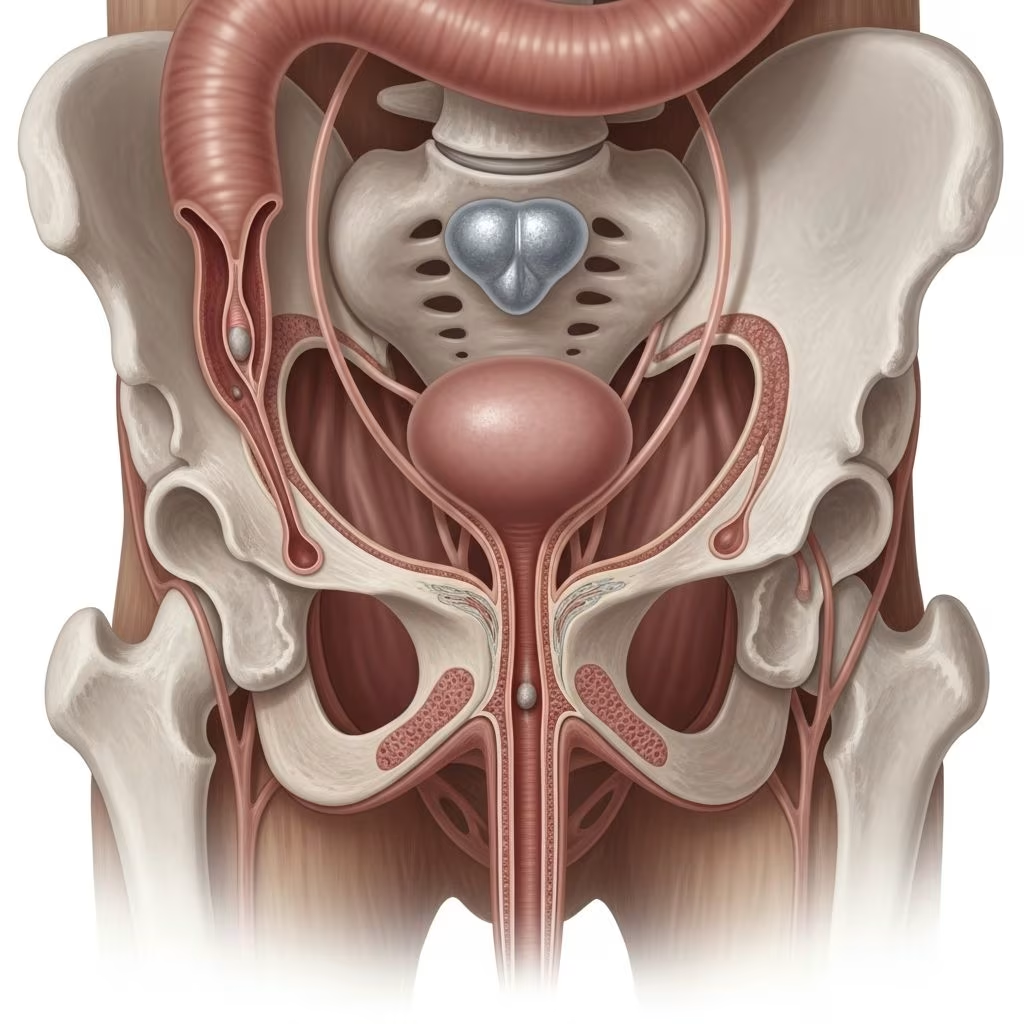
Urethral disorders in male cats, often involving blockages or inflammation of the penile urethra, represent a critical health emergency requiring prompt veterinary attention. These conditions, commonly linked to feline lower urinary tract disease (FLUTD), can lead to life-threatening complications if untreated.
Understanding the Male Cat Anatomy Involved
The male cat’s penile urethra is notably narrow, particularly in its distal portion, making it susceptible to obstructions from crystals, plugs, stones, or spasms. This anatomical feature predisposes intact and neutered males to urinary issues more frequently than females. Inflammation or infection can exacerbate narrowing, leading to partial or complete blockages that prevent urine flow.
Critical Signs of Urethral Distress
Early detection hinges on observing behavioral and physical changes. Owners should watch for:
- Straining in the litter box without producing urine, often mistaken for constipation.
- Frequent visits to the litter box with minimal or no output.
- Crying out in pain during elimination attempts.
- Licking excessively around the genital area.
- Blood in urine or discolored discharge.
- Lethargy, vomiting, or loss of appetite as toxins build up.
- A firm, distended abdomen indicating a full bladder.
These symptoms signal a potential blockage, where urine backs up, causing kidney strain and electrolyte imbalances like hyperkalemia.
Why Blockages Occur: Common Culprits
Several factors contribute to urethral obstructions:
- Crystals and Stones: Struvite or calcium oxalate crystals form plugs in the urethra.
- Idiopathic Cystitis: Stress-induced inflammation leads to spasms.
- Infections: Bacterial involvement, though less common in blockages.
- Spasms: Muscle contractions narrow the passage.
- Tumors or Trauma: Rare but possible strictures.
Diet high in minerals, dehydration, obesity, and stress are key risk factors. Neutered males face higher risks due to conformational changes post-surgery.
Immediate Actions: When to Rush to the Vet
If a cat shows signs of inability to urinate, treat it as a veterinary emergency. Delays beyond 24-48 hours can result in bladder rupture, kidney failure, or death. Contact your vet or an emergency clinic immediately. Do not attempt home remedies like forcing fluids, as they can worsen the issue.
Diagnostic Process in Veterinary Clinics
Vets start with a physical exam, palpating the bladder for firmness. Key diagnostics include:
- Urinalysis to detect crystals, blood, or infection.
- Bloodwork for kidney values (BUN, creatinine), electrolytes, and acid-base status.
- Imaging like radiographs or ultrasound to locate stones or plugs.
- Cystocentesis (bladder needle aspiration) for urine sampling and decompression.
These confirm the obstruction and assess severity, guiding treatment.
Step-by-Step Emergency Stabilization
Treatment prioritizes life-saving stabilization before relieving the blockage. Protocols include:
- IV Fluids: Crystalloids like lactated Ringer’s at 10-20 mL/kg/hour to correct dehydration and hyperkalemia.
- Hyperkalemia Management: Calcium gluconate (0.5-1 mL/kg IV slowly) for cardiac protection if severe.
- Pain Control: Opioids like buprenorphine or fentanyl infusions to reduce spasms and discomfort.
- Decompressive Cystocentesis: Needle drainage of the bladder to ease pressure temporarily.
| Condition | Treatment | Dosage Example |
|---|---|---|
| Hyperkalemia | Calcium Gluconate 10% | 0.5-1 mL/kg IV over 2-3 min |
| Dehydration | IV Crystalloids | 10-20 mL/kg/hr |
| Pain/Spasm | Buprenorphine | 0.075 mg PO Q8H |
Relieving the Obstruction: Catheterization Techniques
Under sedation or anesthesia (e.g., propofol, isoflurane, or diazepam), a urinary catheter is passed retrograde through the urethra. Techniques involve:
- Hydropulsion: Flushing saline to push plugs back into the bladder.
- Lubrication: 50:50 saline-lubricant mix for smooth passage.
- Epidurals: Coccygeal blocks for analgesia and relaxation.
The catheter may stay 2-5 days, flushed regularly to prevent re-blockage. Post-relief monitoring includes urine output checks and infection screening.
Post-Unblocking Care and Monitoring
After patency, cats receive:
- Urethral relaxants like prazosin or acepromazine to prevent spasms.
- Analgesics for 5-7 days.
- Antibiotics if infection present.
- Potassium supplementation if needed.
Watch for post-obstructive diuresis (excessive urination) and secondary UTIs. Hospital stays last 2-7 days based on stability.
Surgical Interventions for Recurrent Cases
For repeated blockages, options include:
- Perineal Urethrostomy (PU): Widens the urethral opening, reducing re-obstruction risk but increasing UTI susceptibility. Risks: incontinence, bleeding.
- Cystotomy: Removes bladder stones.
- Stents or Lithotripsy: For specific obstructions.
PU is a last resort after medical management fails.
Long-Term Prevention Strategies
Prevent recurrence through lifestyle changes:
- Diet: Prescription urinary diets to dissolve crystals; increase canned food moisture.
- Hydration: Water fountains, wet food, flavor additives.
- Litter Management: Multiple clean boxes, low-sided for easy access.
- Stress Reduction: Pheromones (Feliway), enrichment, stable routines.
- Weight Control: Obesity exacerbates issues.
Regular vet check-ups monitor for FLUTD flare-ups.
Potential Complications and Prognosis
Untreated blockages lead to azotemia, heart arrhythmias, or rupture. With prompt care, 90% survive the acute episode, but 30-50% recur without prevention. Chronic kidney disease may develop from repeated insults.
Frequently Asked Questions (FAQs)
What should I do if my cat is straining but not peeing?
Seek emergency vet care immediately—it’s likely a blockage.
How much does treatment cost?
Varies; expect $500-$3000+ for hospitalization and surgery.
Can female cats get blocked?
Rarely, due to wider urethra, but FLUTD symptoms occur.
Is surgery always needed?
No, most resolve with medical management; surgery for recurrences.
How can I prevent this in my cat?
Feed urinary diets, ensure hydration, minimize stress.
Owner Testimonials and Case Insights
Many owners report success with dietary switches and fountains, reducing episodes from monthly to none. One case: A 5-year-old male blocked thrice; PU resolved issues, though monitoring continues.
References
- Emergency Alert: Recognizing and Treating Urinary Blockages in Cats — Columbia Pike Animal Hospital. 2023. https://www.columbiapikeanimalh.com/services/cats/blog/emergency-alert-recognizing-and-treating-urinary-blockages-cats
- Feline Urethral Obstruction: Diagnosis & Management — Today’s Veterinary Practice. 2023. https://todaysveterinarypractice.com/urology-renal-medicine/feline-urethral-obstruction-diagnosis-management/
- Urethral Obstruction in Small Animals — Merck Veterinary Manual. 2024. https://www.merckvetmanual.com/urinary-system/urolithiasis-in-small-animals/urethral-obstruction-in-small-animals
- Feline Lower Urinary Tract Disease — Cornell University College of Veterinary Medicine. 2023. https://www.vet.cornell.edu/departments-centers-and-institutes/cornell-feline-health-center/health-information/feline-health-topics/feline-lower-urinary-tract-disease
- Urinary Tract Blockage in Cats — PetMD. 2024. https://www.petmd.com/cat/conditions/urinary/urinary-tract-blockage-cats



