
Feline Upper Respiratory Infection: Causes, Symptoms, and Treatment
Complete guide to understanding feline URIs: causes, clinical signs, diagnosis, and treatment options.
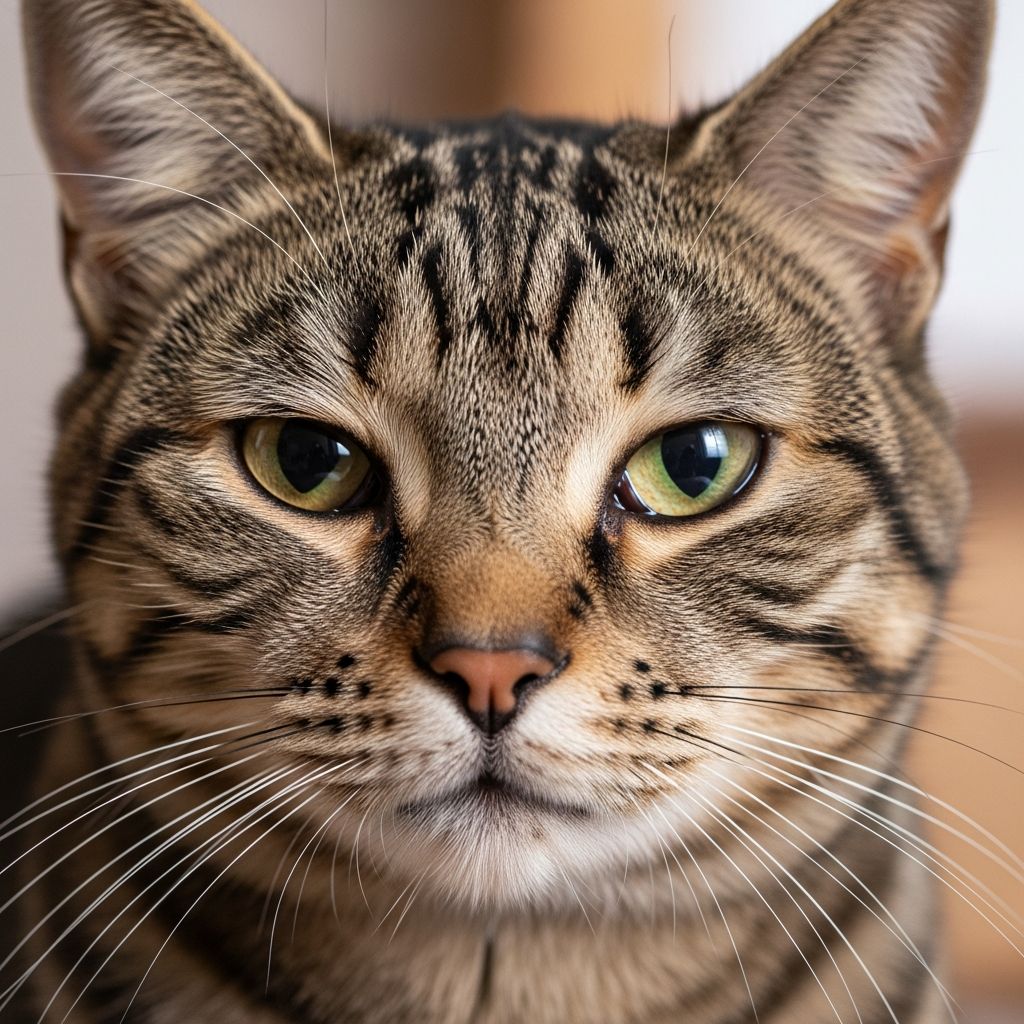
Understanding Feline Upper Respiratory Infection
Feline upper respiratory infection (URI) is one of the most common illnesses affecting cats today. Often referred to as “cat flu” or “cat cold,” a URI is an infection that affects the nose, sinuses, mouth, and throat of infected felines. These infections can range from mild to severe, and while most cats recover within a week or two with appropriate care, some can develop serious complications if left untreated. Understanding the causes, symptoms, and treatment options is essential for any cat owner concerned about their pet’s respiratory health.
What Causes Feline Upper Respiratory Infections
Feline upper respiratory infections are caused by a variety of infectious agents, both viral and bacterial in nature. Approximately 80-90% of URIs in cats are viral infections, while the remaining cases are typically bacterial or involve a combination of both types of pathogens. The specific organisms responsible for feline URIs have expanded significantly beyond the traditional understanding, and veterinarians now recognize multiple causative agents.
Primary Viral Causes
Feline herpesvirus type 1 (FHV-1), also known as feline viral rhinotracheitis (FVR), remains the most common cause of URIs in cats, accounting for approximately 90% of cases. This virus is remarkably prevalent in the feline population, with studies suggesting that up to 97% of all cats are exposed to FHV-1 at some point in their lives, and roughly 80% of cats remain infected even if the virus doesn’t cause active disease. Once infected, this virus can remain dormant in a cat’s body and reactivate during times of stress or immunosuppression.
Feline calicivirus (FCV) is the second most common viral cause of URIs in cats. Although less prevalent than FHV-1, FCV is highly contagious and can cause significant respiratory disease. In some cases, FCV infections may extend beyond the upper respiratory tract and affect the lower respiratory system, potentially leading to pneumonia. Additionally, FCV can cause painful oral ulcers in infected cats.
Bacterial and Other Causes
In addition to the primary viral causes, several bacterial organisms can contribute to feline URIs, either as primary pathogens or as secondary infections. Feline chlamydia (Chlamydia felis) is a bacterium that has been increasingly recognized as a contributor to URIs in cats. This organism typically requires close contact between cats for transmission and often presents with prominent eye discharge. Feline mycoplasma (Mycoplasma felis) has been implicated in both upper and lower respiratory infections in cats and can significantly complicate clinical presentations.
Bordetella bronchiseptica, commonly known for causing kennel cough in dogs, can also affect cats, particularly those in multi-cat households or shelter environments. A vaccine is available for this organism, though it is not considered a core vaccine for feline populations. Other miscellaneous organisms that can cause or contribute to URIs include avian influenza, the virus causing COVID-19, and various fungi, which are usually transmitted through contact with infected individuals or environmental sources such as bird droppings.
How Feline Upper Respiratory Infections Spread
Understanding transmission routes is crucial for preventing the spread of URIs among cat populations. Most infectious agents responsible for feline URIs are highly contagious and spread through multiple pathways. Feline herpesvirus notoriously spreads through aerosol transmission when an infected cat sneezes near another cat, who then inhales the viral particles. The excessive secretions and sneezing characteristic of URI infections facilitate this transmission method.
Direct transmission can also occur through mutual grooming and cats rubbing against one another. Cats in close quarters, such as in shelters, boarding facilities, or multi-cat households, face significantly higher risks of contracting URIs from infected companions. However, it’s important to note that most viruses commonly implicated in feline URIs do not survive on surfaces for extended periods, meaning most infections result from direct exposure to infected cats rather than contact with contaminated objects.
Stress plays a significant role in URI development and transmission. When a cat’s immune system is weakened by stress or concurrent disease, the animal becomes more susceptible to contracting a URI. This is particularly common in shelter cats, which may develop clinical signs of a URI within 7-10 days of moving to a new home. Additionally, stress can cause dormant feline herpesvirus to reactivate and reenter an active disease state.
Recognizing the Signs of Feline Upper Respiratory Infection
The clinical signs of feline URIs are varied and can range from mild to severe, depending on the causative organism and the individual cat’s immune status. While various organisms can cause URIs in cats, the clinical presentations share common features, though some signs are more typically associated with specific pathogens.
Common Symptoms
The most frequently observed clinical signs of feline URIs include:
– Sneezing- Discharge from the eyes and nose- Red or swollen eyelids (conjunctivitis)- Nasal congestion or crust formation- Fever- Loss of appetite or decreased food intake- Lethargy and reduced activity levels- Mouth sores or oral ulcers- Coughing- Squinting- Lymph node swelling
In more severe cases, cats may experience difficulty breathing, which indicates respiratory compromise requiring immediate veterinary attention. Some cats may develop secondary bacterial infections that exacerbate symptoms and complicate recovery.
Severe Presentation Indicators
Certain signs indicate a more serious condition requiring urgent veterinary care. Open-mouth breathing, blue-tinged gums or mucous membranes, or noticeable heaving of the sides when breathing suggest the cat is struggling to obtain adequate oxygen. Eye ulcers resulting from feline herpesvirus infections can cause lasting damage if not properly managed. Additionally, if a respiratory infection progresses to pneumonia or other lower respiratory tract complications, the severity of clinical signs typically increases significantly.
Diagnosing Feline Upper Respiratory Infection
Veterinary diagnosis of feline URIs typically begins with a thorough physical examination and review of clinical signs. For feline herpesvirus specifically, diagnosis is often based on recognizing typical upper respiratory signs in young or unvaccinated cats, or recurring conjunctivitis or keratitis in older cats. However, several diagnostic tests can confirm the specific causative organism.
Diagnostic Methods
Polymerase chain reaction (PCR) testing is among the most accurate diagnostic tools available, as it identifies viral DNA from clinical samples. This test can definitively identify the presence of feline herpesvirus and other viral pathogens. Virus isolation tests can also detect herpes by culturing the virus from clinical samples obtained from the cat’s nose, eyes, or mouth.
Physical examination findings, combined with the cat’s vaccination history and living environment, provide valuable diagnostic information. Cats in shelters, multi-cat households, or with recent exposure to other cats are more likely to have contagious viral infections. In some cases, the constellation of clinical signs is sufficient for diagnosis, particularly when the pattern is characteristic of a specific organism.
Treatment Approaches for Feline Upper Respiratory Infection
The treatment approach for feline URIs depends on the severity of infection, the specific causative organism, and the individual cat’s overall health status. Most URIs are self-limiting infections that resolve within 5-10 days with supportive care, though some cats may take longer to fully recover.
Supportive Care
The cornerstone of URI treatment is supportive care aimed at helping the cat’s immune system fight the infection. This includes ensuring the cat maintains adequate hydration and nutrition, which can be challenging when appetite is suppressed. Providing high-value foods or warming food to room temperature can encourage eating. Some cats benefit from humidification of the environment to help ease nasal congestion and promote drainage of secretions.
Keeping the cat in a stress-free, quiet environment facilitates recovery by maintaining immune function. Clean bedding, litter boxes, and feeding areas should be maintained to minimize secondary infections. Additionally, isolating infected cats from other feline household members helps prevent transmission of the infection.
Antiviral and Antimicrobial Therapy
In cases where bacterial infection is confirmed or suspected, veterinarians may prescribe antibiotics to address secondary bacterial infections. However, antibiotics are not effective against viral infections and should not be used indiscriminately. For severe feline herpesvirus infections, particularly those affecting the eyes, topical ophthalmic medications or oral antivirals may be recommended to prevent complications such as corneal ulceration and permanent eye damage.
Eye Care and Complications
Cats with significant eye involvement require special attention. Topical antibiotic ointments or drops may be prescribed to prevent secondary bacterial infection of the eyes. In cases where herpesvirus has caused corneal ulceration, specialized ophthalmic care is essential to preserve vision and prevent blindness.
Prevention of Feline Upper Respiratory Infection
While not all cases of feline URI can be prevented, several strategies can significantly reduce the risk of infection. Vaccination is one of the most important preventive measures. Core vaccines for cats include protection against feline herpesvirus and feline calicivirus, and these vaccines are highly recommended for all cats. Kittens typically receive an initial series of vaccinations followed by booster shots to maintain immunity.
Environmental management is equally important in multi-cat households. Providing adequate space, separate litter boxes, and good ventilation reduces stress and transmission risk. Minimizing exposure to stressful situations helps maintain immune function and reduces the likelihood of disease activation in previously infected cats carrying dormant virus.
For cats in shelter or boarding situations, isolation of sick cats from healthy animals is essential to prevent outbreaks. Regular cleaning and disinfection of shared spaces, combined with careful hand hygiene by caretakers, helps control transmission.
When to Seek Veterinary Care
While many feline URIs resolve with home care, certain situations warrant immediate veterinary attention. Kittens younger than eight weeks, senior cats over ten years old, and immunocompromised cats require professional evaluation and monitoring even for mild respiratory symptoms. Additionally, if a cat shows signs of difficulty breathing, refuses food for more than 24 hours, or develops signs of more severe illness, veterinary care should be sought promptly.
Cats with pre-existing medical conditions, such as feline leukemia virus (FeLV) or feline immunodeficiency virus (FIV), are at higher risk for severe complications and should receive veterinary care for any respiratory symptoms.
Frequently Asked Questions About Feline Upper Respiratory Infections
Q: How long does a feline upper respiratory infection last?
A: Most uncomplicated feline URIs resolve within 5-10 days with supportive care. However, some cats may experience lingering symptoms or complications that extend recovery time. Severe infections or those affecting the lower respiratory tract may take longer to resolve.
Q: Can my cat pass a URI to me or other pets in my home?
A: Feline herpesvirus and calicivirus are species-specific and cannot be transmitted to humans. However, infected cats can transmit these viruses to other cats, particularly those in close contact. Some organisms like Bordetella can theoretically affect dogs, though this is uncommon. Proper hygiene practices can help prevent spread.
Q: Is vaccination effective against all causes of feline URIs?
A: Core vaccines protect against the most common causes of feline URIs, particularly feline herpesvirus and feline calicivirus. However, because multiple organisms can cause URIs and new pathogens occasionally emerge, vaccination does not guarantee complete protection. Vaccinated cats that contract a URI typically experience milder disease.
Q: What should I do if my cat develops a URI?
A: Contact your veterinarian for evaluation, particularly if your cat is a kitten, senior, or immunocompromised. Provide supportive care including adequate hydration and nutrition, maintain a quiet environment, and consider isolating your cat from other pets. Monitor for signs of worsening or complications such as difficulty breathing.
Q: Can a cat recover completely from a URI?
A: Most cats recover completely from feline URIs. However, cats that had feline herpesvirus infections may retain the virus dormant in their bodies and can experience recurrent episodes during times of stress. Some cats may develop chronic conjunctivitis or other lingering effects. Proper care and stress management help minimize recurrence.
References
- Sniffle, Snort, and Sneeze: Understanding Feline Upper Respiratory Infections — Morris Animal Foundation. 2024. https://www.morrisanimalfoundation.org/article/sniffle-snort-and-sneeze-understanding-feline-upper-respiratory-infections
- Upper Respiratory Infection in Cats — PetMD, Sandra Mitchell, DVM. 2024. https://www.petmd.com/cat/conditions/respiratory/upper-respiratory-infection-cats
- Respiratory Infections — Cornell University College of Veterinary Medicine, Cornell Feline Health Center. 2024. https://www.vet.cornell.edu/departments-centers-and-institutes/cornell-feline-health-center/health-information/feline-health-topics/respiratory-infections
- Cat Upper Respiratory Infection Symptoms and Treatments — WebMD Pets. 2024. https://www.webmd.com/pets/cats/upper-respiratory-infection-cats
- Cat Respiratory Infection: Urgent Signs, Causes, and Care Tips — Great Southern Veterinary Specialists. 2024. https://gsvs.org/blog/cat-respiratory-infection-emergency/
Similar Articles








Read full bio of medha deb




