

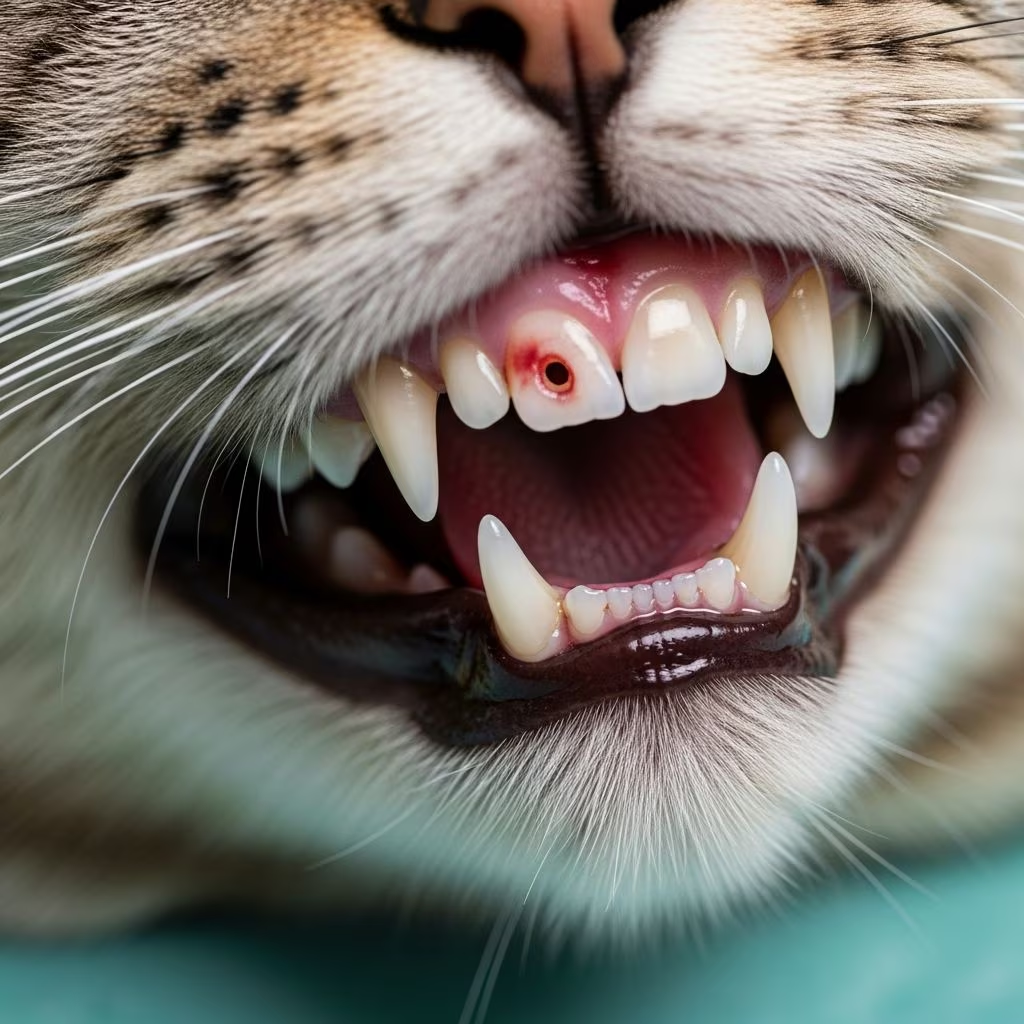
Feline tooth resorption, often called FORLs or feline odontoclastic resorptive lesions, affects up to two-thirds of cats, breaking down tooth structures painfully. These lesions differ from human cavities, as the cat’s body reabsorbs enamel, dentin, and roots, leading to silent suffering without prompt veterinary care.
The Nature of Tooth Resorption in Cats
Unlike bacterial decay in humans, tooth resorption involves odontoclast cells eroding the tooth from within, starting below the gumline. This process creates defects that expose sensitive dentin, causing jaw tremors or spasms on touch. Premolars in the lower jaw, especially the third ones, suffer most, with radiographs revealing hidden lesions in nearly half of cases without visible signs.
Any tooth can be involved, but mandibular premolars bear the brunt, progressing silently until advanced stages. Prevalence rises with age, impacting 28.5-67% of cats, often multiplying across multiple teeth over time.
Types and Progression Stages
Veterinarians classify resorption into types based on radiographic appearance and involvement.
- Type 1: Affects the crown while roots stay intact, sometimes tied to periodontal disease.
- Type 2: Involves both crown and roots, replaced by bone; more common and potentially less painful initially.
- Type 3: Combines features of both, complicating diagnosis.
Progression occurs in stages, from enamel defects to total breakdown.
| Stage | Description | Impact |
|---|---|---|
| 1-2 | Enamel and cementum erosion, cavity-like holes | Early, often painless |
| 3 | Reaches dentin and pulp | Pain emerges, inflammation |
| 4 | Tooth fractures or disintegrates | Severe pain, infection risk |
Advanced lesions demand intervention, as crown involvement triggers intense discomfort.
Spotting the Signs at Home
Cats mask pain expertly, so resorption often evades notice until severe. Watch for these indicators:
- Excessive drooling or blood-tinged saliva
- Difficulty chewing, dropping food, or jaw chattering
- Preference for soft foods or swallowing without chewing
- Reduced appetite, weight loss, or fleeing the food bowl
- Mood changes, pawing at mouth, or facial swelling
- Visible red lesions, holes, or missing teeth
Blood in the bowl or gumline bleeding signals progression, urging immediate vet visits. Many cats suffer undetected without exams.
Professional Diagnosis Methods
Clinical exams alone miss up to 50% of lesions; full-mouth dental radiographs under anesthesia are essential. X-rays reveal root involvement invisible externally, classifying type and stage accurately. Probing may elicit pain responses like jaw spasms. Routine annual screenings catch issues early, preventing chronic pain.
Treatment Approaches and Options
No cure halts resorption, but extraction alleviates pain effectively. Partial crown removal fails long-term, as roots resorb anyway.
Standard Procedure: Full extraction, including roots, followed by pain management and antibiotics if infected. Post-op, most cats resume normal eating within days, with studies showing 53% lesion prevalence demanding intervention.
Restorations or vital pulp therapy lack evidence for success in felines. Healing occurs via bone ankylosis, fusing extraction sites solidly.
Preventive Strategies and Home Care
Prevention eludes experts due to unknown causes, possibly diet, FIV, or alignment stress. Focus on early detection:
- Annual vet dental exams with X-rays for cats over 3 years
- Daily toothbrushing with cat-safe toothpaste
- Dental diets, treats, or water additives reducing plaque
- Monitor for subtle behavior shifts
Purebreds like Siamese may face higher risks, but all cats benefit from vigilance.
Long-Term Prognosis After Treatment
Extracted cats thrive pain-free, with low recurrence at sites but risk elsewhere. Multiple extractions are common, yet cats adapt well, maintaining nutrition sans premolars. Untreated cases risk chronic pain, infections, and weight loss. Proactive care ensures smiling, healthy felines.
Frequently Asked Questions (FAQs)
What causes feline tooth resorption?
The exact cause is unknown, but links exist to inflammation, diet, viruses like FIV, or mechanical stress.
Is tooth resorption the same as cavities?
No; cavities stem from bacteria, while resorption is internal cellular breakdown.
How much does treatment cost?
Varies by case; full-mouth X-rays and extractions under anesthesia range widely—consult your vet.
Can my cat live normally without affected teeth?
Yes, cats manage excellently post-extraction, often eating better.
At what age does this start?
Common in adults over 5 years, increasing with age.
References
- Tooth Resorption in Cats — VCA Animal Hospitals. 2023. https://vcahospitals.com/know-your-pet/tooth-resorption-in-cats
- Understanding Feline Resorptive Lesions: Symptoms, Diagnosis and Treatment — North Bay Vet Dentist. 2024. https://northbayvetdentist.com/understanding-feline-resorptive-lesions-symptoms-diagnosis-and-treatment/
- Understanding Feline Tooth Resorption: Causes, Symptoms, and Treatment — Wellness Animal Hospital. 2023. https://wellnessanimalhospital.com/understanding-feline-tooth-resorption-causes-symptoms-and-treatment/
- Feline Tooth Resorption: Stages and Treatment — PetMD. 2024-01-15. https://www.petmd.com/cat/conditions/mouth/c_ct_Feline_Tooth_Resorption
- Tooth Resorption — Cornell University College of Veterinary Medicine. 2023. https://www.vet.cornell.edu/departments-centers-and-institutes/cornell-feline-health-center/health-information/feline-health-topics/tooth-resorption
- Unraveling the Mystery of Resorptive Lesions — Providence Veterinary Hospital. 2024. https://providencevetva.com/unraveling-the-mystery-of-resorptive-lesions-how-to-keep-your-cat-smiling/



