
Feline Thyroid Disease: Recognition and Management
Complete guide to identifying and treating overactive thyroid in cats
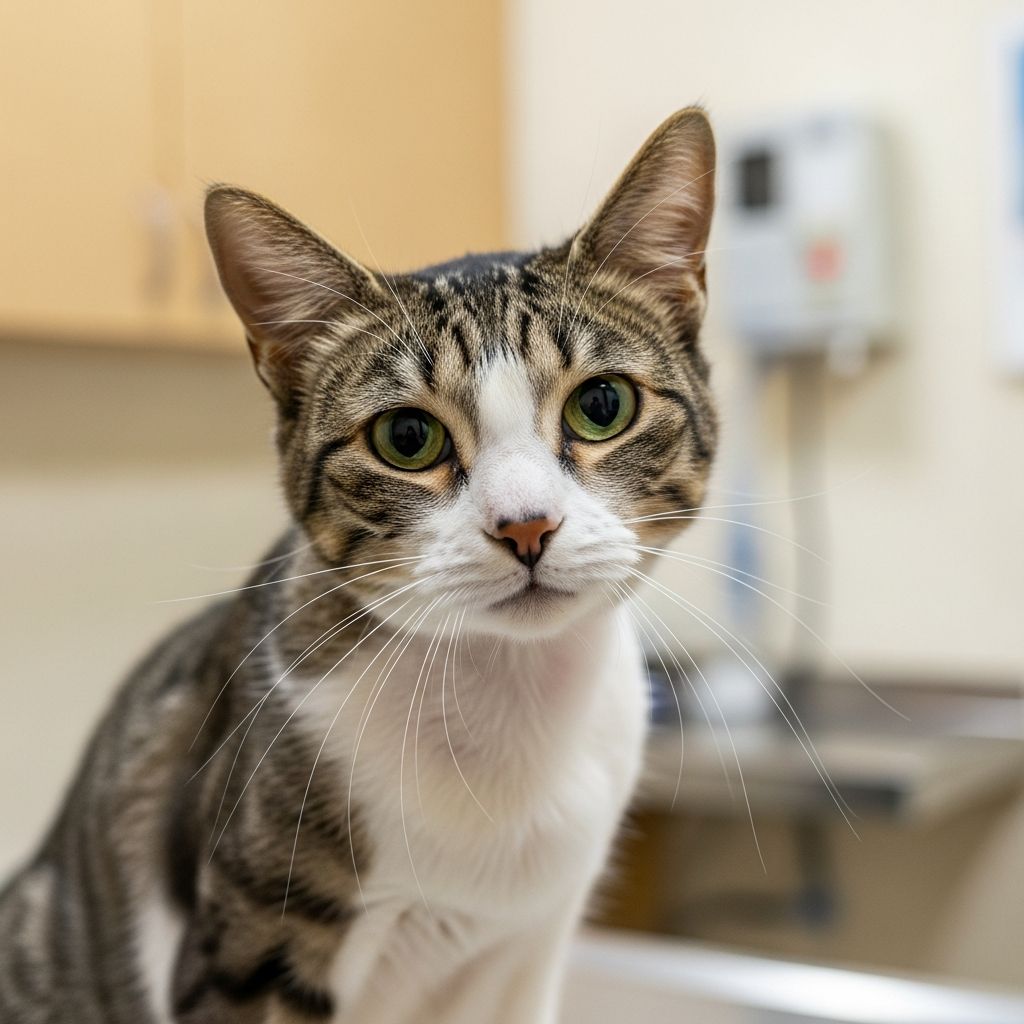
Hyperthyroidism represents one of the most frequently diagnosed hormonal disorders affecting senior cats, with the condition stemming from excessive production of thyroid hormones by an overactive gland. This metabolic imbalance disrupts normal bodily functions and can lead to serious complications if left unmanaged. Understanding the mechanisms of this disease, recognizing its manifestations, and knowing the available therapeutic approaches empowers cat owners to seek timely veterinary care and make informed treatment decisions.
What Happens When the Thyroid Gland Malfunctions
The thyroid gland, situated in the neck region, functions as a critical regulator of metabolism through the production of hormones designated T3 and T4. These hormones control how efficiently the body converts food into usable energy and regulates growth patterns. When thyroid tissue becomes abnormal, typically through benign changes known as hyperplasia or adenoma, the gland begins secreting excessive hormone amounts into the bloodstream. This hormonal excess forces the body’s metabolic rate to accelerate dramatically, creating a cascade of physiological changes throughout all organ systems. The cat’s internal engine essentially shifts into overdrive, consuming energy at an unsustainable rate.
Research has identified that indoor cats and those consuming canned cat food appear to face elevated risk, though no definitive single causative factor has been conclusively established. Some investigations have suggested environmental contaminants such as fire retardant chemicals may contribute, though these associations remain unproven.
Recognizing Clinical Manifestations in Your Cat
The symptoms of feline hyperthyroidism typically develop gradually, though their severity escalates over time. Early detection enables prompt intervention and prevents progression to advanced stages with irreversible organ damage.
Primary Indicators
- Paradoxical Weight Loss: Despite consuming larger meal portions, affected cats progressively lose body mass as their accelerated metabolism burns calories faster than consumption can replenish them.
- Behavioral Hyperactivity: Cats demonstrate increased restlessness, excessive movement, and inability to remain calm, reflecting the stimulating effects of thyroid hormone excess on the nervous system.
- Excessive Thirst and Urination: The kidneys respond to metabolic changes by increasing fluid filtration, leading to frequent water bowl visits and enlarged urine volumes.
- Elevated Heart Rate: The cardiovascular system responds to hormonal stimulation with increased cardiac output, sometimes producing audible heart murmurs detectable during veterinary examination.
Secondary Manifestations
- Gastrointestinal disturbances including vomiting and diarrhea episodes
- Poor coat maintenance resulting in matted, oily, or unkempt fur texture, particularly in dorsal regions
- Behavioral alterations such as increased vocalization, heightened stress sensitivity, and irritability
- Panting or apparent respiratory difficulty despite normal lung function
- Elevated liver enzyme concentrations identified through blood chemistry panels
These diverse symptoms reflect thyroid hormone effects across multiple physiological systems. Observant owners who notice these signs should schedule veterinary evaluation promptly to prevent disease progression.
Serious Consequences of Untreated Disease
While initial symptoms may seem manageable, untreated hyperthyroidism poses grave risks to feline health. The persistently elevated metabolic rate and cardiac workload trigger progressive organ dysfunction. Chronic hypertension frequently develops, with blood pressure sometimes reaching levels so elevated that retinal detachment occurs, causing sudden irreversible blindness in affected eyes. The heart muscle thickens as it compensates for continuous excessive workload demand, leading to enlargement and eventual cardiac failure. The cumulative effect of these untreated complications makes this condition nearly universally fatal without intervention.
Treatment Approaches: Weighing Options
Four primary therapeutic modalities exist for managing feline hyperthyroidism, each offering distinct advantages and limitations. The optimal approach depends on individual cat circumstances, owner preferences, financial considerations, and concurrent health conditions.
Pharmaceutical Management with Methimazole
Methimazole represents the most accessible and economical treatment option, functioning through blocking thyroid hormone synthesis at the glandular level. This medication requires daily administration, typically as an oral tablet, though transdermal gel formulations applicable to ear tissue provide alternatives for cats resistant to pill administration. The FDA has approved multiple methimazole-based products specifically formulated for feline use.
Advantages of medication-based therapy include:
- Non-invasive administration avoiding surgical or radiological procedures
- Relatively inexpensive compared to curative interventions
- Immediate availability through standard veterinary pharmacies
- Flexibility to serve as temporary stabilization preceding other treatments
- Reversible effects if adverse reactions develop
Notable limitations include:
- Permanent disease management rather than cure, requiring lifelong daily administration
- Difficulty medicating resistant cats, creating compliance challenges for some owners
- Necessity for regular blood monitoring to track hormone levels and detect complications
- Potential side effects affecting tolerability, including gastrointestinal symptoms, lethargy, liver enzyme abnormalities, and allergic reactions manifesting as facial rashes or lesions
- Rare but serious adverse events such as blood cell count reduction or hepatic failure
Radioactive Iodine Administration
When available through specialized facilities, radioactive iodine therapy (I-131) represents the gold-standard treatment offering permanent resolution in the majority of cases. This treatment exploits the thyroid gland’s unique requirement for dietary iodine in hormone production. Administered as a single injection, the radioactive compound preferentially accumulates in abnormal thyroid tissue due to the gland’s selective iodine uptake mechanism. The emitted radiation destroys overactive tissue while sparing surrounding structures and the parathyroid glands responsible for calcium regulation.
Treatment outcomes: Most cats achieve normalized hormone levels within one to two weeks of administration, with cure rates exceeding 95 percent. The treatment requires temporary hospitalization at licensed facilities with specialized radiation safety equipment and protocols.
Advantages of radioactive iodine therapy include:
- Curative outcome avoiding requirement for ongoing medication
- Non-invasive procedure eliminating surgical anesthesia risks
- Single treatment eliminating need for repeated procedures or daily administration
- Elimination of medication side effects after treatment completion
- Reduced veterinary visit frequency following successful treatment
Limitations and considerations include:
- Availability restricted to specialized facilities in specific geographic regions
- Substantial upfront cost exceeding medication expense significantly
- Temporary hospitalization and isolation periods required post-treatment
- Potential unsuitability for cats with advanced concurrent kidney disease, which may be exacerbated by hormone normalization
- Radiation safety protocols necessitating compliance during recovery period
Surgical Thyroid Removal
Thyroidectomy represents the surgical removal of affected thyroid tissue, offering potential curative benefits without radioactive therapy. However, this approach carries particular risks for hyperthyroid cats due to the severe metabolic stress and cardiac complications accompanying the disease state. Anesthesia complications, hemorrhage, and accidental parathyroid gland damage during surgery represent significant concerns. Successful surgery eliminates medication requirements permanently, yet the perioperative risks often make alternative approaches preferable for most feline patients.
Dietary Modification Strategies
Prescription diets specifically formulated with severely restricted iodine content provide a non-invasive management alternative for cats unable to tolerate medication or unsuitable for radioactive or surgical therapy. Hill’s y/d prescription diet represents the primary FDA-approved dietary option, functioning by limiting iodine availability necessary for thyroid hormone synthesis.
This dietary approach requires strict compliance, prohibiting all treats, supplementary foods, or consumption of other pets’ food that might introduce iodine from standard pet nutrition. The dietary method offers benefit primarily for cats where medication administration proves impossible and other definitive therapies remain unavailable. Success depends entirely on owner commitment to exclusive feeding protocol adherence.
Selecting the Appropriate Treatment
| Treatment Option | Cure Potential | Invasiveness Level | Ongoing Commitment | Cost Range |
|---|---|---|---|---|
| Methimazole | Manages symptoms only | Non-invasive | Daily medication, regular monitoring | Low to moderate |
| Radioactive Iodine | Curative (95%+ success) | Minimally invasive | Minimal post-treatment | High |
| Surgery | Potentially curative | Invasive | Recovery period only | Moderate to high |
| Prescription Diet | Manages symptoms only | Non-invasive | Strict, permanent feeding protocol | Moderate |
Treatment selection should incorporate consideration of the patient’s overall health status, the owner’s ability to administer daily medications, presence of concurrent diseases like kidney dysfunction, financial resources, and personal preferences regarding treatment invasiveness and commitment level. Veterinary consultation enables customized recommendations aligned with individual circumstances.
Managing Complex Cases
Cats presenting with concurrent kidney disease alongside hyperthyroidism require special consideration, as thyroid hormone normalization may unmask previously compensated renal dysfunction. In these situations, medication-based management allowing gradual hormone adjustment may prove preferable to abrupt normalization through radioactive therapy. Regular monitoring helps identify any deterioration in renal function following treatment initiation.
Frequently Asked Questions
Can hyperthyroidism be prevented in cats?
While specific prevention strategies remain unproven, minimizing exposure to potential environmental risk factors such as indoor housing and canned food consumption may theoretically reduce disease risk, though this requires further investigation.
How quickly do symptoms improve after treatment initiation?
Medication responses vary individually; some cats show improvement within days while others require weeks. Radioactive iodine typically normalizes hormone levels within one to two weeks with symptom improvement following hormone stabilization.
Is hyperthyroidism painful for cats?
While not directly painful, the condition causes significant physical discomfort through constant restlessness, anxiety, and the stress of maintaining unsustainable metabolic rates. Treatment alleviates this discomfort substantially.
Can cats develop hyperthyroidism again after successful treatment?
Recurrence after successful radioactive iodine therapy is rare. Medication controls hormones but does not cure disease, so symptoms would recur if medication discontinuation occurred.
Prognosis and Long-Term Outlook
With appropriate treatment, feline hyperthyroidism carries a favorable prognosis. Cats successfully treated through any modality typically resume normal activity patterns, regain lost weight, and experience significantly improved quality of life. Regular monitoring ensures early detection of any treatment complications or disease recurrence, enabling prompt adjustments to therapeutic approaches as needed.
References
- Understanding Feline Hyperthyroidism: Causes, Signs, Diagnosis and Treatment — MedVet. Accessed 2026. https://www.medvet.com/thyroid-disorders-in-cats/
- Hyperthyroidism in Cats: Signs, Causes & Treatment Options — Fort Mill Veterinary Hospital. Accessed 2026. https://fortmillvet.com/hyperthyroidism-in-cats-causes-symptoms-and-treatment/
- Hyperthyroidism in Cats — Cornell University College of Veterinary Medicine. Accessed 2026. https://www.vet.cornell.edu/departments-centers-and-institutes/cornell-feline-health-center/health-information/feline-health-topics/hyperthyroidism-cats
- Diagnosis and Management of Feline Hyperthyroidism — National Center for Biotechnology Information, U.S. National Library of Medicine. 2020. https://pmc.ncbi.nlm.nih.gov/articles/PMC7337209/
- Late-Stage Hyperthyroidism in Cats: What Every Cat Owner Needs to Know — Sage Veterinary Centers. Accessed 2026. https://www.sageveterinary.com/blog/hyperthyroidism-what-cat-owners-need-to-know
- Hyperthyroidism in Cats—Two FDA-Approved Drugs Available to Treat It — U.S. Food and Drug Administration. Accessed 2026. https://www.fda.gov/animal-veterinary/animal-health-literacy/hyperthyroidism-cats-two-fda-approved-drugs-available-treat-it
- Feline Hyperthyroidism Fact Sheet — Davies Veterinary Specialists. Accessed 2026. https://www.vetspecialists.co.uk/fact-sheets-post/feline-hyperthyroidism-fact-sheet/
- Treatments — The Hyperthyroid Cat Centre. Accessed 2026. https://www.hyperthyroidcatcentre.co.uk/cat-owners/about-hyperthyroidism/treatments/
Similar Articles








Read full bio of Sneha Tete




