

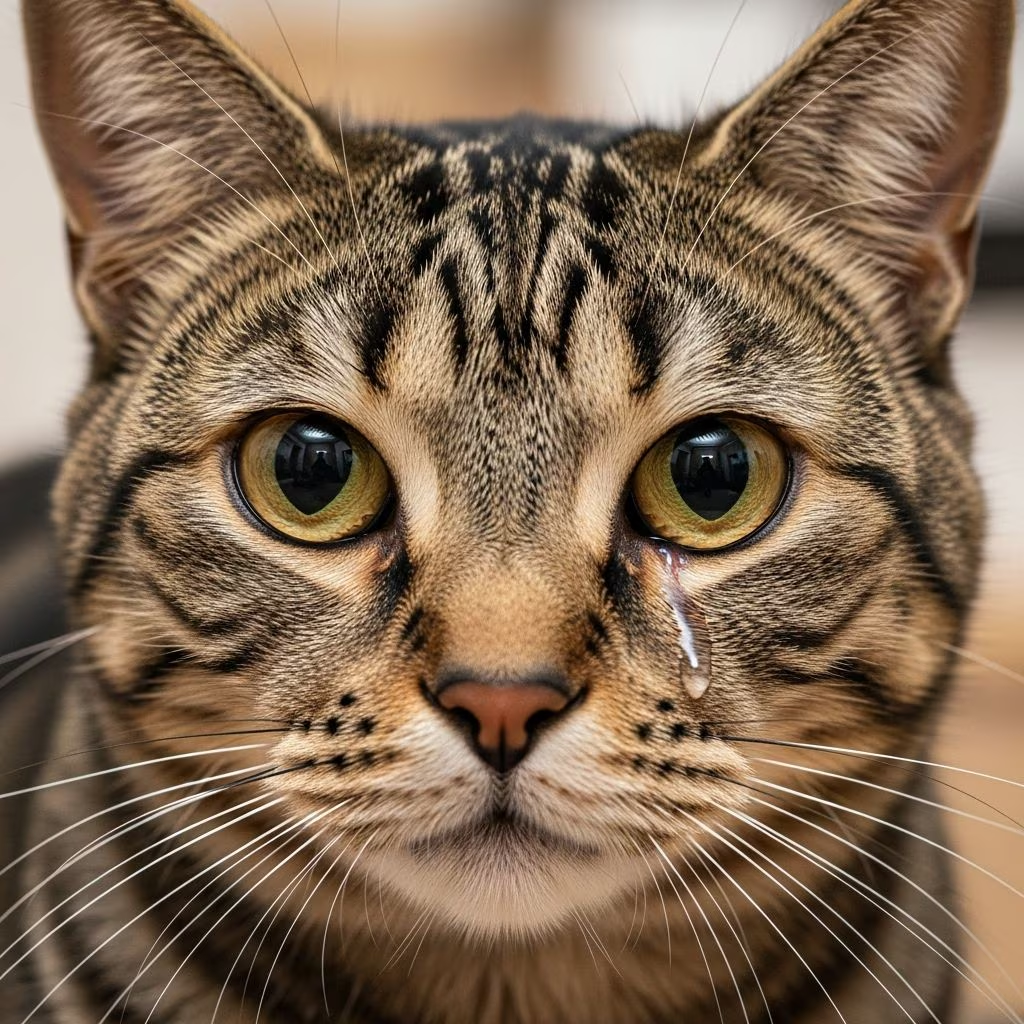
The tear drainage system in cats is a delicate network of structures responsible for keeping the eyes moist and comfortable. When these structures become impaired, cats can experience discomfort and visible signs of distress. Understanding these conditions helps cat owners recognize problems early and seek appropriate veterinary care.
The Feline Tear Drainage System Explained
The tear drainage apparatus in cats is a sophisticated system that manages the continuous production and elimination of tears. This system begins at the eye’s surface and concludes in the nasal cavity, playing a crucial role in maintaining ocular health.
How Tears Move Through the System
Tears produced by the lacrimal glands spread across the cornea and conjunctiva through natural blinking and gravitational forces. As tears accumulate in the medial canthus—the inner corner of the eye—they enter two tiny openings called puncta. These openings lead into narrow channels known as canaliculi, which direct tears toward the lacrimal sac. From this reservoir, tears travel through the nasolacrimal duct and drain into the nasal cavity. This entire process relies on gravity, muscular contractions of the canaliculi, and the natural pumping action created by eyelid movement.
Anatomical Characteristics Specific to Cats
The feline nasolacrimal drainage system has distinctive anatomical features that can predispose cats to specific problems. The system consists of a descending segment and a horizontal segment that form approximately a 90-degree angle, allowing for efficient drainage of tear fluid. However, certain structural vulnerabilities exist in this design.
The lacrimal sac, which serves as a temporary storage area for tears, sits partially without protective bone tissue in cats. This unprotected portion lies directly adjacent to the nasal cavity’s respiratory lining, creating a potential pathway for infections or diseases in the nasal area to infiltrate the drainage system. Additionally, the nasolacrimal duct begins at the level of the maxillary third premolar tooth, and the canine tooth’s root is positioned dangerously close to this duct, potentially causing complications if dental problems develop.
Common Conditions Affecting Feline Tear Drainage
Congenital Abnormalities
Some cats are born with structural defects in their tear drainage systems. Imperforate puncta—where one or both drainage openings fail to develop properly—represents the most common congenital issue. Cats may also have micropuncta, abnormally small openings that don’t function effectively, or hypoplastic ducts that are underdeveloped.
Certain breed predispositions exist, particularly in Persian cats and other brachycephalic breeds. These cats often have relatively large eyes in proportion to their orbital sockets, causing the lower eyelid to press abnormally against the eye’s front surface. This positioning prevents tears from flowing naturally into the medial canthal area where the drainage puncta are located. Mild eyelid abnormalities may further compound this issue.
Acquired Drainage Obstructions
Beyond birth defects, various conditions can damage or obstruct the tear drainage system throughout a cat’s life. Dental disease poses a significant risk factor. Tooth root abscesses can enlarge sufficiently to interfere with the adjacent nasolacrimal duct, particularly given the close anatomical relationship between the canine tooth root and the duct.
Nasal and sinus pathology frequently affects tear drainage. Tumors or growths affecting the nasal cavity, nasal planum, or sinuses can invade the drainage system. These neoplastic processes may grow large enough to completely obstruct tear flow.
Chronic upper respiratory infections represent another significant cause of acquired obstruction. When cats experience prolonged viral infections caused by feline herpes virus or feline calicivirus, the resulting inflammation and scarring can permanently damage the delicate tissues of the drainage system. This scarring may cause narrowing or complete closure of the passages.
Recognizing Signs of Tear Duct Problems
Observable Symptoms
The most visible sign of tear drainage dysfunction is epiphora—persistent tears overflowing onto the face. Affected cats develop wet eyes or chronically moist periorbital skin, especially on the medial aspect near the nose. Over time, this constant moisture creates an environment where secondary problems develop.
Chronic tear overflow leads to significant skin irritation and dermatitis around the eyes. The affected skin becomes sore, red, and irritated from continuous moisture exposure. In some cases, the skin develops ulcerative dermatitis—painful open sores—and becomes vulnerable to secondary bacterial and yeast infections.
When infection develops within the drainage system itself, cats may display purulent discharge—yellowish or greenish drainage—particularly visible at the medial canthus. This indicates a more serious infection of the lacrimal drainage apparatus requiring prompt treatment.
When to Seek Veterinary Attention
Cat owners should schedule veterinary evaluation if their cat shows persistent wet eyes lasting more than a few days, especially if accompanied by discharge or skin irritation. Any purulent discharge from the eyes warrants immediate evaluation. Additionally, if a cat has recently experienced trauma to the eye area or has a history of facial injury, professional assessment is important even without obvious symptoms.
Diagnostic Approach
Veterinarians typically diagnose tear duct disorders through clinical examination and observation of characteristic signs. Visual assessment of tear overflow patterns and any associated skin inflammation helps confirm the diagnosis.
Advanced imaging techniques provide detailed anatomical information when diagnosis is unclear or when surgery is being considered. Computed tomography with contrast medium—typically barium sulfate—creates detailed images of the drainage system’s internal structures. These images can identify obstruction sites, measure duct dimensions, and reveal anatomical abnormalities with precision. Three-dimensional reconstruction from CT scans allows veterinarians to visualize the drainage system’s relationship to surrounding structures, which is particularly valuable for surgical planning.
Treatment Options and Management Strategies
Conservative Management
Many cats with mild tear duct disorders benefit from symptomatic care. Regular gentle cleaning of the periorbital area prevents secondary skin infections and manages dermatitis. Topical antibiotics applied as directed may help control infection when discharge is present.
Addressing Underlying Disease
When tear duct problems develop secondary to other conditions, treating the primary disease becomes essential. Dental abscess treatment, nasal tumor management, or control of chronic upper respiratory infections may significantly improve tear drainage function.
Flushing and Dilation Procedures
Veterinarians can perform saline flush procedures to clear minor obstructions and assess drainage system patency. This procedure involves gently introducing sterile saline through the puncta while observing whether fluid emerges from the nasal cavity, indicating patent drainage. When partial obstructions exist, careful flushing may restore adequate function.
Surgical Interventions
Cats with severe or recurrent obstruction may require surgical management. Dacryocystostomy—a procedure creating an alternative drainage pathway—can be considered when conventional approaches fail. These procedures are performed under general anesthesia and may involve placement of temporary tubing to maintain patency during healing.
Prognosis and Long-term Outlook
The prognosis for cats with tear duct disorders is generally favorable with appropriate treatment. Many cats respond well to addressing underlying disease or symptomatic management of overflow. Congenital defects may require ongoing management but often don’t significantly impact quality of life.
Cost considerations vary based on disease severity. Mild cases requiring only periodic cleaning and observation involve minimal expense. More significant disease with surgical intervention or repeated procedures may involve moderate to substantial costs depending on the complexity of care required.
Preventing and Managing Tear Duct Problems
Preventive Care
While congenital defects cannot be prevented, maintaining good dental health helps prevent secondary drainage obstruction from dental disease. Regular dental examinations and prompt treatment of tooth problems reduce the risk of abscesses affecting the nearby nasolacrimal duct.
Managing upper respiratory infections effectively is equally important. Supporting the immune system and treating respiratory infections promptly prevents the chronic inflammation and scarring that damages the drainage system.
Home Care for Affected Cats
Owners of cats with chronic tear overflow should gently clean the periorbital area daily with warm water and soft cotton. This prevents skin maceration and secondary infections. Keeping the fur around the eyes trimmed short can improve air circulation and reduce moisture accumulation.
Monitoring for Complications
Regular observation helps catch secondary issues early. Watch for signs of skin infection, increasing discharge, or development of dermatitis. Note any changes in tear production or drainage patterns and report these to the veterinarian during routine checkups.
Breed-Specific Considerations
Persian and other flat-faced cat breeds have structural predispositions toward tear drainage problems due to their facial anatomy. Owners of these breeds should be particularly vigilant about monitoring eye health and should discuss preventive strategies with their veterinarian. These cats may benefit from more frequent examinations to catch problems early.
Frequently Asked Questions
Can tear duct problems resolve on their own?
Minor obstructions may occasionally clear spontaneously, but persistent overflow or discharge typically requires veterinary intervention. Congenital defects will not improve without treatment. Early professional evaluation prevents complications and ensures appropriate management.
Is surgery always necessary for tear duct problems?
No. Many cats manage well with conservative care focused on treating underlying disease and managing overflow symptoms. Surgery is reserved for cases that don’t respond to other approaches or involve complete obstruction affecting quality of life.
How often should cats with tear duct problems be examined?
Initial evaluation and diagnosis require a veterinary visit. Follow-up frequency depends on the specific condition and response to treatment. Mild cases may need evaluation every 6-12 months, while more severe cases require more frequent monitoring.
Are certain medications helpful for tear duct problems?
Topical antibiotics help manage secondary infections when discharge is present. However, no medications can permanently open obstructed ducts. Treatment focuses on managing symptoms and underlying causes rather than medicating the drainage system itself.
Can I prevent tear duct problems in my kitten?
While congenital defects cannot be prevented, maintaining excellent dental health and managing respiratory infections throughout your cat’s life significantly reduces the risk of acquired drainage problems.
Working with Your Veterinarian
Successful management of feline tear duct disorders requires good communication between cat owners and veterinary professionals. Providing detailed descriptions of when symptoms first appeared, what they observe about tear overflow patterns, and any associated behaviors helps guide diagnosis. Following recommended treatment protocols and attending follow-up appointments ensures the best outcomes.
Your veterinarian can recommend breed-specific preventive strategies and create individualized management plans based on your cat’s specific condition. Building a strong relationship with your veterinary team ensures your cat receives optimal care throughout their life.
References
- Nasolacrimal Duct Disease in Cats — VetLexicon. Accessed February 2026. https://www.vetlexicon.com/felis/ophthalmology/articles/nasolacrimal-duct-disease/
- Computed Tomography-Anatomy of the Normal Feline Nasolacrimal Duct and Its Relationship to the Dental Structures — PubMed. 2005. https://pubmed.ncbi.nlm.nih.gov/16429985/
- Lacrimal System Anatomy and Function — Veterinary Key. Accessed February 2026. https://veteriankey.com/lacrimal-system-2/
- Nasolacrimal and Lacrimal Apparatus in Animals — Merck Veterinary Manual. Accessed February 2026. https://www.merckvetmanual.com/eye-diseases-and-disorders/ophthalmology/nasolacrimal-and-lacrimal-apparatus-in-animals



