

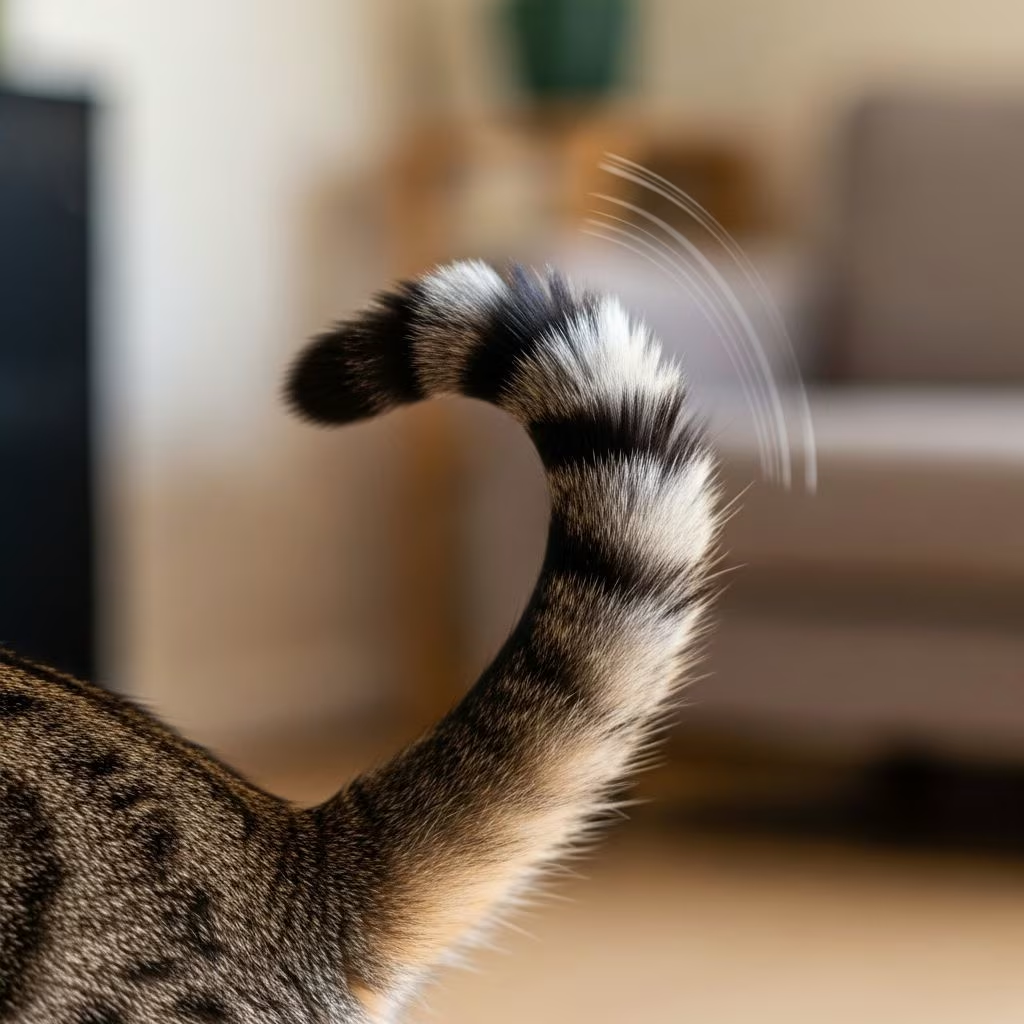
Cats possess a sophisticated system of non-verbal communication, and their tails serve as one of the most expressive tools in their behavioral repertoire. The tail functions as an extension of a cat’s emotional state, capable of conveying messages that would otherwise remain hidden. Among the various tail movements cats display, shaking and vibrating stand out as particularly intriguing behaviors that warrant closer examination. These movements can signify vastly different emotional states depending on context, accompanying body language, and environmental factors.
The Multifaceted Language of Tail Movement
Feline tail movements represent a complex communication system that has evolved over millennia. Unlike dogs, whose tail wagging typically indicates friendliness, cats employ their tails to express a broader spectrum of emotions and intentions. The tail contains numerous bones and muscles that grant cats remarkable control over its positioning and movement patterns. This anatomical precision allows cats to craft nuanced messages through various tail behaviors, each carrying distinct meanings within the feline communication framework.
Observing your cat’s tail in isolation provides limited insight into their emotional landscape. Instead, tail movements must be interpreted as part of a comprehensive body language display. The overall posture, ear position, eye dilation, facial expressions, and vocalizations all contribute to the complete picture of what your cat is attempting to communicate through their tail vibrations and shakes.
Distinguishing Between Excitement and Overstimulation
One of the most significant and frequently misinterpreted tail behaviors involves quivering and rapid vibrations, particularly when combined with an upright tail position. When a cat holds their tail vertically and it trembles or quivers, this often indicates genuine excitement and affection. This behavior frequently occurs when your cat greets you after a period of separation, or when they anticipate something positive such as mealtime or playtime. The quivering tail in this context represents enthusiasm and positive anticipation.
However, the distinction becomes crucial when examining the base of the tail. If the hair at the base becomes fluffed or raised while the tail vibrates, this can signal overstimulation rather than pure joy. During petting sessions, cats may display this mixed signal, indicating they’re enjoying the interaction but approaching their tolerance threshold. When you observe this transition, stepping back and allowing your cat to disengage prevents escalation to swatting or biting behaviors.
Rapid Shaking as an Indicator of Irritability
When a cat’s tail exhibits rapid, pronounced shaking or thrashing motions, irritability and frustration typically underlie this behavior. This movement represents a distance-increasing signal—the cat is essentially communicating that they wish for others to maintain space or cease current interactions. If you’re petting your cat and their tail begins thrashing against your hand, this serves as a warning that continued stroking will likely result in negative behaviors such as swatting or biting.
The context surrounding rapid tail shaking proves essential for accurate interpretation. A cat observing prey through a window might display similar tail movements while hunting, channeling excitement into anticipatory behavior. Conversely, the same movement during an unwanted interaction signals discomfort and the desire for personal space. Attentiveness to accompanying signals—such as skin rippling, ear positioning, or eye narrowing—helps distinguish between these scenarios.
Low and Tucked Tail Positions as Stress Indicators
When a cat’s tail drops below the level of their back or tucks between their hind legs, anxiety and fear typically motivate this postural adjustment. A tail held low signals that your cat feels vulnerable or threatened by their current environment. If the tail wraps tightly around the cat’s body, the anxiety level has intensified, suggesting your cat is experiencing significant emotional distress.
In cases where tail tucking persists for extended periods, underlying pain or illness may be responsible. A cat positioned in a crouched stance with their tail curled tightly around their body warrants careful observation. If this behavior continues for multiple days or is accompanied by other symptoms such as reduced appetite, lethargy, or behavioral changes, veterinary evaluation becomes advisable to rule out medical issues.
Defensive Displays and the Puffed Tail
The archetypal Halloween cat image—arched back with dramatically enlarged tail—represents a deliberate defensive display. When a cat’s tail puffs dramatically, the hair stands on end through a process called piloerection, making the cat appear substantially larger than their actual size. This response typically occurs when a cat experiences sudden fright or perceives a significant threat. The puffed tail works in conjunction with an arched back, hissing vocalizations, and a sideways stance to create an intimidating appearance designed to discourage potential threats.
This defensive posture differs fundamentally from other tail shaking behaviors. Rather than communicating emotional nuance, the puffed tail represents an acute survival response. Environmental triggers such as unfamiliar visitors, approaching dogs, loud noises, or other animals in the yard commonly provoke this reaction. Once the perceived threat diminishes, the tail typically returns to normal appearance as the cat’s stress response subsides.
Slow, Deliberate Tail Movements and Predatory Focus
When observing a cat intently focused on potential prey, the tail typically exhibits slow, deliberate swishing movements from side to side. This behavior reflects concentrated attention and readiness to pounce. Whether your cat is watching a bird outside, tracking a toy across the room, or monitoring another pet, this characteristic tail movement accompanies the predatory stalking sequence. The slow swish contrasts sharply with rapid thrashing, reflecting the cat’s mental state of calculated anticipation rather than irritation.
During these moments, cats are engaging in essential predatory enrichment that supports their psychological well-being. Allowing your cat to continue their focused behavior without interruption respects their natural instincts and provides valuable mental stimulation. Providing appropriate toys that trigger these stalking responses contributes to a more satisfied and behaviorally balanced pet.
Wrapping Behaviors and Affiliative Bonding
When a cat deliberately wraps their tail around your leg, arm, or another cat, they’re engaging in an affiliative behavior that demonstrates willingness to interact positively. This tail wrapping action parallels human greetings such as handshakes or hugs, representing a feline-specific communication of friendliness and acceptance. Cats who wrap their tails around their human companions or around each other are explicitly signaling trust and positive intent.
This behavior contrasts distinctly from the anxious tail wrapping that occurs during stress or fear. The difference lies in the overall body position and facial expression. A cat wrapping their tail around you while approaching with relaxed body language and soft eyes is communicating affection. When the same wrapping occurs during a crouched, tense posture, fear or defensiveness motivates the behavior instead.
Interpreting Tail Movements in Different Contexts
| Tail Position/Movement | Likely Emotional State | Recommended Response |
|---|---|---|
| Vertical tail with quivering | Excitement and affection | Reciprocate with gentle interaction |
| Rapid thrashing or swishing | Irritation and frustration | Provide space and cease petting |
| Low or tucked position | Anxiety or fear | Identify and remove stressors |
| Puffed and enlarged | Defensive posture | Allow distance until threat passes |
| Slow side-to-side swish | Predatory focus | Allow hunting behavior to continue |
| Wrapped around body | Fear, pain, or illness | Seek veterinary evaluation if persistent |
Environmental Factors Influencing Tail Behavior
A cat’s tail movements don’t exist in isolation from their surrounding environment. Multiple contextual elements shape how your cat expresses themselves through tail language. Changes in household dynamics, introduction of new pets, alterations to the physical environment, or variations in routine can all trigger shifts in tail behavior patterns.
New family members, particularly infants or other pets, may cause previously relaxed cats to display more frequent stress-related tail behaviors. Similarly, environmental modifications such as moving furniture, introducing new sounds, or changing feeding schedules can manifest through altered tail signals. Recognizing these environmental connections helps explain behavioral changes and allows you to make adjustments that support your cat’s emotional well-being.
Health Considerations and Tail Behavior
While most tail movements reflect emotional states, certain tail behaviors can indicate underlying health concerns. Persistent tail tucking, excessive shaking, or sudden changes in normal tail movement patterns warrant careful attention. Cats experiencing pain often display behavioral changes that include abnormal tail positioning. Additionally, neurological conditions, skin irritations, or other medical issues can manifest through unusual tail movements.
If your cat’s tail behavior represents a significant departure from their established patterns, or if tail-related behaviors persist for extended periods, professional veterinary evaluation ensures that medical factors aren’t contributing to the behavioral changes. Early identification of health issues allows for prompt intervention and treatment.
Building Better Communication With Your Feline Companion
Developing fluency in reading your cat’s tail language substantially improves your relationship with your pet. By recognizing the emotional information conveyed through various tail movements, you can respond appropriately to your cat’s needs and preferences. This understanding prevents unnecessary conflicts, reduces your cat’s stress, and creates an environment where your cat feels respected and understood.
The investment in learning tail language represents an investment in your cat’s psychological well-being. Cats who live with humans capable of reading their signals experience less frustration and confusion. When you respect your cat’s communication—backing away when their tail thrashes, allowing hunting behaviors to proceed undisturbed, and providing comfort when stress signals emerge—your cat recognizes this responsiveness and develops greater trust and affection.
Frequently Asked Questions About Feline Tail Behavior
Why does my cat’s tail quiver when they’re greeting me?
Tail quivering during greetings indicates genuine excitement and positive anticipation. Your cat is expressing happiness at seeing you and enthusiasm for the interaction about to unfold. This behavior demonstrates that your cat views you as a valued and beloved presence in their life.
What’s the difference between a thrashing tail and a swishing tail?
A thrashing tail typically involves rapid, forceful movements that indicate irritation or frustration. A swishing tail moves more slowly and deliberately, often accompanying predatory focus or calm interest. The speed and force of movement help distinguish the emotional state underlying each behavior.
Is a puffed tail always a sign of danger?
A puffed tail most commonly indicates that a cat feels threatened or defensive, but it can also reflect severe overstimulation during play. In either case, the behavior signals that your cat is experiencing significant emotional intensity and would benefit from reduced interaction and environmental calming.
Should I be concerned if my cat’s tail is always tucked?
Persistent tail tucking suggests ongoing anxiety or possible medical issues. If this behavior represents a change from your cat’s normal patterns, veterinary evaluation is advisable to ensure no underlying health concerns are present.
Can I train my cat to control their tail movements?
Cats cannot consciously suppress their tail movements in the way humans can control facial expressions. Tail behaviors reflect genuine emotional states and occur largely involuntarily. Instead of attempting to change tail behavior, work on creating environmental conditions that promote positive emotional states.
References
- Cat Tail Twitching: What Does it Mean? — Whitney Veterinary Hospital. https://whitneyvet.com/cat-tail-twitching/
- How to Read Your Cat’s Tail Language and Meaning — PetMD. https://www.petmd.com/cat/behavior/cat-tail-language
- Understanding cat tail language — RSPCA Pet Insurance. https://www.rspcapetinsurance.org.au/pet-care/cat-care/cat-tail-language
- Why Do Cat Tails Shake and Quiver? — Cats.com. https://cats.com/why-do-cat-tails-shake-or-quiver



