

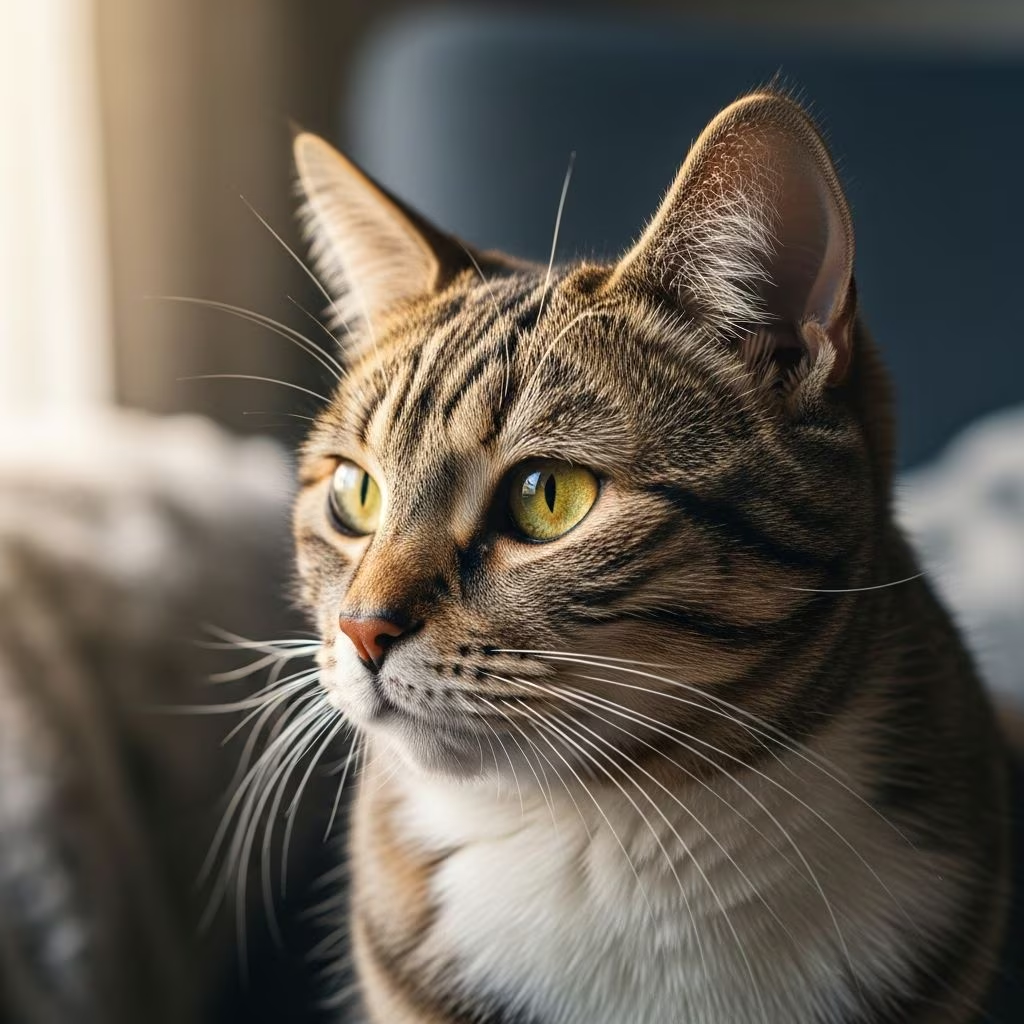
Strokes represent one of the most serious neurological emergencies that can affect our feline companions. When a cat experiences a stroke, it fundamentally disrupts the normal functioning of brain tissue due to interrupted blood flow. Understanding what happens during a stroke, recognizing the warning signs, and knowing how to respond can significantly impact your cat’s chances of recovery and quality of life moving forward.
What Exactly Happens During a Feline Stroke?
A stroke, medically known as a cerebrovascular accident (CVA), occurs when the blood supply to the brain is suddenly disrupted. This interruption prevents oxygen and essential nutrients from reaching brain cells, which can lead to cell malfunction and, in severe cases, cell death. The severity of the stroke depends on which part of the brain is affected and how quickly blood flow is restored.
What makes strokes particularly concerning in cats is their sudden onset. Unlike many other feline health conditions that develop gradually, a stroke can transform a seemingly healthy cat into one experiencing severe neurological symptoms within minutes. This rapid progression underscores the importance of immediate veterinary intervention.
Two Primary Categories of Feline Strokes
Veterinarians classify feline strokes into two distinct categories based on their underlying mechanisms:
Ischemic Strokes: Blocked Blood Flow
Ischemic strokes represent the most common type and occur when blood vessels become narrowed or completely blocked. This blockage prevents normal blood circulation to portions of the brain, starving those areas of oxygen. The blockage can develop due to various conditions including blood clots, arterial narrowing from underlying diseases, or fatty deposits accumulating within blood vessels.
Hemorrhagic Strokes: Internal Bleeding
Hemorrhagic strokes result from rupture or damage to blood vessels within the brain. When an artery bursts, blood spills into surrounding brain tissue, creating pressure that damages delicate neural structures. This type of stroke is particularly dangerous because the bleeding continues to cause damage, and the accumulating blood creates increasing pressure within the skull.
Identifying the Root Causes of Feline Strokes
While some strokes occur without any identifiable underlying cause, numerous factors can precipitate this neurological emergency. Understanding these causative factors helps veterinarians develop prevention strategies and treatment plans tailored to individual cats:
- Cardiovascular conditions: Heart disease represents a significant risk factor, as it can lead to blood clot formation and abnormal blood flow patterns
- Endocrine disorders: Hyperthyroidism and diabetes both increase stroke risk through various physiological mechanisms
- Hypertension: Elevated blood pressure stresses blood vessel walls and can contribute to both ischemic and hemorrhagic events
- Kidney disease: Chronic renal failure increases blood clot formation and can elevate blood pressure
- Traumatic injuries: Both head trauma and body trauma can trigger strokes through direct damage or by dislodging emboli
- Neoplastic disease: Brain tumors and systemic cancers increase stroke risk through various mechanisms
- Metabolic disorders: Cushing’s disease and other endocrine imbalances affect blood clotting and vessel integrity
- Toxin exposure: Ingestion of certain poisons like warfarin in rodenticides can impair blood clotting and cause bleeding
- Parasitic infections: Certain parasites, including lungworm, can affect blood vessels and circulation
- Congenital abnormalities: Some cats are born with genetic defects affecting blood vessels or clotting mechanisms
Recognizing Stroke Symptoms in Your Cat
The sudden appearance of neurological symptoms should immediately alert you to seek veterinary care. Stroke symptoms can progress over 24 hours following the initial event, and early intervention may limit damage. Common signs include:
- Loss of balance and coordination: Your cat may stumble, appear disoriented, or have difficulty walking normally
- Head tilting: A noticeable head tilt, where the cat holds its head at an unusual angle, is a classic stroke indicator
- Abnormal eye movements: Rapid or jerky pupil movements (nystagmus) or eyes moving independently of one another
- Unequal pupil sizes: When pupils are noticeably different in size, this suggests neurological compromise
- Muscle spasms: Uncontrollable muscle contractions, sometimes severe enough to arch the head, neck, and body backwards
- Seizure activity: Convulsions represent a serious symptom requiring immediate emergency care
- Circling behavior: Compulsive circling in one direction suggests focal brain damage
- Blindness: Sudden loss of vision may develop depending on which brain regions are affected
- Collapse: Complete loss of consciousness or inability to stand indicates severe stroke
- General weakness: Partial paralysis or inability to use limbs normally
The critical distinction between strokes and other feline neurological conditions is the rapidity of symptom onset. A cat may appear completely normal and within minutes show dramatic neurological changes. Additionally, while symptoms may worsen during the first 24 hours, they typically stabilize thereafter unless ongoing bleeding continues.
Diagnostic Procedures and Veterinary Evaluation
When you bring your cat to the veterinary clinic with suspected stroke symptoms, your veterinarian will perform a thorough neurological examination. Advanced imaging studies are essential for confirming a stroke diagnosis and determining whether it’s ischemic or hemorrhagic in nature. Magnetic resonance imaging (MRI) remains the gold standard for visualizing blood clots or internal bleeding within the brain. Some cases may also benefit from consultation with a veterinary neurologist who specializes in these complex conditions.
Treatment Approaches and Supportive Care
Unlike human stroke medicine, where thrombolytic drugs (clot-busting medications) have proven effective, these treatments have not been established as beneficial in cats. Instead, feline stroke treatment focuses on stabilization, symptom management, and addressing underlying causes.
Immediate Emergency Interventions
Upon arrival at the veterinary clinic, your cat will likely receive:
- Oxygen therapy: Supplemental oxygen improves oxygen delivery to damaged brain tissue and promotes cellular healing
- Intravenous fluid therapy: IV fluids maintain proper hydration and support organ function during recovery
- Seizure medications: If seizures occur, anti-seizure drugs help control convulsions and reduce intracranial pressure
- Monitoring: Continuous observation ensures stable vital signs and allows veterinarians to detect any deterioration
- Pain management: Pain medications keep your cat comfortable during recovery
Ongoing Hospital Care
Hospitalization typically lasts several days to a week, with the duration depending on stroke severity. During this time, your cat receives 24-hour nursing care including assistance with feeding and elimination needs if neurological deficits prevent independent functioning. Hospital staff monitor for signs of secondary complications and adjust treatment as needed based on your cat’s response.
Addressing Underlying Causes
A crucial component of stroke treatment involves identifying and managing whatever condition triggered the stroke. This might include:
- Blood pressure regulation medications for hypertensive cats
- Thyroid hormone management for hyperthyroid cats
- Insulin therapy and dietary management for diabetic cats
- Cardiac medications for cats with heart disease
- Blood thinners in certain cases to prevent future clots
Some cats require lifelong medications and management of their underlying conditions to prevent future strokes.
Long-Term Recovery and Rehabilitation
Recovery from a feline stroke is highly individualized. While some cats regain most motor functions and mobility, others experience permanent neurological deficits requiring lifelong management. Physical therapy plays an important role in helping many cats regain strength and coordination.
Physical Rehabilitation Techniques
Various physical therapy approaches can support neurological recovery:
- Therapeutic ultrasound: Sound wave therapy to reduce inflammation and promote tissue healing
- Laser therapy: Low-level laser treatment stimulates cellular function and reduces pain
- Electrical stimulation: Electrical current helps activate muscles and nerves
- Therapeutic exercises: Guided range-of-motion activities and strength-building exercises
- Massage therapy: Gentle massage improves circulation and reduces muscle tension
- Aquatic therapy: Underwater treadmills provide low-impact exercise beneficial for neurological recovery
Environmental and Lifestyle Modifications
Creating a supportive home environment significantly impacts recovery outcomes. Maintaining a consistent daily routine with regular feeding times and predictable activity patterns helps cats feel secure and supports neurological healing. Provide easy access to litter boxes, food, and water, positioning them on levels your cat can easily reach. Some cats benefit from ramps, steps, or orthopedic bedding to accommodate mobility challenges.
Nutritional Support
Proper nutrition accelerates healing and supports overall health. Work with your veterinarian to select a balanced, high-quality diet that meets your cat’s specific needs. Some cats recovering from strokes may need feeding tubes temporarily if they have difficulty swallowing or show no interest in food. Once eating normally resumes, nutritional support should continue as a cornerstone of recovery.
Prognosis and Expected Recovery Timeline
Most cats’ stroke symptoms stabilize within 24-72 hours of the initial event. However, this stabilization doesn’t necessarily mean full recovery. Some cats may retain permanent neurological deficits including ongoing balance issues, vision loss, or behavioral changes. The prognosis depends on multiple factors including the stroke’s severity, location, and whether underlying causes can be effectively managed. Your veterinarian can help assess your individual cat’s recovery progress and adjust management strategies accordingly.
Frequently Asked Questions About Feline Strokes
Can strokes be prevented in cats?
While not all strokes can be prevented, managing underlying health conditions significantly reduces risk. Regular veterinary checkups, blood pressure monitoring, and prompt treatment of conditions like hyperthyroidism, diabetes, and heart disease help protect your cat’s neurological health.
How quickly should I seek veterinary care?
Immediate veterinary care is essential. Any sudden neurological symptoms warrant emergency evaluation, as early intervention may limit brain damage and improve outcomes.
Will my cat fully recover from a stroke?
Recovery varies considerably. Some cats regain most functions, while others experience permanent changes. The underlying cause, stroke severity, and quality of care all influence recovery potential.
Are certain cat breeds more susceptible to strokes?
While the search literature doesn’t indicate breed-specific predisposition, cats with inherited heart conditions or genetic clotting disorders may face increased risk.
What is the cost of stroke treatment?
Treatment costs vary based on hospitalization duration, imaging needs, and ongoing care requirements. Discuss financial considerations with your veterinarian upfront.
Moving Forward With Your Stroke Recovery Cat
A stroke diagnosis can feel overwhelming, but many cats go on to enjoy good quality of life with appropriate treatment and management. Working closely with your veterinarian, maintaining consistent care routines, and providing environmental support creates the best foundation for recovery. Monitor your cat’s progress carefully, report any changes to your veterinarian, and remain patient as neurological healing takes time. With dedication and proper care, many cats demonstrate remarkable resilience following this serious health event.
References
- Signs of Strokes in Cats — Carolina Veterinary Specialists. Accessed 2026. https://www.winston-salem.carolinavet.com/site/pet-health-advice-blog/2020/11/23/signs-of-strokes-in-cats
- Understanding Strokes in Cats: What You Need to Know — MedVet. Accessed 2026. https://www.medvet.com/strokes-in-cats/
- Signs Your Cat May Have Had a Stroke — Ventura Emergency Vet. Accessed 2026. https://www.vmsg.com/site/blog/2020/12/07/signs-your-cat-may-had-stroke
- Symptoms, Causes, and Treatment for Stroke in Cats — PetMD. Accessed 2026. https://www.petmd.com/cat/conditions/neurological/signs-stroke-cats
- How to detect and treat stroke in cats — Vetster. Accessed 2026. https://vetster.com/en/wellness/how-to-detect-and-treat-stroke-in-cats
- Cat Stroke: Causes, Symptoms & Treatment — Purina. Accessed 2026. https://www.purina.com/articles/cat/health/symptoms/cat-stroke
- Strokes in Cats — VCA Animal Hospitals. Accessed 2026. https://vcahospitals.com/know-your-pet/strokes-in-cats



