Creating a Calm Environment for Your Feline Companion
Essential strategies to minimize anxiety and promote wellbeing in domestic cats
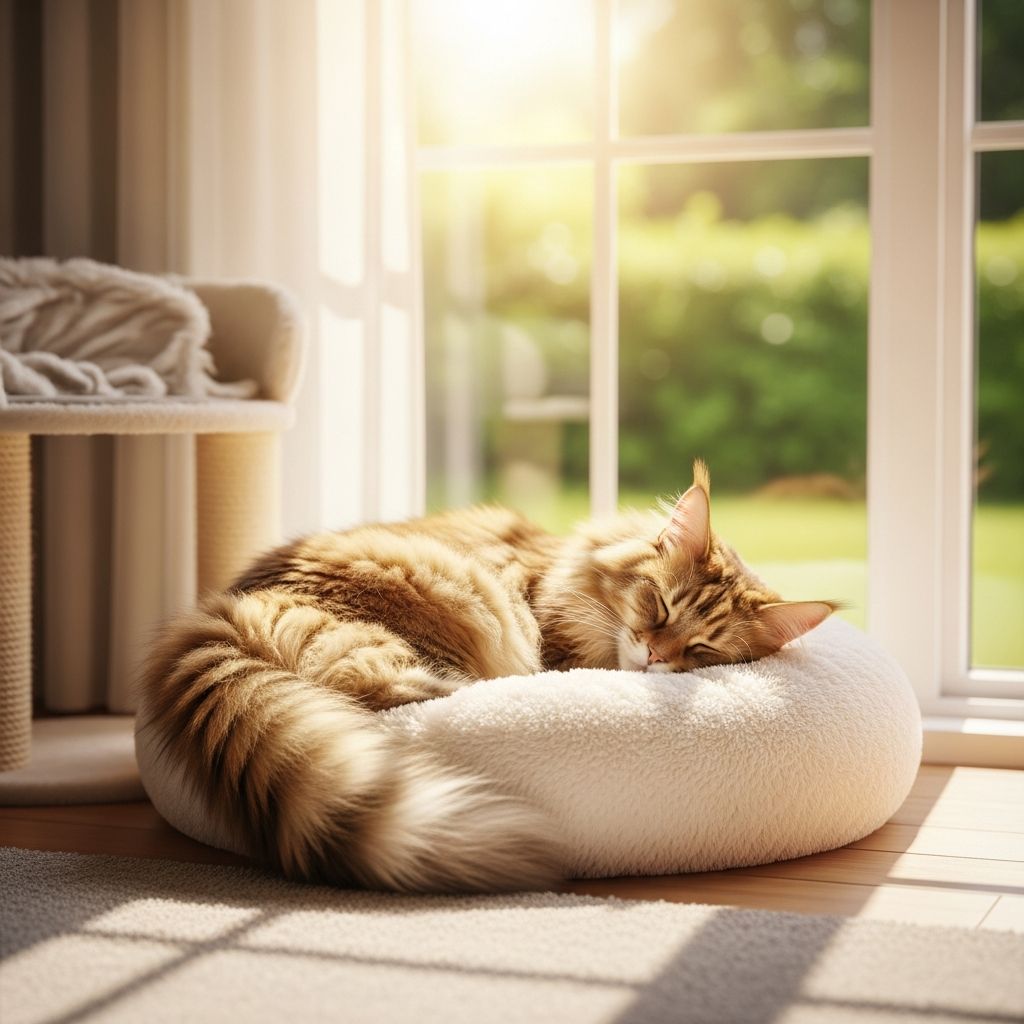
Cats are sensitive creatures with complex emotional needs, and stress can significantly impact their physical and mental health. Unlike their wild ancestors, domesticated cats have adapted to living alongside humans, but they still retain their natural instincts and preferences for control, predictability, and solitude. Understanding what causes stress in cats and implementing targeted strategies to minimize anxiety is essential for responsible pet ownership. This comprehensive guide explores practical, evidence-based approaches to building an environment where your cat can thrive.
Understanding Feline Stress and Its Impact
Stress in cats manifests differently than in humans, and recognizing the signs is crucial for early intervention. When cats experience prolonged stress, they may exhibit behavioral changes such as excessive grooming, inappropriate elimination, decreased appetite, aggression, or withdrawal from family activities. Beyond behavioral indicators, chronic stress can compromise immune function and contribute to various health conditions, including urinary tract issues and digestive problems. The underlying cause of feline stress often stems from environmental factors rather than inherent personality traits, meaning that most stress-related issues can be addressed through thoughtful modifications to your cat’s living space and daily routine.
Research indicates that cats are territorial animals who require a sense of security and control within their environment. When this need goes unmet, cats become anxious and may develop problematic behaviors as coping mechanisms. By recognizing stress as a welfare issue rather than a behavioral problem, cat owners can shift their approach from punishment to prevention and environmental design.
Essential Resources and Proper Placement Strategy
The foundation of a stress-free environment begins with ensuring your cat has access to all necessary resources in locations that respect feline preferences. Cats have distinct behavioral needs that differ significantly from other pets, and acknowledging these differences is fundamental to reducing anxiety.
The Resource Separation Principle
One of the most overlooked aspects of feline stress management involves the strategic placement of essential items. Cats instinctively prefer to keep their elimination areas separate from their feeding and sleeping zones—a behavior rooted in their natural hygiene instincts. Providing a litter tray, food bowl, and water bowl in separate locations signals respect for these innate preferences and reduces stress associated with resource competition and contamination concerns.
When designing your cat’s space, consider the following placement guidelines:
- Position the litter box in a quiet, accessible location away from high-traffic household areas
- Place food and water bowls in a separate room or corner, ideally away from the litter area
- Ensure all resources are positioned in low-noise environments, far from appliances, children’s play areas, or other animals
- In multi-cat households, provide additional resources to prevent territorial disputes and competition stress
The placement of these items directly influences your cat’s stress levels. Environmental chaos—such as loud appliances, frequent human traffic, or proximity to other pets—can transform even a well-equipped space into a source of anxiety. Taking time to audit your home and identify quiet zones dedicated to your cat’s essential needs demonstrates commitment to their psychological wellbeing.
Hydration, Nutrition, and Digestive Wellness
Proper nutrition and hydration play significant roles in stress management, yet many cat owners underestimate their importance. Cats are obligate carnivores with specific dietary requirements, and maintaining optimal nutrition supports both physical health and emotional resilience.
Water consumption deserves particular attention. Many cats naturally gravitate toward moving water sources, a preference inherited from their wild ancestors who associated flowing water with freshness and safety. Installing a cat water fountain can dramatically increase daily fluid intake, supporting urinary health and reducing stress-related urinary complications. Additionally, feeding a diet that includes canned or wet food increases moisture content, helping cats maintain proper hydration throughout the day.
Feeding strategies can also impact stress levels. Rather than providing a single large meal, dividing daily food portions into multiple smaller meals better mirrors natural feline hunting patterns. Puzzle feeders and strategically hiding small food portions throughout the home encourage hunting behaviors, providing mental stimulation and physical exercise while reducing the perception of scarcity that can trigger anxiety in some cats.
Vertical Territory and Escape Routes
Cats are vertical creatures who seek elevation for safety, surveillance, and psychological comfort. In the wild, climbing to high places allows cats to observe potential threats while remaining secure from ground-level dangers. Replicating this instinct in domestic environments significantly reduces stress and provides cats with a sense of control.
Creating Vertical Living Space
Multi-level cat furniture, wall-mounted shelves, and elevated perches serve multiple purposes beyond entertainment. They provide:
- Safe retreat spaces during periods of stress or overstimulation
- Vantage points for monitoring household activity without direct engagement
- Physical exercise opportunities that support metabolic health
- Territorial markers that reinforce a cat’s sense of ownership and control
For cats living in smaller spaces, simple solutions such as cardboard boxes on sturdy shelves or window perches can provide the elevation and security cats crave. The key is ensuring these spaces are accessible, stable, and positioned away from household chaos—ideally in quiet corners where a cat can observe without being observed.
Scratching, Marking, and Territorial Expression
Scratching is far more than a destructive habit; it is a fundamental feline behavior that serves critical psychological functions. When cats scratch, they engage in territorial marking, claw maintenance, and stress relief simultaneously. Denying cats appropriate scratching surfaces forces them to either suppress natural urges—causing frustration and anxiety—or redirect these behaviors toward household furniture.
Providing Appropriate Scratching Infrastructure
Offering multiple scratching surfaces in varied materials respects individual preferences and encourages appropriate marking behavior:
- Vertical scratching posts for full-body stretching and marking
- Horizontal scratching pads for different scratching angles
- Angled scratching surfaces that combine multiple orientations
- Varied materials including sisal rope, cardboard, wood, and carpet to determine preferences
Positioning scratching posts near areas where your cat naturally spends time—such as near favorite sleeping spots or play areas—increases usage and reinforces appropriate territorial marking. This prevents frustration-induced stress and reduces the likelihood that your cat will target furniture.
Enrichment, Play, and Mental Stimulation
Cats evolved as hunters, and their modern domestic lives often fail to provide adequate outlets for these instinctual behaviors. Insufficient mental and physical stimulation leads to boredom, which manifests as stress, anxiety, destructive behavior, and overeating. Implementing a structured enrichment program addresses these deficits and substantially improves feline welfare.
Interactive Play Strategy
Dedicating time to interactive play sessions benefits both cat and owner. Aim for 20-30 minutes of active engagement distributed across 2-3 sessions daily, preferably at consistent times. This consistency reinforces routine and predictability—both stress-reducing factors.
Different cats prefer different play styles. Experiment with various toy categories:
- Wand toys that simulate bird or insect movement
- Small toys resembling mice or rodents for pouncing practice
- Laser pointers for chase play (though redirect to physical toys for final capture)
- Ball toys for batting and chasing
- Crinkle toys that provide auditory feedback
Rotating toys regularly maintains novelty and engagement. Independent enrichment options such as tunnels, paper bags, cardboard boxes, and food puzzles provide ongoing stimulation during times when active play isn’t possible, preventing boredom-related stress.
Establishing and Maintaining Predictable Routines
Cats thrive on predictability and consistency. Environmental unpredictability generates anxiety because cats cannot predict or prepare for changes, creating a chronic state of vigilance and stress. Implementing structured daily routines reduces this ambient anxiety significantly.
Components of an Effective Routine
A stress-minimizing routine should include consistent timing for:
- Feeding times—maintain the same hours daily
- Interactive play sessions—schedule at predictable times
- Litter box cleaning—routine maintenance signals care and safety
- Social interaction and affection—dedicated cuddle or petting time
- Environmental changes—when modifications are necessary, implement them gradually
When changes are unavoidable—such as introducing a new cat, rearranging furniture, or adjusting household schedules—implementing these modifications gradually allows your cat time to adjust psychologically. A multi-step introduction process for new cats, involving separate spaces, scent swapping, and gradual visual contact before full integration, prevents the acute stress that sudden introductions generate.
Managing Environmental Stressors
Beyond creating positive elements, stress reduction also requires minimizing negative environmental factors that trigger anxiety responses in cats.
Identifying and Reducing Stressors
Common household stressors include:
- Loud noises from appliances, construction, or electronic devices
- Excessive human or animal traffic through the home
- Uncontrolled visual access to outdoor threats or stimuli
- Insufficient hiding places during stressful events
- Proximity to other pets or animals without escape routes
- Changes in household composition or routine
Practical mitigation strategies include closing blinds during times when outdoor activity might be distracting, providing separate rooms during guests visits, creating quiet zones during potentially stressful events, and ensuring cats always have access to hiding places where they can retreat and process stress privately.
Pheromone Products and Supplemental Support
Synthetic feline facial pheromones mimic natural calming signals that cats produce when rubbing their faces on objects and people. These products, available as diffusers, sprays, and collars, help reduce anxiety in general situations and during specific stressful events like veterinary visits or household changes.
Beyond pheromone products, emerging evidence supports the use of certain nutritional supplements in stress management. Alpha-casozepine, a component found in some feline supplements, demonstrates anxiolytic properties in cats. Before introducing any supplements, consult your veterinarian to ensure appropriateness for your individual cat and to rule out underlying medical conditions causing behavioral changes.
Social Interaction and Affection on Your Cat’s Terms
While cats are often perceived as aloof, most cats benefit significantly from positive human interaction and demonstrate measurable stress reduction through petting and companionship. However, the key distinction involves offering affection on your cat’s terms rather than imposing interaction when your cat prefers solitude.
Respecting your cat’s boundaries regarding touch, duration of interaction, and frequency builds trust and prevents stress associated with forced handling. Some cats enjoy extended petting sessions, while others prefer brief interactions followed by independence. Learning your individual cat’s preferences and honoring these signals strengthens your relationship while reducing interaction-related stress.
Spending dedicated time observing your cat’s behavior provides opportunities to notice subtle changes that might indicate emerging health or behavioral issues. This proactive monitoring enables early intervention before stress-related problems become entrenched.
Multi-Cat Households and Social Dynamics
Managing stress in homes with multiple cats requires particular attention to social dynamics and resource availability. Competition for resources amplifies stress significantly, and introducing new cats without proper management creates conflict and anxiety for all animals involved.
In multi-cat environments, provide multiple resources exceeding the number of cats (for example, for three cats, provide four litter boxes, multiple water stations, and several feeding areas). This abundance reduces competition stress and provides options that respect individual preferences. Creating visual barriers between cats allows them to share space while maintaining privacy, particularly important when one cat’s behavior pattern differs significantly from others.
Recognizing When Professional Help Is Needed
While environmental modifications address most feline stress, some behavioral changes warrant veterinary evaluation. If your cat exhibits sudden behavioral shifts lasting more than a few days, significant changes in elimination patterns, or aggressive behaviors, consult your veterinarian to rule out underlying medical conditions. Stress and illness often present similarly in cats, and medical causes must be excluded before attributing behavioral changes solely to environmental stress.
Conclusion: Building Your Cat’s Ideal Environment
Creating a stress-free environment for your cat requires thoughtful planning, consistent implementation, and ongoing adjustment based on your individual cat’s responses. By providing essential resources in appropriate locations, maintaining predictable routines, offering enrichment opportunities, and minimizing environmental stressors, you establish conditions where your cat can express natural behaviors while feeling secure and in control. This investment in environmental design pays dividends through improved behavior, enhanced health, and a stronger bond between you and your feline companion.
References
- Stress in owned cats: behavioural changes and welfare implications — National Center for Biotechnology Information, PMC National Institutes of Health. 2024. https://www.ncbi.nlm.nih.gov/pmc/articles/PMC10816390/
- Managing Stress in Cats: Tips for a Calmer Kitty — Town Country Veterinary Clinic. 2025. https://towncountryvet.com/stress-in-cats/
- 10 Tips for Creating a Stress-Free Environment for Your Cat — PetMD. https://www.petmd.com/cat/centers/nutrition/slideshows/tips-for-creating-stress-free-environment-for-your-cat
- 5 tips for reducing cat stress — Cats Protection. https://www.cats.org.uk/cats-blog/5-tips-for-reducing-your-cats-stress
- Minimizing Stress In Cats — Best Friends Veterinary Center. https://bestfriendsvet.com/library/minimizing-stress-in-cats-2/
- 5 Causes and Management of Stress in Cats — Adamson Veterinary Services. https://adamsonveterinaryservices.com/5-causes-and-management-of-stress-in-cats/
Similar Articles








Read full bio of Sneha Tete