

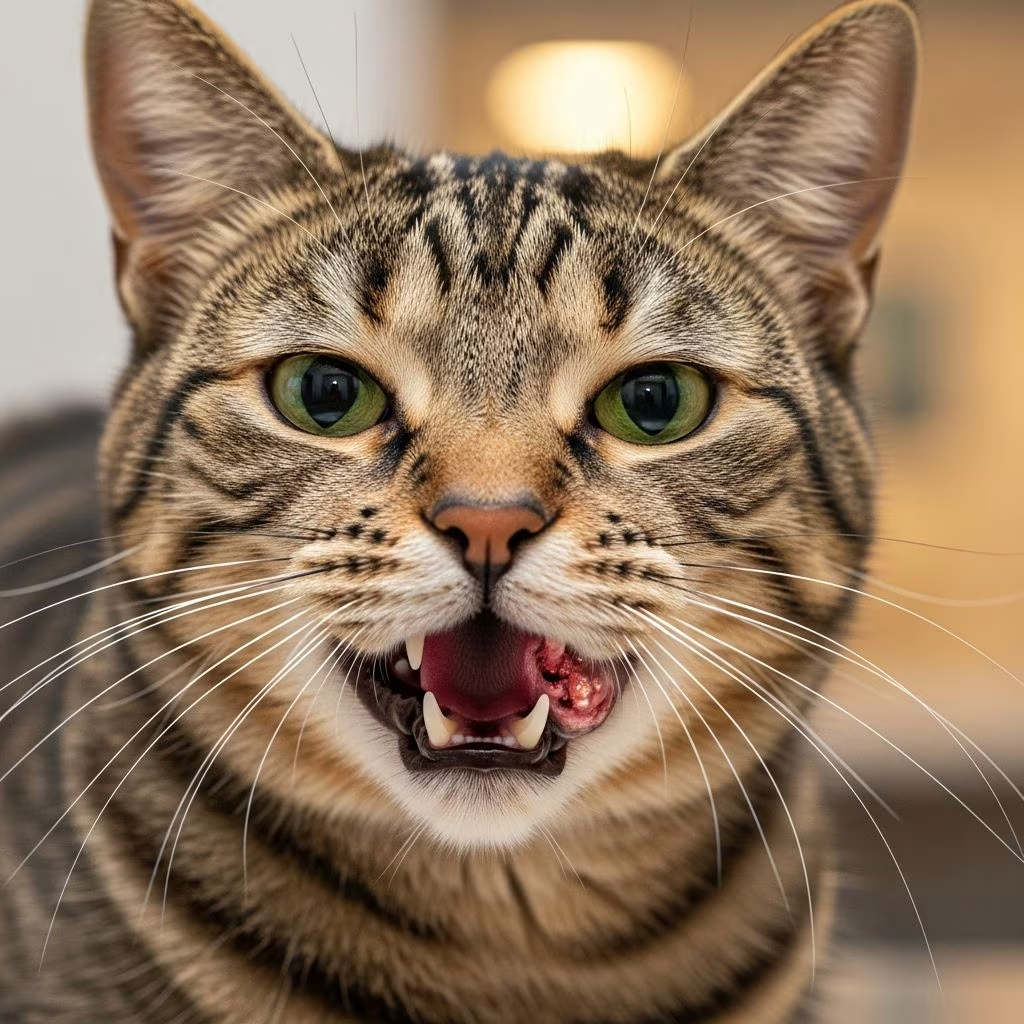
Feline stomatitis represents a severe and often debilitating oral condition affecting numerous cats, characterized by intense inflammation throughout the mouth’s soft tissues. This guide delves into its manifestations, underlying factors, diagnostic approaches, and proven interventions to equip cat owners with essential knowledge for managing this painful ailment.
Recognizing the Distress: Key Indicators of Feline Stomatitis
One of the earliest and most noticeable signs of feline stomatitis is a persistent foul odor emanating from the cat’s mouth, stemming from bacterial overgrowth and tissue breakdown. This halitosis often accompanies excessive drooling, which may appear watery or tinged with blood, as inflamed tissues bleed easily.
Cats afflicted with this condition frequently exhibit reluctance to eat, dropping food from their mouths or pawing at it painfully during attempts to chew. Such aversion leads to rapid weight loss, as the discomfort overrides hunger signals. Behavioral changes include vocalizing in distress when yawning or grooming, reduced self-cleaning resulting in unkempt fur, and general lethargy from chronic pain.
- Excessive salivation or bloody drool: Indicates mucosal ulceration.
- Halitosis: A foul breath odor due to infection.
- Appetite loss and weight reduction: Primary effects of eating pain.
- Oral pawing or head shaking: Attempts to alleviate discomfort.
- Visible red, swollen gums: Extending to cheeks and throat.
These symptoms can mimic other dental issues like gingivitis, but stomatitis typically involves widespread inflammation beyond the gums, affecting the entire oral cavity including the pharynx. Early detection through vigilant observation is crucial, as untreated cases exacerbate tissue damage and bone loss.
Unraveling the Mystery: Potential Triggers of Oral Inflammation
The precise etiology of feline stomatitis eludes definitive identification, but evidence points to an aberrant immune reaction where the body’s defenses overrespond to normal oral bacteria or plaque. This hyperimmune state may be sparked by chronic accumulation of dental plaque, prompting relentless inflammation.
Viral culprits frequently implicated include feline calicivirus and herpesvirus, which persist latently and flare in immunocompromised animals. Cats harboring feline immunodeficiency virus (FIV) or feline leukemia virus (FeLV) face heightened susceptibility, as these impair immune regulation. Bacterial agents like Bartonella henselae appear in some cases, though not universally causative.
Environmental and genetic elements contribute; multi-cat households without outdoor access correlate with higher incidence, possibly due to stress or pathogen density. Breeds such as Persians and Himalayans show predisposition, alongside links to periodontal disease, tooth resorption, or retained roots. Systemic conditions like kidney disease may indirectly foster the disorder.
| Potential Trigger | Description | Risk Factors |
|---|---|---|
| Immune Overreaction | Exaggerated response to plaque bacteria | Common in all cats |
| Viral Infections | Calicivirus, herpesvirus | FIV/FeLV positive cats |
| Bacterial Involvement | Bartonella, plaque buildup | Poor dental hygiene |
| Environmental | Multi-cat homes, stress | Indoor-only lifestyles |
Diagnostic Journey: Confirming Stomatitis in Your Cat
Veterinary assessment begins with a comprehensive physical exam under sedation, as pain precludes thorough inspection awake. Radiographs reveal bone loss, abscesses, or resorption, while probing assesses tissue depth and ulceration extent. Blood panels screen for FIV/FeLV, kidney function, or other comorbidities influencing inflammation.
Differentiating from gingivitis or cancer is vital; stomatitis features diffuse, proliferative lesions across mucosa, unlike localized plaque-induced gingivitis. Biopsies, though rare, confirm via histopathology if malignancy suspected. Prevalence hovers around 10% in domestic cats, underscoring its commonality.
Pathways to Relief: Comprehensive Treatment Strategies
Treatment hinges on severity, prioritizing plaque elimination through professional cleaning under anesthesia, including subgingival scaling and polishing. Mild instances may stabilize with this plus home antiseptics like 0.12% chlorhexidine gels.
For moderate to severe cases, partial or full-mouth extractions yield the gold standard, resolving symptoms in approximately 90% of patients by eradicating bacterial reservoirs. Canines may occasionally be spared if unaffected. Adjuncts include broad-spectrum antibiotics for secondary infections, anti-inflammatories like prednisone (oral or injectable), and analgesics for pain control.
Laser therapy on inflamed tissues offers mixed outcomes and high cost, reserved for refractory cases. Ongoing management post-extraction involves soft diets initially, transitioning to kibble as healing progresses.
Post-Treatment Care: Ensuring Long-Term Oral Wellness
Recovery timelines vary; most cats resume eating within days, bolstered by appetite stimulants if needed. Monitor for bleeding, swelling, or refusal to eat, prompting prompt vet contact. Pain meds and anti-inflammatories facilitate comfort during the 2-3 week healing phase.
Prevent recurrence via daily toothbrushing with pet-safe pastes, dental diets, water additives, or regular professional cleanings. Even toothless cats thrive on quality canned or softened foods, often gaining weight and vitality post-resolution.
FAQs on Feline Stomatitis
Can cats live normally without teeth after stomatitis treatment?
Yes, over 90% achieve full remission post-extractions, eating kibble or soft food effectively.
Is stomatitis contagious to other cats?
Not directly, but associated viruses like calicivirus spread via contact.
How much does stomatitis surgery cost?
Varies widely; consult vets for estimates based on extraction scope.
Are certain breeds more prone?
Persians and Himalayans show elevated risk.
What home remedies help mild cases?
Chlorhexidine rinses and brushing, but vet oversight essential.
Prognosis and Prevention: Optimistic Outlook for Affected Cats
With aggressive intervention, prognosis excels; extractions halt progression, restoring appetite and demeanor swiftly. Prevention emphasizes routine dental checks, hygiene routines from kittenhood, and prompt viral testing. Awareness empowers owners to intervene early, mitigating suffering from this pervasive yet treatable scourge.
(Word count: 1678)
References
- Gingivitis and Stomatitis in Cats — VCA Animal Hospitals. Accessed 2026. https://vcahospitals.com/know-your-pet/gingivitis-and-stomatitis-in-cats
- Stomatitis in Cats: Signs and Treatment of Feline Dental Disease — Best Friends Animal Society. Accessed 2026. https://bestfriends.org/pet-care-resources/stomatitis-cats-signs-and-treatment-feline-dental-disease
- Signs of Stomatitis in Cats & How It’s Treated — Dix Animal Hospital. 2024-01-15. https://www.dixah.com/site/blog/2024/01/15/stomatitis-in-cats
- Feline Stomatitis — OR Vet Dental Specialists. Accessed 2026. https://orvetdentalspecialists.com/feline-stomatitis/
- Stomatitis in Cats: Symptoms, Causes and Treatment — PetMD. Accessed 2026. https://www.petmd.com/cat/conditions/mouth/stomatitis-in-cats
- Feline Stomatitis: Treatments for Your Cat’s Oral Health — Willow Glen Pet Hospital. Accessed 2026. https://willowglenpethospital.com/feline-stomatitis/
- Feline Stomatitis — Michigan Animal Dental Specialists PC. Accessed 2026. https://www.mianimaldental.com/feline-stomatitis



