

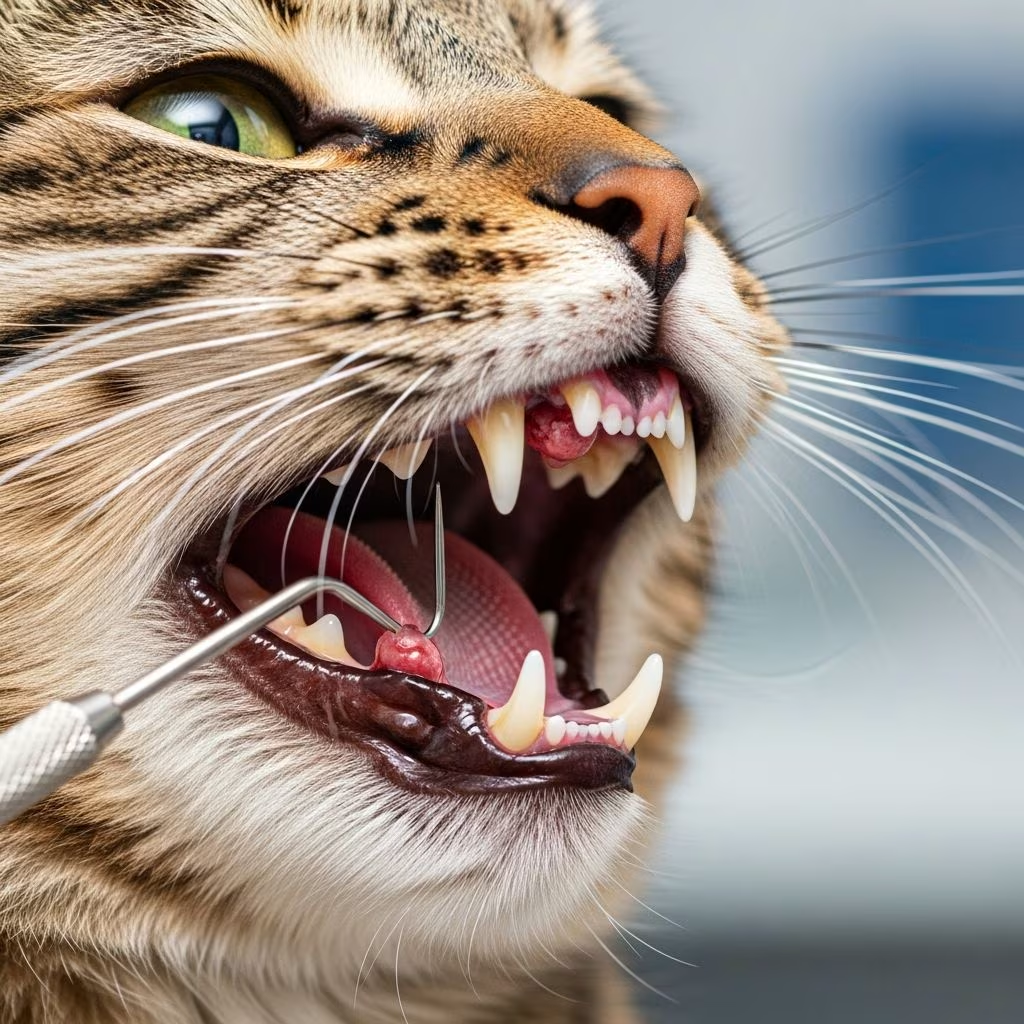
Feline stomatitis represents one of the most challenging and painful dental issues cats can face, characterized by widespread inflammation throughout the mouth. This condition drastically affects a cat’s ability to eat, groom, and enjoy daily life, often leading to significant weight loss and distress if left unaddressed. Understanding its complexities is crucial for pet owners seeking to alleviate their cat’s suffering.
Defining Feline Stomatitis and Its Impact
At its core, feline stomatitis involves chronic, severe inflammation of the oral tissues, including the gums, tongue, and inner cheeks. Unlike simple gingivitis, which is limited to the gum line, stomatitis extends to deeper tissues, creating ulcers and erosions that cause excruciating pain. Cats with this disorder frequently paw at their mouths, drop food from their jaws, or refuse meals altogether, highlighting the urgency of intervention.
The disease progresses insidiously, starting with mild discomfort and escalating to profound debilitation. Veterinary specialists note that without proper management, it leads to bone loss, gingival recession, and persistent infection cycles, underscoring the need for proactive care.
Unraveling the Complex Causes of Feline Stomatitis
Pinpointing a single cause for feline stomatitis remains elusive, as it arises from a confluence of factors rather than one isolated trigger. Central to the pathology is an aberrant immune response, where the cat’s defense system hyper-reacts to normal oral bacteria or plaque buildup on teeth. This overzealous reaction fuels relentless inflammation, even when bacterial loads are minimal.
- Immune Dysregulation: The hallmark feature, akin to an autoimmune disorder, targets oral mucosa indiscriminately.
- Plaque and Calculus: Bacterial biofilms on teeth act as persistent antigens, exacerbating the immune assault.
- Viral Influences: Chronic infections like feline calicivirus or herpesvirus weaken immunity, predisposing cats to stomatitis outbreaks.
Environmental stressors compound the risk. Multi-cat households without outdoor access heighten exposure to pathogens, while conditions like feline immunodeficiency virus (FIV) or leukemia virus (FeLV) correlate strongly with disease onset. Systemic issues, including kidney failure or hormonal imbalances, further contribute by compromising overall resilience.
Genetic predispositions may also play a role, as certain breeds or lineages show higher incidence rates, though no specific markers have been definitively identified. Inflammatory tooth resorption and retained root fragments often serve as nidus for ongoing irritation.
Spotting the Telltale Symptoms Early
Detecting feline stomatitis requires vigilance, as cats instinctively mask pain. Initial signs mimic less severe issues, delaying diagnosis. Key indicators include:
- Excessive salivation or drooling, often bloody.
- Halitosis (bad breath) that worsens progressively.
- Appetite loss, leading to rapid weight reduction.
- Behavioral shifts: irritability, hiding, or reduced grooming.
- Visible redness, swelling, or ulcers upon mouth inspection.
Advanced cases manifest as pawing at the mouth, voice changes from throat pain, or preference for soft foods. Owners might notice food falling from the mouth during attempts to eat. Prompt veterinary exams, including oral radiographs, confirm the diagnosis by revealing bone involvement and tooth pathology.
| Symptom | Early Stage | Advanced Stage |
|---|---|---|
| Drooling | Mild, occasional | Profuse, continuous |
| Eating Habits | Picky with hard food | Total refusal |
| Mouth Appearance | Gum redness | Ulcers, bleeding |
| Weight | Stable | Significant loss |
Diagnostic Approaches for Accurate Confirmation
Veterinarians employ a multi-faceted strategy to diagnose stomatitis, ruling out differentials like oral cancer or trauma. Physical exams under sedation reveal tissue changes, while dental X-rays detect hidden abscesses or resorptive lesions critical to the condition’s persistence.
Blood panels screen for FIV/FeLV, kidney function, and inflammatory markers. Biopsies, though rare, exclude neoplasia. This thorough process ensures tailored treatment plans, avoiding missteps that prolong suffering.
Proven Treatment Strategies: From Conservative to Definitive
Medical management alone yields fleeting results, as underlying triggers persist. Antibiotics offer short-term bacterial control, while corticosteroids like prednisone dampen inflammation temporarily. However, recurrence is inevitable without addressing plaque sources—the teeth themselves.
The gold standard involves surgical extraction: partial (premolars and molars) for milder cases or full-mouth for refractory ones. Studies show 80-90% resolution post-extraction, with cats adapting seamlessly to toothless eating via grinding motions.
- Pre-Surgical Prep: Antibiotics, pain relief, and appetite stimulants like mirtazapine.
- Intra-Op Care: Precise extractions with X-ray guidance to remove all roots.
- Post-Op: Soft diets, laser therapy adjuncts, or immunosuppressants like cyclosporine if needed.
Immunomodulators such as compounded cyclosporine provide ongoing support for non-responders. Supplements like CBD show anecdotal benefits for comfort, though evidence is emerging.
Post-Treatment Care and Long-Term Management
Recovery hinges on meticulous aftercare. Pain medications facilitate healing, while syringe feeding ensures nutrition during the initial 7-10 days. Owners monitor for complications like dry food avoidance or renewed inflammation.
Regular vet check-ups track progress, with most cats regaining appetite within weeks. Preventive measures for intact teeth include brushing and dental diets, though extracted cases rarely relapse.
FAQs on Feline Stomatitis
Can cats live normally without teeth?
Yes, toothless cats thrive, using their tongues and jaws effectively for soft foods, often showing improved quality of life post-treatment.
Is stomatitis contagious?
No, though viral links exist; it’s primarily immune-driven, not directly transmissible between cats.
How much does treatment cost?
Costs vary by extent: partial extractions $1,000-$2,000; full-mouth $2,000-$4,000, including anesthesia and meds.
Will medications alone suffice?
Rarely; they provide temporary relief but fail to halt progression without extractions.
At what age does it typically occur?
Any age, but middle-aged to senior cats predominate.
Prevention Tips for Optimal Oral Health
While not fully preventable, minimizing risks involves daily tooth brushing with enzymatic pastes, dental treats, and water additives. Routine vet dentals catch plaque early. Single-cat homes and FIV vaccinations reduce viral loads.
Nutritional balance supports immunity, avoiding stressors like overcrowding. Vigilant owners intervene before gingivitis escalates.
References
- Feline Chronic Gingivostomatitis — Michigan Animal Dental Specialists. Accessed 2026. https://www.mianimaldental.com/feline-stomatitis
- Stomatitis in Cats: Symptoms, Causes, and Treatment — Long Beach Animal Hospital. Accessed 2026. https://lbah.com/feline/stomatitis-in-cats/
- Stomatitis in Cats: Signs and Treatment of Feline Dental Disease — Best Friends Animal Society. Accessed 2026. https://bestfriends.org/pet-care-resources/stomatitis-cats-signs-and-treatment-feline-dental-disease
- Signs of Stomatitis in Cats & How It’s Treated — Dixon Animal Hospital. 2024-01-15. https://www.dixah.com/site/blog/2024/01/15/stomatitis-in-cats
- Feline Stomatitis – Dental Disease in Cats — OR Vet Dental Specialists. Accessed 2026. https://orvetdentalspecialists.com/feline-stomatitis/
- Feline Stomatitis: Treatments for Your Cat’s Oral Health — Willow Glen Pet Hospital. Accessed 2026. https://willowglenpethospital.com/feline-stomatitis/
- Feline Stomatitis Signs & Treatment — BluePearl Pet Hospital. Accessed 2026. https://bluepearlvet.com/medical-articles-for-pet-owners/stomatitis-in-cats/



