

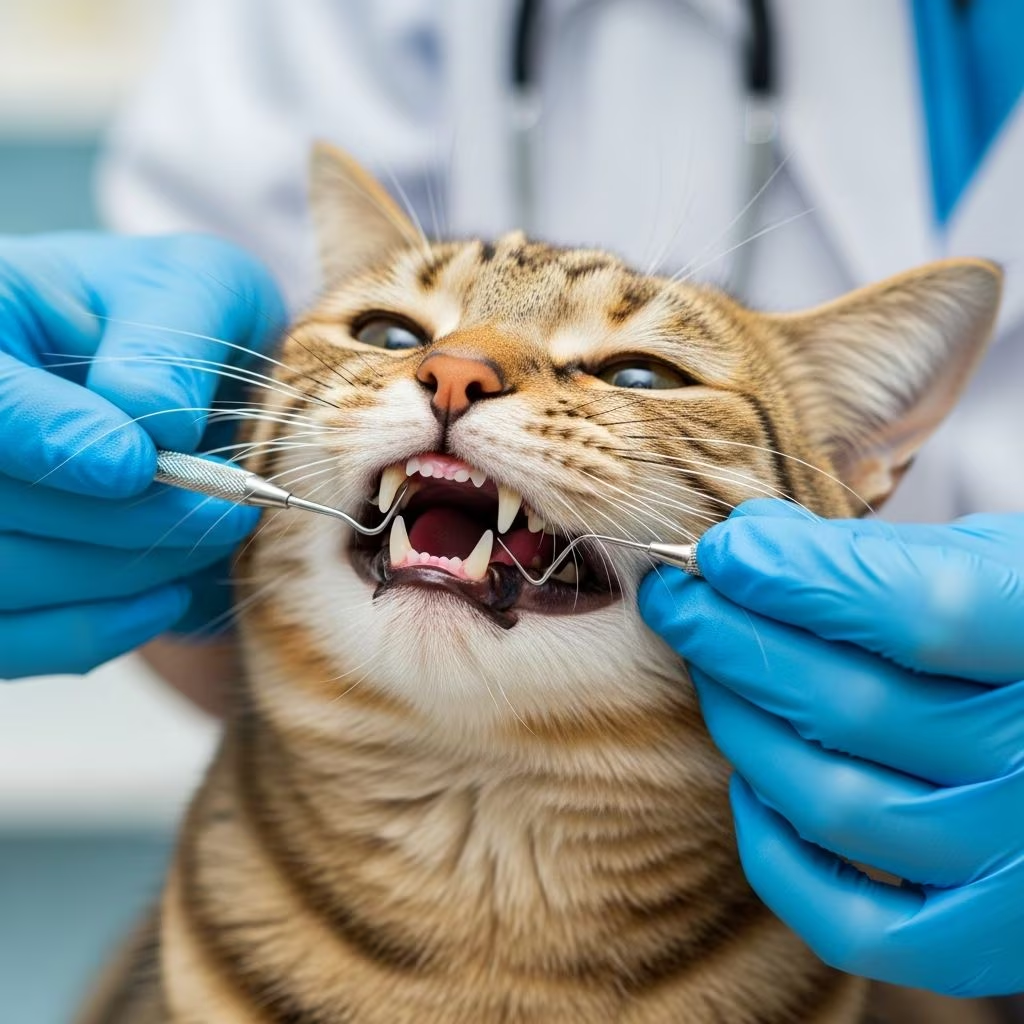
Feline stomatitis is a severe, chronic inflammation of a cat’s mouth tissues, leading to ulcers, pain, and eating difficulties that impact daily life. This condition affects roughly 10% of domestic cats, often requiring intensive veterinary intervention for management.
Understanding the Nature of Feline Stomatitis
Stomatitis in cats involves widespread inflammation extending beyond the gums to the cheeks, tongue, and throat. Unlike simple gingivitis, which is confined to gum edges, stomatitis creates open sores and tissue swelling that make basic functions like chewing agonizing. Cats may paw at their mouths or vocalize in discomfort during meals.
The oral cavity becomes a battleground where normal bacteria provoke an outsized immune response. This leads to tissue destruction if unchecked. Breeds like Persians and Himalayans show higher susceptibility, possibly due to dental structure or genetic factors.
Key Symptoms to Watch For
Early detection hinges on recognizing subtle behavioral shifts. Common indicators include:
- Foul breath: The hallmark sign, stemming from bacterial overgrowth and tissue breakdown.
- Excessive drooling: Often bloody, as ulcers weep fluid.
- Appetite loss and weight decline: Pain forces cats to drop food or avoid eating altogether.
- Red, swollen oral tissues: Gums appear bright red, extending to cheek linings and throat.
- Grooming neglect: Matted fur results from discomfort preventing self-care.
- Vocalizing or pawing: Cats cry out or flee when yawning or touched near the mouth.
These symptoms escalate without intervention, risking dehydration and malnutrition. Owners often mistake initial signs for mere pickiness until veterinary exams reveal the extent.
Root Causes and Risk Factors
The precise trigger for stomatitis remains elusive, but evidence points to an immune system malfunction. Plaque bacteria on teeth spark a hyperimmune reaction, where the body attacks its own oral tissues.
| Potential Cause | Description | Evidence Level |
|---|---|---|
| Bacterial Plaque | Primary initiator; bacteria in gum pockets provoke inflammation. | High |
| Viral Infections | Calicivirus, herpesvirus, FIV, FeLV weaken immunity, enabling chronic issues. | Moderate |
| Immune Disorders | Overreaction to normal oral flora; multi-cat homes increase exposure. | High |
| Other Factors | Kidney disease, irritants, Bartonella bacteria; tooth resorption. | Emerging |
Poor dental hygiene accelerates progression from gingivitis to full stomatitis. Indoor multi-cat environments heighten viral transmission risks without outdoor buffers. Unlike dogs, cats rarely resolve this spontaneously, demanding proactive care.
Diagnostic Process in Veterinary Practice
Vets start with a full physical, focusing on oral inspection under sedation if needed. Key steps include:
- Visual exam for tissue redness and ulcers.
- Dental radiographs to detect hidden abscesses or resorption.
- Blood tests ruling out systemic issues like FIV or kidney failure.
- Plaque sampling for bacterial analysis.
Anesthesia enables thorough scaling and probing. Accurate diagnosis prevents mislabeling as mere gingivitis, ensuring targeted therapy.
Comprehensive Treatment Strategies
Treatment escalates with severity. Mild cases may respond to conservative measures, but most demand surgery.
Conservative Management
For early gingivitis-stomatitis:
- Professional cleaning: Ultrasonic scaling and polishing under anesthesia.
- Antiseptics: Chlorhexidine gels or rinses to curb bacteria.
- Antibiotics and pain relief: Broad-spectrum drugs for infection control.
- Anti-inflammatories: Steroids like prednisone injections for immune modulation.
Home care involves daily brushing with pet-safe toothpaste and softened diets. However, recurrence is common without addressing roots.
Surgical Interventions
Full or partial tooth extractions offer the gold standard, resolving symptoms in 90% of cases. By eliminating plaque-adhering surfaces, surgery halts the immune trigger.
- Full-mouth extraction: Removes all teeth; cats adapt well to canned food.
- Partial extraction: Targets premolars/molars, sparing canines if viable.
Post-op, pain meds, appetite stimulants, and soft foods aid recovery. Laser therapy shows mixed results for refractory cases but adds expense.
Post-Treatment Recovery and Long-Term Outlook
Healing takes 2-3 weeks; gums regenerate without teeth. Most cats regain appetite swiftly, showing brighter personalities. Transition back to kibble varies by individual tolerance.
Monitoring prevents relapse:
- Bi-monthly vet checkups.
- Oral hygiene with water additives or wipes.
- Weight tracking and nutrition focus.
Prognosis excels post-extraction; untreated cases lead to bone loss and sepsis risks.
Preventive Measures for Optimal Oral Health
Proactive steps reduce stomatitis odds:
- Dental diets: Kibble scrubs plaque mechanically.
- Regular brushing: Twice-weekly with enzymatic paste.
- Annual cleanings: Before issues escalate.
- Vaccinations against calicivirus and herpes.
- Single-cat or managed multi-cat homes.
Early gingivitis control via hygiene averts progression. Owners should inspect mouths monthly for tartar buildup.
Frequently Asked Questions (FAQs)
Can cats live without teeth?
Yes, toothless cats thrive on wet food, maintaining nutrition and happiness.
Is stomatitis contagious?
No, but underlying viruses like calicivirus spread cat-to-cat.
How much does treatment cost?
Varies; cleanings $500+, extractions $1,000-3,000 depending on extent.
Will antibiotics alone cure it?
Rarely; they manage but don’t resolve immune drivers.
What’s the difference from gingivitis?
Gingivitis is gum-limited; stomatitis spreads painfully.
Emerging Research and Future Directions
Ongoing studies explore immunomodulators and vaccines against plaque triggers. Genetic screening for at-risk breeds may emerge. For now, extractions remain unmatched in efficacy.
Cats post-treatment often enjoy extended lifespans free from oral torment, underscoring timely intervention’s value.
References
- Gingivitis and Stomatitis in Cats — VCA Animal Hospitals. 2023. https://vcahospitals.com/know-your-pet/gingivitis-and-stomatitis-in-cats
- Stomatitis in Cats: Signs and Treatment of Feline Dental Disease — Best Friends Animal Society. 2023. https://bestfriends.org/pet-care-resources/stomatitis-cats-signs-and-treatment-feline-dental-disease
- Signs of Stomatitis in Cats & How It’s Treated — Dix Animal Hospital. 2024-01-15. https://www.dixah.com/site/blog/2024/01/15/stomatitis-in-cats
- Feline Stomatitis — OR Vet Dental Specialists. 2023. https://orvetdentalspecialists.com/feline-stomatitis/
- Stomatitis in Cats: Symptoms, Causes and Treatment — PetMD. 2023. https://www.petmd.com/cat/conditions/mouth/stomatitis-in-cats
- Feline Chronic Gingivostomatitis — Michigan Animal Dental Specialists. 2023. https://www.mianimaldental.com/feline-stomatitis
- Feline Stomatitis: Treatments for Your Cat’s Oral Health — Willow Glen Pet Hospital. 2023. https://willowglenpethospital.com/feline-stomatitis/



