
Feline Stomatitis: 7 Signs, Causes, And Care Guide
Discover the painful reality of feline stomatitis, its hidden triggers, and proven strategies to restore your cat's comfort and vitality.
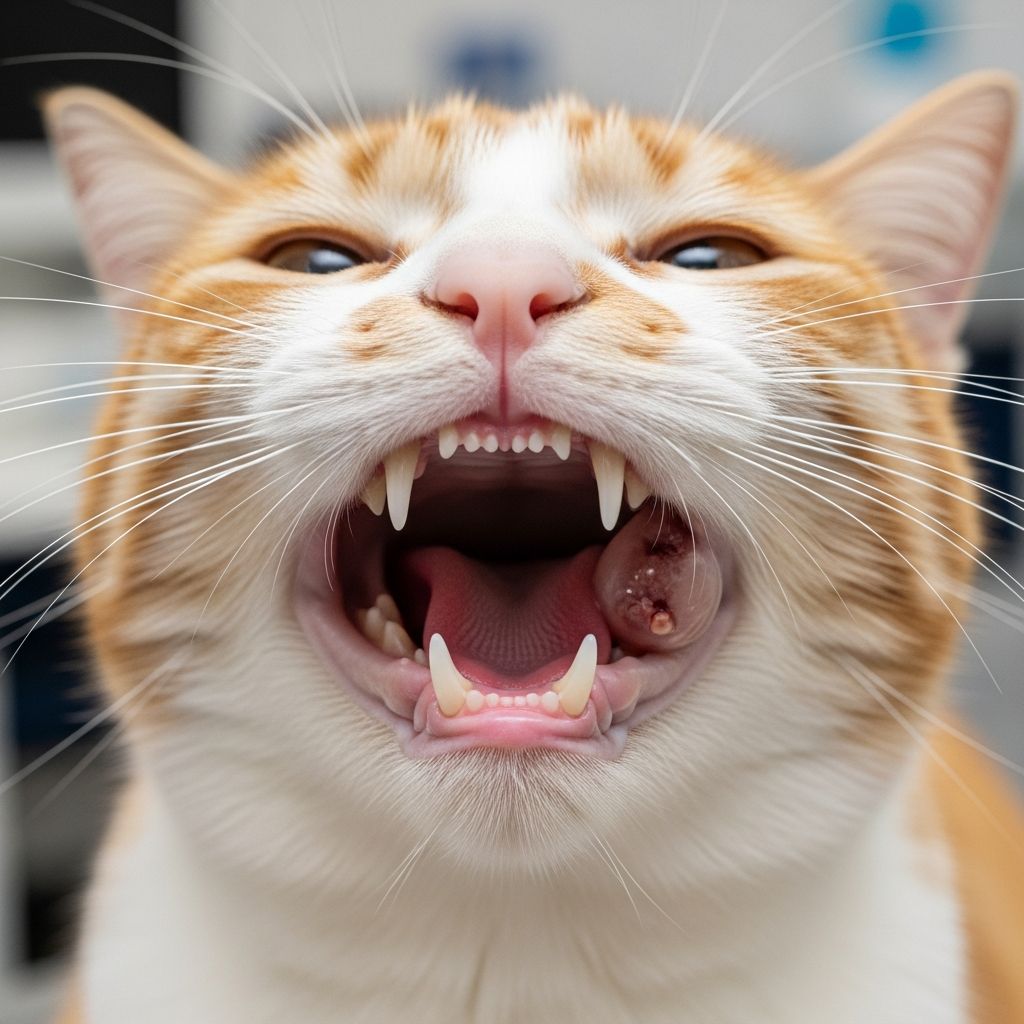
Feline stomatitis represents a severe and often debilitating inflammatory condition affecting the soft tissues inside a cat’s mouth. This disease leads to significant discomfort, impacting eating, grooming, and overall well-being. Understanding its manifestations and management is crucial for cat owners to ensure timely intervention.
Understanding the Nature of Feline Stomatitis
This condition involves widespread inflammation of the oral mucosa, extending beyond simple gingivitis to affect deeper tissues. It manifests as painful red swellings, particularly around the gums, cheeks, and throat areas. Cats may develop this at any age, though middle-aged and older felines appear more susceptible. The inflammation creates a cycle of pain and bacterial overgrowth, exacerbating the issue without prompt care.
Unlike routine dental plaque buildup, stomatitis triggers an exaggerated immune response, turning minor irritants into major problems. This hypersensitivity distinguishes it from standard periodontal issues, demanding more aggressive therapeutic approaches.
Key Indicators Your Cat May Have Stomatitis
Early detection hinges on recognizing subtle behavioral shifts. Cats instinctively mask pain, but persistent signs warrant a veterinary exam. Common indicators include:
- Reduced appetite or complete refusal to eat dry food
- Noticeable drooling or saliva buildup
- Foul odor from the mouth
- Excessive pawing at the face or reluctance to chew
- Weight loss despite normal activity levels
- Disheveled coat from neglected grooming
- Visible redness or ulcers upon gentle mouth inspection
These symptoms often progress gradually, starting with pickiness about food and advancing to total aversion. Owners might first attribute changes to aging or stress, delaying diagnosis.
Root Causes Behind the Inflammation
The precise etiology remains elusive, but evidence points to a multifactorial origin dominated by immune dysregulation. Plaque and tartar on teeth act as primary triggers, provoking an overzealous reaction from the cat’s defenses. Even minimal bacterial films can ignite chronic swelling in susceptible animals.
Viral culprits like feline calicivirus and herpesvirus play supporting roles, especially in immunocompromised cats. Conditions such as FIV or FeLV heighten vulnerability by weakening barriers against persistent infections. Environmental stressors, multi-cat households, and poor dental hygiene compound risks. Systemic issues including kidney dysfunction or allergies occasionally contribute, though less commonly.
| Potential Trigger | Description | Prevalence |
|---|---|---|
| Plaque/Tartar | Bacterial biofilm on teeth sparking immune overreaction | Most common |
| Viral Infections | Calicivirus, herpesvirus, FIV/FeLV | Frequent in at-risk cats |
| Genetics/Stress | Inherited sensitivity or household factors | Contributory |
| Systemic Disease | Kidney failure, allergies | Occasional |
Diagnostic Steps for Confirmation
Veterinarians begin with a thorough physical exam, focusing on oral inspection under sedation if needed. Dental radiographs reveal hidden abscesses, tooth resorption, or bone loss—hallmarks of advanced disease. Blood tests screen for viral statuses like FIV/FeLV and rule out organ failures. Biopsies, though rare, confirm inflammatory patterns excluding tumors.
Full-mouth X-rays prove indispensable, uncovering root fragments or resorption affecting up to 70% of stomatitis cases. This imaging guides precise treatment planning.
Primary Treatment: Surgical Interventions
Conservative measures like antibiotics or steroids offer fleeting relief by curbing secondary infections and swelling but fail to address root triggers. Medical management alone sees recurrence in most patients, as bacteria rebound on remaining teeth.
The benchmark therapy involves partial or full-mouth extractions, targeting all premolars and molars initially. Studies and clinical reports indicate 80-90% resolution rates post-procedure, with many cats regaining appetite swiftly. Canines and incisors may remain if unaffected, preserving some function. Performed under anesthesia with X-ray guidance, this eliminates plaque-adhering surfaces, halting the immune assault.
Post-surgery, pain relief via buprenorphine or similar, alongside anti-inflammatories, supports recovery. Appetite stimulants like mirtazapine encourage eating during the initial 48-72 hours. Healing typically spans 2-4 weeks, after which most cats adapt to softened or pureed diets seamlessly.
Supportive and Adjunctive Therapies
For residual cases, veterinarians employ cyclosporine (Atopica) to modulate immunity, dosed orally once daily. This proves effective in 20-30% of refractory instances. Chlorhexidine rinses (0.12% solution) maintain hygiene, while laser debridement reduces tissue bulk in select scenarios—though outcomes vary.
Historically, long-acting steroids like DepoMedrol provided temporary comfort but risked side effects and tachyphylaxis, rendering them obsolete as primary options. Homeopathic remedies or CBD supplements garner anecdotal praise but lack robust evidence.
- Antibiotics: Clindamycin or amoxicillin for secondary bacterial loads
- Immunosuppressants: Cyclosporine for persistent inflammation
- Pain Management: Multimodal analgesics post-extraction
- Nutrition: High-calorie gruels during recovery
Preventive Measures and Long-Term Management
Proactive dental care averts onset in predisposed cats. Daily brushing with enzymatic toothpaste, dental diets, and water additives curb plaque. Routine professional cleanings every 6-12 months monitor progression.
Minimize viral exposure via vaccinations and quarantine new cats. Stress reduction through enrichment benefits immune health. Post-treatment, annual check-ups ensure no relapse, with many toothless cats thriving indefinitely.
Prognosis After Intervention
With full extractions, prognosis excels: over 90% achieve remission, eating soft foods comfortably without recurrence. Quality of life rebounds dramatically, evidenced by grooming resumption and playfulness. Untreated, chronic pain leads to cachexia and sepsis risks.
Partial extractions succeed less often (60-70%), necessitating follow-ups. Rare persistent cases may require ongoing meds, but surgical cures predominate.
FAQs on Feline Stomatitis
Q: Can my cat live normally without teeth?
A: Absolutely. Most adapt to wet or ground kibble, maintaining health and happiness.
Q: Is stomatitis contagious?
A: No, though shared environments heighten viral risks.
Q: How much does treatment cost?
A: Varies by clinic; full extractions range $1,000-$3,000 including anesthesia and meds.
Q: What if surgery isn’t an option?
A: Palliative care with meds offers temporary relief, but efficacy wanes.
Q: How soon do symptoms improve post-extraction?
A: Many eat within days; full comfort in 1-2 weeks.
Steps for Cat Owners Facing Suspected Stomatitis
- Observe and document symptoms daily
- Schedule vet visit promptly
- Prepare for sedation and imaging
- Follow post-op instructions diligently
- Monitor weight and behavior long-term
References
- Feline Stomatitis: Treatments for Your Cat’s Oral Health — Willow Glen Pet Hospital. Accessed 2026. https://willowglenpethospital.com/feline-stomatitis/
- Stomatitis in Cats: Symptoms, Causes, and Treatment — Long Beach Animal Hospital. Accessed 2026. https://lbah.com/feline/stomatitis-in-cats/
- Feline Stomatitis – Dental Disease in Cats — OrVet Dental Specialties. Accessed 2026. https://orvetdentalspecialists.com/feline-stomatitis/
- Stomatitis in Cats: Signs and Treatment of Feline Dental Disease — Best Friends Animal Society. Accessed 2026. https://bestfriends.org/pet-care-resources/stomatitis-cats-signs-and-treatment-feline-dental-disease
- Feline Stomatitis — Michigan Animal Dental Specialists PC. Accessed 2026. https://www.mianimaldental.com/feline-stomatitis
- Feline Stomatitis Signs & Treatment — BluePearl Pet Hospital. Accessed 2026. https://bluepearlvet.com/medical-articles-for-pet-owners/stomatitis-in-cats/
- Stomatitis in Cats: Symptoms, Causes and Treatment — PetMD. Accessed 2026. https://www.petmd.com/cat/conditions/mouth/stomatitis-in-cats
Similar Articles








Read full bio of medha deb




