

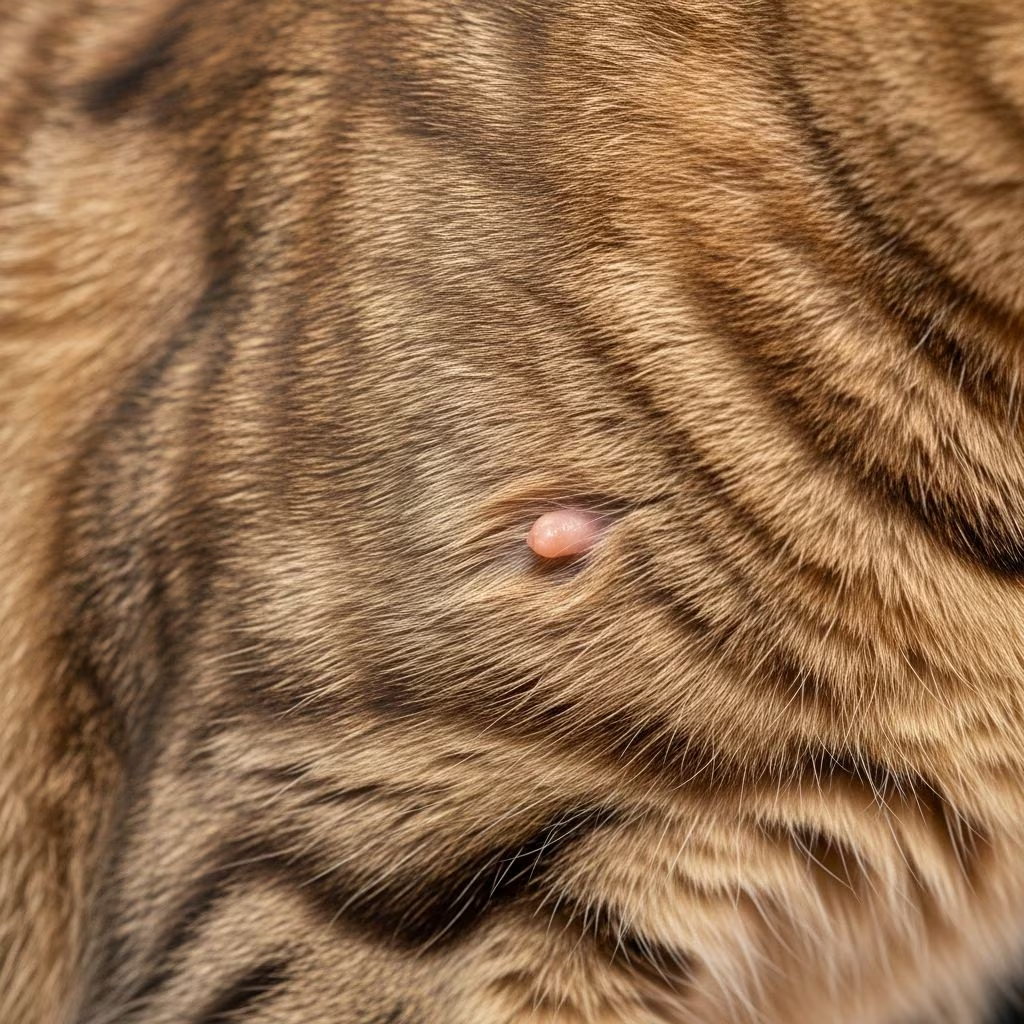
Cats can develop various skin abnormalities throughout their lives, and one common concern for cat owners is the appearance of small growths on their pet’s skin. Skin tags in cats are benign overgrowths of skin cells that typically do not cause harm to your feline companion. These small, fleshy protrusions can appear anywhere on your cat’s body, though certain areas are more susceptible than others. Unlike more serious skin conditions or malignant tumors, skin tags represent a relatively benign health concern, yet understanding their nature, causes, and management remains important for responsible pet ownership.
What Are Feline Skin Tags?
Skin tags in cats are technically known as acrochordons or fibrovascular papillomas, representing benign masses composed of fibrovascular connective tissue. These growths develop as small bumps that may hang from a thin stalk or attachment point on the skin’s surface. The appearance of skin tags can vary; some blend seamlessly with surrounding skin coloration, while others display a darker gray or brownish hue. Typically measuring from a few millimeters to several centimeters in length, skin tags often develop a distinctive texture that may feel slightly warty or rough to the touch.
The benign nature of these growths means they typically pose no inherent danger to your cat’s health. Most cats experience no pain, itching, or discomfort from skin tags unless the growth becomes irritated through repeated trauma or develops an infection. However, the location of a skin tag can influence whether it becomes problematic for your pet.
Common Sites for Skin Tag Development
While skin tags can theoretically develop anywhere on a cat’s body, certain locations appear more frequently affected than others. Understanding where these growths commonly appear can help you during your routine skin checks:
- Chest and thoracic region
- Neck and throat areas
- Face and facial features
- Armpits and axillary regions
- Bony prominences and skeletal protrusions
- Areas subject to friction or rubbing
The prevalence of skin tags in these specific locations suggests that repeated friction or minor trauma may contribute to their development, though the exact mechanisms remain not fully understood by veterinary science.
Underlying Causes and Contributing Factors
The etiology of feline skin tags remains somewhat mysterious within veterinary medicine, as the exact causative mechanisms have not been definitively established. However, research and clinical observation have identified several factors that appear to increase the likelihood of skin tag development:
| Contributing Factor | Mechanism of Action |
|---|---|
| Chronic Friction or Irritation | Repeated rubbing or minor trauma to skin areas may stimulate growth of skin tags over time |
| Genetic Predisposition | Certain cat breeds, particularly Persians, show higher incidence of skin tag development |
| Age-Related Changes | Older cats develop skin tags more frequently than younger felines |
| Obesity and Weight Management | Excess weight increases skin folding and can create friction zones favorable to tag formation |
| Hormonal Fluctuations | Imbalances in hormone levels may affect skin cell regulation and growth patterns |
| Poor Grooming Practices | Inadequate hygiene can lead to skin debris accumulation and irritation |
Additionally, some theories suggest that blood vessel development and sebaceous gland activity may play roles in skin tag formation, though further research is needed to confirm these mechanisms.
Distinguishing Skin Tags from Other Skin Conditions
One of the most important responsibilities of cat owners is learning to differentiate between benign skin tags and potentially serious skin conditions that require immediate veterinary attention. Several skin growths can superficially resemble skin tags, making professional diagnosis essential.
Benign Skin Tags typically present as soft, fleshy growths that remain stable in size and appearance over time. They do not change color unless irritated, do not cause systemic symptoms, and generally do not interfere with your cat’s normal activities.
Malignant Tumors display concerning characteristics including rapid growth, irregular or poorly defined borders, color changes, and potential ulceration or hair loss in the affected area. These growths may also be accompanied by systemic signs such as lethargy or appetite changes.
Other Similar Conditions include:
- Warts caused by papillomavirus, which appear flat and scaly and may be contagious among cats
- Mast cell tumors (MCTs), which typically develop on the head or neck and require biopsy for diagnosis
- Sebaceous tags associated with overactive oil glands
- Hyperkeratotic tags resulting from excessive keratin production
Because distinguishing between these conditions can be challenging without professional expertise, any new skin growth warrants veterinary evaluation to ensure proper diagnosis and appropriate management.
Diagnostic Procedures and Veterinary Assessment
When you present your cat to a veterinary professional with concern about a skin growth, the diagnostic process typically follows a structured approach designed to confirm the nature of the lesion.
Initial Physical Examination involves careful inspection of the affected area, with the veterinarian noting the skin tag’s size, shape, color, surface texture, and location on the body. This examination helps establish baseline characteristics and determine whether the growth appears benign or warrants further investigation.
Biopsy Analysis may be recommended when the diagnosis remains uncertain or when malignancy cannot be ruled out. This procedure involves extracting a small tissue sample for laboratory analysis, confirming whether cells are benign or potentially dangerous. Biopsy is particularly valuable for mast cell tumors and other conditions that mimic skin tags.
In many cases, veterinarians may recommend complete excision of the skin tag for both diagnostic and therapeutic purposes, allowing for definitive pathological confirmation while simultaneously treating the condition.
Treatment Approaches and Management Strategies
The decision to treat feline skin tags depends on multiple factors including location, size, whether the growth causes discomfort, and the overall health status of your cat. Not all skin tags require removal, and many cats live comfortably with these benign growths throughout their lives.
Conservative Management involves regular monitoring at home without active intervention. Your veterinarian may recommend routine observation, particularly when skin tags are small, not in problematic locations, and causing no apparent distress. Regular skin checks allow you to track any changes in size, color, or appearance that might warrant future intervention.
Surgical Removal represents the primary treatment when intervention becomes necessary. This procedure involves complete excision of the skin tag under appropriate anesthesia, with closure of the surgical site through suturing if needed. Surgical removal is considered curative in most cases, though incomplete removal may rarely result in recurrence.
Non-Invasive Alternatives offer additional options for skin tag removal:
- Cryotherapy: Freezing the skin tag tissue, causing it to slough away over time
- Electrocautery: Using controlled electrical current to burn away the growth
- Laser Therapy: Employing laser technology for precise removal with minimal surrounding tissue damage
- Ligation: Tying off the skin tag at its base to restrict blood flow and promote natural shedding
Your veterinarian will recommend the most appropriate approach based on the skin tag’s characteristics, your cat’s health status, and the specific clinical situation.
When to Seek Veterinary Attention
While most skin tags remain harmless and stable throughout a cat’s lifetime, certain circumstances warrant prompt veterinary consultation. You should contact your veterinarian if you observe:
- New skin growths appearing on your cat’s body
- Existing skin tags that change in size, color, or shape
- Bleeding, ulceration, or infection of a skin tag
- Skin tags in locations where they experience frequent irritation or trauma
- Signs of discomfort or distress related to a skin growth
- Multiple new growths appearing in a short timeframe
- Any growth that displays characteristics atypical of benign skin tags
Early detection and intervention play crucial roles in maintaining your cat’s skin health and ensuring that any potentially serious conditions are identified promptly.
Prevention and Wellness Management
While genetic factors and age-related changes cannot be prevented, certain preventative measures may help reduce the risk of skin tag development in your feline companion.
Weight Management through appropriate diet and exercise helps prevent obesity-related skin folding and friction that may contribute to skin tag formation. Maintaining your cat at a healthy weight offers numerous additional health benefits beyond skin health.
Regular Grooming practices, including brushing and inspection, remove dead skin cells and debris while allowing you to monitor skin condition closely. Good grooming habits support overall skin health and facilitate early detection of abnormal growths.
Balanced Nutrition contributes to healthy skin and coat by providing essential fatty acids, vitamins, and minerals that support dermal function and resilience.
Monthly Skin Checks conducted at home allow you to familiarize yourself with your cat’s normal skin characteristics and identify any new developments requiring veterinary attention. Gently running your hands over your cat’s body during these checks helps detect even small growths.
Important Precautions for Cat Owners
As a responsible cat owner, understanding what not to do regarding skin tags is equally important as knowing appropriate care measures. Never attempt to remove skin tags yourself, as this can result in incomplete removal, infection, excessive bleeding, scarring, or inadvertent injury to surrounding tissue. Similarly, avoid applying human skin tag removal products to your cat, as these formulations are not designed for feline use and may cause harm.
The temptation to address visible skin growths independently should be resisted in favor of professional veterinary evaluation and treatment. Your veterinarian possesses the knowledge, sterile environment, and appropriate tools necessary to safely diagnose and treat skin conditions.
Understanding Your Cat’s Recovery
If your veterinarian determines that skin tag removal is appropriate and proceeds with treatment, understanding the recovery process helps you provide optimal post-operative care. Most cats recover quickly from skin tag removal, with minimal complications when proper surgical technique and post-operative care are maintained.
Following your veterinarian’s specific instructions regarding wound care, activity restriction, and medication administration ensures the best outcomes. Keep the surgical site clean and dry, monitor for signs of infection such as excessive discharge or swelling, and report any concerns to your veterinary team promptly.
Frequently Asked Questions About Feline Skin Tags
Are skin tags contagious between cats?
No, true skin tags are not contagious. However, other growths that may resemble skin tags, such as warts caused by papillomavirus, can be spread among cats through contact and contaminated materials.
Will my cat develop multiple skin tags over time?
Unlike dogs, who commonly develop multiple skin tags throughout their lifetime, cats rarely develop numerous skin tags. Most cats develop only occasional skin tags, making them relatively uncommon in feline populations.
Can skin tags cause my cat pain or discomfort?
Most skin tags do not cause pain or discomfort to cats. However, skin tags located in areas subject to frequent friction or trauma may become irritated, bleed, or develop infection, potentially causing distress.
Is anesthesia necessary for skin tag removal?
Anesthesia is typically recommended for surgical removal of skin tags, ensuring your cat’s safety and comfort during the procedure. Your veterinarian will discuss anesthetic options and safety considerations specific to your cat’s health status.
How can I distinguish between aging spots and skin tags?
True skin tags typically have a three-dimensional, raised appearance with a stalk-like base, whereas age spots are flat pigmented areas. Your veterinarian can definitively distinguish between these conditions during examination.
References
- Cat Skin Tags 101: Symptoms, Removal and Expert Advice — Waggel Pet Care. 2024. https://www.waggel.co.uk/blog/post/cat-skin-tags
- Skin Tags on Cats: How to Identify & Treat Them — Purina. 2024. https://www.purina.com/articles/cat/health/skin-fur-ears/cat-skin-tag
- Cat Skin Lumps, Bumps, and Cysts — PetMD. 2024. https://www.petmd.com/cat/symptoms/cat-skin-lumps-bumps-and-cysts
- Identifying and Treating Skin Tags on Cats — Hill’s Pet Nutrition. 2024. https://www.hillspet.com/cat-care/healthcare/cat-skin-tags
- Skin Tags in Cats – Causes, Treatment and Associated Conditions — Vetster. 2024. https://vetster.com/en/conditions/cat/skin-tags



