

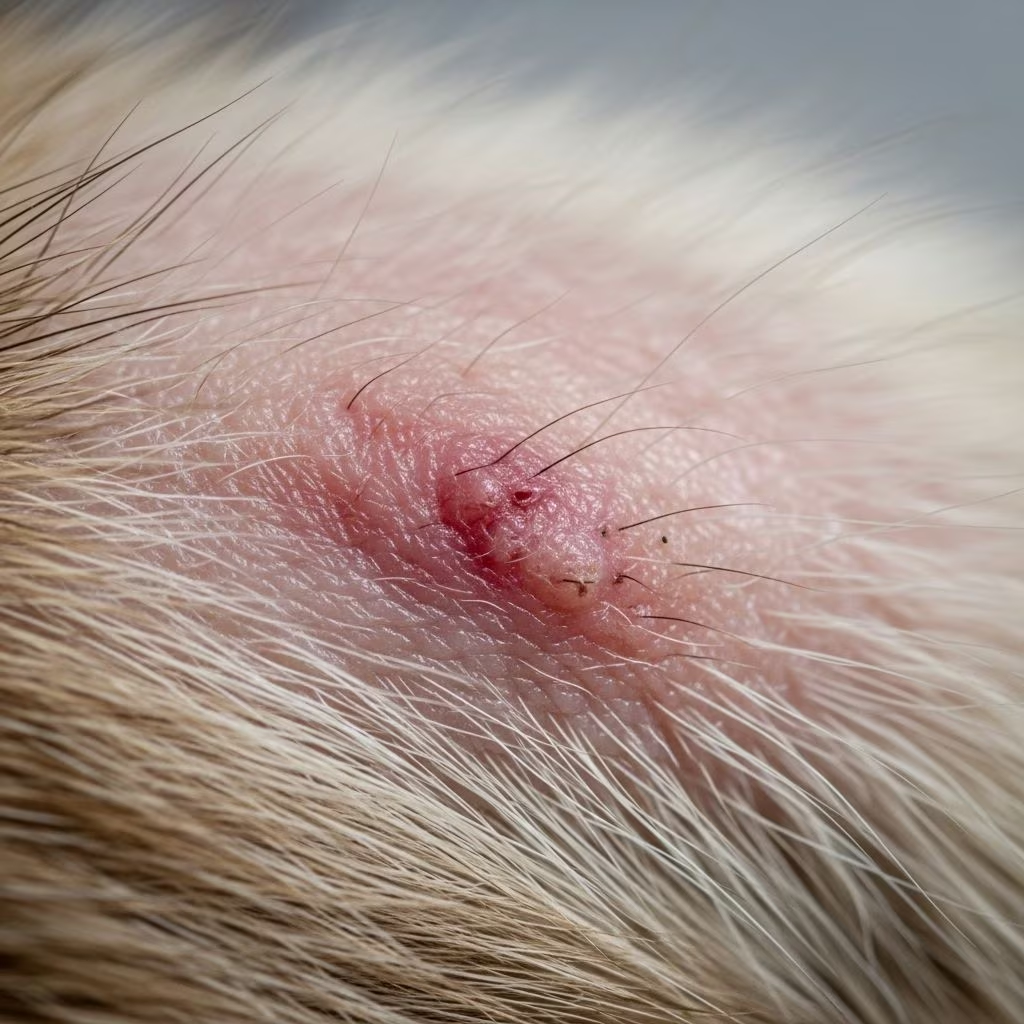
Feline skin health is a critical component of overall wellness, yet many cat owners remain unfamiliar with common dermatological issues that affect their pets. One particularly troublesome condition that impacts cats across all breeds and ages is the development of localized skin lesions commonly referred to as hot spots. These painful, inflamed areas of skin can develop rapidly and cause significant discomfort to affected felines. Understanding the mechanisms behind their formation, recognizing early warning signs, and knowing when to seek veterinary intervention can make a substantial difference in your cat’s quality of life and recovery timeline.
Recognizing the Physical Manifestations
Hot spots present with distinctive characteristics that distinguish them from general skin irritation or minor scratches. When a cat develops this condition, the affected skin undergoes a progressive transformation that begins with inflammation and moisture accumulation. The initial phase is marked by redness, itchiness, and a noticeably damp texture to the skin surface. This moist environment creates ideal conditions for bacterial proliferation and secondary infection development.
As the condition progresses, the skin may exhibit hair loss in the affected region, though this doesn’t always occur in every case. One particularly concerning development is the formation of pus, which further increases moisture retention and can lead to matting of remaining hair directly over the wound. This matting traps additional moisture and bacteria, potentially exacerbating the infection and creating a self-perpetuating cycle of inflammation and irritation.
The anatomical distribution of hot spots often follows predictable patterns in cats. These lesions frequently appear on the face, chin, abdominal area, or at the base of the tail. However, it’s important to recognize that these painful areas can develop on virtually any body surface where a cat has access to lick, chew, or scratch.
The Underlying Mechanisms of Development
Hot spots develop through a well-understood pathophysiological process that begins with a triggering event. The fundamental mechanism involves self-trauma—when a cat licks, scratches, bites, or chews at their skin surface with sufficient force and persistence. While cats naturally harbor fungi, bacteria, and yeast on their dermal surface, aggressive self-directed trauma disrupts the skin barrier and allows these naturally occurring microorganisms to proliferate excessively. This bacterial overgrowth transforms a simple irritation into an established infection.
Staphylococcus bacteria represent the most commonly implicated pathogenic organisms in feline hot spots. These bacteria naturally inhabit cat skin and, under normal circumstances, coexist peacefully with their hosts. However, when the protective skin barrier is compromised through trauma, Staph species can establish opportunistic infections. Importantly, Staph infections in cats are not typically transmissible to other felines or to humans, which reduces concerns about disease spread within multi-cat households.
Seasonal patterns influence hot spot occurrence, with increased prevalence during warm, humid weather. The combination of elevated temperatures and moisture creates an environment conducive to bacterial growth and fungal proliferation. Nevertheless, hot spots can emerge year-round depending on the underlying causative factors.
Primary Contributing Factors and Risk Categories
Numerous conditions and circumstances can trigger the initial itching or pain that drives a cat to engage in self-trauma. Understanding these diverse contributors helps cat owners identify potential risk factors specific to their pets and take preventive measures when possible.
Parasitic Infections
Parasites represent one of the most prevalent causes of hot spot development in cats. Fleas stand out as the leading parasitic culprit, with flea allergy dermatitis causing intense itching that motivates vigorous scratching. Beyond fleas, other parasitic organisms including mites (particularly ear mites and mange-causing species), mosquitoes, and ants can trigger sufficient discomfort to initiate the self-trauma cycle. Even a single parasitic bite can launch a cascade of events leading to full-blown hot spot formation in susceptible individuals.
Allergic Reactions
Allergic conditions represent another major category of predisposing factors. Feline atopic dermatitis, an allergic inflammatory skin condition, can cause persistent itching that drives excessive grooming and scratching. Food allergies present another allergic dimension, where dietary components trigger immune-mediated skin reactions. Environmental allergens such as pollen and other atmospheric irritants can similarly provoke allergic responses that initiate the hot spot development process.
Fungal and Bacterial Infections
Beyond secondary bacterial infections that develop within hot spots themselves, primary fungal infections like ringworm can create sufficient skin irritation and itching to trigger self-directed trauma. These primary infections establish an itchy environment where cats respond by engaging in the excessive grooming and scratching that culminates in hot spot formation.
Anatomical and Coat Factors
Certain cats face increased susceptibility based on their physical characteristics. Long-haired and thick-coated felines are more prone to hot spot development because saliva becomes trapped within their dense fur, creating a moist microenvironment that favors bacterial proliferation and skin irritation.
Behavioral and Psychological Factors
Stress, anxiety, and boredom can significantly influence hot spot development through their effects on grooming behavior. When cats experience environmental changes, routine disruptions, or inadequate enrichment, they may engage in excessive grooming (overgrooming) as a self-soothing mechanism. This excessive licking and grooming behavior can progress to the point where it damages the skin barrier and initiates hot spot formation.
Pain and Medical Conditions
Underlying painful conditions can motivate localized licking and chewing. Injuries, trauma, or chronic diseases causing pain in specific body regions can prompt a cat to focus attention on that area through excessive licking and biting. The damage inflicted during these pain-response behaviors can create the conditions necessary for hot spot development.
| Causative Category | Specific Examples | Mechanism |
|---|---|---|
| Parasitic | Fleas, mites, mosquitoes, ants | Direct irritation triggering intense scratching |
| Allergic | Environmental allergens, food triggers, pollen | Immune-mediated skin inflammation causing itching |
| Infectious | Ringworm, bacterial infections | Primary infection creates itchy environment |
| Behavioral | Stress, anxiety, boredom, overgrooming | Psychological factors drive excessive self-grooming |
| Medical | Injury, chronic pain, disease | Pain localizes licking and chewing behavior |
Diagnostic and Treatment Approaches
When a cat owner suspects hot spot formation, prompt veterinary consultation is essential for proper diagnosis and treatment initiation. Veterinarians employ several strategies to address these painful lesions and prevent recurrence.
Initial Assessment and Physical Preparation
Treatment typically begins with physical management of the affected area. Veterinarians will carefully trim or shave the hair surrounding the hot spot to remove matted fur, reduce bacterial harboring sites, and facilitate thorough cleaning. This hair removal also allows better visualization of the wound extent and improves treatment efficacy.
Cleaning and Wound Care
Thorough cleaning represents a crucial treatment component, as it removes inflammatory debris and reduces the bacterial load. Veterinarians may employ saline solutions or specialized cleansers designed for feline skin conditions. This cleaning step is foundational to all subsequent treatments and helps establish conditions favorable for healing.
Pharmacological Interventions
Depending on the hot spot’s severity and underlying cause, veterinarians may prescribe various medications:
- Topical treatments including antibiotic ointments, antifungal creams, and soothing compounds applied directly to the affected area
- Specialized medicated shampoos formulated for feline skin conditions and sensitive areas
- Oral antibiotics when systemic bacterial infection or significant secondary infection is present
- Injectable antibiotics for cases requiring systemic treatment
- Antihistamines or prescription-strength allergy medications when allergic reactions are the underlying cause
- Anti-inflammatory medications to reduce swelling and pain
Addressing Underlying Causes
While treating the hot spot itself is important, identifying and managing the underlying cause prevents recurrence. This might include allergy testing to confirm environmental or dietary sensitivities, prompt treatment of parasitic infections through appropriate flea and mite prevention, or behavioral modification strategies to address stress-related overgrooming.
Preventing Self-Trauma
An Elizabethan collar (cone) may be recommended to prevent the cat from continuing to lick, scratch, bite, or chew the affected area during the healing process. This physical barrier allows the underlying wound to heal without continued trauma.
Preventive Strategies and Long-Term Management
While not all hot spots can be prevented, several proactive measures can significantly reduce risk:
- Maintain regular flea and parasitic prevention year-round through veterinary-recommended products
- Schedule annual veterinary examinations to detect skin problems early
- Provide environmental enrichment and stress reduction to minimize anxiety-driven overgrooming
- Consider allergy testing if your cat has recurrent hot spots or other allergic signs
- Use hypoallergenic shampoos and moisturizing leave-in conditioners designed for cats with sensitive skin
- Maintain proper grooming, particularly for long-haired breeds, to prevent matting and moisture trapping
- Explore immunotherapy treatments if environmental allergies are confirmed
Why Prompt Treatment Matters
Although hot spots are generally straightforward to treat when addressed early, delaying veterinary care can allow these conditions to worsen. The moist environment and bacterial proliferation create risk for deeper skin infections and more serious health complications. Early intervention alleviates your cat’s discomfort and prevents the progression to more severe dermatological problems that might require intensive treatment.
Frequently Asked Questions
Are hot spots contagious between cats?
No, hot spots themselves are not contagious, as they result from self-trauma and secondary bacterial overgrowth. However, if the underlying cause is a contagious parasite like fleas or mites, those parasites can spread between cats, which is another reason for universal parasite prevention.
Can hot spots develop overnight?
While the complete development of a serious hot spot takes time, the process can accelerate dramatically once self-trauma begins. A cat can cause significant skin damage in just a few hours of intense licking or scratching, making rapid progression common once the condition starts.
Do all cats get hot spots at some point?
No, not all cats develop hot spots. Individual susceptibility varies based on genetics, coat type, environmental exposure to parasites and allergens, and behavioral tendencies. However, any cat can potentially develop hot spots under the right combination of triggering factors.
How long does treatment typically take?
Recovery timeline varies depending on the hot spot’s severity and the underlying cause. Many cases respond well to treatment within 1-2 weeks, though more severe infections or cases where the underlying cause isn’t addressed may require longer treatment periods.
Conclusion
Hot spots represent a painful but generally manageable feline skin condition that results from self-trauma and bacterial overgrowth in response to various underlying triggers. By understanding the diverse causes—from parasites and allergies to behavioral factors and medical conditions—cat owners can better recognize risk factors specific to their pets. Early recognition of symptoms and prompt veterinary treatment prevent progression to more serious complications while relieving the discomfort these lesions cause. Through a combination of immediate treatment, underlying cause management, and preventive strategies, most cats recover fully from hot spots and can avoid recurrence with appropriate long-term care.
References
- Hot Spots on Cats: Causes & Treatment — Fayetteville Animal Hospital. 2024-09-15. https://www.fayettecountypets.com/site/blog/2024/09/15/hot-spots-cats
- Hot Spots on Cats: Causes & Treatment, Los Angeles Vets — Washington Dog and Cat Hospital. 2024-08-30. https://www.washingtondogandcathospital.com/site/blog/2024/08/30/hot-spots-cats
- Hot spots in cats – Your Cat’s Skin — DOUXO. https://www.douxo.com/sg_en/your-cat-s-skin/hot-spots
- Hot Spots on Cats — PetMD, Dr. Barri Morrison. https://www.petmd.com/cat/conditions/skin/hot-spots-cats
- How to identify and prevent hot spots in dogs and cats — VCA Animal Hospitals. https://vcahospitals.com/resources/conditions-cat/skin-coat/identify-prevent-hot-spots
- Hot Spots on Cats: Causes, Symptoms & Treatments — Purina. https://www.purina.com/articles/cat/health/skin-fur-ears/hot-spots-on-cats
- Hot Spots and Pets — ASPCA Pet Insurance. https://www.aspcapetinsurance.com/resources/hot-spots-pets/



