

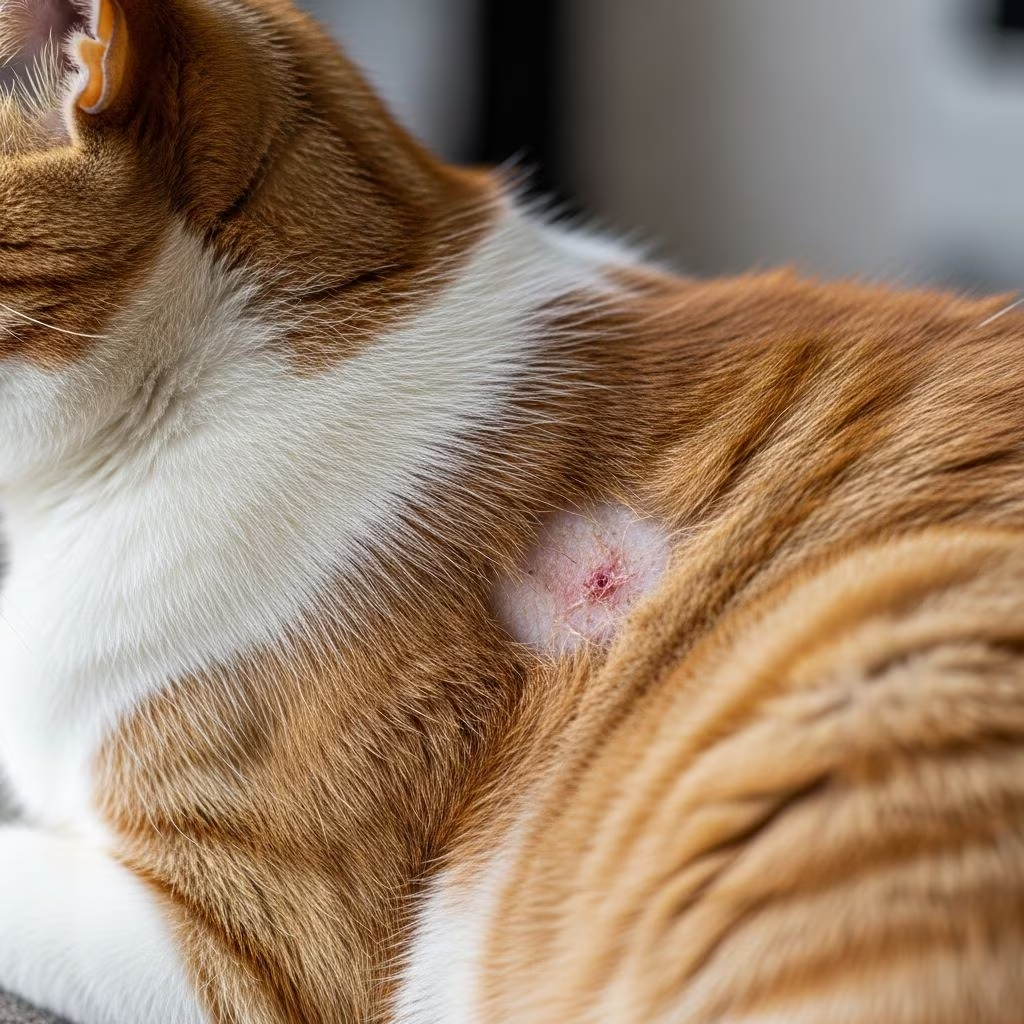
Cats are meticulous self-groomers, often spending significant portions of their day maintaining their coat. When you notice your feline companion has dry, flaky skin or excessive scratching, it signals that something requires attention. Dry skin in cats is a common concern that can range from a minor inconvenience caused by seasonal changes to an indicator of underlying health conditions requiring veterinary intervention.
Recognizing the Signs of Skin Dryness in Your Cat
The first step in addressing your cat’s skin health involves recognizing when problems exist. Cats cannot communicate discomfort through words, so understanding visual and behavioral cues becomes essential for responsible pet ownership.
Visible indicators of skin dryness include:
- White, powdery flakes visible on the fur or skin when parted
- Dull or lackluster coat appearance lacking normal shine
- Red or irritated patches visible beneath the fur
- Scaling or crusty areas on the skin surface
- Matted or clumped fur in affected areas
Behavioral changes that suggest skin problems:
- Increased scratching, licking, or biting at the skin
- Excessive grooming sessions that seem compulsive
- Restlessness or irritability without other apparent causes
- Hair loss or bald patches resulting from overgrooming
- Avoidance of being touched in certain areas
These signs may appear gradually or suddenly, and their severity can vary considerably. Some cats display minimal symptoms while others show pronounced discomfort affecting their quality of life.
Environmental Factors Contributing to Skin Dryness
The environment surrounding your cat plays a significant role in skin hydration and overall coat health. Understanding these factors allows you to make adjustments that benefit your pet’s wellbeing.
Humidity and Temperature Effects: When humidity levels drop, moisture evaporates more rapidly from your cat’s skin. This phenomenon occurs most notably during winter months when heating systems operate continuously, creating artificially dry indoor environments. Air conditioning during summer months produces similar effects. Cats living in naturally arid climates or regions with significant seasonal variations experience these challenges most acutely.
Indoor Air Quality: Beyond humidity, air quality matters tremendously. Dust particles, pollen, and other airborne irritants can exacerbate skin sensitivity. Indoor pollutants from cleaning products, air fresheners, or cooking fumes may trigger inflammatory responses in sensitive cats. Inadequate ventilation concentrates these irritants, worsening skin conditions.
Water Quality Considerations: Hard water containing high mineral concentrations can affect skin pH balance and coat condition. Some cats show improved skin health when provided filtered or softened water, though individual responses vary significantly.
Nutritional Deficiencies and Dietary Imbalances
Your cat’s diet fundamentally influences skin and coat health. Cats require specific nutrients to maintain healthy skin barrier function and promote optimal fur quality. Deficiencies in critical nutrients directly manifest as dry, flaky, or irritated skin.
Essential Nutrients for Skin Health:
| Nutrient | Role in Skin Health | Common Sources |
|---|---|---|
| Omega-3 Fatty Acids | Maintains skin hydration, reduces inflammation, supports barrier function | Fish oil, salmon, fatty fish |
| Omega-6 Fatty Acids | Supports skin elasticity and overall coat condition | Poultry, vegetable oils, grains |
| Vitamin E | Antioxidant protection, cellular health, moisture retention | Fish oils, nuts, seeds |
| Vitamin A | Regulates skin cell production and sebum production | Liver, sweet potatoes, carrots |
| Protein | Building blocks for hair and skin tissue | Meat, fish, eggs, dairy |
| Zinc | Supports immune function and skin barrier integrity | Meat, shellfish, seeds |
Low-quality commercial cat foods may lack adequate levels of these essential nutrients, particularly omega-3 fatty acids. Cats fed exclusively dry kibble may experience chronic mild dehydration affecting skin moisture levels. Incorporating higher-moisture foods like canned options provides both nutritional benefits and increased water intake supporting overall skin hydration.
Homemade diets, while sometimes nutritionally imbalanced, require careful formulation by veterinary nutritionists to ensure adequate nutrient profiles. Improperly formulated homemade diets represent a significant risk factor for nutritional deficiencies contributing to skin problems.
Medical Conditions Associated with Dry Skin
While environmental and nutritional factors account for many cases of feline dry skin, underlying medical conditions must be ruled out, particularly when symptoms persist despite environmental improvements.
Parasitic Infestations: Fleas, lice, and other parasites cause skin irritation, secondary dryness, and allergic reactions. Even indoor cats can acquire fleas, and parasite infestations may not always be immediately obvious. Regular parasite prevention remains crucial year-round.
Allergic Conditions: Cats develop allergies to food ingredients, environmental allergens (pollen, dust mites, mold), and even contact irritants in their environment. Allergic reactions trigger inflammation, which disrupts the skin barrier and contributes to dryness. Identifying and eliminating the allergen source often resolves associated skin issues.
Fungal and Bacterial Infections: Ringworm, yeast infections, and bacterial infections create flaky, irritated skin requiring specific antifungal or antibiotic treatments. These conditions sometimes spread to human family members, necessitating prompt veterinary diagnosis and treatment.
Metabolic and Endocrine Disorders: Hyperthyroidism, diabetes, and kidney disease commonly affect middle-aged and senior cats. Skin dryness frequently represents an early warning sign of these serious conditions. Dry skin persisting despite environmental modifications warrants comprehensive veterinary bloodwork to evaluate overall health status.
Obesity and Mobility Issues: Overweight cats or those with arthritis, pain, or age-related mobility limitations struggle with grooming. Inadequate self-grooming leads to matted fur, skin irritation, and inability to maintain natural skin oil distribution. In these cases, addressing the underlying mobility issue while assisting with grooming becomes essential.
Stress and Anxiety: Psychological stress elevates cortisol levels, which impairs the skin’s ability to retain moisture. Environmental changes, new household members, or alterations to routine can trigger stress-induced skin issues. Stressed cats may also engage in overgrooming behaviors that further damage skin and coat.
Treatment Approaches and Management Strategies
Addressing your cat’s dry skin involves a multifaceted approach targeting underlying causes while providing symptomatic relief.
Environmental Modifications: Installing a humidifier in your home or your cat’s favorite room maintains moisture levels supporting skin hydration. Maintaining humidity between 30-50% creates an optimal environment. Ensuring adequate ventilation removes irritants and allergens. Reducing household stress through consistent routines, vertical spaces for retreating, and environmental enrichment supports overall skin health.
Grooming Practices: Daily brushing removes loose fur, distributes natural skin oils, and allows early detection of skin problems. For cats with mobility limitations, gentle grooming assistance helps maintain coat condition. Bathing should occur only when necessary using lukewarm water and feline-specific shampoos, as frequent bathing strips natural protective oils. Most cats rarely require bathing except in specific circumstances.
Dietary Interventions: Transitioning to high-quality commercial diets or prescription formulas designed for skin health provides optimal nutrient profiles. Incorporating wet food increases overall water consumption and skin hydration. Adding fish oil supplements rich in omega-3 fatty acids provides anti-inflammatory benefits during dry months. Consulting with your veterinarian before modifying your cat’s diet ensures appropriate supplementation without creating nutritional imbalances.
Topical Care Products: Veterinarian-recommended moisturizing shampoos or leave-on conditioners containing ingredients like oatmeal extract soothe irritated skin and reduce flaking. These products work best as part of comprehensive treatment rather than standalone solutions. Avoid human skincare products, as feline skin pH differs significantly from human skin.
Veterinary Treatments: When medical conditions underlie skin problems, appropriate medications become necessary. Antifungal treatments address fungal infections, antibiotic therapy manages bacterial infections, and prescription-strength products treat parasitic infestations. For allergic conditions, your veterinarian may recommend elimination diets, antihistamines, or other allergy management strategies.
Frequently Asked Questions About Feline Dry Skin
Can I use human moisturizers on my cat?
No. Human skincare products are inappropriate for cats due to differing skin pH and potential toxicity of certain ingredients. Cats groom their fur and ingest topical products, making safety paramount. Use only feline-specific moisturizers or products recommended by your veterinarian.
Is dry skin contagious between cats?
Most cases of dry skin are not contagious. However, if fungal infections like ringworm cause the dryness, transmission between cats is possible. Bacterial and parasitic causes require isolation and treatment but are typically not directly contagious between pets. Your veterinarian can determine the underlying cause.
How long does it take to see improvement?
Timeline varies depending on the cause. Environmental modifications and grooming changes may show results within 2-4 weeks. Dietary changes typically require 6-8 weeks to demonstrate full benefits. Medical conditions require ongoing treatment with improvements depending on the specific diagnosis. Patience and consistency with your treatment plan remain essential.
Should I be concerned about my cat’s dry skin?
Mild seasonal dryness responding to environmental modifications typically poses minimal concern. However, persistent flaking, excessive scratching, visible skin lesions, or behavioral changes warrant veterinary evaluation. Early intervention prevents secondary infections and identifies serious underlying conditions.
Are certain cat breeds more prone to dry skin?
While individual cats vary in skin sensitivity, certain breeds with specific coat types may show increased susceptibility. Long-haired breeds sometimes experience grooming challenges leading to skin issues. Persian cats and other brachycephalic breeds sometimes have increased skin sensitivities. Your veterinarian can advise on breed-specific considerations for your cat.
When Professional Veterinary Care Becomes Necessary
While many dry skin cases respond to home management and environmental adjustments, certain situations require professional veterinary evaluation and intervention. Schedule an appointment with your veterinarian if:
- Dry skin persists despite implementing environmental and dietary modifications
- Your cat shows signs of secondary infection, including pustules, scabs, or drainage
- Excessive scratching causes hair loss or open wounds
- Your cat displays other symptoms suggesting systemic illness
- Behavioral changes accompany skin problems
- Your cat appears uncomfortable or shows signs of pain
- Skin condition worsens progressively over time
Your veterinarian can perform diagnostic tests to identify parasites, allergies, and systemic conditions. They may recommend prescription-strength treatments, specialized diagnostic procedures, or referral to veterinary dermatologists for complex cases.
Conclusion: Supporting Your Cat’s Skin Health
Feline dry skin, while common and often manageable, demands attention to ensure your cat’s comfort and health. By recognizing early signs, understanding contributing factors, and implementing appropriate interventions, you can effectively manage most cases. Environmental optimization, nutritional support, and consistent grooming practices address many dry skin issues without medical intervention. However, when symptoms persist or accompany other health concerns, veterinary guidance ensures accurate diagnosis and appropriate treatment. Your commitment to understanding your cat’s individual needs and maintaining regular veterinary care provides the foundation for lifelong skin and coat health, allowing your feline companion to thrive comfortably.
References
- Cat Dandruff & Dry Skin Treatment: 6 Vet Tips & Cat Moisturizers — Splot Vets. https://www.splootvets.com/post/cat-dandruff-dry-skin-treatment-moisturizers
- What to Do if Your Cat Has Dry Skin — Dupont Veterinary Clinic. https://www.dupontvet.com/blog/what-to-do-if-your-cat-has-dry-skin/
- Dry skin and dandruff in cats – Your Cat’s Skin — Douxo S3. https://www.douxo.com/sg_en/your-cat-s-skin/dandruff-dry-skin
- Learn How to Help Your Cat’s Dry Skin: Treatment Options — Purina US. https://www.purina.com/articles/cat/health/skin-fur-ears/help-for-your-cats-dry-skin
- 5 Treatments For Cat Dry Skin — PetCareRx. https://www.petcarerx.com/article/5-treatments-for-cat-dry-skin/1467
- Skin Conditions in Cats: Types, Symptoms, and Treatment — PetMD. https://www.petmd.com/cat/general-health/skin-conditions-in-cats
- Slideshow: Skin Problems in Cats — WebMD. https://www.webmd.com/pets/cats/ss/slideshow-skin-problems-in-cats



