

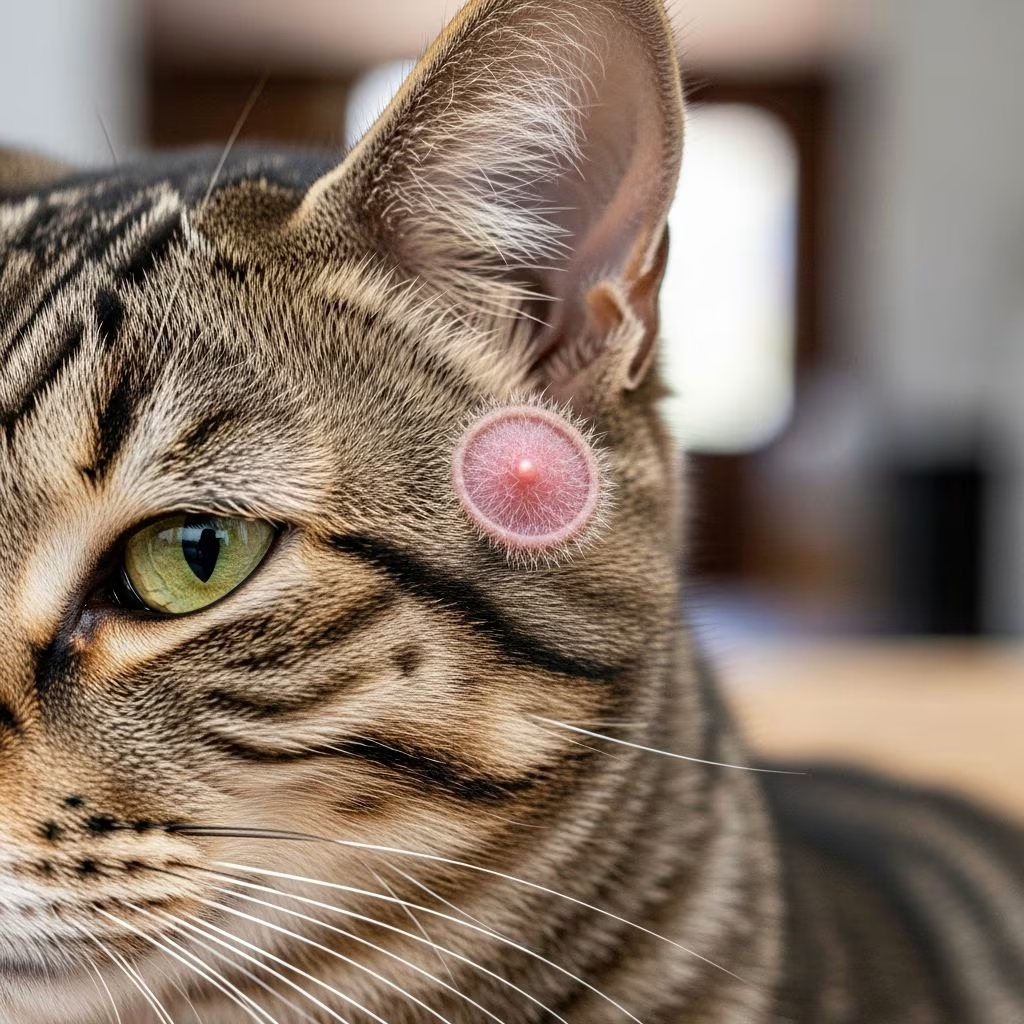
Cat skin problems represent one of the most common health concerns veterinarians encounter in their feline patients. When your cat’s skin becomes irritated, inflamed, or develops visible lesions, it signals that something requires immediate attention. Unlike dogs, cats often mask discomfort through behavioral changes, making early detection crucial for preventing complications and ensuring your pet’s comfort.
How Skin Irritation Develops in Cats
Your cat’s skin functions as a protective barrier against external threats. When irritants and allergens penetrate this barrier, the immune system responds by releasing inflammatory compounds called histamines. This cascade creates the classic signs of skin irritation: redness, swelling, and intense itching. The problem escalates when cats respond to discomfort through excessive grooming, scratching, and licking, which damages the skin further and creates openings for secondary bacterial infections.
Understanding this progression helps cat owners intervene before minor irritation becomes a serious dermatological issue. The inflammatory response, while the body’s natural defense mechanism, can become problematic when overstimulated by repeated exposure to irritants or allergens.
Recognizing Skin Problems in Your Cat
Early detection of skin conditions dramatically improves treatment outcomes. Cats often display multiple warning signs simultaneously, though some symptoms may be subtle. Watch your pet closely for the following indicators:
- Persistent itching, scratching, or excessive licking of specific body areas
- Visible redness or inflammation, particularly on the face, ears, belly, and paw pads
- Development of scabs, crusts, or open sores from self-trauma
- Thinning fur, bald patches, or areas of complete hair loss
- Scaling or flaking skin that resembles dandruff
- Thickened or darkened skin from chronic inflammation
- Unusual odors emanating from the skin or coat
- Oily or greasy-feeling fur
- Behavioral changes such as increased grooming, restlessness, or irritability
In severe cases, fluid discharge, skin sloughing, and visible pain indicate the condition has penetrated deeper skin layers and requires urgent veterinary intervention.
Primary Causes of Feline Skin Irritation
Multiple factors can trigger skin problems in cats. Understanding the source of irritation helps veterinarians develop targeted treatment strategies.
Parasitic Infections and Flea Allergy
Fleas represent the most common parasitic cause of feline skin disease. Remarkably, a cat need not have a heavy flea infestation to develop severe reactions. A single flea bite can trigger flea allergy dermatitis in sensitized cats, causing disproportionate inflammation and itching. The reaction occurs because the cat’s immune system overreacts to proteins in flea saliva, not merely to the physical bite itself.
Beyond fleas, other parasites including mites, lice, and ticks contribute to skin irritation. Ringworm, despite being fungal rather than parasitic, also causes characteristic circular patches of red, raised, hairless skin.
Dietary Sensitivities and Food Allergies
Some cats develop adverse reactions to specific proteins or additives within their diet. Food allergies in cats typically involve meat proteins and may manifest as skin lesions called miliary dermatitis—characterized by small, red bumps with surface crusting. These reactions develop after a period of sensitization, meaning a cat may tolerate a food initially but develop allergic responses over time.
Environmental Allergens
Seasonal and year-round environmental factors trigger allergic skin reactions in many cats. Common environmental allergens include pollen, mold spores, dust mites, and specific grasses. Cats inhale or absorb these substances, prompting immune system overreaction that manifests through skin inflammation and itching.
Direct Contact Irritants
Numerous household substances cause contact dermatitis when they contact your cat’s skin. Common culprits include:
- Cleaning products and floor waxes, particularly those containing citrus oils
- Certain fabric materials or litter types
- Fertilizers and pesticides
- Cedar chips and mulch
- Road salt and de-icing chemicals
- Poison ivy and toxic plants
- Perfumed products and personal care items
- Plastic materials
- Topical medications applied to the skin
Less Common Causes
Cats may develop skin reactions to medications or vaccines, though this occurs rarely. Additionally, stress triggers over-grooming behaviors in sensitive cats, leading to self-inflicted skin damage. Environmental factors like excessive sun exposure pose particular risk to white and ginger cats, potentially resulting in painful sunburn and long-term complications including squamous cell carcinoma.
The Diagnostic Process
Determining the underlying cause of your cat’s skin condition requires veterinary expertise and sometimes multiple diagnostic approaches. Your veterinarian will conduct a thorough physical examination, review your cat’s medical history, and discuss environmental and dietary factors. Depending on initial findings, diagnostic tests may include:
- Cytology examination to identify bacterial or yeast infections
- Fungal culture to rule out ringworm
- Elimination diet trials for suspected food allergies
- Allergy testing for environmental sensitivities
- Skin scrapings or tape preparations
- Patch testing for contact allergens
Treatment Approaches for Feline Skin Conditions
Effective treatment depends entirely on accurate diagnosis of the underlying cause. Your veterinarian develops a customized treatment plan addressing both the primary condition and any secondary infections that may have developed.
Parasitic Management
When fleas or other parasites are identified, aggressive prevention becomes essential. Flea control requires treating both the cat and the home environment simultaneously to break the lifecycle and prevent reinfection. Your veterinarian recommends appropriate preventive products based on your cat’s age, weight, and health status. Regular flea prevention is often the most cost-effective approach to preventing skin problems.
Medications and Anti-Inflammatory Therapy
Several medication categories help control skin irritation and inflammation:
| Medication Type | Purpose | Considerations |
|---|---|---|
| Antihistamines | Block histamine release to reduce itching and allergic responses | Over-the-counter options available but require veterinary approval for proper dosage |
| Corticosteroids | Reduce inflammation and provide rapid relief from itching | Available as oral, injected, or topical formulations; long-term use requires monitoring |
| Immunosuppressive Drugs | Modulate immune system response for severe, chronic allergies | Reserved for cases not responding to other treatments |
| Antibiotics | Treat secondary bacterial infections resulting from skin damage | Required when cytology confirms bacterial involvement |
| Antifungals | Eliminate fungal infections like ringworm | Often require long-term topical and systemic treatment |
Antibiotics become necessary when your cat’s scratching and licking create open wounds vulnerable to bacterial colonization. Without treating these secondary infections, the primary skin condition becomes increasingly difficult to manage.
Topical Treatments
Medicated shampoos, conditioners, sprays, and ointments directly address skin inflammation and itching. Special formulations soothe irritated skin, reduce bacterial colonization, and promote healing. Medicated baths work particularly well for cats that tolerate water, though many felines resist bathing. Your veterinarian recommends appropriate products and application frequencies. Long-term topical treatment often reduces the need for repeated oral antibiotics.
Dietary Modification
When food allergies are suspected or confirmed, transitioning to a hypoallergenic or limited ingredient diet often resolves skin symptoms. This process requires patience—elimination diets typically require 8-12 weeks to show results. Introduce new foods gradually to allow your cat’s digestive system to adjust. Some cats require permanent dietary modifications to maintain skin health.
Environmental Management
Reducing exposure to identified allergens and irritants represents a fundamental treatment component. This might involve:
- Limiting outdoor exposure during high pollen seasons
- Using air filtration systems to reduce dust and mold
- Switching to unscented, dust-free litter
- Replacing cleaning products with cat-safe alternatives
- Removing cedar-based bedding materials
- Managing home humidity to prevent mold growth
Nutritional Support
Fatty acid supplements, particularly omega-3 and fish oils, strengthen the skin barrier and reduce inflammation. These supplements decrease itching and redness while improving overall coat quality. Many veterinarians recommend these supplements as preventive therapy for cats with recurrent skin problems.
Long-Term Management Strategies
Chronic or recurrent skin conditions require ongoing care and monitoring. Successful long-term management involves:
- Regular veterinary check-ups to monitor condition progression and adjust treatments
- Consistent flea prevention year-round
- Home environment maintenance to minimize allergen exposure
- Continued dietary management if food allergies were identified
- Ongoing medication use as prescribed by your veterinarian
- Observation for early signs of flare-ups to intervene quickly
Many cats with properly managed skin conditions lead comfortable, happy lives with minimal discomfort.
When to Seek Emergency Care
While most feline skin conditions develop gradually, certain situations require immediate veterinary attention:
- Sudden onset of severe hives, rashes, or facial swelling suggesting allergic reaction
- Signs of systemic illness accompanying skin symptoms
- Rapid spread of skin lesions or dramatic worsening
- Signs of severe pain or behavioral distress
- Evidence of spreading infection with pus, drainage, or odor
Important Cautions
Resist the urge to treat your cat’s skin condition with home remedies, human medications, or products not specifically approved for cats. Cats process substances differently than humans or dogs, and many common treatments can cause harm. Always consult your veterinarian before introducing any new products, supplements, or treatments to ensure they are safe and appropriate for your cat’s specific situation.
Frequently Asked Questions
Can I use antihistamines meant for humans on my cat?
Never use human antihistamines without explicit veterinary approval. Cats require specific types and doses that differ from human recommendations. Your veterinarian can prescribe appropriate antihistamines safe for feline use.
How long does it take for treatment to show results?
Some treatments provide relief within days, while others require weeks or months to demonstrate effectiveness. Elimination diets typically require 8-12 weeks for full assessment.
Will my cat’s skin condition recur?
Recurrence depends on the underlying cause. Parasitic infections generally resolve with appropriate prevention. Allergies often require ongoing management but can be controlled with proper treatment.
Is ringworm contagious to humans?
Yes, ringworm can transmit to humans and other pets. Practice good hygiene when handling affected cats and maintain environmental sanitation.
References
- Cat Allergy Rash: Signs and Treatment — Dundee Veterinary Clinic. https://dundeevetclinic.com/blog/cat-allergy-rash/
- Dermatitis (red, inflamed, sore skin or a rash) in cats — PDSA (People’s Dispensary for Sick Animals). https://www.pdsa.org.uk/pet-help-and-advice/pet-health-hub/symptoms/dermatitis-red-inflamed-sore-skin-or-a-rash-in-cats
- Cat Rash: Common Causes, Symptoms & Treatments — Purina US. https://www.purina.com/articles/cat/health/skin-fur-ears/cat-rash
- Cat Miliary Dermatitis: Causes and Treatment — MedVet. https://www.medvet.com/cat-miliary-dermatitis-causes-and-treatment/
- Cat Skin Allergies: Types, Symptoms, and How Vets Treat Them — PetMD. https://www.petmd.com/cat/conditions/skin/cat-skin-allergies-types-symptoms-and-how-vets-treat-them
- Feline Skin Diseases — Cornell University College of Veterinary Medicine. https://www.vet.cornell.edu/departments-centers-and-institutes/cornell-feline-health-center/health-information/feline-health-topics/feline-skin-diseases



