

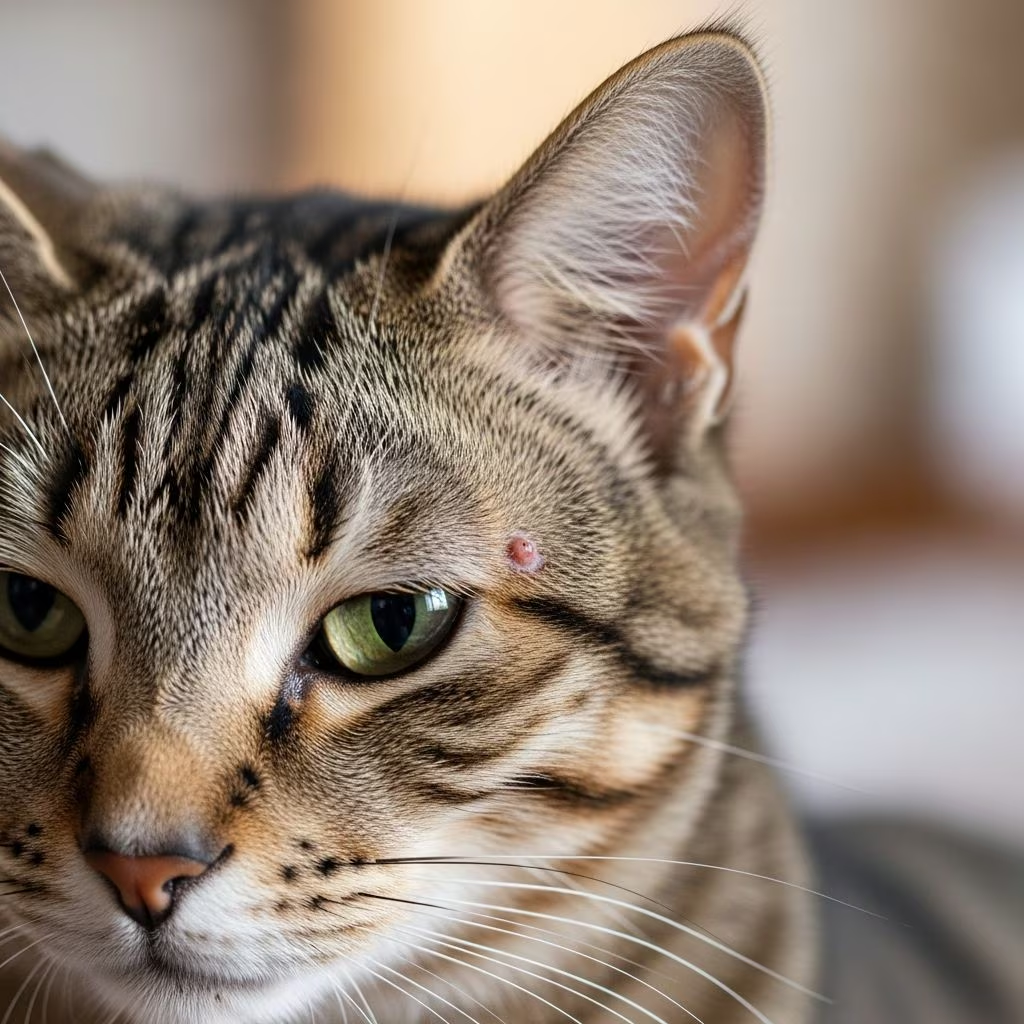
Skin cancer in cats manifests as abnormal growths on the skin, often linked to sun exposure, genetics, or environmental factors, with early detection being key to successful management.
Recognizing the Early Warning Signs
Owners play a crucial role in identifying potential skin cancer by monitoring their cats for unusual skin changes. Common indicators include persistent sores that fail to heal, raised lumps or bumps that grow over time, and areas of skin that become ulcerated, bleeding, or crusted. These abnormalities frequently appear on sun-exposed regions like the ears, nose, eyelids, and lips, particularly in lighter-colored cats.
Other noticeable signs encompass scaly patches, discolored areas, or warty growths that may ooze fluid or blood. Cats might exhibit discomfort, such as excessive scratching or rubbing at the affected site, leading to further irritation. Nasal discharge, nosebleeds, or breathing issues can occur if the cancer involves the nose. While many lumps are benign, any persistent change warrants a veterinary examination to rule out malignancy.
Risk Factors and Underlying Causes
Several elements contribute to the development of skin cancer in felines. Prolonged ultraviolet (UV) radiation from sunlight is a primary culprit, especially for cats with white or light fur and thin hair coats, as these provide minimal protection. Areas with sparse pigmentation, such as pink noses or ear tips, are particularly vulnerable, often progressing from precancerous solar dermatitis—red, crusty patches—to full tumors.
Genetic predispositions also factor in; certain breeds like Siamese cats show higher incidences of mast cell tumors. Chronic irritation from licking, burns, trauma, or viral influences can trigger uncontrolled cell growth. Older cats face elevated risks, as age-related cellular changes compound these factors. Indoor cats lounging near sunny windows can still accumulate damaging UV exposure.
Common Varieties of Skin Tumors in Cats
Cats can develop various skin cancers, each with distinct characteristics and behaviors. Understanding these helps in prompt recognition and tailored treatment.
- Squamous Cell Carcinoma (SCC): The most prevalent type, often sun-induced, appearing as ulcers or crusts on ears, nose, or eyelids. It remains locally invasive initially but can metastasize later.
- Mast Cell Tumors: These cause lumps that may itch or ulcerate, more common in Siamese breeds, with potential for systemic effects if they spread.
- Fibrosarcomas: Aggressive soft tissue sarcomas forming firm masses, sometimes linked to injection sites, invading deeply but metastasizing slowly.
- Basal Cell Tumors: Typically benign but can mimic malignant growths; they present as raised, hairless nodules.
- Sebaceous Gland Tumors: Range from benign cysts to malignant adenocarcinomas, often recurring if not fully excised.
Less common forms include melanomas and trichoepitheliomas, which may ulcerate or inflame surrounding tissues.
Diagnostic Approaches for Accurate Identification
Veterinarians employ a multi-step process to confirm skin cancer. Initial physical exams assess lesion size, location, and characteristics. Fine-needle aspiration or biopsy provides cells for cytological or histopathological analysis, determining if the growth is benign or malignant.
Imaging like X-rays, ultrasounds, or CT scans evaluates spread to lymph nodes, lungs, or bones. Blood tests check overall health, while staging classifies the cancer’s extent, guiding treatment. Early diagnosis via these methods significantly boosts prognosis.
Treatment Strategies Tailored to Tumor Type
| Tumor Type | Primary Treatments | Prognosis Notes |
|---|---|---|
| Squamous Cell Carcinoma | Surgery, cryotherapy, radiation, topical immunotherapy | Good if caught early; ear/nose cases challenging |
| Mast Cell Tumors | Surgical excision, chemotherapy for spread | Variable; high-grade worse outlook |
| Fibrosarcomas | Wide surgical margins, radiation post-op | Local recurrence common |
| Benign Basal/Sebaceous | Complete surgical removal | Excellent if fully excised |
Surgery remains the cornerstone, removing tumors with margins to prevent regrowth. For inoperable cases or metastasis, radiation, chemotherapy, or cryosurgery (freezing) offer alternatives. Precancerous lesions may respond to topical creams. Multimodal approaches combining therapies improve outcomes, with regular follow-ups monitoring recurrence.
Preventive Measures for Long-Term Protection
Proactive steps reduce skin cancer risks significantly. Limit sun exposure during peak hours (10 AM-4 PM), especially for light-skinned cats; provide shaded outdoor areas or keep them indoors. Apply pet-safe sunscreens to ears, nose, and lips daily if outdoors. Regular grooming reveals skin changes early.
- Use UV-blocking window films for indoor lounging spots.
- Schedule routine vet check-ups for senior cats.
- Maintain a balanced diet supporting immune health.
- Avoid known irritants and monitor vaccination sites.
Breeds prone to genetics-based tumors benefit from vigilant monitoring.
FAQs on Cat Skin Cancer
Is skin cancer painful for cats?
Advanced lesions can cause discomfort from ulceration or invasion, but early stages are often asymptomatic. Pain management is integral to treatment.
How fast does cat skin cancer spread?
Varies by type; SCC is locally aggressive but slow to metastasize initially, while high-grade mast cell tumors spread quicker.
Can indoor cats get skin cancer?
Yes, via window UV exposure; prevention includes window treatments.
What is the survival rate?
High (80-90%) for early, localized tumors treated surgically; poorer for advanced metastatic cases.
Should I biopsy every lump?
Consult a vet; persistent or changing lumps require evaluation.
Holistic Support and Owner Responsibilities
Beyond medical interventions, supportive care enhances quality of life. Nutritional supplements with antioxidants may bolster immunity, though evidence is anecdotal. Stress reduction via environmental enrichment aids recovery. Owners should track lesion changes post-treatment, reporting issues promptly.
Emotional support for pets involves gentle handling of affected areas. Collaborate with oncology vets for personalized plans. Research into feline immunotherapy and targeted drugs progresses, promising future advancements.
References
- Tumors of the Skin in Cats — Merck Veterinary Manual. 2023-10-15. https://www.merckvetmanual.com/cat-owners/skin-disorders-of-cats/tumors-of-the-skin-in-cats
- Squamous Cell Cancer: Dangerous — Cornell University College of Veterinary Medicine. 2024-01-20. https://www.vet.cornell.edu/departments-centers-and-institutes/cornell-feline-health-center/health-information/feline-health-topics/squamous-cell-cancer-dangerous
- Cancer in Cats: Common Types, Symptoms, Diagnosis, and Treatment — OncoDaily. 2025-05-10. https://oncodaily.com/oncolibrary/cancer-in-cats
- Skin Cancer in Cats — PetMD. 2024-08-05. https://www.petmd.com/cat/conditions/cancer/skin-cancer-cats
- Skin Cancer in Cats: FAQ — Blue Cross. 2023-11-12. https://www.bluecross.org.uk/advice/cat/health-and-injuries/skin-cancer-in-cats



