

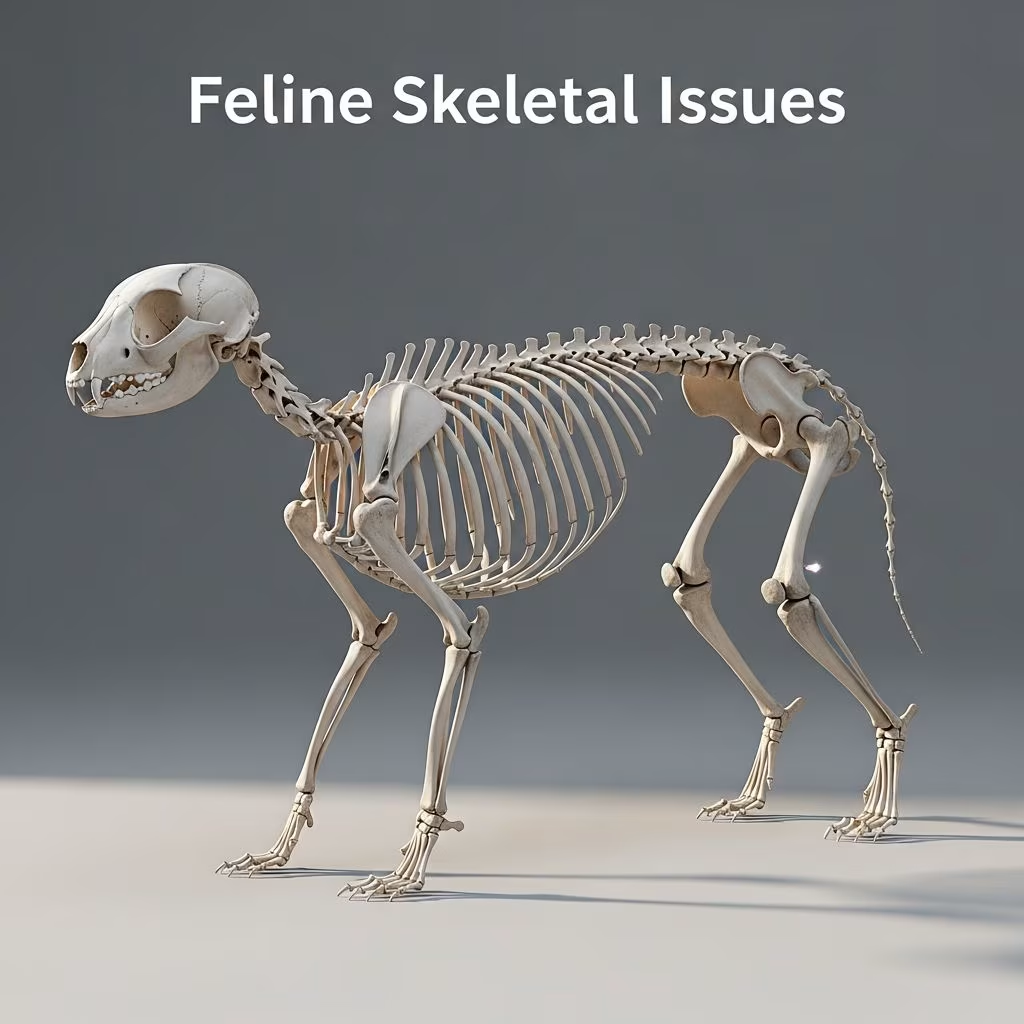
Cats, known for their agility and grace, can suffer from various skeletal problems that impact mobility and comfort. These conditions range from developmental abnormalities to degenerative diseases, often presenting with subtle signs that owners might overlook. Early detection through veterinary care is crucial for managing pain and preventing progression. This guide delves into the most prevalent bone disorders in felines, offering insights into their origins, identification, and care options.
Understanding Bone Development in Cats
The skeletal system in cats forms rapidly during kittenhood, relying on balanced nutrition, genetics, and environmental factors. Calcium, phosphorus, and vitamin D play pivotal roles in mineralization. Disruptions during growth phases can lead to lifelong issues. Adult cats maintain bone density through activity and diet, but aging or trauma introduces new vulnerabilities. Recognizing normal versus abnormal development helps owners spot problems early.
- Key Growth Phases: Rapid bone elongation in kittens up to 6 months, followed by remodeling.
- Nutritional Needs: Adequate minerals prevent softening or deformities.
- Activity Role: Jumping and climbing stimulate healthy bone formation.
Nutritional Deficiencies and Bone Weakness
Imbalanced diets, especially in growing kittens or pregnant queens, cause conditions like rickets, where bones fail to mineralize properly. This results in soft, pliable structures prone to bending or folding under stress. Kittens may show bowed limbs, reluctance to move, or sudden lameness from incomplete fractures. Blood tests reveal low vitamin D or mineral levels, while x-rays confirm widened growth plates and thinning cortices.
Correction involves dietary overhaul with supplements and controlled sunlight exposure to boost vitamin D synthesis. Confined rest prevents further damage during recovery, with visible improvements in activity within days. Full skeletal normalization may take months, monitored via follow-up imaging. Prevention through commercial kitten foods fortified with essentials is highly effective.
Degenerative Joint Conditions
Osteoarthritis, a wear-and-tear ailment, erodes joint cartilage, leading to bone-on-bone friction. Older cats or those with prior injuries are prone, exhibiting stiffness after rest, reduced jumping, and subtle limping. Hip dysplasia, though rarer in cats than dogs, involves malformed hip sockets causing instability and secondary arthritis. Symptoms include bunny-hopping gait and muscle wasting around the hips.
| Condition | Common Sites | Key Signs |
|---|---|---|
| Osteoarthritis | Knees, hips, spine | Stiffness, pain on touch, grating sounds |
| Hip Dysplasia | Hips | Limping, avoidance of stairs, thigh muscle loss |
Diagnosis uses x-rays showing joint space narrowing or femoral head slippage. Management combines NSAIDs like meloxicam for inflammation, weight control, and joint supplements. Severe cases may need surgical joint replacement or fusion for lasting relief.
Trauma-Related Bone Injuries
Falls from heights or car accidents frequently cause fractures in cats. Metacarpal, metatarsal, or long bone breaks heal well with immobilization. Luxations, like elbow or tarsal dislocations, demand prompt reduction to avoid chronic instability. Surgical pinning or external fixators stabilize complex cases.
Post-injury care includes strict crate rest, pain meds, and physical therapy like laser sessions to rebuild strength. Osteomyelitis, a bacterial invasion post-fracture, presents with draining pus and fever, requiring antibiotics and debridement.
Juvenile Onset Disorders
Young cats face unique challenges like osteochondritis dissecans (OCD), where cartilage flaps detach in shoulders or elbows, sparking inflammation. Lameness worsens with exercise, and swelling appears at affected joints. Hypertrophic osteodystrophy involves painful swelling along bone shafts, often self-limiting with rest and analgesics.
Slipped capital femoral epiphysis sees the femoral head displace, confirmed by radiographs. Early wiring or later ostectomy restores function. These conditions stem from rapid growth imbalances, underscoring balanced feeding.
Rare and Secondary Bone Pathologies
Metabolic imbalances, such as hyperparathyroidism, cause fibrous osteodystrophy with jaw swelling and tooth loss. Hypocalcemia from nutritional excess leads to tremors, seizures, and fragile bones prone to spontaneous breaks. Metastatic calcification in renal failure hardens paw pads, mimicking lameness from foot pain.
Cancerous infiltration or hypertrophic osteopathy from lung tumors proliferates periosteal bone, causing diffuse pain. Treating the primary disease often regresses changes. Dysostoses, congenital malformations like radial hemimelia, may need amputation if function is impaired.
Spotting Symptoms Early
Cats mask pain, making vigilance essential. Watch for:
- Altered gait or favoring one leg.
- Reduced playfulness or hiding.
- Swollen joints or heat in limbs.
- Muscle atrophy from disuse.
- Appetite dips or vocalizing on movement.
Routine exams catch subclinical issues, as some cats show no overt signs despite internal discomfort.
Diagnostic Approaches
Vets start with history and physicals, palpating for crepitus or pain. Bloodwork assesses minerals and inflammation markers. Imaging—radiographs for fractures or dysplasia, CT for complex joints—pinpoints lesions. Biopsies rule out neoplasia in proliferative diseases.
Treatment Strategies
Tailored plans address root causes:
- Medications: NSAIDs (e.g., Metacam), gabapentin for nerve pain, opioids for acute flares.
- Surgery: Fracture repairs, joint fusions, tumor excisions.
- Rehab: Massage, hydrotherapy, acupuncture to enhance mobility.
- Diet: Low-phosphorus renal formulas, joint-support additives.
Multimodal therapy yields best outcomes, minimizing side effects.
Preventive Measures for Lifelong Skeletal Health
Maintain ideal weight to lessen joint loads. Provide scratching posts and climbing trees for exercise. Annual vet checks include orthopedic screens for seniors. Avoid all-meat diets lacking balanced minerals. Spay/neuter reduces roaming injury risks.
Home Care Tips During Recovery
Create low-entry litter boxes and ramps. Use orthopedic beds for support. Monitor med administration closely, watching for GI upset. Gentle play encourages movement without overexertion.
FAQs
Can indoor cats get bone disorders?
Yes, genetics, nutrition, and aging affect indoor felines too. Obesity from inactivity exacerbates issues.
Is surgery always needed for fractures?
No, simple breaks heal with splints; complex ones require pins.
How do I know if my cat has arthritis?
Look for morning stiffness, reluctance to jump, or licking sore areas. X-rays confirm.
What diet helps bone health?
High-quality kibble with calcium, phosphorus balance, and omega-3s for joints.
Do supplements work for feline bone problems?
Glucosamine/chondroitin aid mild OA; vet approval ensures safety.
References
- Types of Bone Disorders in Cats — PetCareRx. 2023-01-01. https://www.petcarerx.com/article/types-of-bone-disorders-in-cats/6450
- Disorders Associated with Calcium, Phosphorus, and Vitamin D in Cats — MSD Veterinary Manual. 2023-01-01. https://www.msdvetmanual.com/cat-owners/bone-joint-and-muscle-disorders-of-cats/disorders-associated-with-calcium-phosphorus-and-vitamin-d-in-cats
- Juvenile Orthopedic Disease in Dogs & Cats, Part 1 — Today’s Veterinary Practice. 2023-01-01. https://todaysveterinarypractice.com/orthopedics/juvenile-orthopedic-disease-in-dogs-cats-part-1-musculoskeletal-development-pediatric-bone-diseases/
- Musculoskeletal oddities in the cat: An overview — PMC (NCBI). 2024-01-01. https://pmc.ncbi.nlm.nih.gov/articles/PMC11148911/
- Common Orthopedic Problems in Cats — Diamond Bar Vet Clinic. 2023-04-19. https://www.diamondbarvetclinic.com/site/blog/2023/04/19/orthopedic-problems-cats
- Feline Orthopedic Disease — MSPCA-Angell. 2023-01-01. https://www.mspca.org/angell_services/feline-orthopedic-disease/



