

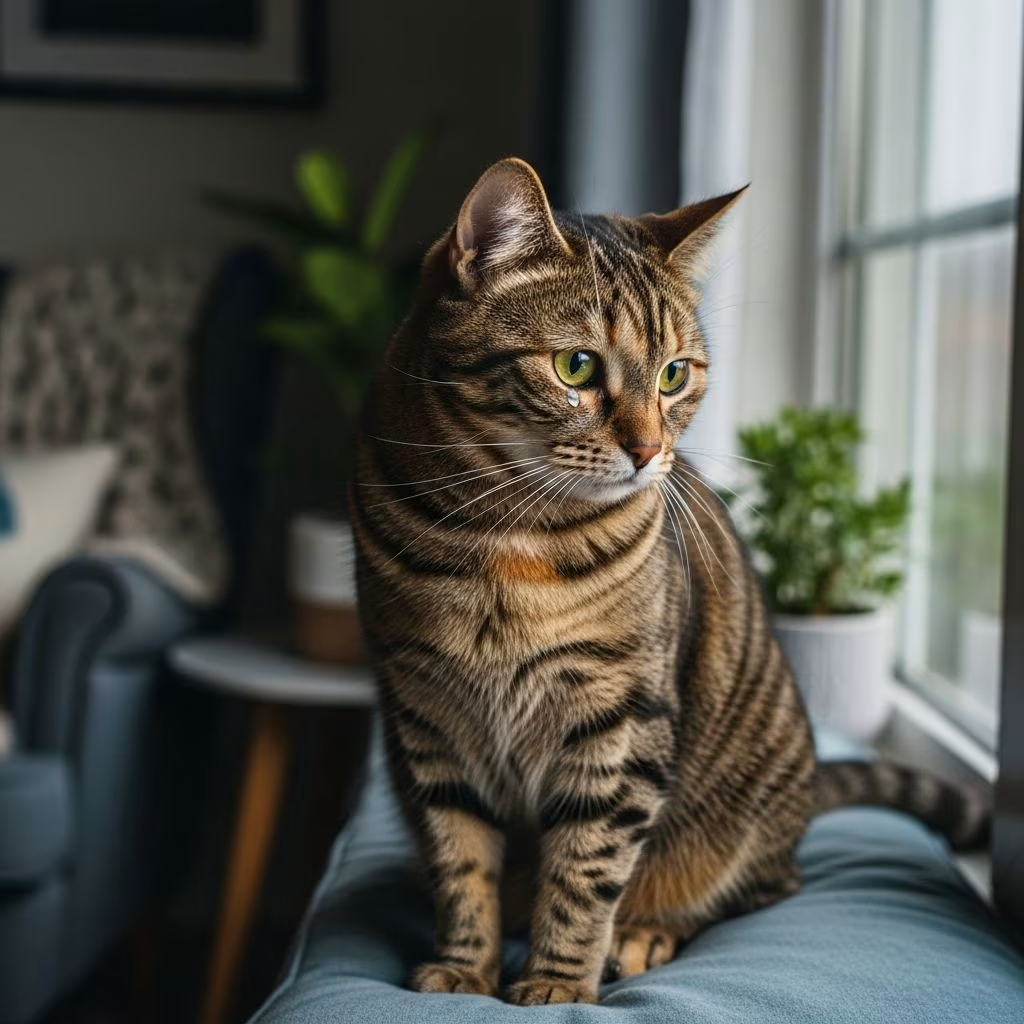
Many people assume cats are aloof and independent creatures that prefer solitude. However, research demonstrates that cats can develop deep emotional bonds with their owners and experience significant distress when separated from them. Separation anxiety in cats is a genuine behavioral condition that affects a notable portion of the feline population, causing real suffering for both the animal and their caregivers. Understanding this condition is essential for any cat owner seeking to provide optimal emotional support and care for their feline companion.
What Is Feline Separation Anxiety?
Separation anxiety in cats is a stress response that occurs when a cat is separated from their primary caregiver or bonded person. Unlike general discomfort with being alone, true separation anxiety manifests as genuine psychological distress resulting from an overdependence on another individual and diminished confidence when facing solitude. This condition reveals itself through specific behavioral and physiological symptoms that distinguish it from normal feline behavior. The anxiety stems from an attachment that has become unbalanced, creating vulnerability when that attachment figure is absent.
It’s important to note that separation anxiety exists on a spectrum. A cat experiencing occasional mild anxiety symptoms presents differently from one with severe separation anxiety that significantly impacts daily functioning. Additionally, not all cats will develop this condition—individual temperament, early socialization experiences, and environmental factors all play crucial roles in vulnerability to this behavioral issue.
Recognizing the Behavioral Indicators
Identifying separation anxiety requires careful observation, as symptoms can manifest both before departure and during the owner’s absence. Veterinarians and animal behaviorists recommend using video recording to capture your cat’s behavior when you’re away, providing objective evidence of anxiety-related actions.
Signals Present During Your Presence
- Excessive Clinginess: Your cat follows you from room to room, becomes distressed when you move away, and demands constant physical contact or proximity.
- Pre-departure Agitation: As you prepare to leave, your cat may hide, vocalize anxiously, or attempt to block doorways.
- Destructive Scratching: Your cat engages in scratching that appears stress-related rather than typical marking behavior, often targeting doors, windows, or furniture.
- Rapid Eating: Your cat consumes food hastily, sometimes to the point of regurgitation, indicating anxiety-driven behavior.
- Over-grooming Patterns: Excessive self-grooming occurs, particularly as departure time approaches or upon your return.
- Inappropriate Elimination: Your cat urinates or defecates outside the litter box, often on items bearing your scent like bedding or clothing.
Signals Present During Your Absence
- Excessive Vocalization: Your cat produces louder than normal meowing, yowling, crying, or moaning throughout your absence.
- Doorway Vigil: Rather than engaging in normal activities, your cat remains stationed at the entry point, waiting for your return.
- Destructive Behaviors: Your cat scratches or damages doors, windows, or furniture—behaviors not typical for this normally well-behaved pet.
- Appetite Changes: Your cat refuses to eat or drink while you’re away, even when cared for by a pet sitter or at a boarding facility.
- Gastrointestinal Distress: Your cat vomits or experiences diarrhea, sometimes containing hair from over-grooming.
- Restlessness: Your cat cannot settle or relax, displaying constant pacing and agitation.
- Heightened Startle Response: Your cat becomes more reactive to normal household sounds or disturbances than typical behavior suggests.
It’s crucial to understand that having one or two symptoms doesn’t necessarily indicate separation anxiety—true separation anxiety typically presents as a combination of multiple symptoms that appear both when you’re present and absent.
Identifying Risk Factors and Vulnerability
Certain characteristics and life circumstances make some cats more susceptible to developing separation anxiety than others. Understanding these risk factors can help owners take preventative measures or recognize early warning signs.
Individual and Genetic Factors
Research indicates that female cats receive separation anxiety diagnoses more frequently than male cats. Additionally, certain breeds demonstrate higher predisposition to anxiety disorders. Siamese and Ragdoll breeds, known for their people-oriented temperament, show increased likelihood of developing separation anxiety compared to more independent breeds. Genetics appears to influence how cats regulate stress responses and attachment formation.
Cats that were bottle-raised as kittens or separated from their mothers too early often develop stronger dependence on human caregivers, creating vulnerability when those caregivers are unavailable. Early life experiences fundamentally shape a cat’s confidence and independence levels.
Environmental and Lifestyle Contributors
Living arrangements significantly impact separation anxiety development. Cats that live exclusively indoors without access to outdoor stimulation face higher risk, particularly if they’re the only pet in a single-person household. These cats concentrate their social interactions and mental enrichment entirely on one individual, creating an unhealthy dependency dynamic.
Cats without experience being left alone, whether with pet sitters or at boarding facilities, develop anxiety more readily than those accustomed to temporary separations. Lack of familiarity with independent time prevents cats from building confidence in their ability to manage solitude.
Life Changes and Disruptions
Routine alterations trigger or intensify separation anxiety in susceptible cats. Significant life changes include moving to a new residence, bringing a new baby into the home, transitioning from working at home to office-based employment, or taking vacations that disrupt established schedules. Cats thrive on predictability, and sudden changes create uncertainty and stress.
Previous experiences of abandonment or loss of a bonded caregiver increase anxiety vulnerability in subsequent separations. Cats with traumatic histories require additional patience and support when adapting to owner absence.
Understanding Root Causes
While the exact mechanisms underlying feline separation anxiety remain incompletely understood, multiple contributing factors have been identified. Unlike some behavioral issues with single clear causes, separation anxiety typically results from a combination of genetic predisposition, early life experiences, environmental factors, and situational stressors.
The condition often reflects insufficient confidence development during critical socialization periods. Kittens raised exclusively by humans without proper peer socialization or exposure to varied environments may fail to develop robust independence and coping mechanisms. These individuals become overly reliant on their human caregivers for emotional regulation and security.
Environmental monotony contributes significantly to anxiety development. Indoor cats without adequate mental stimulation, interactive play opportunities, or enrichment activities become psychologically vulnerable. Insufficient environmental complexity leaves cats underprepared for managing independent time productively.
Distinguishing Separation Anxiety from Other Conditions
Before implementing separation anxiety interventions, it’s essential to rule out other medical and behavioral conditions that might produce similar symptoms. Inappropriate elimination can indicate urinary tract infections or other medical issues requiring veterinary attention. Appetite changes might reflect medical problems rather than anxiety. Vomiting and diarrhea could signal gastrointestinal disease. Excessive vocalization sometimes indicates pain or cognitive dysfunction in older cats.
A thorough veterinary examination should precede behavioral assessments. Your veterinarian can identify or exclude medical causes and may recommend behavioral consultation with a certified animal behaviorist for complex cases.
Management and Support Strategies
Environmental Modifications
Creating an enriched environment helps reduce anxiety by providing mental stimulation and environmental complexity. Install perches at various heights, offering cats safe vantage points for observation. Provide interactive puzzle feeders that engage problem-solving abilities during feeding times. Window access with bird feeders or outdoor views offers visual enrichment. Rotate toys regularly to maintain novelty and interest.
Calming aids may help anxious cats feel more secure. Pheromone diffusers that mimic natural feline calming pheromones can reduce stress responses. Some cats respond positively to anxiety wraps or weighted blankets designed for pets. Music specifically composed for cats has shown modest benefits in some studies.
Gradual Desensitization
Systematically acclimating your cat to alone time builds confidence and reduces anxiety. Begin with very brief absences—perhaps just stepping outside for thirty seconds—then gradually extending duration over weeks. Return before your cat becomes distressed to establish positive associations with your departure and return.
Practice departure routines without actually leaving, reducing the predictive value of your departure cues. Put on shoes, grab keys, and sit quietly without leaving. This random reinforcement prevents your cat from anticipating your departure based on preparatory actions.
Behavioral Interventions
Minimize pre-departure attention and emotional intensity. Avoid extended goodbye rituals or emotional goodbyes that reinforce your cat’s anxiety about separation. Instead, make departures mundane and emotionless. Similarly, downplay your return with minimal fanfare initially, gradually increasing interaction only after your cat has calmed.
Encourage independent play and exploration through structured playtime sessions. Engaging your cat in interactive play builds confidence, reduces stress hormones, and promotes healthy sleep cycles that support emotional regulation.
Professional Support
Certified animal behaviorists can develop customized intervention plans for cats with significant separation anxiety. They assess individual circumstances and design systematic modification programs tailored to your cat’s specific needs and your living situation.
Veterinarians may recommend pharmaceutical support for severe cases. Anti-anxiety medications can help reduce distress levels while behavioral modifications take effect. These medications work best in combination with environmental changes and behavioral interventions rather than as standalone treatments.
Frequently Asked Questions
Q: Can separation anxiety in cats be completely cured?
A: With appropriate interventions, most cats show significant improvement in anxiety symptoms. While some cats may require ongoing management strategies, systematic desensitization, environmental enrichment, and professional support can substantially reduce or resolve separation anxiety in many cases.
Q: How long does it take to see improvement?
A: Behavioral modification timelines vary based on anxiety severity and individual cat responsiveness. Most cats show noticeable improvement within 4-8 weeks of consistent intervention, though significant change may require several months of dedicated effort.
Q: Is separation anxiety permanent once it develops?
A: Separation anxiety is not permanent. Behavioral interventions, environmental modifications, and professional support can substantially reduce or eliminate symptoms. Early intervention typically produces faster results than attempting to address long-standing anxiety patterns.
Q: Should I consider medication for my anxious cat?
A: Medication decisions should involve consultation with your veterinarian. For mild to moderate anxiety, behavioral and environmental interventions often prove effective without pharmaceutical support. Severe cases may benefit from medication combined with behavioral modification.
Q: Can getting a second cat help reduce separation anxiety?
A: Adding a second cat provides companionship but doesn’t directly address your cat’s attachment to you. However, a compatible feline companion can reduce anxiety during your absence by providing social interaction and environmental enrichment. Success depends on proper introduction and individual temperament compatibility.
Moving Forward with Confidence
Recognizing separation anxiety in your cat and implementing appropriate support strategies demonstrates genuine care for your feline companion’s emotional wellbeing. This condition, while challenging, responds well to systematic intervention combining environmental enrichment, behavioral modification, and professional guidance when needed. By understanding your cat’s anxiety triggers and vulnerability factors, you can create a more secure, confident companion equipped to handle periods of separation with reduced distress. Remember that improvement takes patience and consistency, but the result—a calmer, happier cat—makes the effort worthwhile.
References
- Separation Anxiety in Cats – 7 Signs & 9 Ways to Help — Sploot Vets. 2024. https://www.splootvets.com/post/separation-anxiety-in-cats-signs-symptoms-ways-to-help
- Cat Separation Anxiety: Symptoms, Causes, and How To Help — Rover. 2024. https://www.rover.com/blog/cat-separation-anxiety/
- Separation Anxiety – Indoor Pet Initiative — The Ohio State University. 2024. https://indoorpet.osu.edu/cats/problem-solving/separation-anxiety
- Separation Anxiety in Cats – Signs And How To Help — Hill’s Pet US. 2024. https://www.hillspet.com/cat-care/behavior-appearance/separation-anxiety-in-cats
- Separation Anxiety in Cats — ASPCA Pet Health Insurance. 2024. https://www.aspcapetinsurance.com/resources/separation-anxiety-in-cats/
- Cats and separation anxiety — Cats Protection. 2024. https://www.cats.org.uk/cats-blog/does-my-cat-have-separation-anxiety
- Can Cats Have Separation Anxiety? — PetMD. 2024. https://www.petmd.com/cat/conditions/behavioral/can-cats-have-separation-anxiety



