

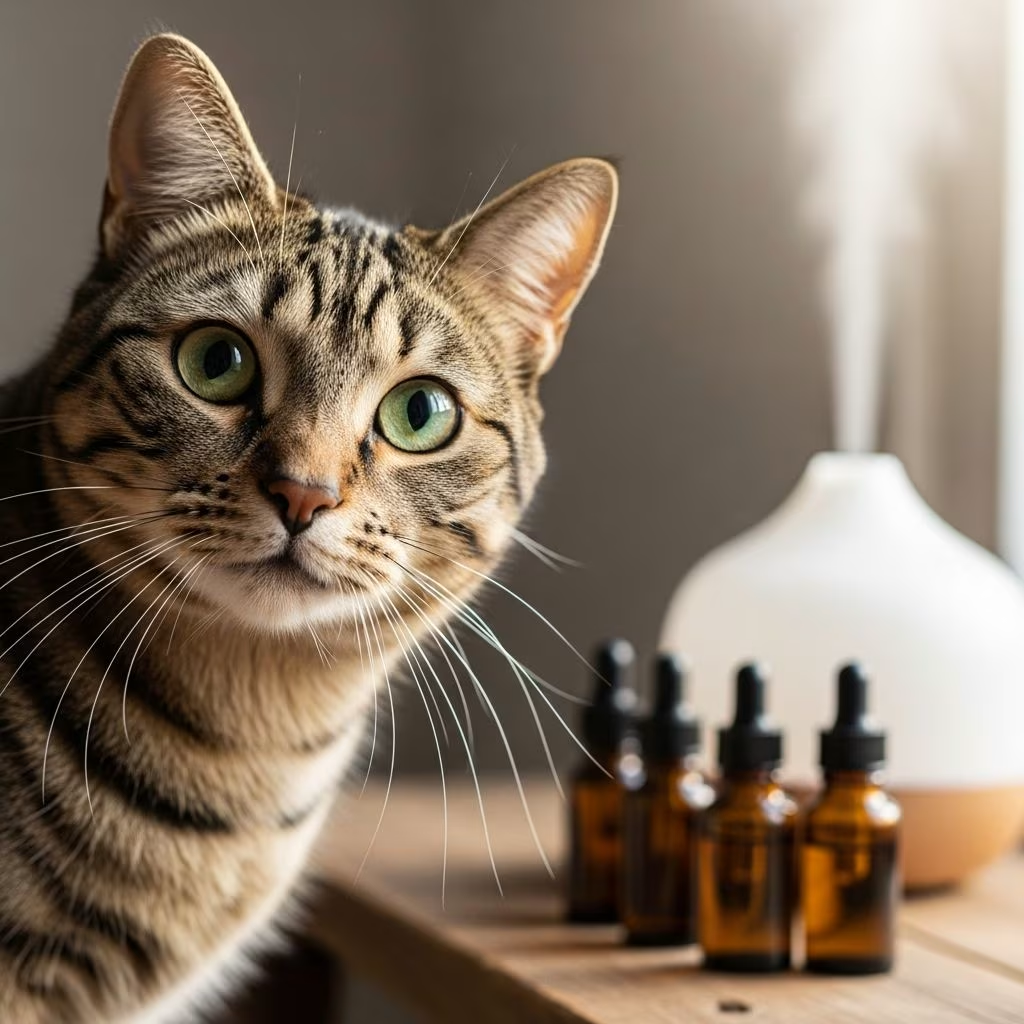
Why Cats React Differently to Essential Oils
Pet owners often enjoy the benefits of essential oils for stress relief, mood enhancement, and home freshness. However, what works wonderfully for humans can pose serious health threats to feline companions. The primary reason cats are uniquely vulnerable to essential oils lies in their liver function. Unlike dogs and humans, cats lack a critical enzyme called glucuronosyltransferase, which is essential for breaking down and neutralizing the compounds found in essential oils.
This metabolic difference means that when cats are exposed to essential oils, the toxic components accumulate in their liver and bloodstream at an alarming rate. Rather than being processed and safely eliminated from the body, these oils build up to dangerous levels, causing rapid toxicity that can develop within hours or gradually over extended exposure periods. The concentrated nature of essential oils makes this accumulation particularly problematic, as even small amounts can reach toxic thresholds in feline systems.
Multiple Routes of Exposure: How Oils Reach Your Cat
Understanding how essential oils enter your cat’s body is crucial for prevention. There are several primary pathways through which exposure occurs:
- Inhalation through Diffusers: When essential oils are aerosolized in diffusers, the concentrated vapors become suspended in your home’s air. Cats breathe these fumes directly into their lungs, where the oils irritate the respiratory tract lining and are simultaneously absorbed into the bloodstream.
- Skin Contact and Absorption: Essential oils can land directly on your cat’s fur and skin during diffusion or handling. Cats have permeable skin that readily absorbs these potent compounds, making topical exposure particularly dangerous.
- Ingestion During Grooming: Cats are meticulous self-groomers. If essential oil residue accumulates on their fur, they will inevitably lick it away, ingesting the oils directly. This grooming behavior significantly increases the risk of internal exposure.
- Accidental Spills: Diffuser accidents or knocked-over bottles can result in direct contact with concentrated oils, leading to rapid toxicity.
Identifying High-Risk Essential Oils for Felines
While veterinarians generally recommend avoiding all essential oils around cats, certain oils are particularly dangerous and have documented cases of serious poisoning:
| High-Toxicity Oils | Potential Health Effects |
|---|---|
| Tea Tree Oil | Neurological damage, tremors, coordination loss |
| Eucalyptus Oil | Respiratory irritation, seizures, liver toxicity |
| Peppermint Oil | Breathing difficulties, tremors, muscle weakness |
| Citrus Oils | Photosensitivity, skin irritation, liver damage |
| Cinnamon Oil | Liver injury, respiratory distress, anemia |
| Pine Oil | Respiratory tract inflammation, coordination issues |
| Ylang-Ylang Oil | Heart rate abnormalities, breathing problems |
| Clove Oil | Liver damage, respiratory depression |
| Pennyroyal Oil | Severe hepatotoxicity, organ failure |
| Wintergreen and Sweet Birch Oil | Salicylate poisoning, tremors, seizures |
| Lavender Oil | CNS depression, muscle tremors |
These oils contain compounds such as terpenes, ketones, and phenols that cats cannot metabolize. The phenolic compounds found in these oils are particularly problematic, as they represent highly concentrated naturally occurring substances that wreak havoc on feline liver function.
Health Consequences of Essential Oil Exposure in Cats
The health impacts of essential oil toxicity in cats range from mild to life-threatening. The severity depends on several factors including the specific oil involved, concentration level, duration of exposure, and your cat’s individual health status.
Respiratory Complications
Inhaled essential oil vapors irritate the delicate lining of the respiratory tract, including the lungs and airways. Cats with pre-existing respiratory conditions such as asthma or chronic bronchitis face heightened risk of severe complications. Even cats without underlying respiratory issues can develop coughing, wheezing, and breathing difficulties following exposure. These respiratory effects can be particularly acute when oils are highly concentrated in confined spaces.
Liver Dysfunction and Failure
Since cats cannot process essential oil compounds, these substances accumulate directly in the liver, the organ most vulnerable to damage. Prolonged or significant exposure can result in hepatotoxicity, inflammation, or complete liver failure—a potentially fatal outcome.
Neurological Symptoms
Many essential oils contain compounds that affect the central nervous system. Cats may exhibit tremors, loss of coordination, muscle weakness, or seizures. In severe cases, essential oil toxicity can cause altered behavior, depression, or unresponsiveness.
Cardiovascular Stress
Certain oils can disrupt normal heart function, causing irregular heartbeat and abnormal body temperature regulation. This cardiovascular stress can be life-threatening for cats with existing heart conditions.
Gastrointestinal Issues
If oils are ingested, cats typically experience vomiting, diarrhea, and loss of appetite. These symptoms indicate systemic poisoning and require immediate veterinary intervention.
Risk Factors That Increase Vulnerability
Not all cats respond identically to essential oil exposure. Certain characteristics make specific cats significantly more susceptible to toxicity:
- Age: Kittens and senior cats have less-developed or declining liver function, making them particularly vulnerable to toxic accumulation.
- Body Weight: Smaller cats reach toxic thresholds more quickly than larger felines, as the same amount of oil represents a higher dose relative to body mass.
- Pre-existing Health Conditions: Cats with liver disease, kidney dysfunction, respiratory conditions, or heart problems face compounded risks.
- Overall Health Status: Cats that are already immunocompromised or dealing with chronic illness have reduced capacity to handle toxic exposure.
Creating a Safe Environment: Practical Prevention Strategies
The safest approach is complete avoidance of essential oils in homes with feline residents. However, if you wish to use these products, implement comprehensive safety measures:
- Restrict Diffuser Use: Never use essential oil diffusers in rooms where your cat spends significant time. If diffusers must be used, confine your cat to separate areas with fresh air access.
- Maintain Air Circulation: Ensure your home has adequate ventilation so concentrated oils don’t accumulate in enclosed spaces. Provide your cat with refuge rooms that are completely oil-free.
- Avoid Topical Application: Never apply essential oils directly to your cat’s skin, fur, or food.
- Personal Hygiene: If you use essential oils on your body, wait until they’re completely absorbed and no longer have a noticeable scent before handling your cat.
- Storage Safety: Store bottles securely where cats cannot access them, preventing accidental spills or ingestion.
- Consider Alternatives: Use cat-safe methods for home freshness such as opening windows, using unscented beeswax candles, or baking soda in specific areas.
Recognizing and Responding to Essential Oil Toxicity
If your cat has been exposed to essential oils, watch closely for warning signs. Symptoms may appear rapidly or develop gradually depending on exposure level:
Immediate Warning Signs
- Difficulty breathing or labored breathing
- Excessive drooling or pawing at mouth
- Tremors or muscle twitching
- Loss of coordination or stumbling
- Collapse or extreme lethargy
- Vomiting or diarrhea
- Altered behavior or confusion
If you observe any of these symptoms following potential essential oil exposure, contact your veterinarian or animal poison control immediately. Prompt intervention significantly improves outcomes, as veterinarians can provide supportive care, monitor liver function through blood tests, and address complications before they become life-threatening.
Critical Post-Exposure Do’s and Don’ts
If essential oils contact your cat’s skin, resist the urge to bathe your cat immediately. Some soaps and cleansers may actually intensify the problem by enhancing skin penetration of the oils. Instead, contact your veterinarian for specific guidance on safely managing skin exposure. For inhalation exposure, move your cat to fresh air immediately and monitor closely for respiratory distress.
Addressing Common Misconceptions
Several persistent myths about essential oils and cats need clarification. The notion that “natural means safe” leads many pet owners astray. Just because essential oils derive from plants does not make them safe for feline consumption or inhalation. Plants produce compounds for their own purposes—many of which are toxic to animal systems. Additionally, some pet owners report benefits from essential oils for flea control, mood improvement, or digestive health. While personal anecdotes exist, veterinarians overwhelmingly recommend against these uses due to the significant risk-to-benefit ratio. The potential serious or fatal reactions far outweigh any claimed advantages.
When to Consult Your Veterinarian
Before introducing any aromatic products into a home with cats, consult your veterinarian. They can assess your individual cat’s health status, age, and risk factors to provide personalized guidance. In cases of accidental exposure, veterinary evaluation is essential even if symptoms seem minor, as some toxin effects develop over time and may not be immediately apparent.
Conclusion: Prioritizing Feline Health
While essential oils offer benefits for human wellness, they represent a genuine health threat to cats that cannot be adequately mitigated through precautions. The absence of critical liver enzymes means cats process these concentrated plant compounds entirely differently than humans. Given the documented risks of respiratory failure, liver damage, seizures, and death, the prudent choice is to maintain a completely essential-oil-free environment where cats reside. Your feline companion’s safety should always take priority over the aromatic benefits of these potent substances.
Frequently Asked Questions
Can any essential oils be safely used around cats?
Veterinarians universally recommend avoiding all essential oils around cats. While some oils may pose lower risks than others, no essential oil is considered truly safe for feline exposure given their unique metabolic limitations.
What if my cat accidentally ingested essential oil?
Contact your veterinarian or animal poison control immediately. Do not attempt home treatment. Veterinarians can provide supportive care, monitor organ function, and address complications promptly.
Are all cats equally susceptible to essential oil toxicity?
No. Kittens, elderly cats, smaller cats, and those with pre-existing health conditions face higher risks. However, all cats lack the necessary liver enzyme, making all cats vulnerable to some degree.
If I use essential oils in one room, is my cat safe in another room?
Not necessarily. Oils diffuse through air circulation. Unless your home has completely separate ventilation systems, oils can reach other areas. Provide your cat with dedicated oil-free rooms.
What are safe alternatives to essential oils for home freshness?
Open windows for ventilation, use unscented beeswax candles, place open boxes of baking soda in specific areas, or use cat-safe plants like spider plants or Boston ferns for air purification.
References
- Dangers of Using Essential Oils on Your Pet — Cypress Animal Clinic. Accessed January 2026. https://www.cypressanimalclinic.net/dangers-using-essential-oils-pet/
- The Not So Essential Oils — Lafayette Veterinary Clinic. Accessed January 2026. https://www.lafayettevets.com/blog/the-not-so-essential-oils
- Essential Oil Diffusers and Pet Safety — Abandoned Pet Rescue. Accessed January 2026. https://abandonedpetrescue.org/essential-oil-diffusers-and-pet-safety/
- Are Essential Oils Safe for Cats? — PetMD. Accessed January 2026. https://www.petmd.com/cat/are-essential-oils-safe-cats
- What to Know About the Risks of Essential Oils for Cats — WebMD Pets. Accessed January 2026. https://www.webmd.com/pets/cats/risks-of-essential-oils-for-cats



