

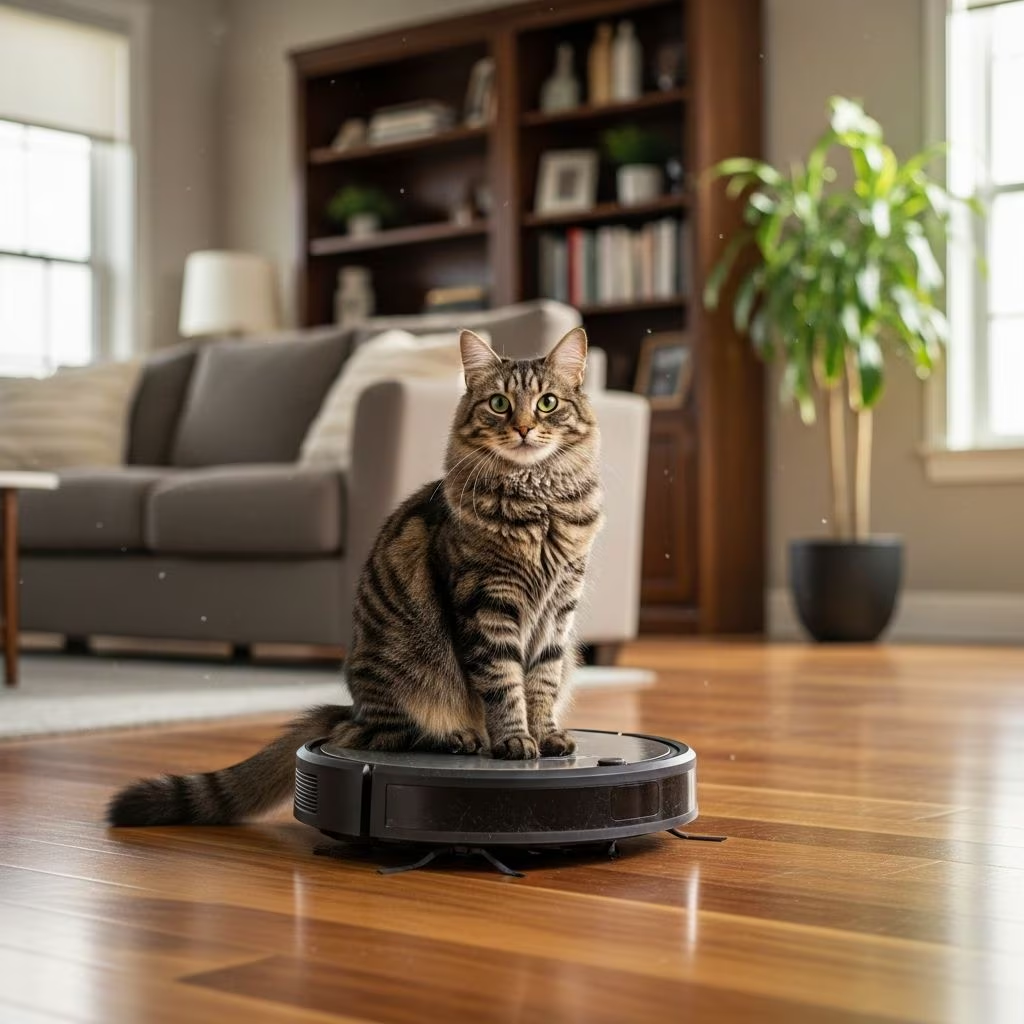
Picture this: a sleek robot vacuum whirring across your living room floor, dutifully picking up crumbs and dust bunnies, when suddenly a fluffy cat leaps aboard, paws tucked neatly, eyes half-closed in bliss. This sight has captivated pet owners and internet users alike, spawning countless viral videos and memes. But is this adorable escapade harmless entertainment or a potential hazard? In this comprehensive guide, we’ll delve into the captivating world of cats and robot vacuums, examining the behavioral science, safety considerations, practical tips, and creative ways to channel your cat’s enthusiasm.
The Instinctual Appeal of Moving Platforms
Cats are wired for curiosity and opportunism. Domesticated from wild ancestors who perched on high vantage points to survey territories, modern felines retain a love for elevated perches. A robot vacuum like the Roomba offers the perfect combo: gentle motion, a stable surface, and a bird’s-eye view of the home environment.
From an evolutionary standpoint, this behavior echoes hunting strategies. The subtle vibrations and unpredictable path mimic stalking prey, triggering a cat’s predatory instincts without the effort. Veterinary behaviorists note that the low hum provides soothing white noise, akin to a mother’s purr, promoting relaxation. A study from the University of Lincoln’s animal behavior department highlights how such dynamic perches reduce stress in multi-pet households by offering novel stimulation.
- Motion Magnetism: Cats adore anything that moves slowly and steadily, from swaying curtains to rolling balls.
- Territorial Advantage: Riding high allows scanning for ‘intruders’ like family members or other pets.
- Sensory Stimulation: The vacuum’s brushes and sensors create tactile feedback that tickles whiskers and paws pleasurably.
Not all cats take to it equally. Bold, playful breeds like Bengals or Abyssinians are more likely participants, while shy Persians might observe from afar. Age plays a role too—kittens experiment boldly, seniors seek the calm ride for joint relief.
Navigating Safety: Risks and Realities
While heartwarming, cat-on-vacuum antics aren’t risk-free. The primary concern is falls. Vacuums navigate via sensors, bumping edges and reversing abruptly, which can unseat an unsuspecting rider. Pinched tails or paws caught in wheels are rarer but documented in pet emergency reports.
Noise levels matter. Entry-level models buzz at 60-70 decibels, tolerable for most, but high-powered ones exceed 75dB, potentially stressing sensitive ears. Allergies pose another angle: vacuums stir dust, which could exacerbate feline asthma.
| Risk | Potential Impact | Prevention Tip |
|---|---|---|
| Falls from height | Bruises, sprains | Supervise first rides; add non-slip mats |
| Pinched limbs | Injury, infection | Trim fur around paws; choose models with obstacle avoidance |
| Noise stress | Anxiety, hiding | Gradual desensitization; opt for quiet modes |
| Dust exposure | Respiratory issues | Use HEPA filters; vacuum when cat is elsewhere |
According to the American Veterinary Medical Association (AVMA), pet-robot interactions are on the rise with smart home adoption, but injuries remain low—less than 1% of annual ER visits. Still, proactive owners prioritize padded landings and scheduled playtimes.
Training Your Cat for Safe Rides
Want to encourage this bonding ritual without worry? Start with positive reinforcement. Introduce the vacuum powered off, rewarding curiosity with treats. Gradually increase runtime in short bursts, always under watch.
- Acclimation Phase (Days 1-3): Let cat sniff and bat at the stationary device.
- Supervised Motion (Days 4-7): Run in a clear area; use clicker training for calm boarding.
- Free Play (Week 2+): Monitor remotely via app; intervene if needed.
Tools like puzzle feeders or cat trees with ramps can complement, teaching boundaries. If aggression emerges—rare but possible toward the ‘intruder’ vacuum—redirect with toys. Consistency builds trust, turning potential chaos into controlled fun.
Boosting Enrichment Beyond the Vacuum
Robot rides are a gateway to richer feline lives. Rotate toys to maintain novelty: laser pointers one day, feather wands the next. Vertical space is king—install shelves mimicking savanna lookouts.
Interactive tech expands options. Apps sync vacuums with treat dispensers, creating ‘hunt’ games. Window perches with bird feeders tap natural voyeurism. For multi-cat homes, separate schedules prevent territorial spats.
- DIY Perches: Cardboard castles or hammocks on chairs.
- Scent Games: Hide treats in paper bags for sniffing adventures.
- Social Time: Scheduled play with owners prevents boredom-fueled mischief.
Nutrition ties in—omega-3 supplements support coat health amid vacuum brushes. Hydration stations encourage movement, warding off obesity that hinders agility.
Tech Evolution: Vacuums Tailored for Pets
Manufacturers listen to pet parents. Newer models boast pet-friendly designs: softer bumpers, quieter motors, and AI mapping that avoids sleeping cats. iRobot’s latest, per their official specs, detects fur clumps efficiently without tangling.
Customization apps let you set no-go zones around food bowls or litter boxes, preserving cat sanctuaries. Battery life extends to 120 minutes, enough for full homes without mid-clean recharges that startle riders.
Real Owner Experiences and Community Wisdom
Forums buzz with tales: ‘My tabby directs traffic from atop!’ shares one Reddit user. Another warns of a cliff-edge tumble, averted by gates. Aggregated anecdotes reveal patterns—confident cats ride solo, anxious ones need coaxing.
Seasonal notes: winter rides warm chilly paws; summer ones cool via floor proximity. Holiday hosting? Vacuums handle guest messes while cats patrol from above.
Frequently Asked Questions
Is it safe for kittens to ride Roombas?
Generally yes, after 8 weeks and vaccinations, but limit to 5-minute sessions with constant supervision to avoid growth-related coordination issues.
Why does my cat attack the Roomba instead of riding it?
This stems from fear or play aggression. Desensitize slowly with treats; consult a behaviorist if persistent.
Can robot vacuums replace cat toys?
No, they complement but don’t substitute. Variety prevents habituation—mix with scratching posts and tunnels.
What if my cat gets hair tangled in the vacuum?
Choose pet-specific models with self-cleaning brushes. Regular maintenance prevents clogs and ensures hygiene.
Are there health benefits to this activity?
Moderate exercise and mental stimulation yes, but balance with diet to avoid weight gain from sedentary rides.
Conclusion: Embrace the Ride Responsibly
Cats on Roombas embody the joyful unpredictability of pet ownership. By understanding instincts, mitigating risks, and enriching environments, you unlock a unique bonding experience. Monitor your cat’s cues, adapt to their personality, and enjoy the laughs. This trend isn’t just viral—it’s a testament to feline adaptability in our tech-savvy world.
References
- Animal Behavior and Welfare Research Group Findings — University of Lincoln. 2023-05-15. https://www.lincoln.ac.uk/sls/research/animal-behaviour/
- Pet Safety with Household Robots — American Veterinary Medical Association (AVMA). 2024-11-20. https://www.avma.org/resources-tools/pet-owners/petcare/smart-home-devices-and-pets
- Roomba Pet Care Innovations — iRobot Official Documentation. 2025-09-10. https://www.irobot.com/en_US/roomba-pet-owners.html
- Feline Enrichment Guidelines — ASPCA Behavioral Services. 2024-03-08. https://www.aspca.org/pet-care/cat-care/cat-enrichment
- Household Pet Injury Statistics — CDC National Center for Health Statistics. 2024-07-22. https://www.cdc.gov/nchs/data/databriefs/db456.pdf



