

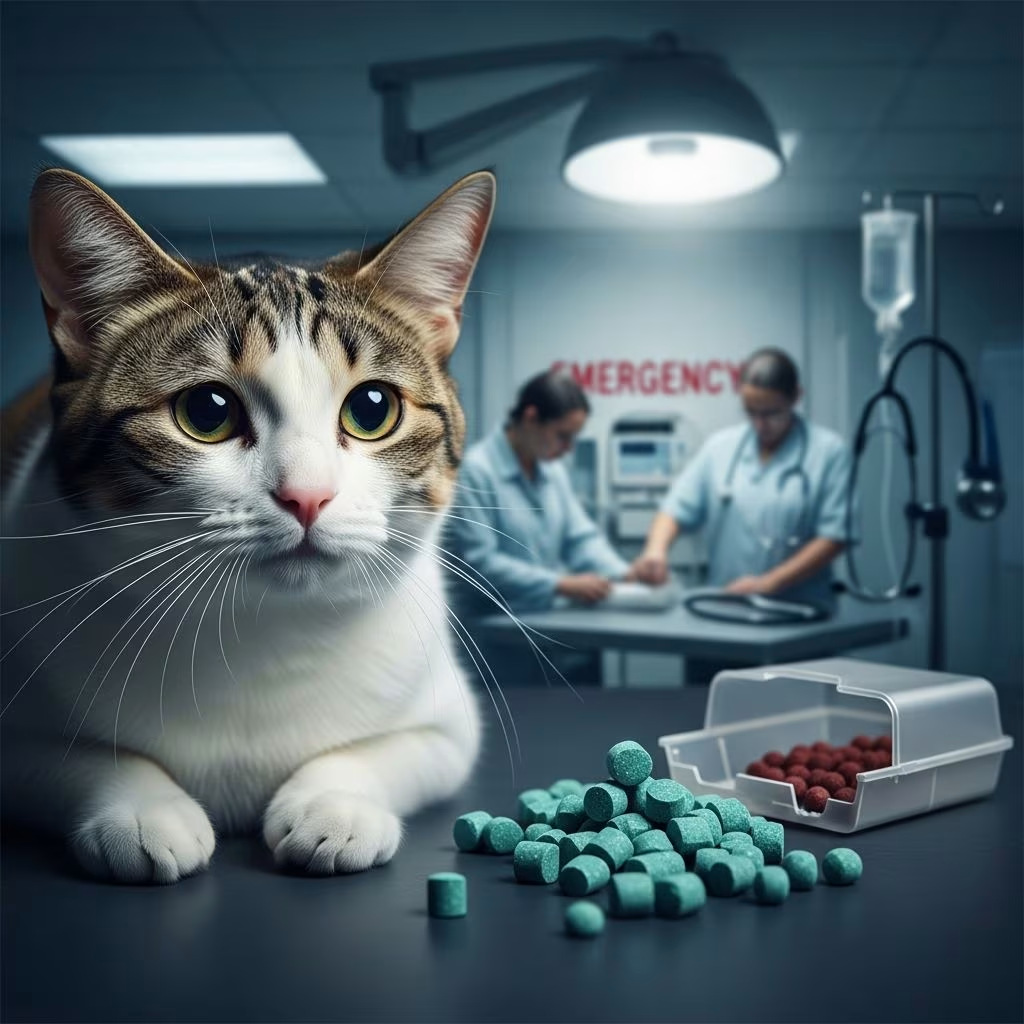
Cats are natural hunters, and their instinct to pursue and consume rodents remains strong despite domestication. However, when those rodents have been exposed to poison, your feline companion faces a serious health threat. Rodenticide poisoning in cats represents one of the most common toxic exposures in veterinary medicine, and understanding the mechanisms, symptoms, and emergency response protocols can be the difference between full recovery and tragedy.
The Danger of Indirect Exposure to Rodent Poison
Unlike direct ingestion of poison bait, cats often encounter toxins through what veterinarians call secondary poisoning. This occurs when a cat hunts and consumes a rodent that has already ingested poisoned bait. The predator inherits the toxic burden from its prey, creating a chain of contamination that many pet owners don’t anticipate when they see their cat proudly presenting a dead mouse.
The concentration of poison in a single rodent’s body typically depends on how much bait that rodent consumed and which type of rodenticide was used. Research indicates that a healthy adult cat may tolerate a modest amount of poison from a single contaminated mouse without severe consequences. However, this assessment changes dramatically for vulnerable populations within the feline demographic.
Vulnerable Feline Populations at Higher Risk
While adult cats in prime health may weather exposure to one poisoned mouse, certain groups face elevated danger:
- Kittens and young cats: Developing immune systems and smaller body mass mean toxins concentrate more rapidly in their systems
- Senior cats: Age-related liver and kidney decline impairs the body’s ability to metabolize and eliminate toxins
- Cats with pre-existing health conditions: Liver disease, kidney problems, or blood clotting disorders compound poisoning effects
- Chronically medicated cats: Certain medications interfere with toxin processing
Additionally, consuming multiple poisoned rodents substantially increases the toxic load, transforming a manageable exposure into a medical emergency regardless of the cat’s baseline health status.
Varieties of Rodenticide and Their Distinct Mechanisms
Modern rodenticides employ different chemical strategies to eliminate pests, and each type presents distinct toxicological profiles in cats:
Anticoagulant Rodenticides (Most Common)
Anticoagulant poisons represent the most frequently encountered rodenticide type. These compounds work by preventing blood from clotting normally, causing rodents to bleed internally until death occurs. The mechanism proves equally effective—and dangerous—in cats.
First-generation anticoagulants (warfarin) require multiple feedings to accumulate lethal levels. Second-generation anticoagulants (bromadiolone, brodifacoum) achieve lethality with single exposures, making them more hazardous to secondary consumers like cats. The body requires 1-2 days to deplete clotting factors after ingestion, followed by 3-7 days before visible symptoms emerge.
Bromethalin (Non-Anticoagulant Alternative)
Bromethalin products bypass the clotting mechanism entirely, instead affecting the nervous system directly. Large doses trigger symptoms within hours, including muscle tremors, seizures, and dangerously elevated body temperature. Smaller exposures demonstrate delayed presentation, with weakness and coordination loss appearing 1-4 days post-ingestion.
Cholecalciferol (Vitamin D3 Analogs)
These rodenticides exploit calcium metabolism disruption. Even modest exposure produces concerning signs, as the toxin forces the body to accumulate dangerous calcium levels. Cats demonstrate lethargy, increased thirst, elevated urination, and seizures. The prognosis becomes guarded once symptoms appear, as permanent kidney damage may have already occurred.
Phosphide-Based Compounds
Less commonly encountered but particularly dangerous, phosphides generate toxic gases within the stomach. Vomiting after phosphide ingestion poses inhalation risks to both the cat and nearby humans. Treatment requires preventing additional food consumption, which would intensify gas production.
Recognizing Poisoning Symptoms: Timeline and Presentation
The timeline for symptom emergence varies by poison type, complicating early detection. Understanding when to expect symptoms helps owners distinguish poisoning from other illnesses:
Immediate Signs (Hours 0-24)
Bromethalin poisoning produces the fastest presentation. Owners may observe muscle tremors, excessive drooling, or loss of coordination within hours of ingestion. These acute neurological signs constitute veterinary emergencies requiring immediate evaluation.
Early Phase (Days 1-3)
During this window, most poisoned cats appear surprisingly normal. Anticoagulant compounds cause clotting factor depletion before bleeding becomes clinically apparent. This deceptive normalcy frequently causes owners to delay veterinary consultation, unaware that life-threatening bleeding may be accumulating internally.
Critical Phase (Days 3-7)
As internal bleeding progresses, cats display increasingly alarming symptoms. The most common presentation includes:
- Lethargy and depression: The cat becomes progressively less interactive and energetic
- Pale or whitish gums: Indicating reduced oxygen-carrying capacity from blood loss
- Difficulty breathing: Particularly if bleeding has occurred in the lungs or chest cavity
- Visible bleeding: Blood from the nose, mouth, or in vomit or feces may appear
- Bruising: Purple or black discoloration under the skin from subcutaneous bleeding
- Abdominal distension: Internal bleeding into the abdomen causes visible enlargement
Symptoms may not appear until several days after ingestion, making the temporal connection to mouse consumption difficult. Owners frequently fail to link current symptoms to a mouse their cat ate days earlier, delaying critical treatment.
Immediate Actions When Poisoning Is Suspected
Suspicion of rodenticide exposure demands rapid veterinary intervention. Several factors make timing critical:
Contact your veterinarian immediately, even if your cat appears completely normal. Decontamination procedures work most effectively within the first several hours of ingestion. Waiting for symptoms to develop wastes the intervention window when treatment proves most effective.
Provide your veterinarian with specific information about the event:
- Exact or approximate time the mouse was consumed
- Whether the mouse was visibly alive or already dead when the cat attacked it
- Any known information about pest control in the area (neighborhood treatments, local farm applications, etc.)
- Your cat’s current medications and medical history
- Your cat’s age, weight, and general health status
Veterinary Decontamination and Treatment Protocols
Veterinary management focuses on removing toxins before absorption and organ damage occurs:
Decontamination Phase
Induced vomiting represents the first-line decontamination approach. Veterinarians use specific medications that are far safer than home remedies like hydrogen peroxide, which can cause severe gastric distension in cats. Once adequate material has been vomited, medication halts further vomiting to prevent electrolyte disruption.
Following vomiting, activated charcoal binds residual toxins in the gastrointestinal tract, allowing elimination through feces rather than absorption into the bloodstream. Additional medications may include osmotic cathartics to accelerate bowel movement and reduce contact time between remaining toxins and intestinal walls.
Anticoagulant Poisoning Management
Vitamin K1 administration serves as the specific antidote for anticoagulant poisoning. Critically, only prescription-strength Vitamin K1 provides therapeutic benefit; over-the-counter supplements lack sufficient potency. Treatment typically extends 3-4 weeks, with the cat requiring daily medication.
If bleeding has already begun before treatment initiation, vitamin K1 alone becomes insufficient. Cats bleeding actively require blood transfusions and plasma transfusions to replace coagulation factors and oxygen-carrying capacity. This escalation to critical care dramatically increases treatment costs and complexity.
Follow-up blood work monitors clotting function restoration, ensuring the cat’s coagulation ability has normalized before treatment conclusion.
Bromethalin Poisoning Management
No specific antidote exists for bromethalin toxicity, making treatment entirely supportive. Multiple doses of activated charcoal may be administered, along with muscle relaxers, anti-seizure medications, and diuretics to reduce brain swelling. Intravenous lipid emulsion therapy may help eliminate the toxin from the body in early treatment stages.
Cholecalciferol Poisoning Management
Aggressive intravenous fluid therapy flushes the kidneys and restores normal calcium levels. Hospitalization typically spans one week, with cats requiring intensive monitoring. Medications help the body eliminate excess calcium while medications address kidney damage effects.
Understanding Prognosis and Recovery Timelines
Recovery prospects depend on several variables. Cats treated before symptoms develop typically recover completely. Once bleeding becomes clinically evident, the prognosis shifts to guarded, and cats may require 24-hour intensive care. Even with aggressive treatment, cats showing advanced bleeding symptoms may not survive.
For bromethalin and cholecalciferol poisoning, outcomes become less predictable. Treatment remains supportive rather than curative, meaning organ damage that has already occurred may be irreversible. Cats surviving the acute phase may face chronic kidney problems or neurological sequelae requiring long-term management.
Prevention Strategies for Responsible Pet Owners
Understanding risks enables proactive prevention:
- Restrict hunting opportunities: Keep cats indoors or use secure outdoor enclosures to eliminate mouse access
- Coordinate neighborhood pest control: Communicate with neighbors about rodenticide use, requesting alternatives or careful application to reduce secondary poisoning risk
- Use alternative pest control methods: Electronic traps, snap traps, or professional exclusion services eliminate rodent populations without chemical toxins
- Regular property maintenance: Eliminate food sources and shelter that attract rodents, reducing the prey availability that encourages hunting
- Microchip and collar identification: Should your cat escape, rapid recovery minimizes hunting opportunity
Frequently Asked Questions
How much poison from a mouse can actually harm my cat?
A single poisoned mouse typically contains insufficient toxin to harm a healthy adult cat, though this varies based on how much bait the mouse consumed and the rodenticide type. However, multiple poisoned mice substantially increase risk. Young, old, or ill cats face danger from even single exposures.
Should I induce vomiting at home if I see my cat swallow a dead mouse?
No. Home vomiting induction using hydrogen peroxide poses serious risks in cats, potentially causing severe stomach swelling and other complications. Always contact your veterinarian for professional management.
What if my cat ate a poisoned mouse but seems completely fine?
Contact your veterinarian immediately regardless of current symptoms. Many poisonings remain asymptomatic for several days while life-threatening internal damage accumulates. Early decontamination provides the best outcome.
Can I give my cat vitamin K1 supplements to prevent poisoning?
No. Preventive vitamin K1 provides no protection and creates its own health risks. Treatment remains reserved for confirmed or suspected poisoning cases, administered under veterinary supervision.
How long does anticoagulant poisoning treatment take?
Treatment typically requires 3-4 weeks of daily medication, with follow-up blood work to confirm recovery. Some cases may require extended duration depending on severity and individual response.
References
- Mouse & Rat Poison Are Dangerous to Cats — Agria Pet Insurance. https://www.agriapet.co.uk/guides-and-advice/mouse-and-rat-poison-are-dangerous-to-cats/
- What To Do If Your Pet Eats Mouse Poison — Countryside Port Jeff. 2024-02-29. https://countrysideportjeff.com/blog/2024/02/29/what-to-do-if-your-pet-eats-mouse-poison/
- How To Tell If Your Cat Ate Rat Poison — Automatic Trap Company. https://www.automatictrap.com/blogs/rats-trapping-tips/how-to-tell-if-your-cat-ate-rat-poison
- Rat Poisoning in Cats — PetMD. https://www.petmd.com/cat/poisoning/rat-poisoning-cats
- Symptoms of Cat Poisoning — Modesto Vets – American Pet Hospital. 2023-01-15. https://www.modestovethospital.com/site/blog/2023/01/15/cat-poisoning-symptoms
- Anticoagulant Rodenticide Poisoning in Cats — VCA Animal Hospitals. https://vcahospitals.com/know-your-pet/rodenticide-warfarin-poisoning-in-cats



