
Feline Rhinotracheitis Virus (FRV): Symptoms, Treatment & Prevention
Complete guide to FRV in cats: Understanding symptoms, treatment options, and prevention strategies for your feline companion.
Understanding Feline Rhinotracheitis Virus (FRV)
Feline Rhinotracheitis Virus (FRV), also known as feline herpesvirus type 1 (FHV-1), is one of the most common infectious diseases affecting domestic cats worldwide. This highly contagious viral infection primarily targets the upper respiratory tract, eyes, and nasal passages of feline companions. FRV is responsible for a significant portion of upper respiratory infections in cats and remains a major concern for cat owners, veterinarians, and animal shelters.
The virus spreads rapidly through direct contact with infected cats or through exposure to contaminated materials, making it particularly prevalent in multi-cat households and facility environments. Understanding FRV is essential for cat owners seeking to protect their pets from this debilitating condition.
What Causes Feline Rhinotracheitis?
Feline Rhinotracheitis Virus is caused by feline herpesvirus type 1, a member of the Herpesviridae family. This enveloped DNA virus is extremely fragile outside the body and is easily inactivated by environmental disinfectants, detergents, and mild changes in temperature and humidity. However, the virus remains viable in respiratory secretions and can be transmitted through aerosol droplets when infected cats sneeze or cough.
Direct contact with discharge from the eyes and nose of infected cats is another primary transmission route. The virus can also be transmitted through contaminated food bowls, water dishes, and litter boxes. Infected cats shed the virus through nasal, ocular, and oral secretions, with the highest viral concentration occurring during the acute phase of infection.
Clinical Signs and Symptoms
Feline Rhinotracheitis can affect cats of any age, though it predominantly impacts younger kittens and cats with compromised immune systems. The clinical presentation varies depending on the severity of infection and the cat’s overall health status.
Primary Respiratory Symptoms
The most characteristic signs of FRV involve the upper respiratory tract: Infected cats typically exhibit sneezing, which can be severe and persistent, often occurring in bouts throughout the day. Nasal congestion is another hallmark symptom, leading to a stuffy nose and difficulty breathing normally. Many affected cats develop a distinctive nasal discharge that ranges from clear and watery to thick and purulent (containing yellow or green pus), particularly in secondary bacterial infections.
Ocular Manifestations
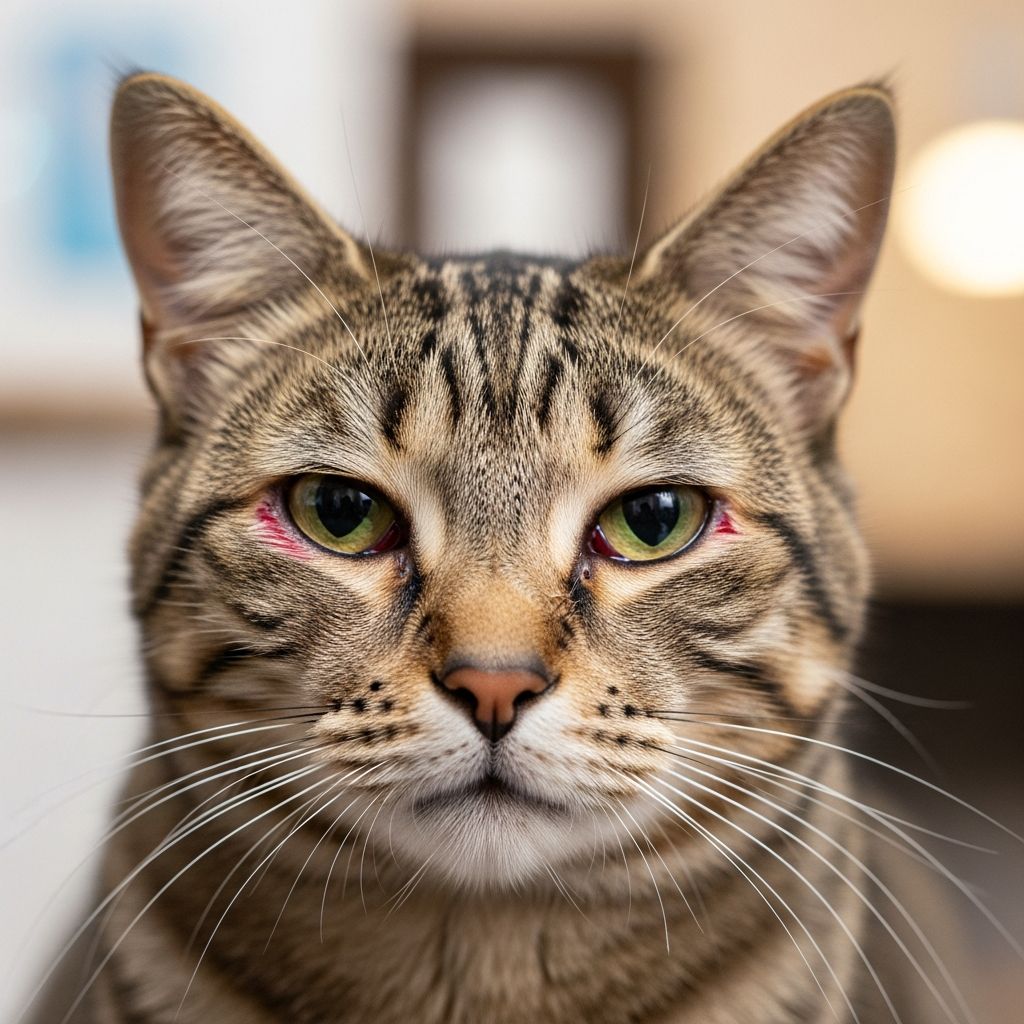
Eye involvement is extremely common in FRV infections. Clinical signs include conjunctivitis (inflammation of the conjunctiva), excessive blinking or squinting, blepharospasm, and ocular discharge. The discharge may appear watery initially but can become thick and mucopurulent as the infection progresses. Some cats develop keratitis, characterized by corneal inflammation and irritation. In severe cases, corneal ulceration may occur, potentially leading to permanent scarring or chronic dry eye if not aggressively treated.
Systemic and Oral Symptoms
Beyond respiratory and ocular signs, infected cats often experience fever, lethargy, reduced appetite (anorexia), and enlarged lymph nodes. Some cats may exhibit excessive drooling (hypersalivation) and reluctance to eat due to oral discomfort. Calicivirus, which frequently accompanies FRV infections, commonly causes ulcerative stomatitis affecting the tongue and palate, making eating painful for affected felines.
Duration of Clinical Signs
The duration of clinical signs varies between viral agents. Herpesvirus typically causes signs lasting 2 to 4 weeks, while calicivirus generally resolves within 1 to 2 weeks. However, in mild cases affecting healthy adult cats, symptoms may begin clearing within 5 to 10 days. Severe infections can persist for six weeks or longer, particularly in very young kittens or immunocompromised individuals.
Diagnosis of Feline Rhinotracheitis
Veterinary diagnosis of FRV is typically based on clinical signs and history. However, several diagnostic techniques can confirm the presence of the virus:
Clinical Examination
A thorough physical examination by a veterinarian can reveal characteristic signs such as nasal discharge, conjunctivitis, fever, enlarged lymph nodes, and respiratory distress. The presence of multiple upper respiratory symptoms simultaneously strongly suggests FRV infection.
Diagnostic Testing
Confirmation of FRV can be achieved through viral isolation, PCR (polymerase chain reaction) testing of nasal or conjunctival swabs, or immunofluorescence assays. These tests detect the presence of viral particles or genetic material in respiratory secretions. PCR testing is particularly sensitive and can identify the virus during the acute phase of infection.
Differential Diagnosis
Feline calicivirus (FCV) and other upper respiratory pathogens can present with similar clinical signs, making differentiation important for treatment planning. A veterinarian may recommend testing to distinguish between FRV and other causes of upper respiratory disease in cats.
Treatment Approaches for FRV
Unfortunately, there is no curative treatment that eliminates feline herpesvirus from an infected cat’s body. Once a cat is infected, it remains a lifelong carrier of the virus. However, various treatment strategies can effectively manage clinical signs and improve the cat’s comfort and quality of life.
Supportive and Symptomatic Care
The foundation of FRV treatment consists of supportive care aimed at maintaining the cat’s comfort and preventing secondary complications. This includes ensuring adequate hydration, particularly in anorexic or severely ill cats. Intravenous or subcutaneous fluid therapy may be necessary for dehydrated felines or those unable to drink voluntarily.
Nutritional Support
Cats suffering from FRV often have reduced appetite due to nasal congestion, fever, or oral discomfort. Providing highly palatable, warmed foods can encourage eating. Small kittens require particular attention to nutrition, as they may require feeding tubes or additional medications to maintain adequate caloric intake. Proper nutrition supports the immune system’s ability to fight the infection.
Antiviral Medications
For severe cases and recurrent infections, antiviral medications can be beneficial. Famciclovir (Famvir®), a human antiviral medication, has shown effectiveness in reducing clinical signs and decreasing viral shedding in infected cats. This medication may be prescribed in oral or, for ocular involvement, topical formulations. Topical antiviral eye medications can reduce the duration of conjunctivitis and keratitis significantly.
Antibiotics
Broad-spectrum antibiotics are commonly prescribed to prevent or treat secondary bacterial infections. Frequently used antibiotics include amoxicillin, doxycycline (Vibramycin®), azithromycin (Zithromax®), and amoxicillin-clavulanate (Clavamox®). It is crucial to administer doxycycline in liquid form to prevent esophageal damage, or if pills are necessary, they should be coated with adequate water follow-up.
Eye Care and Topical Treatments
Antibiotic eye drops treat purulent conjunctivitis and prevent corneal irritation from dried secretions. For corneal ulcers, aggressive treatment with antiviral eye preparations in addition to antibiotic preparations is essential to prevent permanent damage and vision loss. Regular gentle cleaning of eye and nasal discharge with moist tissues minimizes irritation and improves the cat’s comfort.
Respiratory Support
Cats with nasal or airway congestion benefit significantly from increased environmental humidification. Taking the cat into a steamy bathroom for 10 to 15 minutes several times daily helps clear airways and improves breathing. Saline nose drops or decongestants can also help maintain patent airways and prevent dyspnea (difficulty breathing). In severe cases with significant respiratory distress, oxygen therapy or oxygen tent placement may be necessary.
Immunomodulatory and Probiotic Support
Polyprenyl immunostimulant (VetImmune®PI) claims to boost the cat’s immune system to help fight the virus, with early studies showing reduced illness duration in treated cats. Additionally, probiotics, particularly FortiFlora® containing Enterococcus faecium SF68, have been proven effective at reducing the length of illness and supporting immune function. L-lysine supplements are also used as immune support, as they decrease the virus’s ability to replicate.
Prevention Through Vaccination
Vaccination is the most effective method for preventing feline rhinotracheitis virus infection in cats. The FRV vaccine is included in the standard feline vaccination protocol and is considered a core vaccine for all cats.
Vaccination Schedule
Kittens can receive their initial FRV vaccination after 8 to 9 weeks of age. A second dose should be administered 4 weeks after the initial vaccination to ensure adequate immune response. After the initial series, cats require annual booster vaccinations to maintain immunity.
Vaccine Limitations
Despite vaccination, cats may still manifest mild clinical signs following exposure to certain strains of calicivirus due to strain variation. Vaccination does not provide absolute protection against all strains but significantly reduces disease severity and duration. Vaccinated cats who become infected typically experience milder symptoms than unvaccinated individuals.
Environmental Management
Prevention also involves minimizing exposure to infected cats and maintaining strict hygiene practices. Regular disinfection of food and water bowls, litter boxes, and shared spaces reduces transmission risk. The virus is highly susceptible to most disinfectants, antiseptics, and detergents, making environmental control relatively straightforward.
Chronic Complications and Long-term Management
Some infected cats develop chronic conditions resulting from FRV infection. Chronic lymphoplasmacytic gingivitis stomatitis complex can develop in both herpesvirus and calicivirus infections, requiring ongoing management. Corticosteroids are the best treatment option for this complication in chronic calicivirus carriers.
Chronic keratitis and corneal scarring may result from severe or recurrent eye infections, potentially leading to persistent discomfort or vision problems. These cats require long-term eye care and monitoring to maintain ocular health.
Prognosis for Cats with FRV
Although no cure exists for Feline Rhinotracheitis, many cats can be successfully medically managed and lead normal, healthy lives. The prognosis depends on several factors including the cat’s age, overall health status, vaccine history, and severity of the initial infection. Kittens and immunocompromised cats face greater risks of complications and may experience more severe disease.
Most healthy adult cats recover from acute infection with appropriate supportive care. Feeding a cat a healthy diet and reducing stress are excellent strategies to help maintain immune function and prevent recurrent flare-ups in carrier cats.
Frequently Asked Questions About Feline Rhinotracheitis
Q: How long does feline rhinotracheitis last in cats?
A: The duration varies by viral agent and infection severity. Herpesvirus typically causes signs for 2 to 4 weeks, while calicivirus generally lasts 1 to 2 weeks. Mild cases in healthy adults may improve within 5 to 10 days, though severe infections can persist for six weeks or longer.
Q: Is feline rhinotracheitis contagious to humans?
A: No, feline herpesvirus type 1 is species-specific and does not infect humans. However, infected cats should be handled carefully to avoid spreading the virus to other cats through contact with respiratory secretions.
Q: Can indoor cats get feline rhinotracheitis?
A: Yes, indoor cats can contract FRV if exposed to infected cats or contaminated materials. However, indoor cats face lower risk compared to outdoor or multi-cat household cats. Vaccination remains important even for indoor cats.
Q: Will my cat be immune after recovering from FRV?
A: No, cats remain lifelong carriers of the herpesvirus after infection. They develop partial immunity that reduces disease severity upon re-exposure, but complete immunity does not develop. Stress and illness can trigger viral reactivation and shedding.
Q: What should I do if my cat shows signs of FRV?
A: Contact your veterinarian immediately for evaluation and appropriate treatment. Early intervention with supportive care can prevent complications and improve outcomes. Keep your cat isolated from other cats to prevent transmission during the acute infection period.
Q: Are there any home remedies for treating FRV?
A: While supportive care at home is important, veterinary treatment is essential for appropriate management. Home care includes providing humidified air, gently cleaning nasal and ocular discharge, offering nutritious food, and ensuring adequate hydration, but these should complement professional veterinary treatment.
References
- Feline Viral Rhinotracheitis due to Herpesvirus and Calicivirus — Vets and Clinics. 2024. https://vetsandclinics.com/en/feline-viral-rhinotracheitis-herpesvirus-calicivirus
- Herpesvirus Infection in Cats (Feline Viral Rhinotracheitis) — Animal Eye Guys. 2024-04-30. https://www.animaleyeguys.com/site/blog/2024/04/30/herpesvirus-infection-cats
- Herpesvirus Infection in Cats (Feline Viral Rhinotracheitis) — VCA Animal Hospitals. 2024. https://vcahospitals.com/know-your-pet/feline-herpesvirus-infection-or-feline-viral-rhinotracheitis
- Feline Respiratory Disease Complex (Feline Viral Rhinotracheitis, Feline Calicivirus) — Merck Veterinary Manual. 2024. https://www.merckvetmanual.com/cat-owners/lung-and-airway-disorders-of-cats/feline-respiratory-disease-complex-feline-viral-rhinotracheitis-feline-calicivirus
- Feline Herpesvirus 1 (FHV-1) Infection — PetMD. 2024. https://www.petmd.com/cat/conditions/infectious-parasitic/c_ct_feline_rhinotracheitis
- Feline Herpesvirus Infection: ABCD Guidelines on Prevention and Management — National Center for Biotechnology Information. 2019-03-29. https://pmc.ncbi.nlm.nih.gov/articles/PMC7129359/
- Expert Care for Herpesvirus Infection in Cats — Reed Animal Hospital. 2024. https://www.reedanimalhospital.com/blog/feline-herpesvirus-fhv-infection/
Similar Articles








Read full bio of Sneha Tete




