

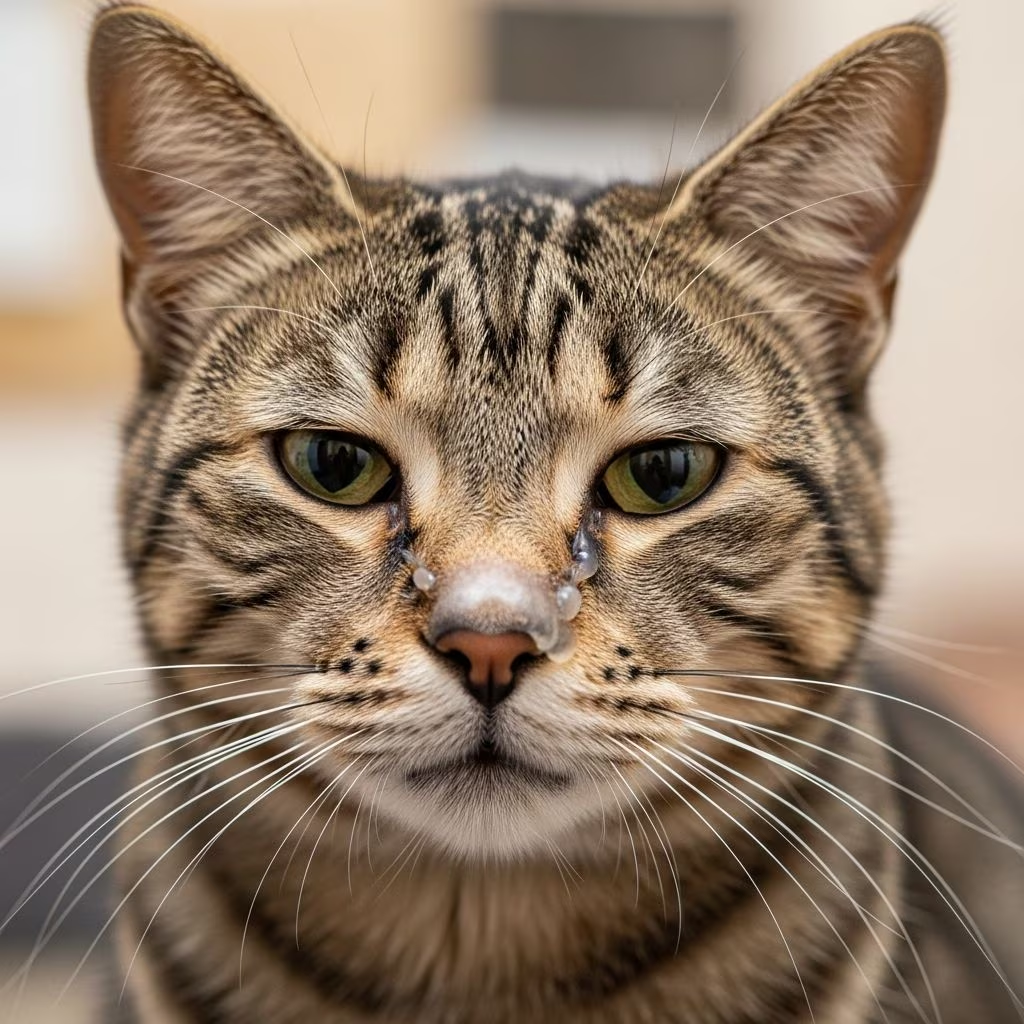
Nasal and sinus inflammation, known as rhinitis and sinusitis in cats, commonly affects the upper respiratory system, leading to discomfort and breathing difficulties. These conditions often overlap, forming rhinosinusitis, which impairs the nasal passages’ ability to filter air, exposing lungs to irritants.
Understanding the Anatomy of a Cat’s Nose and Sinuses
Cats possess a intricate nasal structure with mucous membranes lining the nasal cavity and connected sinuses. These areas produce mucus to trap dust, allergens, and pathogens, while tiny hair-like structures called cilia sweep debris outward. When inflammation strikes, this system falters, causing buildup and secondary issues.
The sinuses, air-filled cavities around the nasal passages, help lighten the skull and humidify inhaled air. In felines, frontal and maxillary sinuses are prominent, and blockages here amplify symptoms. Brachycephalic breeds like Persians face heightened risks due to narrowed airways.
Primary Causes Behind Nasal Inflammation in Cats
Viral infections dominate as initial triggers, with feline herpesvirus-1 (FHV-1) and feline calicivirus (FCV) leading the pack. These viruses damage mucosal linings, paving the way for bacterial overgrowth. Bacterial culprits like Mycoplasma or Chlamydia often follow, turning clear discharge mucopurulent.
Fungal invasions, such as Cryptococcus or Aspergillus, thrive in immunocompromised cats, causing deeper tissue damage. Dental roots penetrating sinuses from infected teeth represent another pathway, necessitating oral exams. Allergens from pollen, dust, or smoke provoke non-infectious types, while parasites like nasal mites or tumors add rare complexity.
- Viral origins: FHV-1 and FCV, often from carriers shedding intermittently.
- Bacterial secondary infections: Common after viral assaults.
- Fungal: Environmental spores in soil or bird droppings.
- Other: Foreign objects, polyps, neoplasia, or idiopathic chronic forms.
Recognizing Symptoms: From Mild Sniffles to Severe Distress
Early signs mimic a human cold: frequent sneezing, clear nasal discharge from one or both nostrils, and pawing at the face. As progression occurs, discharge thickens to yellow-green, signaling bacteria, accompanied by snoring, open-mouth breathing, or reverse sneezing—sharp inspiratory bursts to clear blockages.
Eye involvement brings tearing, squinting, or third eyelid protrusion. Appetite wanes due to smell loss, vital for feline eating, leading to weight loss and lethargy. Fever, facial swelling, voice changes, or head tilting indicate advanced stages, potentially with neurologic effects.
| Severity | Key Signs |
|---|---|
| Mild/Acute | Sneezing, serous discharge, pawing, lacrimation |
| Moderate | Mucoid discharge, snoring, appetite loss, conjunctivitis |
| Severe/Chronic | Mucopurulent discharge, labored breathing, fever, ulcers, lymph node swelling |
Diagnostic Approaches for Accurate Identification
Veterinarians start with history and physical exams, noting discharge color, duration, and unilaterality—which hints at foreign bodies or tumors. Blood tests check for systemic infection or immune deficits.
Imaging like radiographs reveals sinus opacities or tooth roots, while CT scans offer precision for surgery planning, confirming cribriform plate integrity. Rhinoscopy visualizes passages, enabling biopsies or flushes. Cultures from swabs guide antibiotic choices, and PCR detects viruses or fungi.
Dental radiographs screen for abscesses, and allergy trials or endoscopy rule out polyps. In chronic cases, therapeutic lavages under anesthesia dislodge debris, yielding samples.
Treatment Strategies: Tailored to the Root Cause
Acute viral cases emphasize supportive care: hydration via IV fluids, warmed soft foods, appetite stimulants like mirtazapine, and nasal wiping. Antivirals such as famciclovir combat FHV-1.
Bacterial infections demand 3-6 week antibiotics like doxycycline or Clavamox®, culture-directed. Fungal therapies include fluconazole or itraconazole for Cryptococcus; aspergillosis may need topical infusions. Dental extractions under anesthesia resolve tooth-related issues.
Chronic management frustrates but responds to nebulized saline, steam therapy, or home water drops in nostrils. Anti-inflammatories like intermittent steroids reduce swelling, alongside antihistamines and litter dust reduction. Surgery like polyp removal or bulla osteotomy aids refractory cases.
Supportive Home Therapies Table
| Method | Frequency | Benefits |
|---|---|---|
| Saline nebulization | 10-15 min, 2-3x daily | Moistens passages, aids drainage |
| Steam from shower | 10-15 min sessions | Loosens mucus naturally |
| Sterile water drops | 1-2 drops/nostril, as needed | Promotes hydration |
| Warm food | Every meal | Enhances aroma for eating |
Managing Chronic or Idiopathic Rhinitis Long-Term
Idiopathic chronic rhinitis lacks a clear cause, featuring recurrent discharge, sneezing, and stertor. ISCAID guidelines recommend culture-based doxycycline or amoxicillin. Nasal flushes under anesthesia clear inspissated mucus.
Environmental tweaks—no smoke, low-dust litter—curb flares. Short decongestant bursts avoid rebound, and NSAIDs offer pain relief. Owners track symptoms via journals for vet adjustments.
Prevention Tips to Safeguard Your Cat’s Nasal Health
Vaccinate against FHV-1 and FCV, though breakthroughs occur. Quarantine new cats, minimize stress triggering viral shedding. Dental checkups catch issues early, and hypoallergenic environments help prone felines.
Boost immunity with balanced nutrition, omega-3s, and lysine supplements for herpes-prone cats. Prompt acute treatment prevents chronicity.
Frequently Asked Questions (FAQs)
What triggers most rhinitis cases in cats?
Viral infections like FHV-1 and FCV initiate most, followed by bacteria.
Can I treat my cat’s sinusitis at home?
Supportive measures like steam help, but vet-prescribed meds target causes.
Is chronic rhinitis curable?
Cures are rare; management controls symptoms effectively.
Why unilateral discharge?
Often signals foreign bodies, tumors, or dental issues.
How long do treatments last?
Antibiotics span 3-6 weeks; chronic care is ongoing.
Prognosis and When to Seek Urgent Care
Acute cases resolve well with intervention, but chronic ones persist lifelong, managed not cured. Watch for worsening breathing, dehydration, or anorexia—emergencies needing immediate vet attention. Early action preserves quality of life.
References
- Sinus Infections in Cats — PetMD. 2023. https://www.petmd.com/cat/conditions/respiratory/sinus-infections-cats
- Rhinitis and Sinusitis in Dogs and Cats — MSD Veterinary Manual. 2024-01-15. https://www.msdvetmanual.com/respiratory-system/respiratory-diseases-of-small-animals/rhinitis-and-sinusitis-in-dogs-and-cats
- Rhinitis and Sinusitis in Cats — Merck Veterinary Manual. 2023. https://www.merckvetmanual.com/cat-owners/lung-and-airway-disorders-of-cats/rhinitis-and-sinusitis-in-cats
- Idiopathic Chronic Rhinitis in Cats — NDSR. 2024. https://www.ndsr.co.uk/insights/idiopathic-chronic-rhinitis-in-cats/
- Nose and Sinus Infections in Cats — Englishtown Animal Hospital. 2023-05-10. https://www.englishtownvet.com/blog/nose-and-sinus-infections-in-cats/
- Snots and Snuffles: Rational Approach to Chronic Feline Upper Respiratory Disease — PMC (NCBI). 2024-05-20. https://pmc.ncbi.nlm.nih.gov/articles/PMC11148990/



