

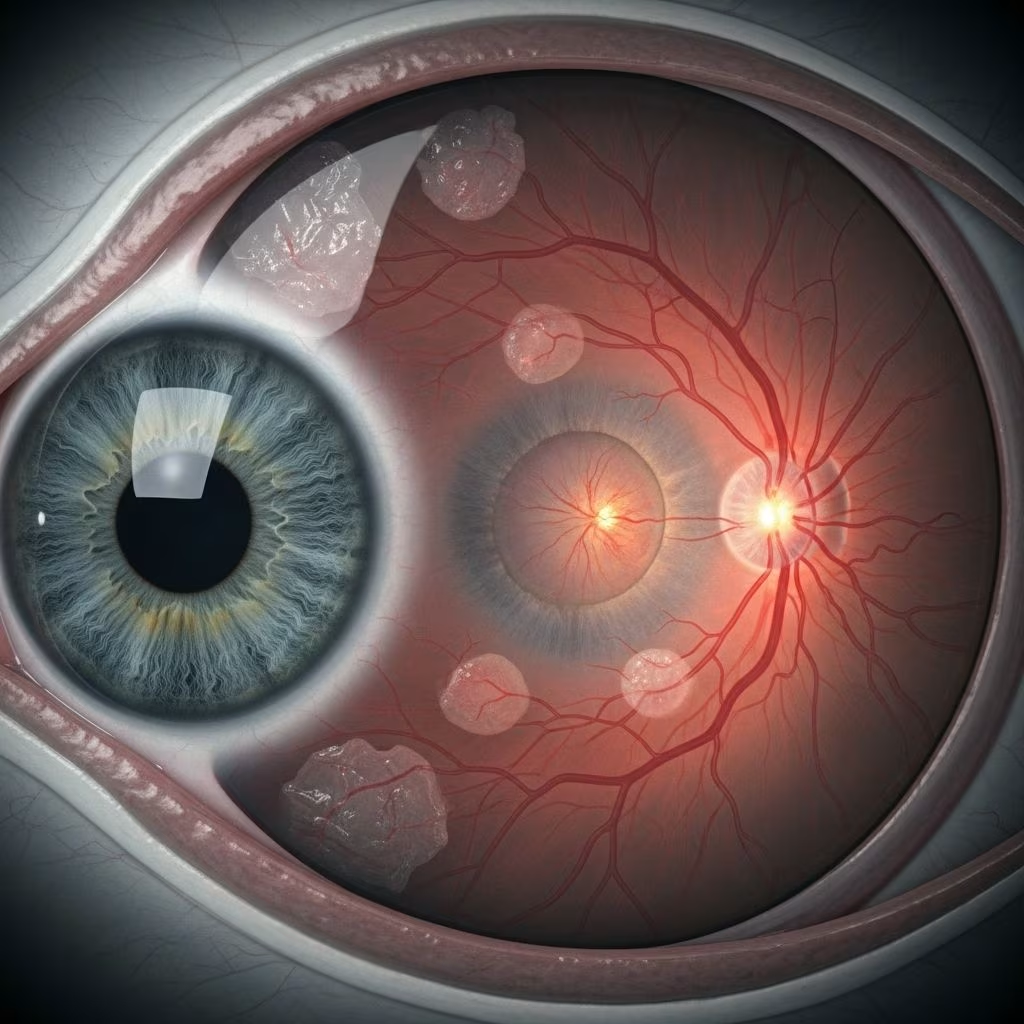
The back of a cat’s eye, known as the ocular fundus, includes the retina, choroid, and optic disk. These structures are crucial for vision, capturing light and transmitting signals to the brain. Disorders here can lead to partial or complete blindness, often stemming from systemic diseases, infections, or genetics. Early detection through veterinary exams is key to managing these conditions and maintaining your cat’s quality of life.
Understanding the Ocular Fundus in Cats
The retina is a light-sensitive layer at the eye’s rear, converting images into neural signals. The choroid supplies blood and nutrients beneath it, while the optic disk is where the optic nerve exits, appearing as a pale spot during funduscopic exams. In healthy cats, the fundus shows a green-to-orange tapetal sheen in the tapetal region and a darker nontapetal area nasally. Disruptions in these areas signal serious issues, frequently linked to hypertension, inflammation, or congenital defects.
Cats differ from dogs in eye anatomy; their tapetum lucidum enhances night vision, making fundus changes more noticeable under dim light. Routine checks during wellness visits can reveal subtle shifts before symptoms appear.
Hypertension-Related Retinal Damage
Systemic hypertension, common in older cats with kidney disease or hyperthyroidism, targets the eyes first. Elevated blood pressure damages retinal vessels, causing leaks and detachments. Retinal target lesions—dark-centered spots from bleeding—mark early stages. These progress to flat bullous detachments, hemorrhages in retinal layers, and vitreal bleeding, leading to sudden blindness.
Symptoms include dilated pupils, reduced pupillary light response, and behavioral changes like bumping into objects. Iris hemorrhages and mydriasis may accompany retinal issues. Diagnosis involves blood pressure measurement and funduscopic examination revealing classic lesions. Treatment lowers pressure with amlodipine orally, alongside managing underlying conditions. Vision may partially recover if addressed promptly, but chronic cases often result in permanent loss.
Infectious and Inflammatory Choroidal Conditions
Infections like feline infectious peritonitis (FIP) and toxoplasmosis inflame the choroid, causing chorioretinitis. FIP leads to multifocal yellow-white lesions and retinal separation, often with systemic signs like fever and weight loss. Toxoplasmosis presents similar spots, sometimes with anterior uveitis. Systemic fungal infections or bacterial spread can mimic these, showing hypopyon or fibrin in the anterior chamber.
Clinical signs encompass cloudy vision, squinting, and discharge. Veterinary diagnostics include PCR tests on fluids, serology for antibodies, and ultrasound for deeper involvement. Antiviral drugs like famciclovir combat herpesvirus contributions, while antibiotics target bacteria. Supportive anti-inflammatories reduce swelling, though prognosis varies with disease stage.
Retinal Detachments: Causes and Consequences
Retinal detachment (RD) occurs when the neurosensory retina lifts from the underlying pigment epithelium, disrupting nutrient flow. Causes include hypertension (most common), trauma, inflammation, or neoplasia. In hypertensive cats, serous detachments start peripherally, progressing centrally. Traumatic RD from fights shows vitreous hemorrhage alongside.
Owners notice dilated pupils, anisocoria, and reluctance to jump. Fundoscopy confirms detachment as elevated retina with visible choroidal vessels underneath. Ultrasound aids obscured views. Treatment hinges on cause: pressure control reattaches some retinas within weeks, but inflammation requires steroids cautiously. Success rates improve with early intervention; untreated cases lead to atrophy and blindness.
| Cause | Prevalence | Key Features |
|---|---|---|
| Hypertension | High | Bullous detachments, hemorrhages |
| Inflammation | Moderate | Multifocal lesions, uveitis |
| Trauma | Low | Vitreous hemorrhage, tears |
| Neoplasia | Low | Masses, secondary effects |
Optic Disk Abnormalities and Neuropathy
The optic disk can swell (papilledema) from raised intracranial pressure or atrophy from nerve damage. Optic neuritis, often viral or immune-mediated, causes disk edema, peripapillary hemorrhage, and vessel attenuation. Cats show mydriasis, poor menace response, and blindness.
Congenital colobomas—defects in optic disk formation—appear as notches or pits, sometimes linked to Taupos, a fading kitten syndrome with small eyes and neurological deficits. Diagnosis uses electroretinography (ERG) to assess retinal function and MRI for nerve involvement. Corticosteroids treat inflammatory neuritis; supportive care aids congenital cases.
Hereditary and Developmental Retinal Diseases
Genetic conditions like retinal dysplasia feature abnormal folds, leading to partial detachment and vision impairment. Progressive retinal atrophy (PRA) degenerates photoreceptors slowly, with hyperreflective tapetum and vessel thinning on late exams. Though rarer in cats than dogs, breeds like Abyssinian Persians carry risks.
Kittens with Taupos exhibit uncoordinated movement and poor vision from hypoplastic optic disks and thin retinas. No cure exists; management focuses on environmental adaptations. Genetic testing screens breeding cats.
Neoplastic and Vascular Fundus Changes
Tumors like lymphosarcoma infiltrate the choroid, causing retinal detachment and disk swelling. Vascular anomalies, including tortuous vessels or aneurysms, arise from hypertension or inflammation. Fundus shows irregular pigmentation, nodules, or hemorrhages.
Biopsy or fine-needle aspirate confirms neoplasia. Chemotherapy or radiation treats systemic lymphoma; enucleation relieves painful blind eyes. Prognosis depends on spread.
Diagnostic Approaches for Fundus Disorders
- Funduscopic Exam: Direct and indirect ophthalmoscopy reveals lesions, detachments.
- Electroretinography (ERG): Measures retinal electrical response, distinguishes detachment from neuropathy.
- Ocular Ultrasound: Images subretinal fluid, tumors when media opaque.
- Blood Pressure and Labs: Screens hypertension, infections.
- Fluorescein Angiography: Tracks vessel leaks in advanced cases.
These tools, wielded by veterinary ophthalmologists, pinpoint issues accurately.
Treatment Strategies and Prognosis
Therapy targets root causes: antihypertensives for vascular damage, antivirals for infections, immunosuppressants for inflammation. Surgical options like vitrectomy repair select detachments, though rare in cats. Pain relief with atropine drops and dark environments comfort affected pets.
Prognosis spans excellent for reversible hypertensive RD to guarded for advanced neoplasia. Regular monitoring prevents recurrences.
Preventive Measures for Cat Owners
Annual senior exams catch presymptomatic changes. Control chronic diseases like hyperthyroidism promptly. Minimize trauma via indoor living. Nutrition with antioxidants supports retinal health. Promptly address any vision shifts.
Frequently Asked Questions (FAQs)
Can my cat’s vision recover from retinal detachment?
Yes, if caused by treatable hypertension and caught early, partial recovery occurs in many cases.
What breeds are prone to hereditary fundus issues?
Abyssinian and Persian cats face higher PRA risks; genetic screening advised.
Is blindness painful for cats with fundus disorders?
Acute detachments cause discomfort; chronic blindness typically does not, but pain signals need vet attention.
How do I check my cat’s vision at home?
Test menace response by approaching hand to face and cotton ball tracking in peripheral vision.
Should I breed a cat with optic disk coloboma?
No, as it’s heritable; consult a vet geneticist.
References
- Keeping Your Cat’s Eyes in Purr-fect Health — Stack Veterinary Hospital. 2023. https://stackvethospital.com/keeping-your-cats-eyes-in-purr-fect-health/
- Common eye conditions in cats – clinical tips (Part 2) — BSAVA. 2024-01-15. https://www.bsava.com/article/common-eye-conditions-in-cats-clinical-tips-part-2/
- Cat Eye Problems: A Complete Guide — Vetericyn. 2023-05-20. https://vetericyn.com/blogs/vetericyn/cat-eye-problems-a-complete-guide
- Feline Eye Conditions — Animal Eye Associates. 2024. https://animaleyegroup.com/feline-eye-conditions/
- Eye Disorders Resulting from Generalized Diseases in Cats — MSD Veterinary Manual. 2025-02-01. https://www.msdvetmanual.com/cat-owners/eye-disorders-of-cats/eye-disorders-resulting-from-generalized-diseases-in-cats
- Eye Structure and Function in Cats — Merck Veterinary Manual. 2025. https://www.merckvetmanual.com/cat-owners/eye-disorders-of-cats/eye-structure-and-function-in-cats



