

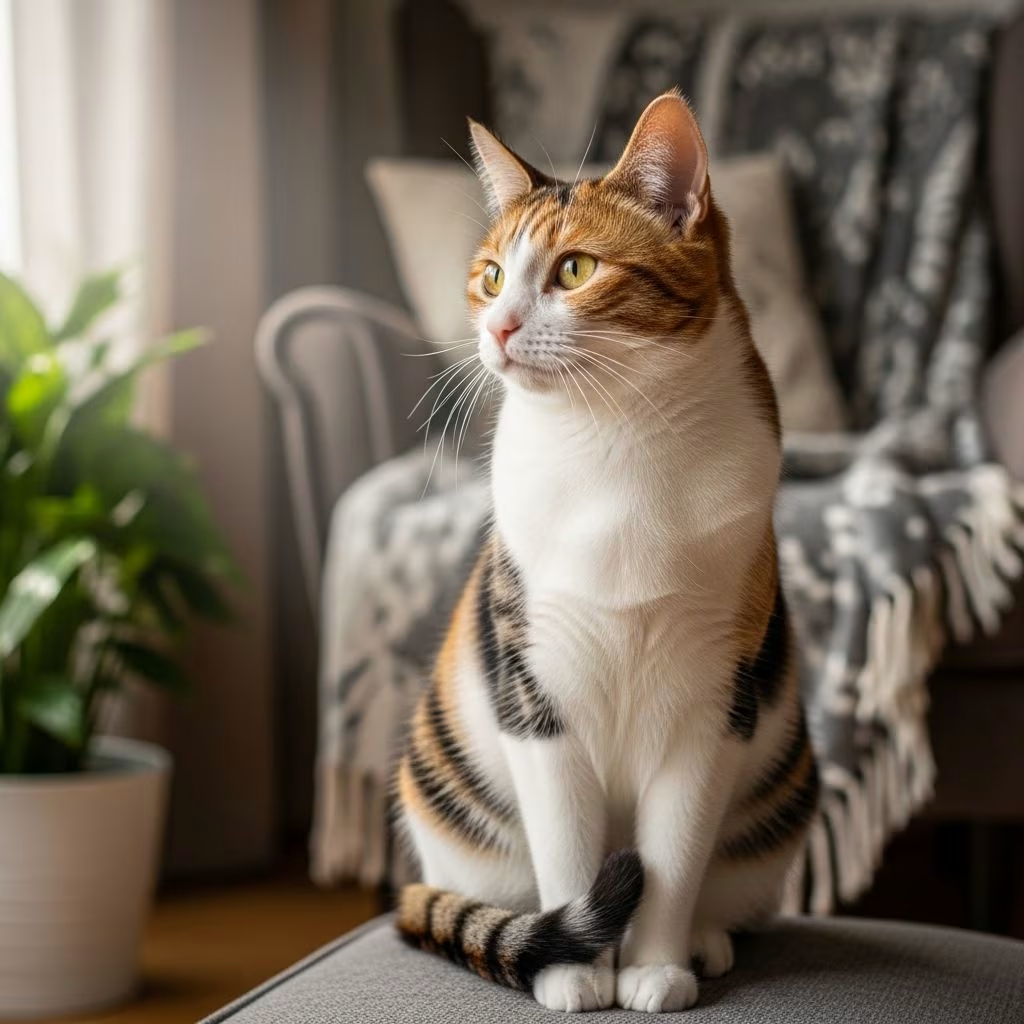
One of the most significant yet often misunderstood aspects of feline health involves the reproductive cycles of intact female cats. Understanding these natural cycles is essential for any cat owner, particularly those considering breeding or deciding when to pursue spaying. The estrous cycle—commonly referred to as “being in heat”—represents a critical phase in your cat’s biological development when her body prepares for potential pregnancy. This process involves dramatic hormonal shifts that manifest in behavioral and physical changes that can sometimes confuse or concern well-meaning owners.
The Age Factor: When Does the Heat Cycle Begin?
Most female cats reach sexual maturity and experience their first estrous cycle around six months of age. However, this timeline can fluctuate based on environmental factors, particularly the length of daylight exposure. Some precocious cats may enter their first heat cycle as early as four months, while others might not until they are closer to nine months old. This variation highlights why age alone should not be the determining factor when planning spaying procedures. Climate, geographic location, and indoor versus outdoor living situations all influence the exact timing of sexual maturation in felines.
The significance of understanding this early onset cannot be overstated. Many owners are surprised to learn that their young kittens are capable of becoming pregnant before reaching full physical maturity. While pregnancy at such a young age carries increased health risks for the developing cat, awareness of this possibility allows owners to take appropriate preventive measures.
Seasonal Patterns and Breeding Windows
Female cats are classified as “seasonally polyestrous,” meaning they experience multiple reproductive cycles during specific breeding seasons rather than the continuous cycles seen in some other species. This seasonal pattern is intimately tied to environmental light exposure. Cats respond to increased daylight hours as a trigger for reproductive activity, with approximately 12 hours of daylight generally serving as the activation threshold.
In the Northern Hemisphere, the primary breeding season typically spans from March through October, with the most intense reproductive activity occurring during spring and early summer months. Conversely, during winter months when daylight hours diminish—roughly November through January—most cats enter a quiescent period called anestrus, during which their reproductive systems essentially pause. This biological adaptation evolved to ensure that wild cats would give birth during seasons with optimal food availability and weather conditions.
Indoor cats living in environments with artificial lighting often experience different patterns than their outdoor counterparts. Since they are exposed to consistent or extended daylight hours year-round, many indoor felines may cycle throughout the entire year. This constant reproductive cycling can create ongoing behavioral challenges for owners and increases the cumulative stress on the reproductive organs.
Deconstructing the Four Phases of the Estrous Cycle
The complete feline estrous cycle comprises four distinct phases, each with unique hormonal, physical, and behavioral characteristics. Understanding these phases provides valuable insight into what your cat experiences during her reproductive window.
Phase One: Proestrus (1-2 days)
The proestrus phase represents the initial stage of the heat cycle and is often so subtle that many owners fail to notice it entirely. During this brief window, your cat may display increased affection and restlessness, but she will not yet exhibit the intense behavioral changes characteristic of active heat. Some cats show minor changes in their vocalization patterns, though nothing approaching the loud calling of later stages. The body is beginning to elevate estrogen levels in preparation for the estrus phase that follows, but external signs remain minimal and easily overlooked.
Phase Two: Estrus (4-10 days)
The estrus phase is when your cat is truly “in heat” and represents the period when conception is possible. This stage is unmistakable, characterized by dramatic behavioral transformations that can astound even experienced cat owners. During true estrus, cats become intensely vocal, often producing loud, continuous yowling that serves to attract potential mates. They may assume distinctive mating postures and actively solicit attention from humans and other animals.
The average estrus period lasts approximately seven days, though normal variation ranges from 1 to 21 days depending on the individual cat. If the cat does not mate during this window, she will progress to the next phase. Male cats in the vicinity, even at considerable distances, may detect the pheromones released during this phase and attempt to reach your home.
Phase Three: Interestrus (7-14 days)
If breeding does not occur, the cat enters interestrus—a period of relative calm that lasts approximately 7 to 14 days. During this phase, the pronounced behavioral signs gradually fade, and the cat’s personality largely returns to normal. Owners often mistakenly believe their cat’s heat cycle has concluded entirely, when in fact the reproductive system is simply preparing for the next cycle. This phase serves as a brief respite before the entire cycle recommences unless the cat becomes pregnant or is spayed.
Phase Four: Anestrus (November-January)
The anestrus phase occurs primarily during winter months when daylight hours are shortest. During this prolonged resting period, the cat’s reproductive system becomes completely dormant, and the behavioral disturbances associated with heat cycling cease entirely. This natural break provides relief for both cats and their owners. As daylight hours gradually increase, the reproductive system “wakes up” and the cycle begins anew.
Behavioral Indicators: Reading Your Cat’s Heat Signals
The behavioral changes associated with feline estrus are among the most notable aspects of the heat cycle. Recognizing these indicators helps confirm that your cat is indeed in heat and allows you to respond appropriately.
- Excessive Vocalization: Cats in heat produce loud, persistent vocalizations that can persist day and night. These “calls” serve as long-distance signals to potential mates and can be remarkably distressing for owners trying to sleep or maintain household peace.
- Heightened Affection: Most cats become exceptionally affectionate and demanding during estrus. They persistently rub against owners, furniture, and objects, constantly seeking attention and physical contact. This behavior stems from hormonal drives and represents a significant personality shift from their baseline temperament.
- Floor Rolling: Cats frequently roll on the floor more often during heat cycles, a behavior that may appear playful but actually serves reproductive purposes.
- Postural Changes: When stroked along the spine, cats in heat typically raise their rear quarters into the air and tread with their hind legs—a posture that mimics mating behavior.
- Restlessness and Pacing: Many cats become visibly restless and pace continuously, reflecting their frustration with unfulfilled reproductive drives.
- Increased Urination: Some cats urinate more frequently during heat cycles. In more intense cases, females may spray urine on vertical surfaces to mark territory and broadcast their reproductive status to other cats.
- Excessive Grooming: Cats may engage in compulsive self-grooming, particularly focusing on genital areas.
Physical Manifestations of the Heat Cycle
While behavioral changes dominate the heat cycle presentation, some physical indicators may also appear. A small amount of vaginal discharge may be visible around the genital area, though this is less commonly noticed than behavioral signs. The increased grooming behavior cats exhibit during this time may partly relate to this physiological discharge.
It’s important to note that cats may vary significantly in the intensity of their heat cycle presentations. Some cats display every behavioral sign dramatically, while others present more subtle manifestations. Additionally, some cats may behave relatively normally despite being in estrus, displaying only mild behavioral changes that could easily be attributed to other causes. Regular observation helps identify the recurring patterns that indicate cyclical heat episodes, particularly in cats that don’t advertise their reproductive status obviously.
The Complete Cycle Timeline
When all phases are considered together, the complete estrous cycle in cats typically spans one to six weeks, with an average duration of approximately three weeks. This relatively frequent cycling means that without intervention through spaying or successful breeding, cats experience repeated reproductive cycles throughout the breeding season. Understanding these timelines helps owners predict when their cats will next enter heat and plan accordingly.
Why Heat Cycles Matter Beyond Behavior
While the behavioral manifestations of heat cycles are what most immediately impact owners, the physiological implications warrant serious consideration. Repeated, uncompleted heat cycles create ongoing stress on the reproductive system and the cat’s overall physiology. Cats that do not mate during estrus must cycle repeatedly, which can affect their overall well-being beyond the obvious behavioral disturbances. Furthermore, unfulfilled reproductive urges can drive cats to escape from homes in search of mates, potentially resulting in injury, disease, or permanent loss.
Management Considerations for Heat Cycles
Owners of intact females have several options for managing heat cycles. Understanding these choices allows for informed decision-making based on individual circumstances and values.
Breeding: If reproduction is intended, cats should ideally not be bred until at least one year of age to allow for complete physical development, despite the fact that pregnancy could occur during the first heat cycle.
Spaying: Surgical spaying eliminates heat cycles entirely by removing the reproductive organs. This procedure prevents the hormonal fluctuations that trigger behavioral changes and eliminates the risk of pregnancy. It also provides health benefits beyond cycle management, including reduced risk of reproductive cancers and infections.
Environmental Management: For those not choosing spaying, careful environmental management—such as keeping cats strictly indoors and preventing escapes—becomes essential, particularly during breeding season.
Frequently Asked Questions About Feline Heat Cycles
Can a cat become pregnant during her first heat cycle?
Yes. Despite being very young, cats are capable of becoming pregnant during their initial heat cycle. However, pregnancy at such an early age carries increased health risks for the young cat.
How do I distinguish heat cycle behavior from illness?
The behavioral changes associated with heat can sometimes alarm owners who mistake them for signs of illness. However, heat cycle behaviors typically include increased affection and vocalization rather than signs of distress like loss of appetite or lethargy. If you’re uncertain, veterinary consultation can confirm the cause of behavioral changes.
Will an indoor cat avoid heat cycles?
No. Even strictly indoor cats experience heat cycles unless they are spayed. The presence of artificial lighting can actually extend breeding seasons for indoor cats, potentially causing year-round cycling.
How long does the entire cycle last?
The complete cycle ranges from one to six weeks, averaging about three weeks. However, if a cat doesn’t mate, she may cycle every few weeks during breeding season.
References
- Estrous Cycles in Cats — VCA Animal Hospitals. Accessed January 2026. https://vcahospitals.com/know-your-pet/estrus-cycles-in-cats
- What To Expect With A Young Cat In Heat — Chewy. Accessed January 2026. https://www.chewy.com/education/cat/health-and-wellness/what-to-expect-with-a-young-cat-in-heat
- Estrous Cycles in Cats — Arch Animal Hospital West. Accessed January 2026. https://archanimalhospitalwest.com/estrous-cycles-in-cats/
- Understanding the Cat Heat Cycle — Pretty Litter. Accessed January 2026. https://www.prettylitter.com/blog/cat-heat
- How Long Does a Cat Stay in Heat? A Guide for Cat Owners — Northwoods Veterinary Clinic. Accessed January 2026. https://northwoodsvet.com/how-long-does-a-cat-stay-in-heat/



