

As a cat owner, understanding your pet’s biological processes is crucial for providing appropriate care and making informed health decisions. One topic that often confuses pet parents is whether cats experience periods similar to humans. The answer is both yes and no—while female cats do go through monthly reproductive cycles, these cycles operate very differently from human menstruation. This guide explores the fascinating world of feline reproduction and provides practical knowledge to help you support your cat’s health and well-being.
The Fundamental Differences Between Feline and Human Reproductive Cycles
When people ask whether cats have periods, they’re often comparing feline biology to human menstruation. However, the two processes differ significantly at a cellular and hormonal level. Female cats undergo a reproductive cycle called estrus or being “in heat,” which is fundamentally different from the menstrual cycle experienced by humans.
The most striking difference lies in what happens to the uterine lining. In humans, when pregnancy doesn’t occur, the thickened uterine lining is shed and expelled from the body as menstrual bleeding. In contrast, female cats reabsorb the lining of their uterus rather than expelling it. This biological adaptation means that cats do not experience menstrual bleeding as humans do. Instead, their bodies conserve energy by recycling the uterine tissue, a far more efficient process from an evolutionary perspective.
This distinction is important for cat owners to understand because it explains why your female cat won’t show signs of bleeding during her heat cycle under normal circumstances. Any vaginal bleeding in a cat warrants veterinary attention, as it may indicate an underlying health issue rather than a normal reproductive function.
The Four Stages of the Feline Estrous Cycle
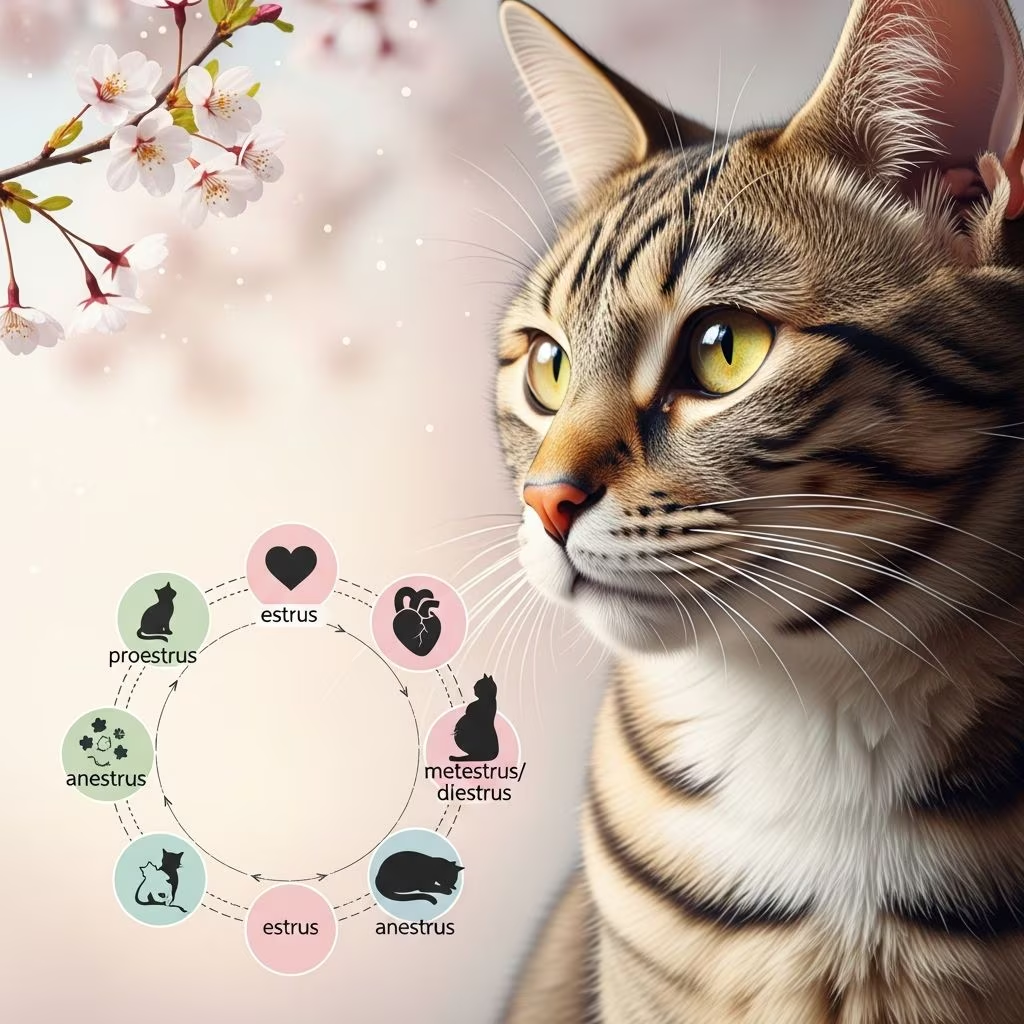
The feline estrous cycle comprises four distinct phases, each with unique hormonal changes and behavioral manifestations. Understanding these stages helps owners recognize when their cats are cycling and anticipate their needs.
Proestrus: The Preparation Phase
The estrous cycle begins with proestrus, a brief warm-up stage lasting approximately one to two days. During this phase, your cat’s body begins producing increased amounts of estrogen, preparing the reproductive system for potential mating. While behavioral changes may be subtle, your cat’s scent glands become more active, and she may display increased affection toward her human companions. Female cats in proestrus attract the attention of male cats through pheromone signaling, though they are not yet receptive to mating.
Estrus: The Heat Period
Estrus is the most recognizable phase of the cycle and typically lasts four to six days, though it can extend beyond a week in some cats. This is when your cat is actively “in heat” and ready to mate. During this phase, behavioral changes become dramatically apparent. Female cats arch their backs, rub their bodies against furniture and people, and vocalize extensively with meowing and yowling. These behavioral signals communicate to potential mates that the female is receptive to reproduction.
The estrus phase is also the only time during the cycle when your cat can become pregnant. However, cats possess a unique reproductive mechanism: they are induced ovulators, meaning they require mating to stimulate the release of eggs from their ovaries. Without mating, ovulation does not occur, and the cycle progresses to the next phase.
Interestrus: The Waiting Period
If mating hasn’t occurred or pregnancy hasn’t resulted from mating, the cat enters interestrus. This phase lasts approximately two to three weeks and represents a period of relative calm compared to the dramatic behavioral changes of estrus. During interestrus, estrogen levels return to baseline, and your cat’s obvious heat-related behaviors subside. Her body is essentially resting before potentially entering another estrus phase if pregnancy hasn’t occurred.
Anestrus: The Seasonal Dormancy
Anestrus represents the final stage of the cycle and occurs during periods of reduced daylight and cooler temperatures. This phase can last two to three months and represents a time when reproductive activity ceases entirely. During anestrus, cats typically show no signs of being in heat, and their hormonal activity remains minimal.
Interestingly, some female cats experience pseudopregnancy during the anestrus phase, exhibiting maternal behaviors even without successful mating. This phenomenon reflects the complex hormonal environment surrounding feline reproduction.
Reproductive Patterns: How Often Do Cats Cycle?
Understanding the frequency of feline heat cycles is essential for owners of unspayed cats. Cats are classified as “polyestrous” breeders, meaning they experience multiple heat cycles throughout their reproductive years. This is markedly different from humans, who have one menstrual cycle approximately every month.
Unspayed female cats typically begin their first heat cycle around four to six months of age, though this can occasionally occur slightly earlier. Once cycling begins, cats can enter heat every two to three weeks during the breeding season. This frequent cycling explains why so many pet owners mistakenly believe their cats are continuously fertile—the cycling pattern can indeed seem relentless.
The breeding season for cats is largely dictated by environmental factors, particularly temperature and daylight hours. Cats living in warmer climates or spending most of their time indoors may experience heat cycles throughout the year, potentially cycling continuously. In contrast, cats in the Northern Hemisphere typically experience their primary breeding season from early spring to late fall. Most cats require a minimum of twelve hours of daylight daily to maintain normal estrous cycles.
Behavioral and Physical Signs of Heat
Recognizing the signs that your cat is in heat enables you to provide appropriate care and take preventive measures if desired. The behavioral manifestations of estrus are often dramatic and unmistakable:
- Excessive vocalization including meowing, yowling, and caterwauling that may sound unusual or distressing to owners
- Physical affection-seeking behaviors, rubbing against people, furniture, and other household objects
- Postural changes such as arching the back and raising the hindquarters
- Restlessness and increased activity levels
- Changes in litter box habits, including increased frequency of urination
- Attempts to escape or roam outside
- Increased grooming of the genital area
These behavioral signs serve a biological purpose: they communicate to potential mates that the female is reproductively available. Understanding that these behaviors are hormonally driven rather than voluntary helps owners respond with patience and compassion.
When Does Bleeding Occur and When Is It Concerning?
As discussed earlier, cats do not typically bleed during their heat cycle because they reabsorb the uterine lining rather than shedding it. However, minimal spotting or vaginal bleeding during the estrus phase is occasionally possible and is considered normal.
That said, excessive bleeding or bleeding outside the estrus phase warrants prompt veterinary attention. Several health conditions can cause vaginal bleeding in cats that require professional medical evaluation:
- Uterine infections (pyometra), where the uterus becomes inflamed and fills with pus, causing discomfort and potentially foul-smelling discharge
- Reproductive tract tumors
- Blood clotting disorders
- Trauma or injury to the reproductive tract
- Urinary tract infections that may be mistaken for reproductive bleeding
If you observe any vaginal bleeding in your cat beyond minimal spotting during estrus, or if bleeding persists longer than expected, consult your veterinarian promptly.
The Induced Ovulation Mechanism in Cats
One of the most distinctive aspects of feline reproduction is their status as induced ovulators. This means that unlike humans and some other species who ovulate on a hormonal schedule regardless of mating, cats only release eggs in response to the physical stimulation of mating.
Research indicates that it typically requires three to four mating sessions within a 24-hour window for a female cat to ovulate successfully. During this fertile window, it’s even possible for a single litter of kittens to have multiple fathers, as female cats may mate with different males during the estrous period. This reproductive strategy, while seemingly chaotic from a human perspective, provides evolutionary advantages in natural cat populations.
The Case for Spaying: Health and Population Control Benefits
Understanding feline reproductive cycles underscores the importance of spaying (ovariohysterectomy) as a veterinary procedure. Spaying involves the surgical removal of the ovaries and uterus, permanently eliminating heat cycles and reproductive capability.
The benefits of spaying are substantial:
| Benefit Category | Details |
|---|---|
| Health Protection | Eliminates risk of uterine infections, ovarian cancer, and mammary tumors associated with repeated estrous cycling |
| Behavioral Improvement | Eliminates heat-related behaviors such as excessive vocalization and escape attempts |
| Population Control | Prevents unwanted pregnancies and reduces feline overpopulation in shelters |
| Quality of Life | Reduces stress associated with repeated heat cycles and the drive to mate |
| Lifespan | Spayed cats often live longer, healthier lives due to reduced reproductive-related complications |
Veterinarians recommend spaying cats before their first heat cycle to maximize health benefits, though the procedure can be performed at any age. The ideal timing is typically between four and six months of age, before the first estrus begins.
Environmental Factors Influencing Heat Cycles
The external environment plays a crucial role in regulating feline reproductive cycles. Unlike humans whose menstrual cycles continue year-round, cats’ heat cycles are heavily influenced by environmental cues.
Temperature and daylight hours are the primary environmental factors affecting cycle frequency and intensity. Cats living in environments with consistent warmth and extended daylight hours—such as indoor cats in heated homes with artificial lighting—may cycle continuously throughout the year. In contrast, outdoor or outdoor-access cats in temperate climates typically experience cycling primarily during spring and autumn months when daylight duration and temperature naturally increase.
This environmental dependency reflects cats’ evolutionary adaptation as seasonal breeders. In wild populations, this mechanism ensures that kittens are born during seasons with optimal survival conditions. Understanding this aspect of feline biology explains why indoor cats may seem to be in heat more frequently than their outdoor counterparts.
Frequently Asked Questions About Feline Heat Cycles
At what age do cats first go into heat?
Female cats typically experience their first heat cycle between four and six months of age, though this can occasionally occur as early as three months. This early onset sometimes surprises owners who didn’t realize their kitten was already capable of reproduction.
How long does a heat cycle last in total?
If pregnancy doesn’t occur, a complete heat cycle lasts approximately two to three weeks on average. The estrus phase itself typically lasts four to six days, followed by the interestrus period.
Can cats get pregnant during their first heat cycle?
Yes, cats can become pregnant during their first heat cycle. This is why spaying before the first cycle is recommended by veterinarians.
Is it safe to let a cat go through one heat cycle before spaying?
While some people believe this is necessary, veterinarians generally recommend spaying before the first cycle. There is no health benefit to allowing a cat to cycle before spaying, and doing so increases the risk of reproductive complications.
Why do indoor cats seem to cycle more frequently?
Indoor cats, particularly those exposed to artificial lighting and consistent warmth, may cycle nearly year-round because the environmental triggers that suppress cycling in outdoor cats are absent.
Conclusion: Supporting Your Cat Through Reproductive Cycles
Understanding feline reproductive biology empowers cat owners to make informed decisions about their pets’ health and welfare. While cats do experience monthly cycles, these cycles operate according to fundamentally different biological principles than human menstruation. Rather than shedding the uterine lining like humans, cats reabsorb it—a more energy-efficient process that prevents the bleeding associated with human periods.
Recognizing the signs of estrus, understanding the seasonal nature of breeding, and appreciating the benefits of spaying contribute to responsible pet ownership. Whether you choose to breed your cat or opt for spaying, having accurate knowledge about feline reproductive cycles enables you to provide the best possible care for your feline companion.
References
- Cat Heat Cycle — Purina Arabia. 2024. https://www.purina-arabia.com/en-gb/care-and-advice/cat/health/cat-heat-cycle
- Feline Reproductive Cycle – Do Cats Have Periods and Bleed? — Zeze Life. 2024. https://www.zezelife.com/feline-reproductive-cycle-do-cats-have-periods-and-bleed/
- Do Cats Have Periods? — Hill’s Pet Nutrition. 2024. https://www.hillspet.com/cat-care/healthcare/do-cats-have-periods
- Cats in Heat: How Long It Lasts and What To Do — PetMD. 2024. https://www.petmd.com/cat/general-health/cat-in-heat
- The Heat Cycle in Cats Explained — Purina UK. 2024. https://www.purina.co.uk/articles/cats/health/pregnancy/cat-heat-cycle



